









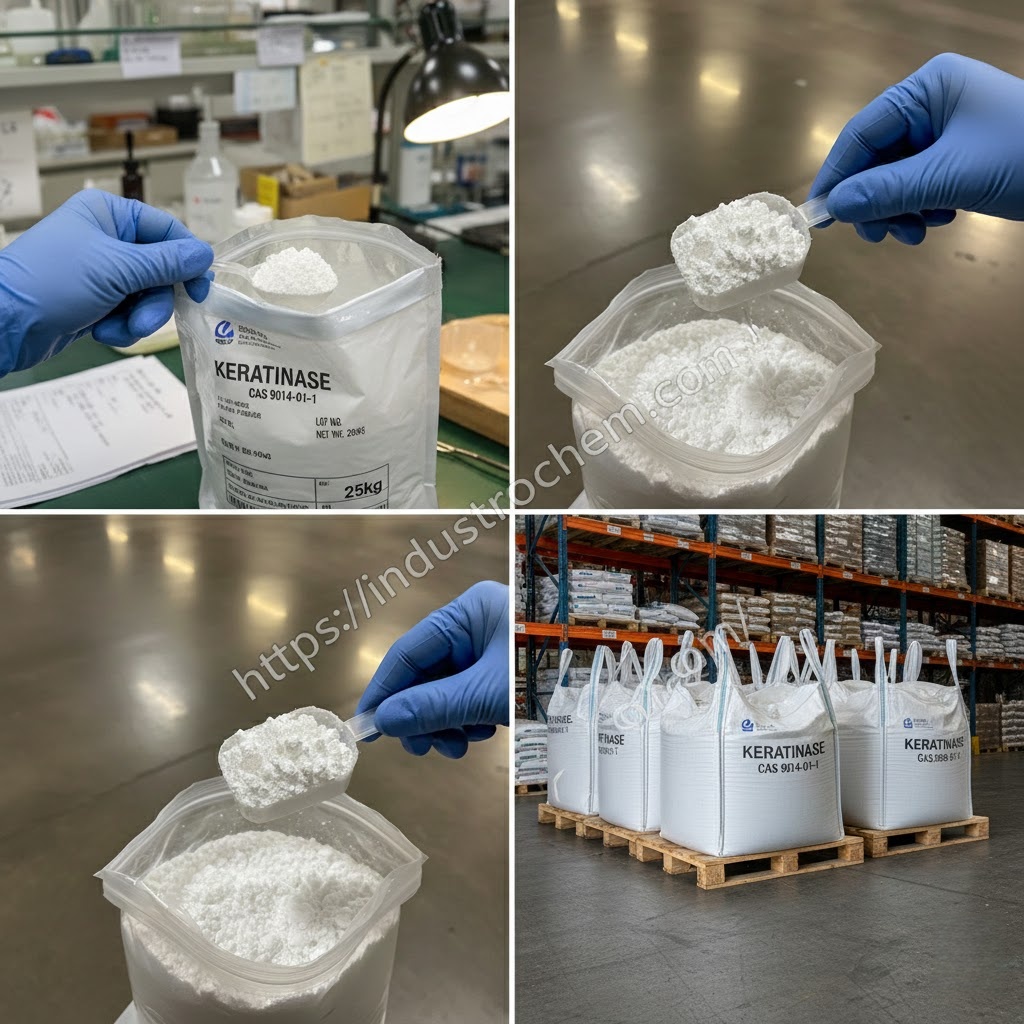
Keratinase CAS 9014-01-1 is a specific proteolytic enzyme class chemically identified within the Subtilisin family, functioning primarily as a biocatalyst for the hydrolysis of insoluble keratin proteins. Sourced typically from microbial fermentation (such as Bacillus strains), this enzymatic protein is utilized to degrade tough keratinous structures in feather meal processing and serves as an eco-friendly unhairing agent in leather tanning operations.We provide professional access to this material with competitive factory pricing and the ability to meet customized specifications(activity levels like 10,000 U/g to 100,000 U/g) for various manufacturing requirements. Our commitment to technical transparency ensures that every shipment is accompanied by comprehensive MSDS, TDS, COA documentation to support your quality assurance protocols, and we maintain capacity for consistent bulk supply to facilitate large-scale industrial operations.
Keratinase (Subtilisin) CAS 9014-01-1
- CAS: 9014-01-1
- Synonyms: Subtilisin, Keratinolytic protease, Bacillus subtilis protease, Endopeptidase K, Proteinase
- Einecs: 232-752-2
- Grade: feed additives
- Package: 25kg/bag (Plastic woven bag with PE liner) or 500kg/1000kg Jumbo Bag.
Product Description
Physical & Chemical Properties
Enzymes are sensitive biological tools. To get the best results, you need to know the environment in which they thrive. Below are the typical characteristics of our industrial-grade Keratinase.
| Property | Specification |
|---|---|
| Product Name | Keratinase |
| CAS Number | 9014-01-1 |
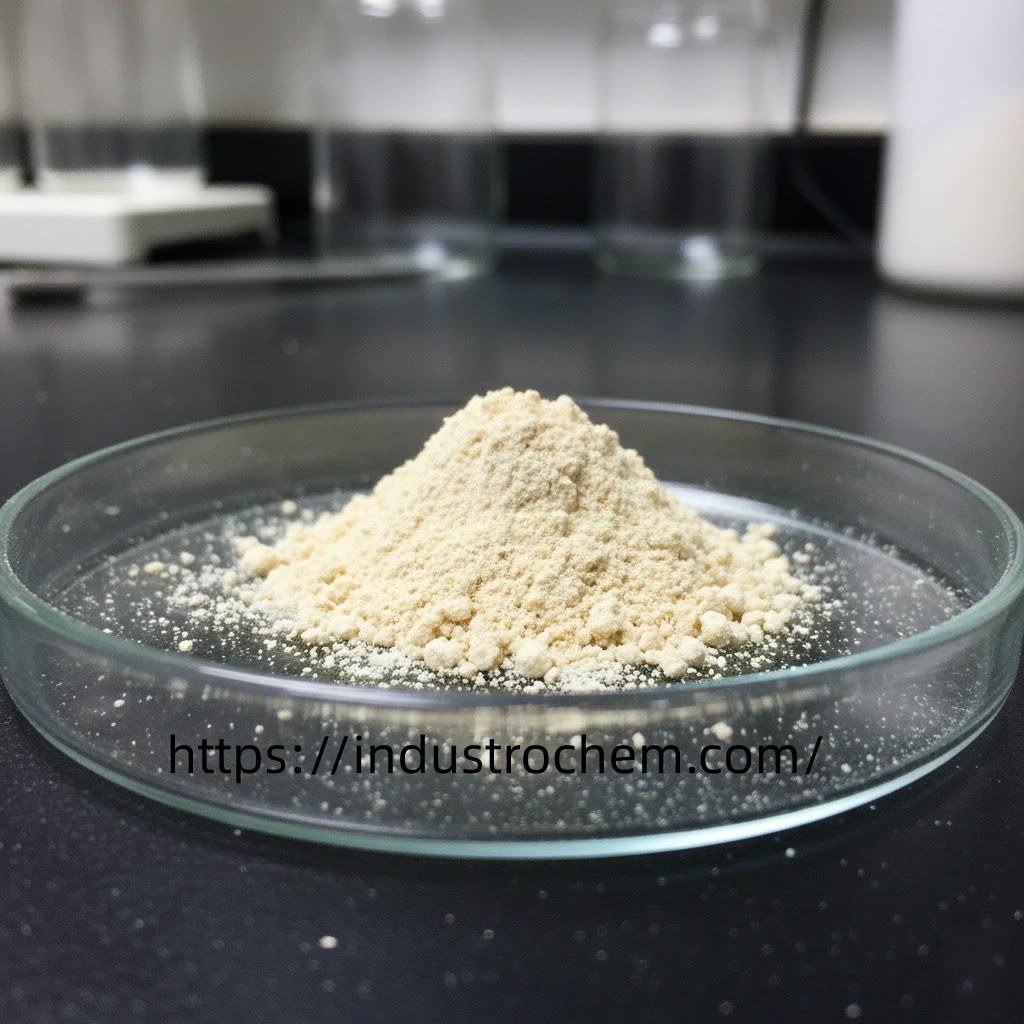
| Appearance | Light Yellow to Brown Powder (or Liquid) |
| Source | Microbial Fermentation (e.g., Bacillus strains) |
| Solubility | Soluble in water |
| Optimum pH | Typically 7.0 – 10.5 (Neutral to Alkaline) |
| Optimum Temperature | 40°C – 60°C |
| Enzyme Activity | Customizable (e.g., 50,000 U/g – 100,000 U/g) |
| Odor | Slight fermentation odor |
Key Application Fields
Keratinase is not a “one-size-fits-all” chemical; it is a specialized tool used to add value in specific industries.
1. Leather Tanning (Eco-Friendly Unhairing) This is one of the most valuable applications. Traditional unhairing uses large amounts of sodium sulfide and lime, which damages the environment and the leather grain.
- Benefit: Keratinase selectively hydrolyzes the hair root without damaging the collagen of the skin. This results in smoother, higher-quality leather and a drastic reduction in wastewater pollution (BOD/COD).
2. Animal Feed Industry (Feather Meal) Poultry feathers are almost 90% keratin but are indigestible in their raw form.
- Benefit: By treating feathers with Keratinase, the tough keratin structure is broken down into soluble proteins and amino acids. This turns waste into a highly digestible, high-protein additive for livestock and aquaculture feed.
3. Cosmetics and Personal Care Keratin makes up the outer layer of human skin.
- Benefit: In skin care, Keratinase acts as a biological exfoliant. It gently digests dead skin cells (which are keratinized) without the irritation often caused by acid peels or physical scrubs, leaving skin soft and smooth.
4. Textile Processing (Wool & Silk) Used for the anti-felting treatment of wool and the degumming of silk, improving the handle and softness of the final fabric.
Safety and Precautionary Measures
While Keratinase is a biodegradable protein and eco-friendly, it is still a concentrated industrial enzyme and requires proper handling.
- Inhalation Risk: Enzyme dust can cause sensitization (allergies) or respiratory irritation if inhaled over long periods. Always avoid generating dust.
- PPE: Operators should wear dust masks (N95 or P2), safety glasses, and gloves.
- Skin/Eye Contact: Enzymes can irritate moist skin and eyes. If contact occurs, flush immediately with plenty of water for at least 15 minutes.
- Hygiene: Wash hands thoroughly with soap and water after handling the product.
Storage and Stability
Enzymes are biologically active; if you treat them poorly, they “die” (lose activity).
- Temperature: Store in a cool, dry place. For long-term storage, temperatures below 25°C are recommended. Refrigeration (4-10°C) significantly extends shelf life.
- Avoid Heat: Do not leave drums in direct sunlight or near heat sources. High temperatures will denature the enzyme and destroy its effectiveness.
- Moisture: Keep containers tightly sealed. Moisture can cause the powder to cake and degrade microbial stability.
- Shelf Life: Typically 6-12 months depending on storage conditions.
FAQ - Technical & Supply Chain
-
Q:
Does the enzymatic activity of Keratinase (CAS 9014-01-1) remain stable in high-temperature feed pelleting processes?
A: Standard liquid or powder enzymes can degrade above 60-70°C. However, for feed industry applications, we supply heat-stable or microencapsulated grades of Keratinase specifically engineered to withstand the brief high-temperature conditions of conditioning and pelleting (up to 85°C) to ensure residual activity in the final animal feed. -
Q:
Can this enzyme replace sodium sulfide in leather unhairing steps?
A: Yes, to a significant extent. In "green tanning" processes, Keratinase is utilized to selectively hydrolyze the keratin in the hair root canal. While it may not completely eliminate the need for sulfides in all leather types, it significantly reduces the chemical oxygen demand (COD) and sulfide usage in wastewater, offering a cleaner, biotechnological alternative for the beamhouse operation.
Documents and Product Support
For product review and sourcing evaluation, supporting documents can be coordinated according to the product type, inquiry stage, and order requirements.
- COA for batch-based quality reference
- TDS for key physical and chemical information
- SDS / MSDS for handling, storage, and safety reference
- Packing information for sample, trial, and bulk orders
- Technical communication based on application and specification requirements
Information to Confirm Before Quotation
Clear sourcing information helps reduce specification mismatch and allows a more accurate quotation before sample or bulk order discussion.
- Product name and CAS number
- Application or intended end use
- Required purity, grade, or specification
- Sample quantity, trial order, or bulk demand
- Preferred packing form or net weight
- Destination country or port
- Required documents or compliance expectations
Packaging, Storage, and Handling Notes
Packaging form, storage conditions, shelf life, and shipment arrangements should be confirmed according to the product characteristics, package size, and destination requirements.
Before order confirmation, buyers are advised to review the corresponding product documents and confirm whether any special storage, labeling, or handling requirements apply.
Sample, Bulk Order and Repeat Supply Support
Support can be arranged for sample discussion, bulk supply planning, packaging confirmation, and routine sourcing communication based on the actual product and order requirements.
For repeat-use formulations or long-term procurement plans, buyers may discuss specification consistency, packaging preferences, delivery expectations, and document coordination in advance.