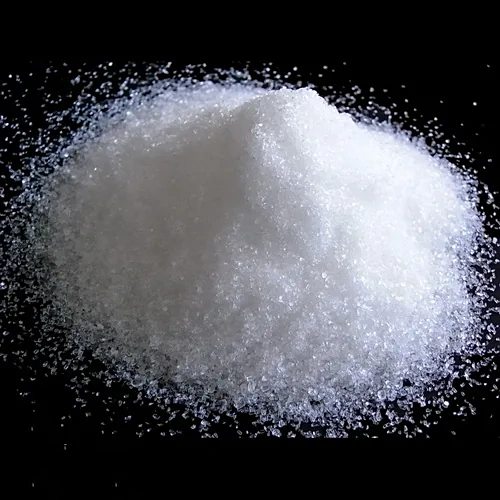



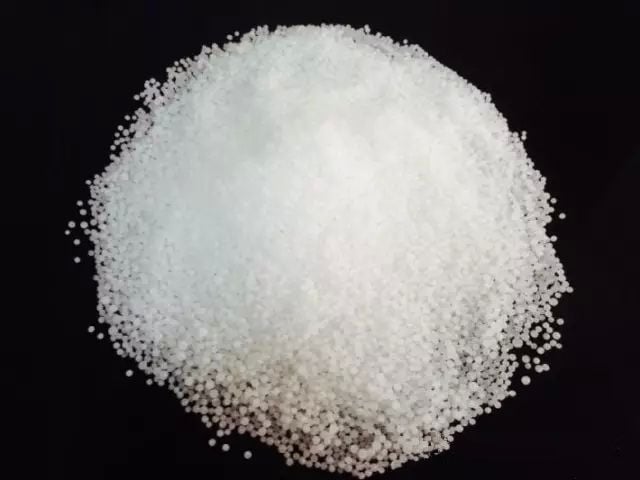
Phosphorus Pentoxide (P₂O₅), CAS 1314-56-3, is a white, strongly hygroscopic solid used for industrial dehydration, condensation and phosphorus-chemical production. Assay, impurities and physical form are selected for the intended process; moisture-tight packaging protects the material during storage and delivery.
Phosphorus Pentoxide (P₂O₅) CAS 1314-56-3
- CAS: 1314-56-3
- Synonyms: Phosphorus pentoxide; Phosphorus(V) oxide; Diphosphorus pentoxide; Phosphoric anhydride; P₂O₅
- Einecs: 215-236-1
- Molecular Formula: P₂O₅ (empirical formula); P₄O₁₀ (molecular form)
- Grade: Industrial use; assay, impurity limits and physical form to the agreed specification
- Package: Moisture-tight, compatible packaging; pack size and net quantity agreed for the order
Product Description
Phosphorus pentoxide, also called phosphorus(V) oxide or phosphoric anhydride, has EC number 215-236-1. P₂O₅ is its conventional empirical formula; P₄O₁₀ describes the molecular form, while polymeric crystalline forms also exist. The corresponding molar masses are 141.94 g/mol per P₂O₅ unit and 283.89 g/mol for P₄O₁₀.
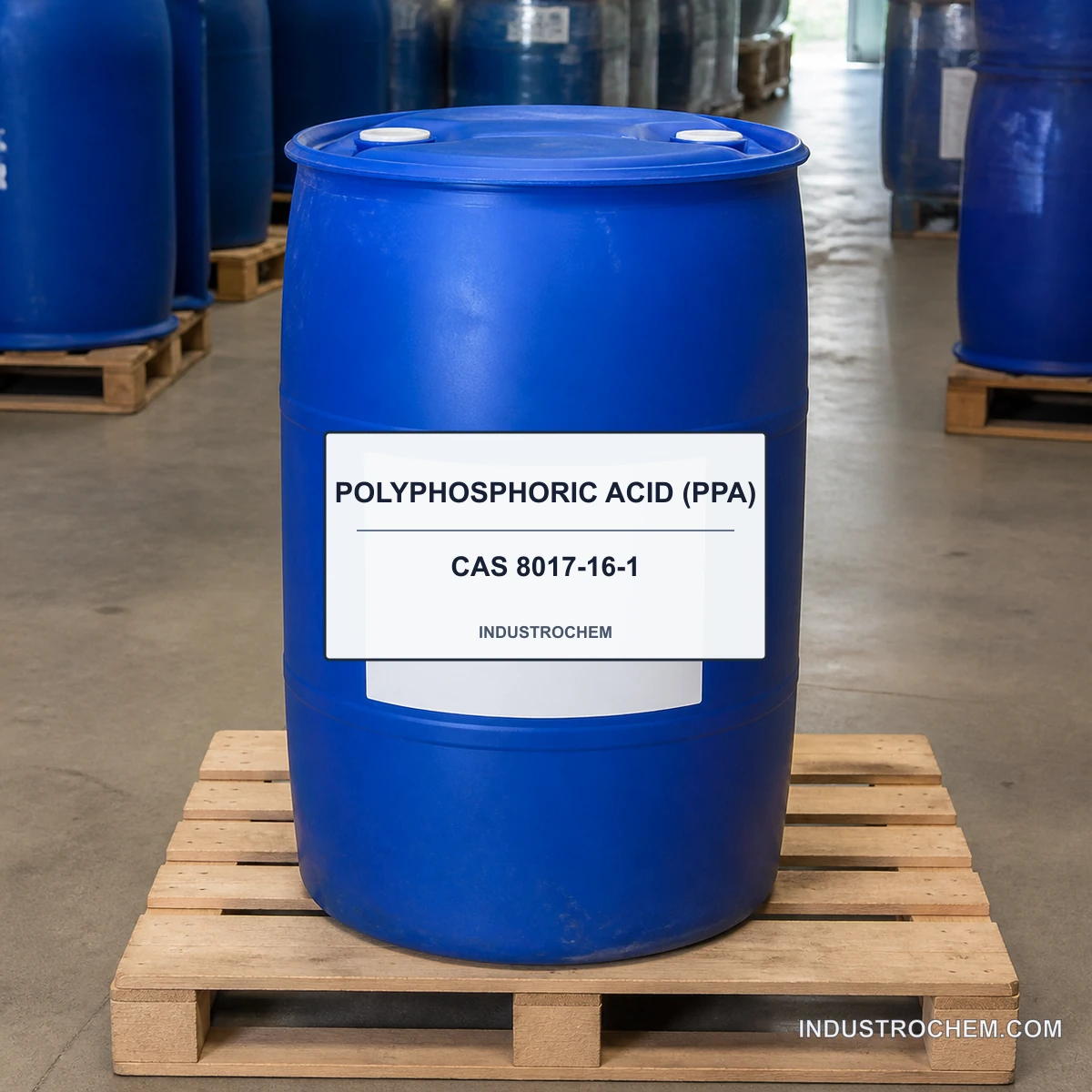
Industrial applications include dehydration and condensation reactions and the manufacture of acidic phosphate esters and Polyphosphoric Acid (PPA). Methanesulfonic Acid is a complementary raw material for P₂O₅/MSA condensation media, including Eaton’s reagent. Neither liquid acid is the same product as solid P₂O₅.
For procurement, specify the P₂O₅ assay, its reporting basis and the agreed method. Acid-base titration is a documented commercial assay method. Grade-specific controls can include lower phosphorus oxides reported as P₂O₃, iron and other relevant impurities. Iodometry is used for lower oxides; ICP-OES or other appropriate elemental methods are used for selected metals. The numerical limits and methods belong to the agreed grade, rather than a universal specification.
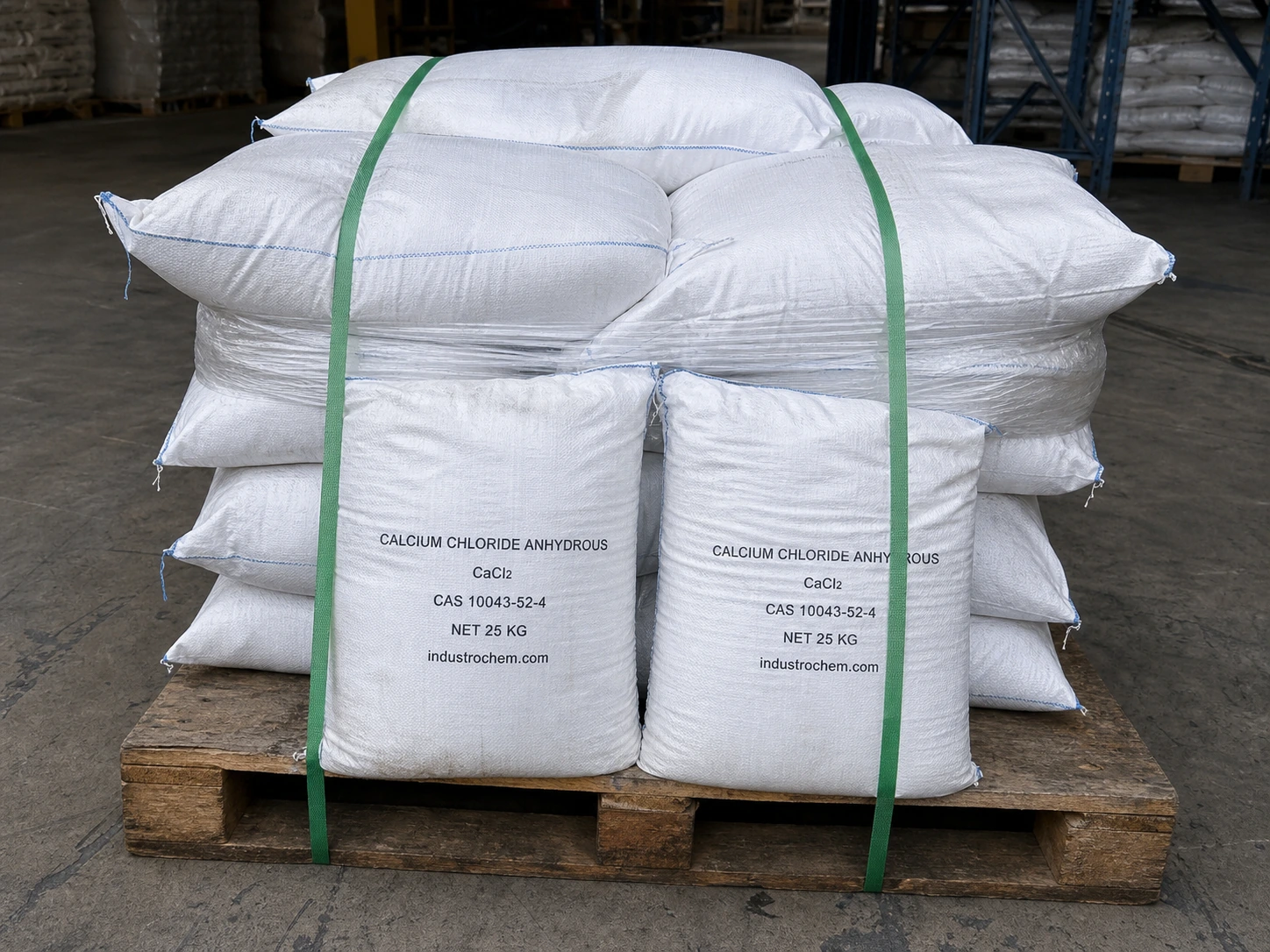
For liquid-drying applications, compare Anhydrous Magnesium Sulfate and Calcium Chloride Anhydrous against the liquid composition, compatibility and required residual water. They do not replace P₂O₅ in every dehydration or condensation process. P₂O₅ powder can cake during gas drying and is not automatically interchangeable with carrier-supported, free-flowing granules.
We can provide a Certificate of Analysis (COA), Technical Data Sheet (TDS) and Safety Data Sheet (SDS) for the quoted grade, with relevant assay and impurity-method information. Send the intended application, required specification, quantity and destination for a quotation.
P₂O₅ reacts vigorously with water, releasing heat and forming phosphoric acids. Keep the material tightly closed and dry, protected from moisture and incompatible materials, and use the applicable SDS for handling. Thermal properties depend on crystalline form and test conditions; a single unqualified melting or boiling point does not describe every grade.
FAQ - Technical & Supply Chain
-
Q:
Are P₂O₅ and P₄O₁₀ the same phosphorus oxide?
A: P₂O₅ is the conventional empirical formula of phosphorus(V) oxide, CAS 1314-56-3. P₄O₁₀ represents its molecular form; polymeric crystalline forms also exist. These formula conventions do not by themselves specify the physical form or commercial grade. -
Q:
Which specifications matter when buying phosphorus pentoxide?
A: The key items are P₂O₅ assay with its reporting basis and test method, relevant impurity limits, physical form and moisture-tight packaging. Lower phosphorus oxides, metals and insoluble matter may be specified according to the grade and process. A titration result is method-dependent and is not automatically a molecule-specific purity measurement. -
Q:
How is phosphorus pentoxide content determined?
A: Acid-base titration is a documented commercial method for P₂O₅ assay. The reported result needs its method and calculation basis; relevant inorganic impurities are checked separately. We can provide assay and impurity-method information for the quoted grade. -
Q:
Does phosphorus pentoxide simply dissolve in water?
A: No. It reacts vigorously with water, releases heat and forms phosphoric acids. It should not be treated as an ordinary water-soluble solid. Moisture exclusion and handling controls must follow the applicable SDS and the intended process. -
Q:
What physical form and packaging should be specified?
A: State the required powder or particle form and any flow or caking requirements relevant to the process. Ordinary P₂O₅ powder is different from carrier-supported granules intended for dynamic gas drying. Packaging must be compatible and moisture-tight; pack size and net quantity are agreed for the order.
Ordering & Documentation
Key information for document requests, quotations, and supply planning.
Documents
Tell us which documents your procurement team needs. Before an order, we will check whether the quoted source can provide them for the offered lot.
Quotation
Send the CAS number, grade, quantity, packing preference and destination.
Sample & Supply
Ask whether samples, trial quantities or repeat orders are possible. We will check each request against the sourced product and current offer.
Storage & Shipping
Product-specific conditions are confirmed before order.