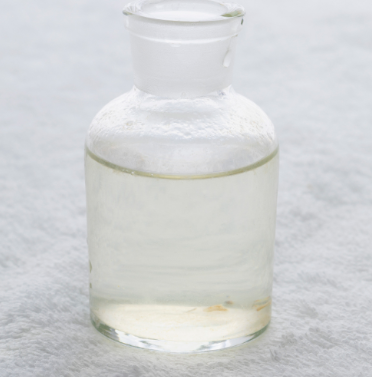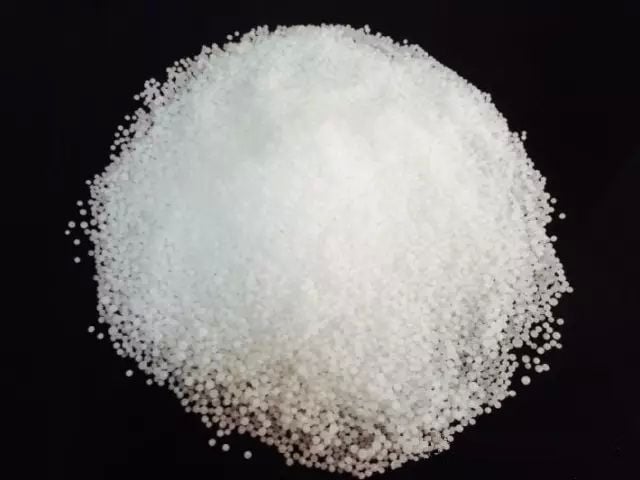










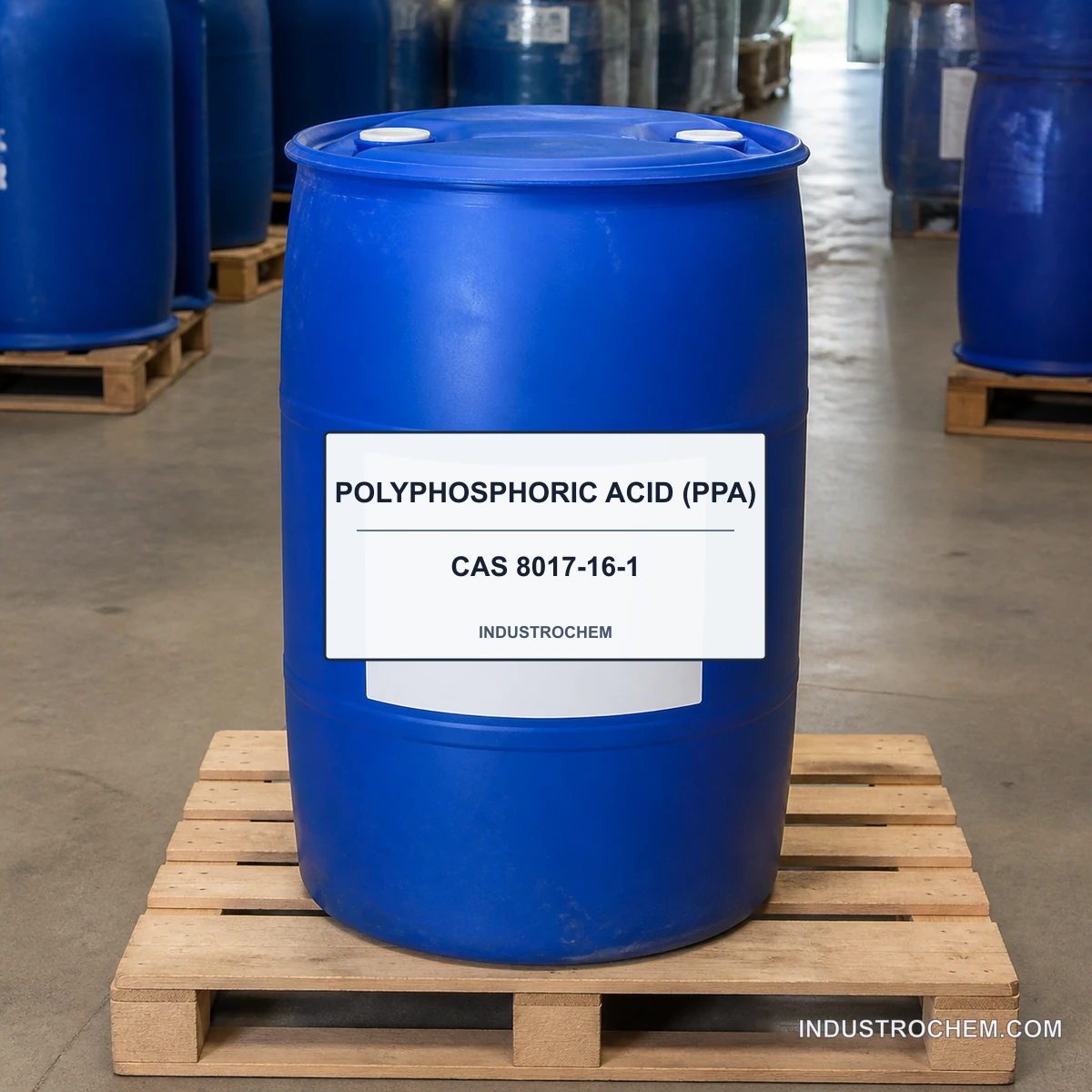
Polyphosphoric Acid (PPA), CAS 8017-16-1, is also known as condensed phosphoric acids or phospholeum. It is a variable condensed-phosphoric-acid mixture used as a process reagent. Confirm the commercial PPA grade or acid-equivalent basis, corresponding P₂O₅ wt.%, acid composition, viscosity, packaging, and applicable lot documents for the intended process.
Polyphosphoric Acid (PPA) CAS 8017-16-1
- CAS: 8017-16-1
- Synonyms: Polyphosphoric acid; PPA; Condensed phosphoric acids; Phospholeum
- Einecs: 232-417-0
- Molecular Formula: No single molecular formula (condensed phosphoric acid mixture)
- Grade: Confirm the commercial PPA grade or acid-equivalent basis and the corresponding P₂O₅ wt.% in the current specification; do not treat values as a fixed molecular formula.
- Package: Confirm packaging compatible with the offered acid composition
Product Description
Product name: Polyphosphoric Acid (PPA)
Appearance: A viscous condensed-phosphoric-acid material; confirm the offered physical form
Chemical identity: PPA is a variable condensed-phosphoric-acid mixture, not a discrete compound with one fixed formula or molecular weight
Molecular formula: No single molecular formula (condensed phosphoric acid mixture)
Molecular weight: Not fixed for a condensed phosphoric acid mixture
CAS number: 8017-16-1
EC number: 232-417-0
Technical parameters: Confirm the commercial PPA grade or acid-equivalent basis, corresponding P₂O₅ wt.%, acid composition, density, and viscosity in the current TDS and COA
Industrial role: Used as a dehydrating, cyclizing, or acidic process reagent where the selected PPA composition is suitable
Offered specification: Confirm the commercial PPA grade or acid-equivalent basis and the corresponding P₂O₅ wt.% in the current specification; do not treat values such as PPA 105 or PPA 116 as P₂O₅ percentages
Buyer information: State the target process, required PPA grade or acid-equivalent basis, corresponding P₂O₅ wt.%, specification limits, quantity, destination, and requested documents
FAQ - Technical & Supply Chain
-
Q:
Is Polyphosphoric Acid the same as Orthophosphoric Acid?
A: No. Polyphosphoric acid, CAS 8017-16-1, is a condensed phosphoric-acid mixture with lower water content and a distribution of chain lengths. Orthophosphoric acid is primarily H₃PO₄. They differ in concentration basis, viscosity and reactivity, so one should not be substituted on the product name alone. -
Q:
What do PPA grades such as 105%, 115% and 116% mean?
A: The percentage is commonly an H₃PO₄-equivalent concentration above 100%, not a conventional purity value. It corresponds to a stated P₂O₅ content and must be tied to the supplier test method. Purchase documents should specify both the PPA grade and the required P₂O₅ or equivalent-acid range. -
Q:
What should be confirmed for bulk Polyphosphoric Acid delivery?
A: Agree concentration, loading temperature, viscosity-handling range, tanker or IBC lining, gasket and valve materials, previous-cargo standard, seals and unloading connection. Receiving equipment may require controlled heating because viscosity rises sharply at lower temperature. Confirm net quantity, current SDS and the batch COA before transfer.
Ordering & Documentation
Key information for document requests, quotations, and supply planning.
Documents
Tell us which documents your procurement team needs. Before an order, we will check whether the quoted source can provide them for the offered lot.
Quotation
Send the CAS number, grade, quantity, packing preference and destination.
Sample & Supply
Ask whether samples, trial quantities or repeat orders are possible. We will check each request against the sourced product and current offer.
Storage & Shipping
Product-specific conditions are confirmed before order.