










Copper(I) Chloride (CuCl), CAS 7758-89-6, is also known as cuprous chloride or copper monochloride. It is a solid copper(I) reagent for controlled synthesis and copper-compound processing. State assay, impurity limits, particle form and quantity to request the current specification, lot COA, SDS, packaging details and quotation.
Copper(I) Chloride (CuCl) CAS 7758-89-6
- CAS: 7758-89-6
- Synonyms: Copper(I) chloride; Cuprous chloride; Copper monochloride; CuCl
- Einecs: 231-842-9
- Molecular Formula: CuCl
- Grade: Confirm on the current specification and lot COA: assay basis, copper(I)/copper(II), insoluble matter, moisture, metal impurities and particle form.
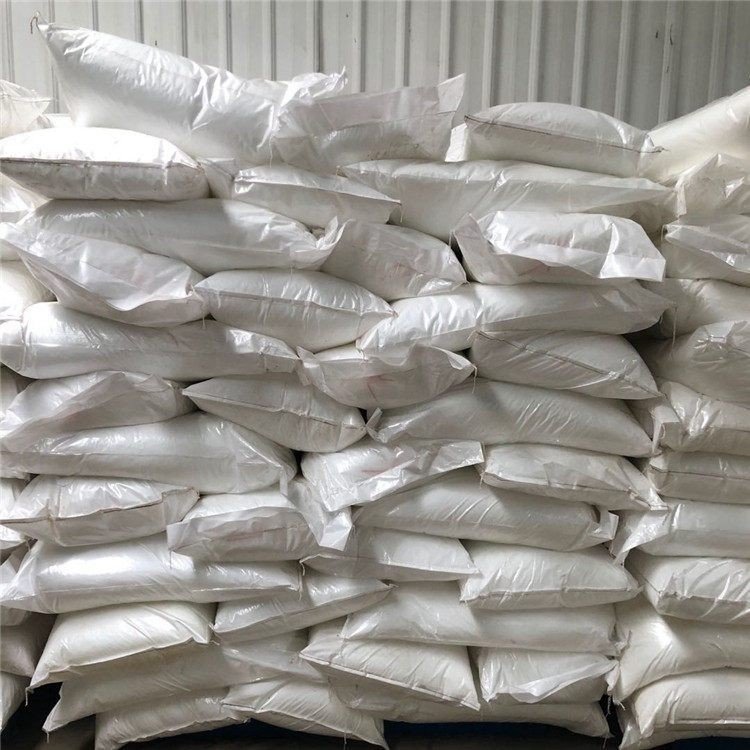
- Package: Moisture- and air-protected compatible packaging; confirm configuration for particle form, quantity, transport route and destination.
Product Description
Appearance: white to grey powder or crystals; some commercial grades allow a slight greenish tint. Assess colour against the agreed specification and Cu(I)/Cu(II) results.
Water solubility: low; confirm the test basis and handling guidance in the current TDS and SDS.
Chemical formula: CuCl
Molar mass: 99.00 g/mol.
CAS Number: 7758-89-6
Reference melting point: approximately 430 °C.
Quality control: distinguish CuCl assay, total copper and Cu(II) impurities. A metals-basis purity does not establish the Cu(I) content. State the analytical method and reporting basis on the COA, with the TDS and SDS for the specified grade.
Reference density: approximately 4.14 g/cm³ at 25 °C.
Industrial uses: copper(I) reagent or catalyst for selected organic synthesis and polymerization systems, and a raw material for copper phthalocyanine pigments. Match CuCl assay, Cu(II) impurities and particle form to the intended process.
FAQ - Technical & Supply Chain
-
Q:
Are Copper(I) Chloride and Cuprous Chloride the same compound?
A: Yes. Copper(I) chloride and cuprous chloride identify CuCl, CAS 7758-89-6. They are not copper(II) chloride or a mixed-valence copper salt. The purchase specification should state the Cu(I) oxidation state, assay basis and maximum Cu(II) content. -
Q:
What are the typical physical properties of Copper(I) Chloride?
A: Copper(I) chloride is a sparingly water-soluble solid with a molar mass of 99.00 g/mol, a reference melting point of about 430 °C and a density of about 4.14 g/cm³ at 25 °C. Commercial grades range from white to grey; a slight greenish tint may be permitted by the specification. Colour alone does not determine the Cu(I) or Cu(II) content. -
Q:
What is Copper(I) Chloride used for?
A: Copper(I) chloride is used as a reagent or catalyst in selected organic synthesis and polymerization systems, and as a raw material for copper phthalocyanine pigments. The required CuCl assay, Cu(II) impurity limit and particle form depend on the process; CuCl is not interchangeable with copper(II) chloride or copper oxychloride. -
Q:
Which specifications matter for industrial Copper(I) Chloride?
A: Specify CuCl assay and test method, Cu(II) impurity limit, total copper where required, moisture or loss on drying, acid-insoluble matter, iron and other application-relevant metals. Validated redox titration, including permanganate titration, is used for Cu(I) assay in manufacturer specifications. A total-copper or metals-basis result alone does not establish Cu(I) content. Request COA/TDS/SDS with the assay basis and agreed impurity tests; GC/HPLC chromatograms are not a routine substitute for these results. -
Q:
What should be confirmed before bulk Copper(I) Chloride delivery?
A: Agree quantity, particle form, moisture- and air-protective packaging, destination and the required COA/TDS/SDS before shipment. Keep containers tightly sealed and follow the SDS for dry storage and any inert-gas requirement. If appearance changes after air or moisture exposure, review the agreed colour limits and Cu(I)/Cu(II) results before use.
Ordering & Documentation
Key information for document requests, quotations, and supply planning.
Documents
Tell us which documents your procurement team needs. Before an order, we will check whether the quoted source can provide them for the offered lot.
Quotation
Send the CAS number, grade, quantity, packing preference and destination.
Sample & Supply
Ask whether samples, trial quantities or repeat orders are possible. We will check each request against the sourced product and current offer.
Storage & Shipping
Product-specific conditions are confirmed before order.