









• Trimethylolpropane CAS 77-99-6
  • Trimethylolpropane CAS 77-99-6

Trimethylolpropane CAS 77-99-6

Trimethylolpropane (CAS 77-99-6), chemically designated as 2-ethyl-2-(hydroxymethyl)propane-1,3-diol, is a trihydric alcohol typically supplied as a white crystalline flake or powder. Commonly abbreviated as TMP, this polyol serves as a pivotal cross-linking agent and branching monomer in the synthesis of saturated polyesters, alkyd resins, and polyurethane elastomers. It is extensively processed into acrylates for UV-curable coatings and synthetic lubricants for high-performance applications. We provide this industrial material with competitive factory pricing to support continuous manufacturing operations, alongside options for customized specifications. Essential technical documentation, including MSDS, TDS, COA, is readily available for all bulk supply orders.

  • CAS: 77-99-6
  • Synonyms: TMP, 1,1,1-Trimethylolpropane, 2-ethyl-2-(hydroxymethyl)propane-1,3-diol, Propylidynetrimethanol, Hexaglycerine
  • Einecs: 201-074-9
  • Molecular Formula: C6H14O3
  • Grade: Industrial grade 99%
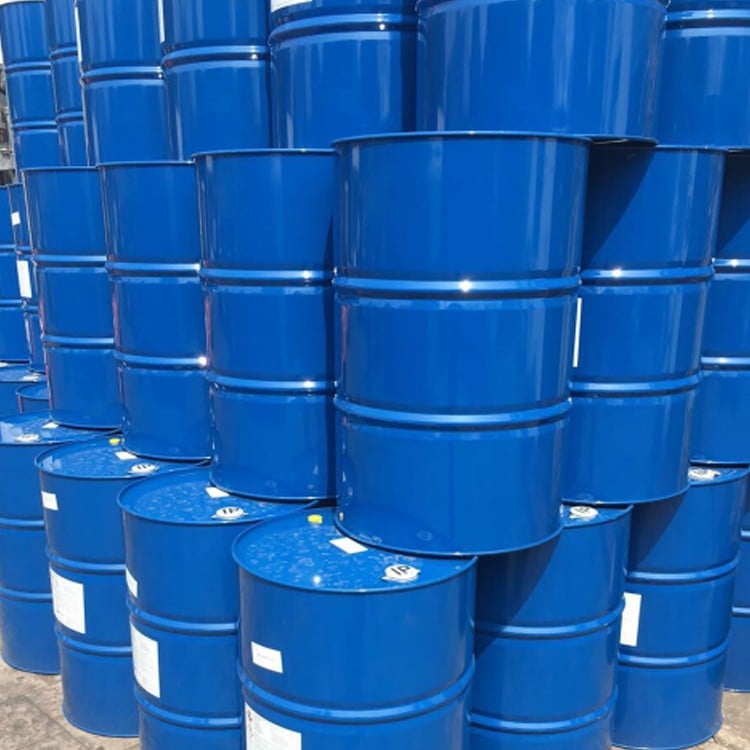
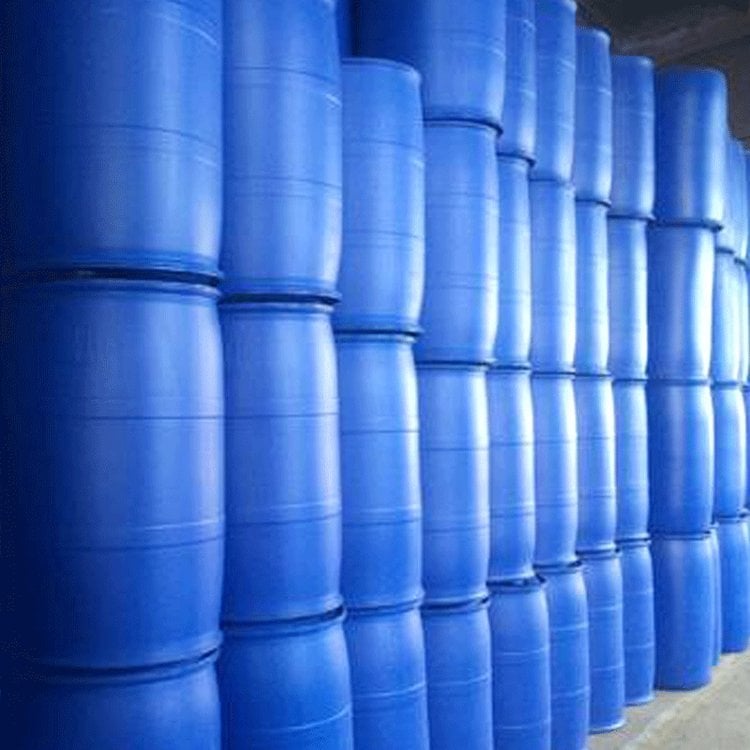
  • Package: 200kg iron drum or 50kg plastic drum packing
Request a quote
Share:

Product Description

Trihydroxymethylpropane (TMP) is a white flake crystal. It is easily soluble in water, low-carbon alcohol, glycerin, N,N-dimethylformamide, partially soluble in acetone, ethyl acetate, and slightly soluble in carbon tetrachloride, ether and chloroform. It is mainly used in alkyd resins, polyurethanes, unsaturated resins, polyester resins, coatings and other fields, and can also be used in the synthesis of aviation lubricants, printing inks, etc., and can also be used as textile auxiliaries and heat stabilizers for polyvinyl chloride resins.

Characteristics: White flaky crystals.

Density: 1.116g/ml

Melting point: 56-60°C

Boiling point: 295.7°C (760 mmHg)

Flash point: 172°C

Solubility: easily soluble in water, low-carbon alcohol, glycerin, N,N-dimethylformamide, partially soluble in acetone, ethyl acetate, slightly soluble in carbon tetrachloride, ether and chloroform, insoluble in aliphatic hydrocarbons, aromatic hydrocarbons and chlorinated hydrocarbons. Its hygroscopicity is about 50% of glycerin

Main uses:

Trihydroxymethylpropane is an important fine chemical product, and it is a commonly used chain expander in the resin industry. It has a low melting point and three hydroxymethyl groups in its molecular structure, which can react with organic acids to form monoesters or polyesters, react with aldehydes and ketones to form acetal and acetone, and react with diisocyanates to form carbamate.

The products are mainly used in alkyd resin, polyurethane, unsaturated resin, polyester resin, coating and other fields, and can also be used to synthesize aviation lubricants, plasticizers, surfactants, wetting agents, explosives, printing inks, etc., and can also be used as textile auxiliaries and heat stabilizers for polyvinyl chloride resins.

FAQ - Technical & Supply Chain

  • Q:

    Does the CAS registry number 77-99-6 definitively identify this specific triol?

    A: Yes, CAS 77-99-6 is the unique numerical identifier for Trimethylolpropane (TMP), distinguishing it from other polyols like Pentaerythritol or Neopentyl Glycol.
  • Q:

    Is this material suitable for synthesizing high-gloss alkyd resins?

    A: Yes, this grade is commonly intended for use in the polymerization of alkyd resins to enhance hardness, gloss retention, and chemical resistance in the final coating matrix.
Documents

Documents and Product Support

For product review and sourcing evaluation, supporting documents can be coordinated according to the product type, inquiry stage, and order requirements.

  • COA for batch-based quality reference
  • TDS for key physical and chemical information
  • SDS / MSDS for handling, storage, and safety reference
  • Packing information for sample, trial, and bulk orders
  • Technical communication based on application and specification requirements
Quotation

Information to Confirm Before Quotation

Clear sourcing information helps reduce specification mismatch and allows a more accurate quotation before sample or bulk order discussion.

  • Product name and CAS number
  • Application or intended end use
  • Required purity, grade, or specification
  • Sample quantity, trial order, or bulk demand
  • Preferred packing form or net weight
  • Destination country or port
  • Required documents or compliance expectations
Storage & Handling

Packaging, Storage, and Handling Notes

Packaging form, storage conditions, shelf life, and shipment arrangements should be confirmed according to the product characteristics, package size, and destination requirements.

Before order confirmation, buyers are advised to review the corresponding product documents and confirm whether any special storage, labeling, or handling requirements apply.

Supply Support

Sample, Bulk Order and Repeat Supply Support

Support can be arranged for sample discussion, bulk supply planning, packaging confirmation, and routine sourcing communication based on the actual product and order requirements.

For repeat-use formulations or long-term procurement plans, buyers may discuss specification consistency, packaging preferences, delivery expectations, and document coordination in advance.

Contact Form

Use our contact form to send us your questions, suggestions or comments. We will respond as soon as possible.