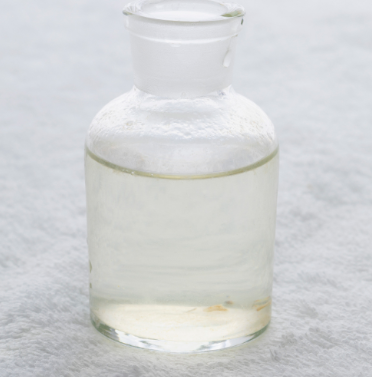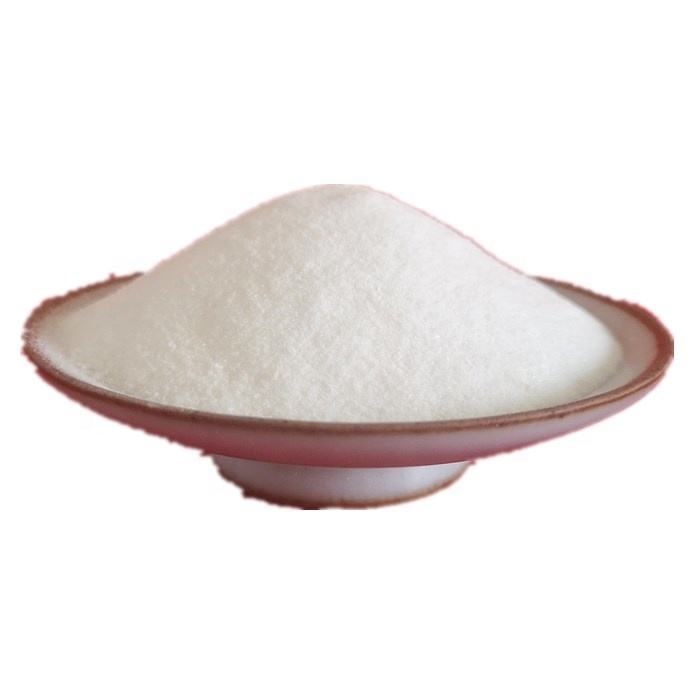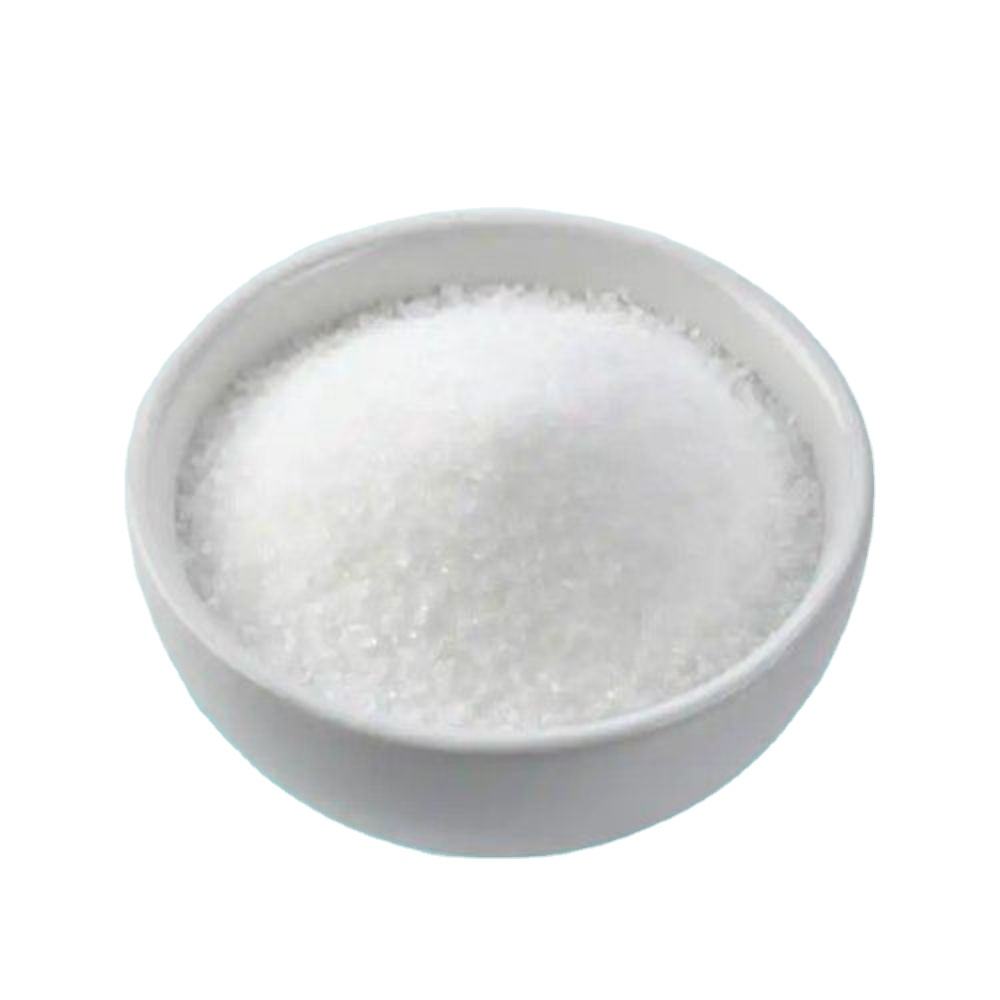










Sodium Hypophosphite, CAS 7681-53-0, is also known as sodium phosphinate or sodium hydrogen phosphinate. It is an inorganic hypophosphite salt used in electroless nickel plating and chemical reduction systems. For procurement review, confirm the hydrate state, active content, relevant impurity limits, and offered form, packaging, and applicable safety documentation.
Sodium Hypophosphite CAS 7681-53-0
- CAS: 7681-53-0
- Synonyms: Sodium hypophosphite; Sodium phosphinate; Sodium hydrogen phosphinate
- Einecs: 231-669-9
- Molecular Formula: NaH₂PO₂
- Grade: Confirm current product specification
- Package: Confirm packaging for the offered form
Product Description
Product name: Sodium Hypophosphite
CAS number: 7681-53-0
Molecular formula: NaH₂PO₂
Molecular weight: 87.98 g/mol
EC number: 231-669-9
Other names: Sodium hypophosphite; Sodium phosphinate; Sodium hydrogen phosphinate
Chemical class: an inorganic hypophosphite salt
Identity check: Sodium hypophosphite is also called sodium phosphinate and is identified by CAS 7681-53-0.
Sodium Hypophosphite is an inorganic hypophosphite salt used in electroless nickel plating and chemical reduction systems.
FAQ - Technical & Supply Chain
-
Q:
Is CAS 7681-53-0 the same as the monohydrate CAS?
A: No. CAS 7681-53-0 refers to sodium hypophosphite (NaH₂PO₂); the monohydrate NaH₂PO₂·H₂O has CAS 10039-56-2. Before comparing offers, confirm the actual hydrate state, CAS number, assay basis and batch specification. Hypophosphorous acid and sodium phosphite are different substances. -
Q:
Which specifications matter for electroless nickel-grade Sodium Hypophosphite?
A: Agree assay and reducing-value basis, water-insoluble matter, chloride, sulfate, phosphite or phosphate, pH and application-relevant metals such as iron, calcium and heavy metals. Particle form and dissolution behavior may also affect solution preparation. Compare the batch COA and test methods with the plating-bath specification before qualification. -
Q:
How should bulk Sodium Hypophosphite be packed and documented?
A: Specify net weight, a moisture-barrier liner, closure, palletization and acceptable caking for the offered form. Check seals and minimize exposure to humid air during sampling. Confirm the current SDS, lot traceability and destination-country import or precursor documentation before shipment, as regulatory controls can vary by market.
Ordering & Documentation
Key information for document requests, quotations, and supply planning.
Documents
Tell us which documents your procurement team needs. Before an order, we will check whether the quoted source can provide them for the offered lot.
Quotation
Send the CAS number, grade, quantity, packing preference and destination.
Sample & Supply
Ask whether samples, trial quantities or repeat orders are possible. We will check each request against the sourced product and current offer.
Storage & Shipping
Product-specific conditions are confirmed before order.