
Chemical products
  • Sodium Sulfite Anhydrous CAS 7757-83-7
  • Sodium Sulfite Anhydrous CAS 7757-83-7

Sodium Sulfite Anhydrous CAS 7757-83-7

Sodium sulfite anhydrous, CAS 7757-83-7, is a water-soluble inorganic reducing agent supplied as a dry crystalline material. It is used in boiler-water oxygen removal, industrial dechlorination, and pulp, paper and textile processing.

For bulk enquiries, share your application and quantity so we can discuss the appropriate specification, packing and quotation.
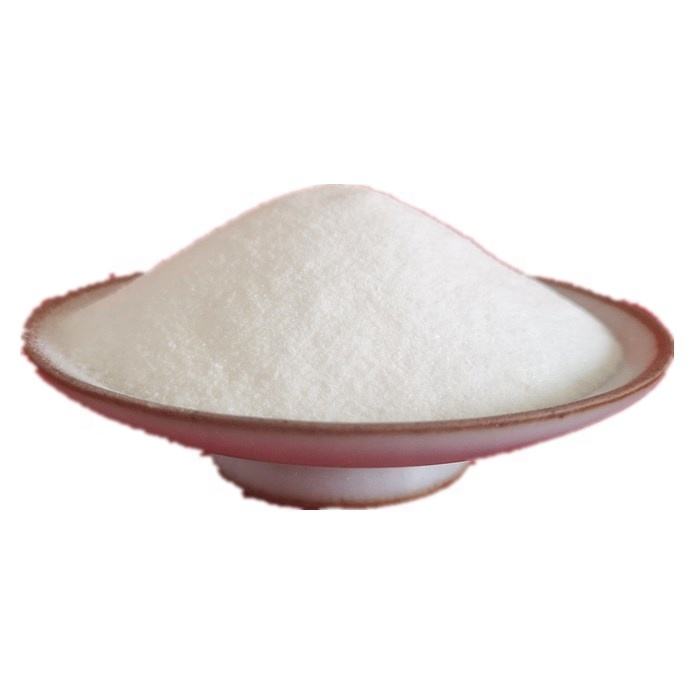
  • CAS: 7757-83-7
  • Synonyms: Anhydrous sodium sulfite; sodium sulphite anhydrous; disodium sulfite; sulfurous acid, disodium salt
  • Einecs: 231-821-4
  • Molecular Formula: Na₂SO₃
  • Grade: Specification agreed for the intended industrial application
  • Package: Packing requirements agreed with the quotation
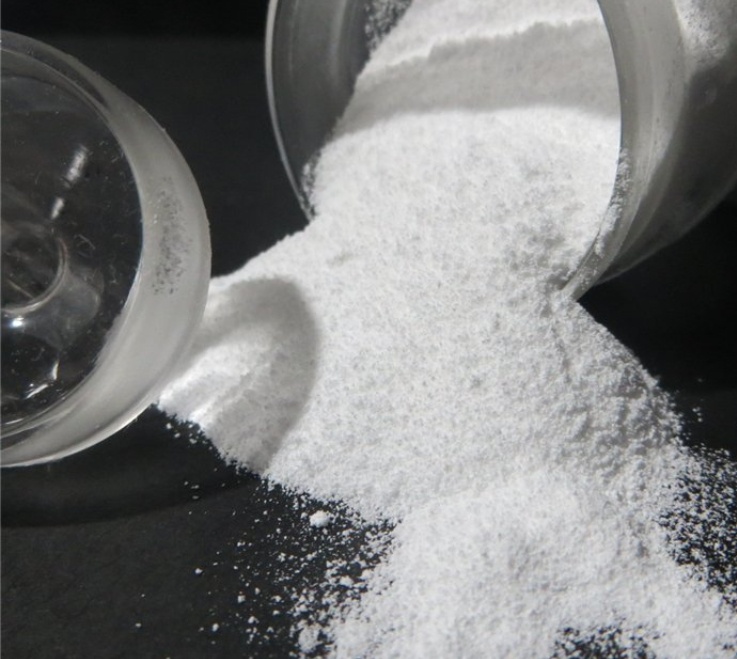
  • Physical form: Crystalline powder or granules
  • Appearance: White to pale yellow
  • Molecular weight: 126.04 g/mol
  • Water solubility: Soluble; aqueous solutions are alkaline
Request a quote
Share:

Product Description

Industrial Applications

Sodium sulfite is also spelled sodium sulphite; this page covers the anhydrous form, CAS 7757-83-7. It is used as an oxygen scavenger in boiler-water treatment and as a reducing agent for excess chlorine in industrial water and wastewater. Selection and dosing depend on the treatment system and operating conditions; a dry chemical is not a complete treatment programme.

In pulp and paper processing, sodium sulfite is used in sulfite-based pulping operations. Textile and chemical processors also use its reducing or sulfonating action. Match the product specification to the particular process rather than assuming that one grade suits every application.

Selecting the Product Specification

For anhydrous material, agree the sodium sulfite assay and any limits needed for chloride, iron or insoluble matter. If your process specifies a catalyst, identify that requirement separately: a catalysed oxygen-scavenger formulation should not be treated as interchangeable with unformulated sodium sulfite. Food, pharmaceutical and other controlled uses require a separately specified grade and supporting documentation.

Your quotation should state the agreed specification and acceptance criteria. Share an existing specification if you have one, or tell us the intended use so we can discuss the relevant acceptance criteria. Compare the applicable COA with the agreed purchase specification.

Packing and Storage

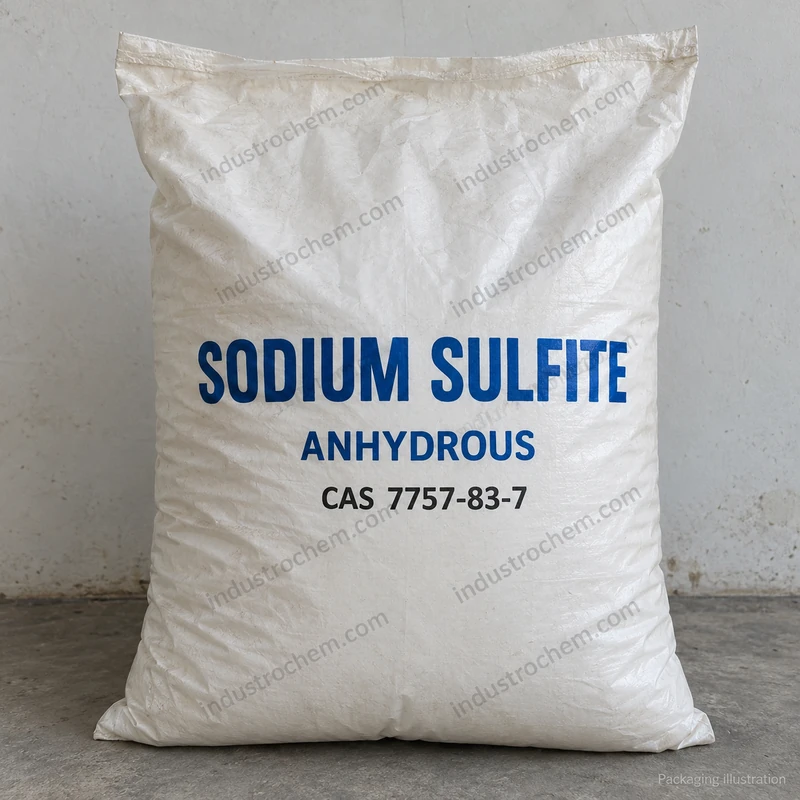
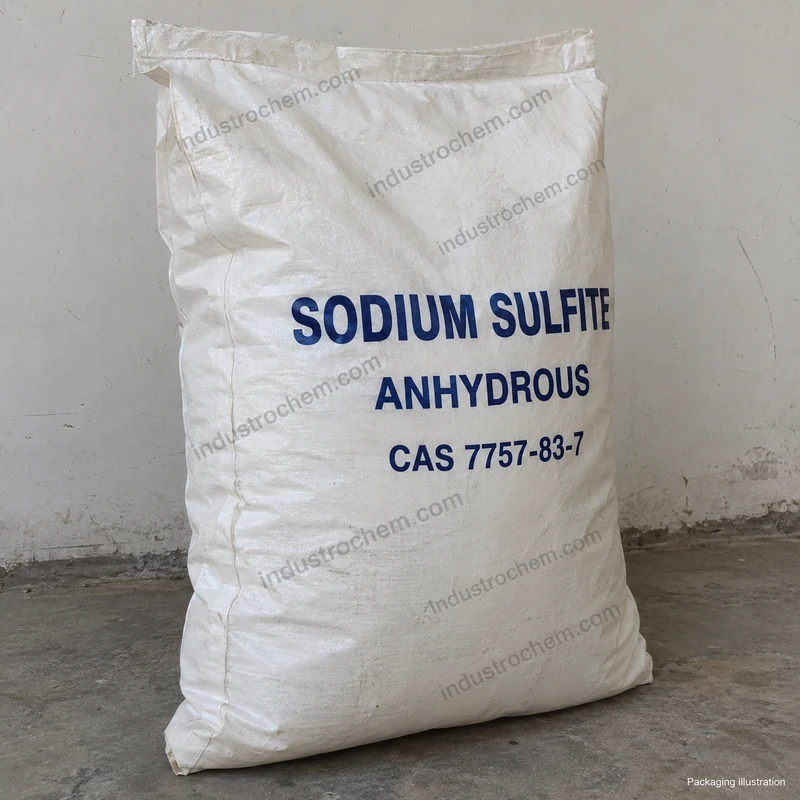
Sealed industrial bags are an established packing format for anhydrous sodium sulfite. Tell us your handling and packing requirements when requesting a quotation; the packing supplied is agreed for the order.

Keep the material dry and tightly closed in a cool, ventilated storage area. Separate it from acids and oxidising agents: contact with acids can release sulfur dioxide. Follow the Safety Data Sheet for the supplied product, including dust-control and handling precautions.

Quality Documents and Bulk Enquiries

We can provide a Certificate of Analysis (COA), Technical Data Sheet (TDS) and Safety Data Sheet (SDS) for the applicable product. These documents support specification review, receiving inspection and handling decisions.

For a bulk sodium sulfite quotation, contact us with your application and approximate quantity. Add your target specification, preferred packing or destination if available; we can discuss the remaining details with you.

Related Process Chemicals

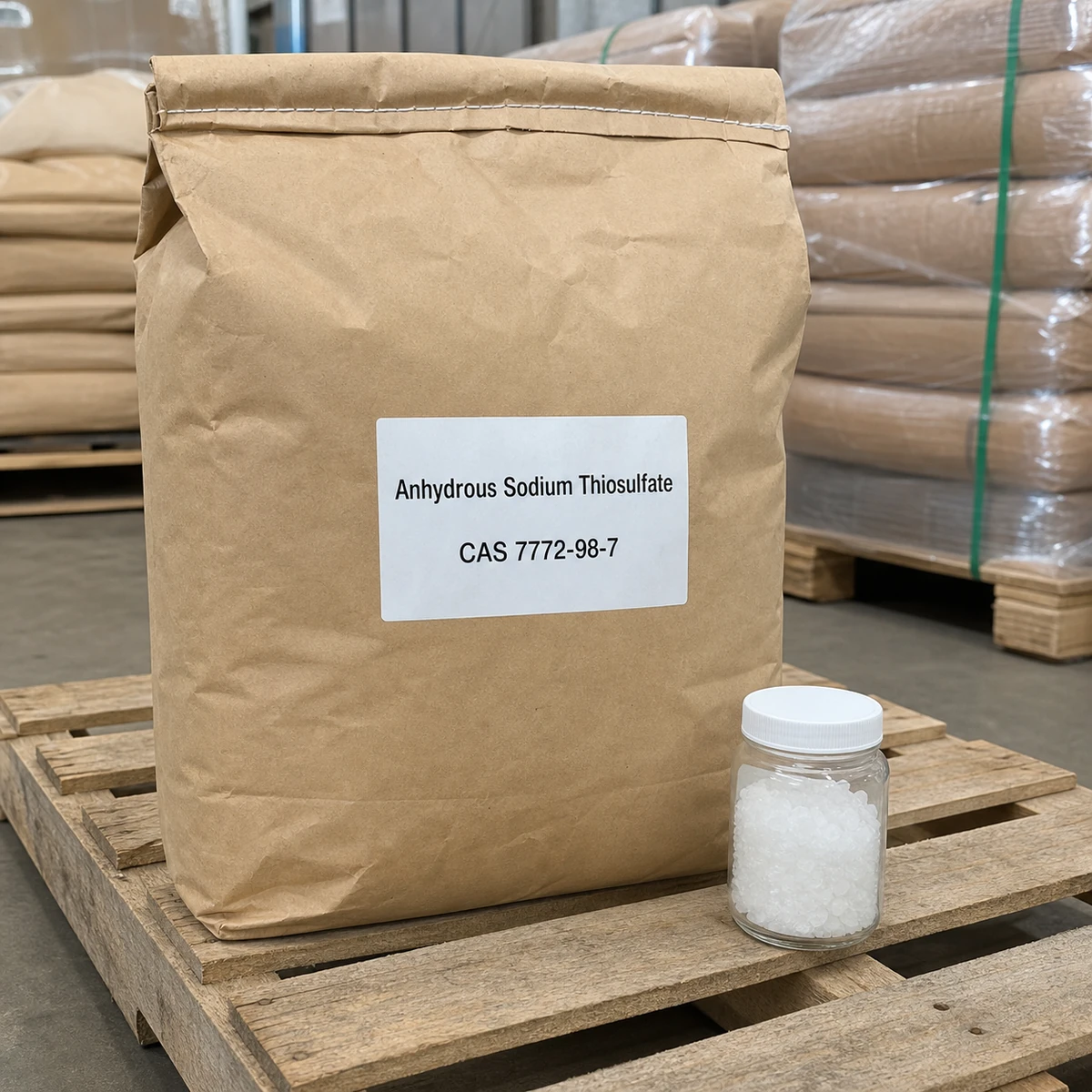
For reducing-agent selection, compare sodium metabisulfite with sodium sulfite on the appropriate content and solution-pH basis. anhydrous sodium thiosulfate is a separate option used in chlorine-removal applications. These products require their own dosing and compatibility assessment.

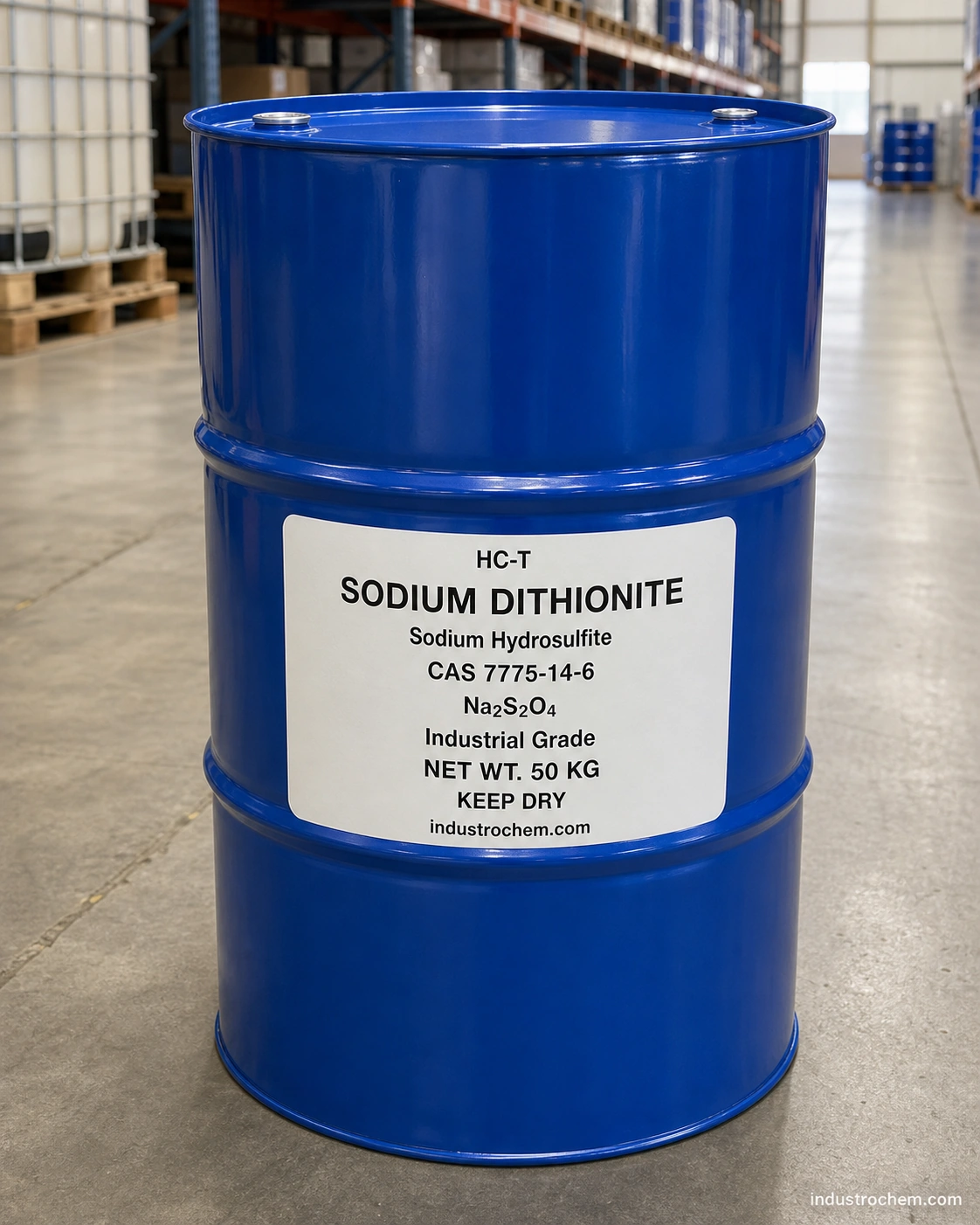
For textile and pulp processing, sodium dithionite (sodium hydrosulfite) is another reducing chemical with different reactivity and handling requirements. sodium carbonate serves a different role where alkalinity is required. These links support process-material selection and do not imply direct substitution or a mixing recommendation.

Sodium Sulfite Anhydrous, CAS 7757-83-7, sealed off-white industrial sack, packaging illustration
Packaging illustration. Actual packing is agreed with the quotation.

FAQ - Technical & Supply Chain

  • Q:

    Is sodium sulfite the same as sodium sulfate?

    A: No. Sodium sulfite is Na₂SO₃, CAS 7757-83-7; sodium sulfate is Na₂SO₄, CAS 7757-82-6. They are different chemicals, and sodium sulfate is not a substitute for the reducing and oxygen-scavenging role of sodium sulfite.
  • Q:

    How does anhydrous sodium sulfite differ from a sodium sulfite solution?

    A: The anhydrous product is a dry solid, while a solution contains sodium sulfite dissolved in water. Compare the specified sodium sulfite content and dosing basis when selecting between them; equal product weights do not deliver equal amounts of sodium sulfite.
  • Q:

    What information helps you quote bulk sodium sulfite?

    A: Send us your application and approximate quantity. If available, include the target assay, any catalyst or impurity restrictions, preferred packing and destination. We can discuss the remaining specification and order details with you.

Ordering & Documentation

Key information for document requests, quotations, and supply planning.

Documents

Tell us which documents your procurement team needs. Before an order, we will check whether the quoted source can provide them for the offered lot.

Quotation

Send the CAS number, grade, quantity, packing preference and destination.

Sample & Supply

Ask whether samples, trial quantities or repeat orders are possible. We will check each request against the sourced product and current offer.

Storage & Shipping

Product-specific conditions are confirmed before order.

Contact Form

Use our contact form to send us your questions, suggestions or comments. We will respond as soon as possible.
For a quotation, please include the product name or CAS number, quantity, grade or application, and destination country or port. Tell us if you need a sample, COA, TDS or SDS.