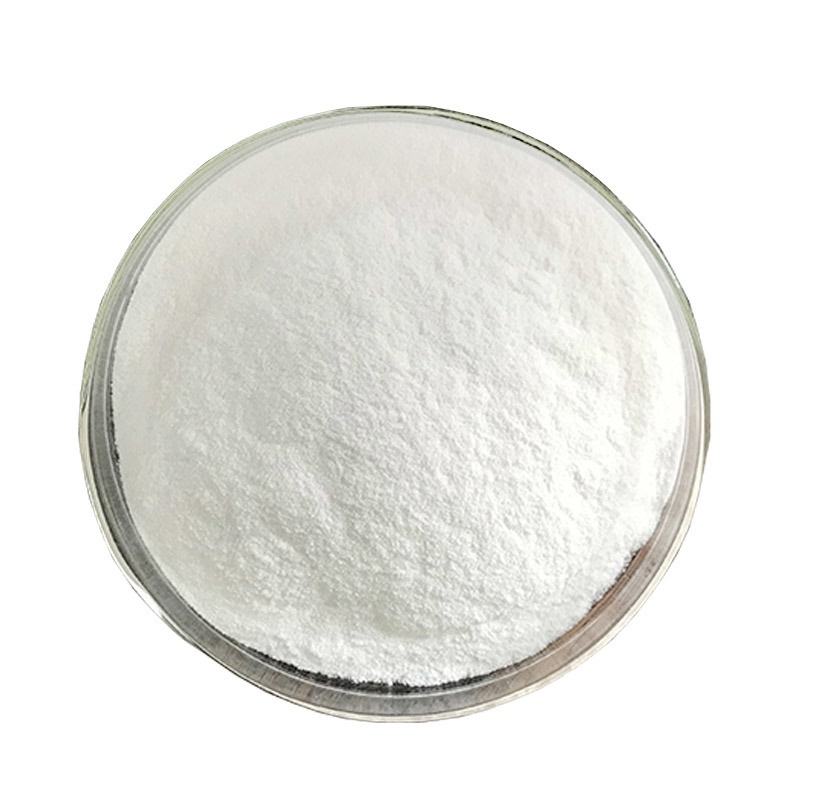
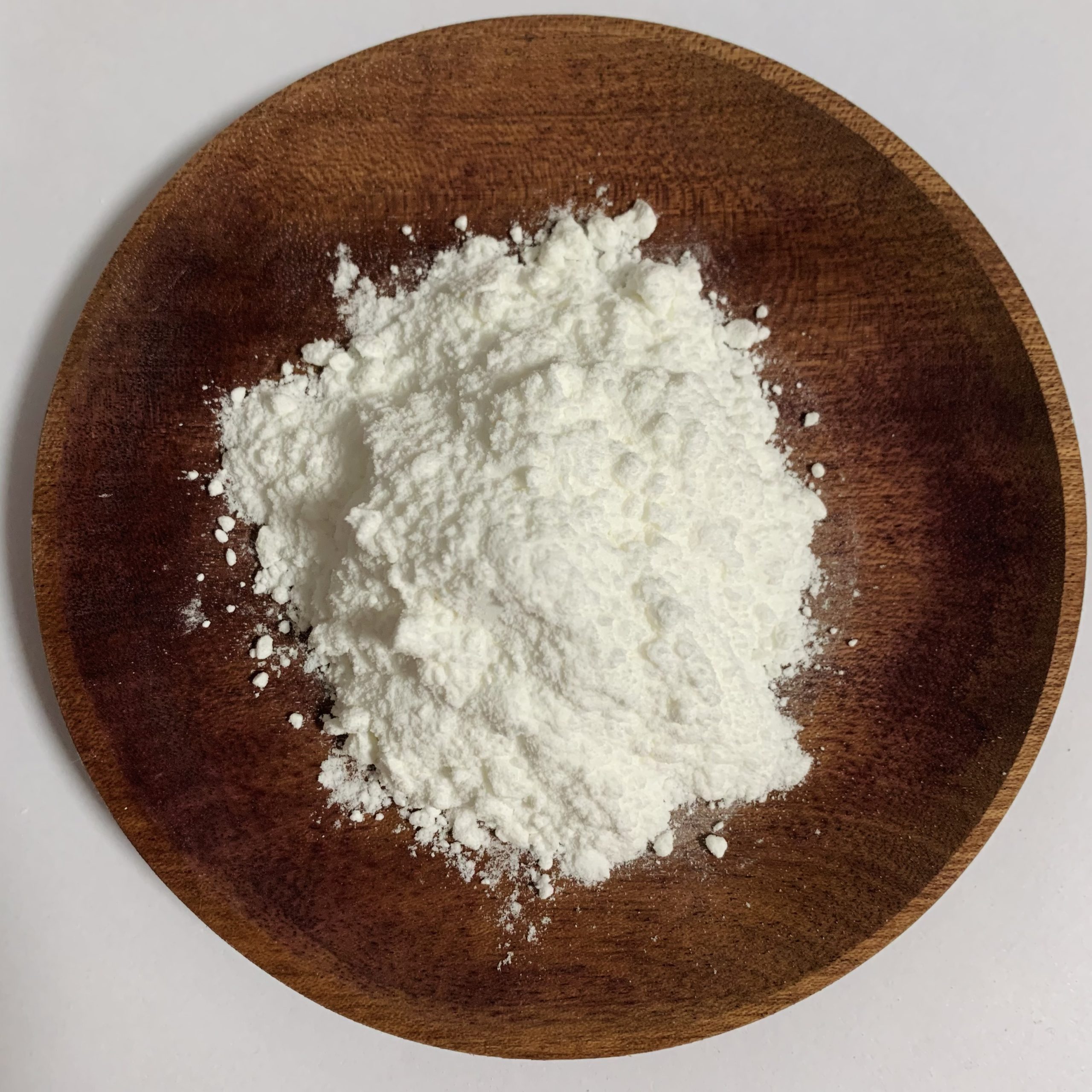
Inositol Niacinate, CAS 6556-11-2, is also known as inositol hexanicotinate. It is an inositol ester of nicotinic acid. Confirm offered form, assay and impurity requirements, packaging, intended application and document needs before requesting quotation.
Inositol Niacinate CAS 6556-11-2
- CAS: 6556-11-2
- Synonyms: Inositol niacinate; Inositol hexanicotinate; Hexanicotinate of inositol; Inositol niacin ester
- Einecs: 229-485-9
- Molecular Formula: C₄₂H₃₀N₆O₁₂
- Grade: Confirm offered form, assay and impurity requirements, packaging, intended application and document needs.
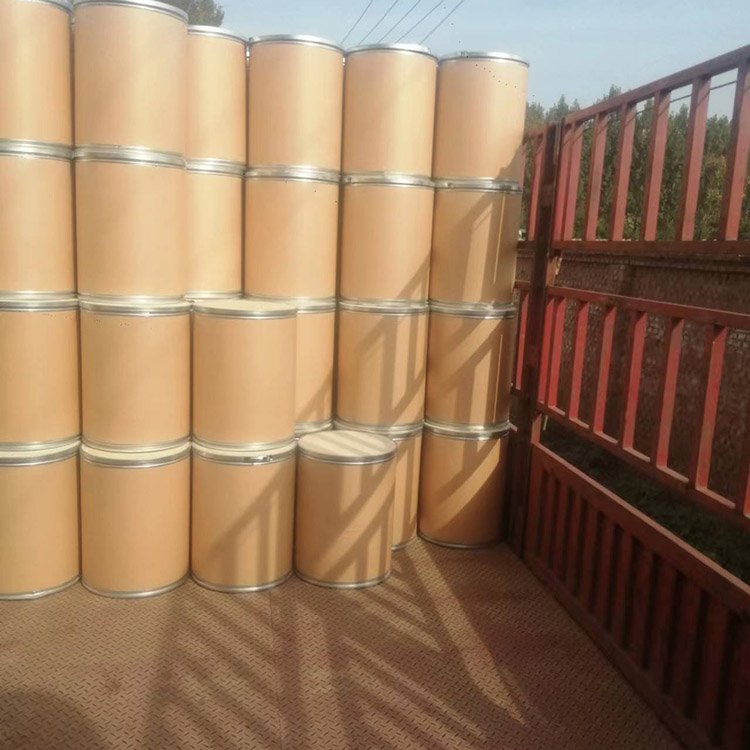
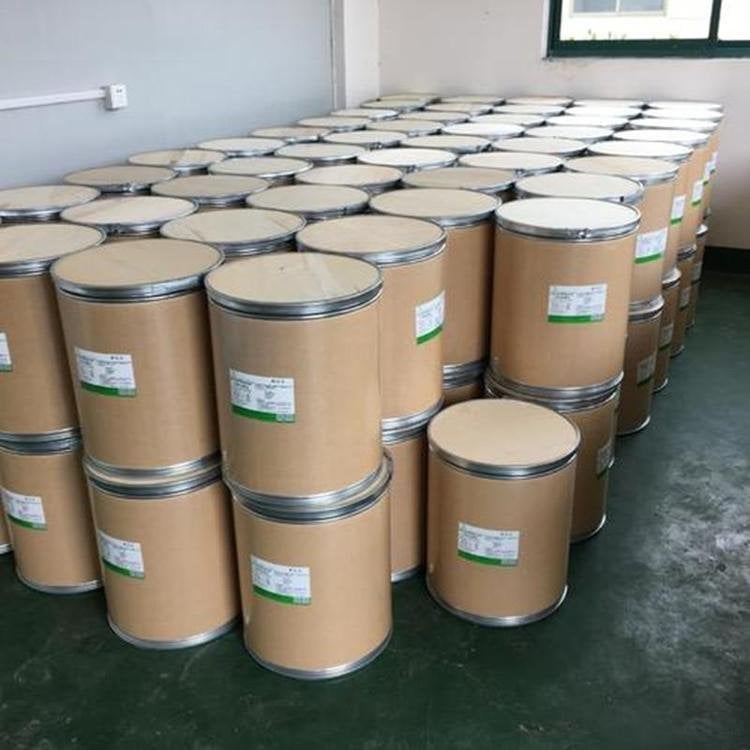
- Package: Confirm packaging compatible with the offered form and destination requirements.
Product Description
Product name: Inositol Niacinate
Synonyms: Inositol niacinate; Inositol hexanicotinate; Hexanicotinate of inositol; Inositol niacin ester
CAS number: 6556-11-2
EC number: 229-485-9
Molecular formula: C₄₂H₃₀N₆O₁₂
Molecular weight: 810.72
Chemical identity: Inositol Niacinate, CAS 6556-11-2, is an inositol ester of nicotinic acid, also called inositol hexanicotinate.
Identity boundary: Inositol niacinate and inositol hexanicotinate are two names for the same substance; do not infer a BP standard, assay, health effect or dosage form.
Commercial form: Confirm the offered physical form in the current product-specific specification.
Physical data: Confirm current physical-property data in the product-specific specification.
Grade and content: Confirm offered form, assay and impurity requirements, packaging, intended application and document needs.
Impurity limits: Confirm offered form, assay and impurity requirements, packaging, intended application and document needs.
Compliance status: Confirm local regulatory suitability for the intended use before procurement.
Documents: Request current product-specific specifications, packaging details and document availability.
Packaging: Confirm packaging compatible with the offered form and destination requirements.
Handling and storage: Use the current product-specific SDS for handling and storage.
Application boundary: Confirm suitability for the buyer’s formulation and regulatory context before procurement.
Regulatory check: Confirm local regulatory suitability for the intended use before procurement.
Buyer requirements: Confirm offered form, assay and impurity requirements, packaging, intended application and document needs.
RFQ information: State the required form, quantity, intended use, destination and required documents in the RFQ.
Material suitability: Confirm suitability for the buyer’s formulation and regulatory context before procurement.
Documents: Request current product-specific specifications, packaging details and document availability.
FAQ - Technical & Supply Chain
-
Q:
What substance does Inositol Niacinate, CAS 6556-11-2, identify?
A: Inositol Niacinate, CAS 6556-11-2, is an inositol ester of nicotinic acid, also called inositol hexanicotinate. The two names identify the same substance; do not infer a BP standard, assay, health effect or dosage form from the chemical identity alone. -
Q:
What intended applications should be confirmed before procurement?
A: Confirm the intended application and local regulatory suitability before procurement. The page does not establish a therapeutic, dietary-supplement or compendial claim, so the buyer must assess whether the offered grade and documents support the specific use. -
Q:
Which specifications should be agreed for Inositol Niacinate?
A: Confirm offered physical form, assay and impurity requirements, packaging, intended application and document needs. Ask for the assay basis and relevant impurity limits on the batch specification, and do not compare quotations without aligning the specification. -
Q:
What packaging and physical form should be specified?
A: Confirm the offered physical form in the current product-specific specification and select packaging compatible with the offered form and destination requirements. Request the current product specification for the exact material being quoted. -
Q:
What are the typical appearance, melting range and solubility of Inositol Niacinate?
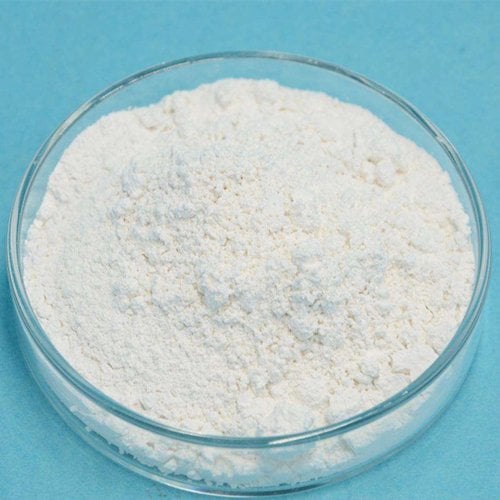
A: Inositol niacinate CAS 6556-11-2, formula C42H30N6O12 and molecular weight 810.72, is normally a white or off-white crystalline powder with a melting range commonly near 254-262 C. It is essentially insoluble in water, so confirm the offered form, melting range and assay basis rather than assuming compendial or supplement status.
Ordering & Documentation
Key information for document requests, quotations, and supply planning.
Documents
Tell us which documents your procurement team needs. Before an order, we will check whether the quoted source can provide them for the offered lot.
Quotation
Send the CAS number, grade, quantity, packing preference and destination.
Sample & Supply
Ask whether samples, trial quantities or repeat orders are possible. We will check each request against the sourced product and current offer.
Storage & Shipping
Product-specific conditions are confirmed before order.