










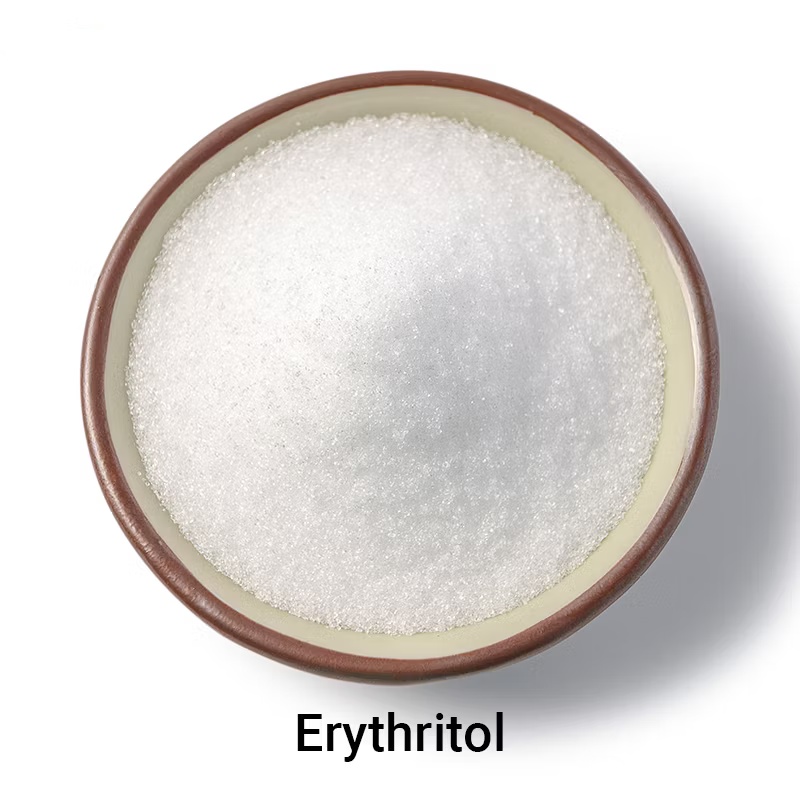
• Erythritol CAS 149-32-6

Erythritol CAS 149-32-6

Erythritol (CAS 149-32-6), chemically identified as (2R,3S)-butane-1,2,3,4-tetrol, is a four-carbon sugar alcohol functioning as a non-caloric bulk sweetener and taste modifier in functional food and beverage formulation. This crystalline polyol, also technically referred to as meso-erythritol or tetrahydroxybutane, acts as a bulking agent with high digestive tolerance to replace sucrose in low-glycemic and keto-friendly product lines. We provide bulk supply of this food-grade ingredient with competitive factory pricing to optimize production costs for confectionery manufacturers. Our quality management system ensures high purity standards, making MSDS, TDS, COA available alongside customized specifications to meet specific mesh size or granulation needs.

  • CAS: 149-32-6
  • Synonyms: meso-erythritol, (2R,3S)-butane-1,2,3,4-tetrol, 1,2,3,4-butanetetrol, tetrahydroxybutane, butane-1,2,3,4-tetrol
  • Einecs: 205-737-3
  • Molecular Formula: C₄H₁₀O₄
  • Grade: Food Grade (FCC/JECFA compliant); Pharmaceutical/High-purity grade on request
  • Package: 25 kg paper-plastic composite bags with PE inner liner; 500–1000 kg jumbo bags or customized packaging available
Request a quote
Share:

Product Description

Erythritol is a high-purity, fermented polyol widely used as a zero-calorie bulk sweetener in food, beverage and nutraceutical formulations. It offers about 60–70% of the sweetness of sucrose, with a clean taste, excellent digestive tolerance and no impact on blood glucose or insulin levels. Thanks to its high thermal and pH stability, it is suitable for a wide range of processing conditions from baked goods to RTD drinks.

📧 Email: info@industrochem.com to request the latest factory price, COA/TDS/MSDS and sample support.

Physicochemical Properties

ItemSpecification / Typical Value
AppearanceWhite, free-flowing crystalline powder or granules
Odor & TasteOdorless, clean sweet taste with light cooling effect
Assay (on dry basis)≥ 99.5%
IdentificationPositive
Melting Point119–123 °C
Solubility in Water (25 °C)Approx. 37 g / 100 g water
pH (20% aqueous solution, 25 °C)5.0 – 7.0
Moisture (Loss on Drying)≤ 0.20%
Residue on Ignition (Ash)≤ 0.10%
Bulk Density0.70 – 0.90 g/mL
Particle SizeTypically 20–60 mesh; adjustable per customer needs
Heavy Metals (as Pb)≤ 5 ppm
Lead (Pb)≤ 0.5 ppm
Arsenic (As)≤ 1 ppm
Reducing Sugars≤ 0.30%
Glycidyl Esters / 3-MCPDMeets food-grade regulations
Microbiological StatusTotal plate count ≤ 1000 cfu/g; yeast & mold ≤ 100 cfu/g; pathogens absent

(The above values are typical specifications used by Chinese food-grade erythritol manufacturers and can be adjusted to your required standard.)


Applications

1. Food & Beverage (Sugar Reduction / Replacement)

  • Used as a bulk sweetener in sugar-free or reduced-sugar beverages, flavored water, energy drinks and dairy products.
  • Helps to reduce calories while maintaining mouthfeel and sweetness when blended with high-intensity sweeteners (e.g. sucralose, stevia, acesulfame K).

2. Confectionery & Bakery

  • Ideal for sugar-free candies, mints, chewing gum, chocolate, coated nuts and snack bars.
  • Thermal stability makes erythritol suitable for baked products such as biscuits, cakes, muffins and pastries, helping to control Maillard browning and extend shelf life.

3. Table-Top & Blended Sweeteners

  • Commonly used as the main carrier in tabletop sweetener formulations mixed with stevia, monk fruit or sucralose to provide a sugar-like taste and bulk.
  • Good flowability and low hygroscopicity support convenient packing into sticks, sachets and tablets.

4. Nutrition, Health & Special Diet Products

  • Widely used in “keto”, “diabetic-friendly” and “sports nutrition” products due to zero glycemic response.
  • Suitable for bars, protein products and powdered drink mixes where calorie control and taste are both critical.

5. Pharmaceutical & Personal Care

  • Serves as a non-cariogenic sweetener and filler in oral dosage forms (orodispersible tablets, lozenges, chewable tablets).
  • Applied in toothpaste and mouthwash for pleasant sweetness and cooling sensation without promoting tooth decay.

Storage Conditions

To maintain quality and extend shelf life, erythritol should be stored under the following conditions:

  • Keep the product in its original, tightly sealed packaging.
  • Store in a cool, dry, well-ventilated warehouse, away from direct sunlight and heat sources.
  • Avoid high humidity and strong odors; erythritol can absorb odor molecules from the environment.
  • Do not stack excessively to avoid packaging damage and caking.

Safety Precautions

  • Erythritol is generally recognized as safe (GRAS) for use in foods and is approved by major international regulations for standard use levels.
  • Handle as a food ingredient: avoid contamination, and respect local hygiene standards during processing and packing.
  • High intake in a short time may cause mild gastrointestinal discomfort in sensitive individuals; it is recommended to follow local guidance on daily intake for sugar alcohols.
  • Avoid creating excessive dust during handling and transfer, as dust may cause mechanical irritation to eyes and respiratory tract and, in extreme cases, may pose a dust explosion risk.
  • Personal protection: use dust masks, gloves and eye protection where appropriate. Wash hands after handling.

In case of contact:

  • Eye contact: Rinse thoroughly with clean water for several minutes. Seek medical advice if irritation persists.
  • Inhalation of dust: Move to fresh air; seek medical attention if discomfort continues.
  • Ingestion: Erythritol is a food-grade material; no special measures are required beyond drinking water if discomfort occurs.

FAQ - Technical & Supply Chain

  • Q:

    How is Erythritol (CAS 149-32-6) chemically distinguished from Xylitol?

    A: Erythritol is a four-carbon sugar alcohol (tetrol) produced via fermentation with a caloric value of approximately 0.2 kcal/g, whereas Xylitol is a five-carbon sugar alcohol (pentol) with a higher caloric value of 2.4 kcal/g and different digestive absorption rates.
  • Q:

    Is this crystalline Erythritol suitable for high-temperature baking applications?

    A: Yes, Erythritol exhibits high thermal stability (up to 160°C) without decomposition or browning (Maillard reaction), making it intended for use in industrial baking and heat-processed food formulations.
Documents

Documents and Product Support

For product review and sourcing evaluation, supporting documents can be coordinated according to the product type, inquiry stage, and order requirements.

  • COA for batch-based quality reference
  • TDS for key physical and chemical information
  • SDS / MSDS for handling, storage, and safety reference
  • Packing information for sample, trial, and bulk orders
  • Technical communication based on application and specification requirements
Quotation

Information to Confirm Before Quotation

Clear sourcing information helps reduce specification mismatch and allows a more accurate quotation before sample or bulk order discussion.

  • Product name and CAS number
  • Application or intended end use
  • Required purity, grade, or specification
  • Sample quantity, trial order, or bulk demand
  • Preferred packing form or net weight
  • Destination country or port
  • Required documents or compliance expectations
Storage & Handling

Packaging, Storage, and Handling Notes

Packaging form, storage conditions, shelf life, and shipment arrangements should be confirmed according to the product characteristics, package size, and destination requirements.

Before order confirmation, buyers are advised to review the corresponding product documents and confirm whether any special storage, labeling, or handling requirements apply.

Supply Support

Sample, Bulk Order and Repeat Supply Support

Support can be arranged for sample discussion, bulk supply planning, packaging confirmation, and routine sourcing communication based on the actual product and order requirements.

For repeat-use formulations or long-term procurement plans, buyers may discuss specification consistency, packaging preferences, delivery expectations, and document coordination in advance.

Contact Form

Use our contact form to send us your questions, suggestions or comments. We will respond as soon as possible.