










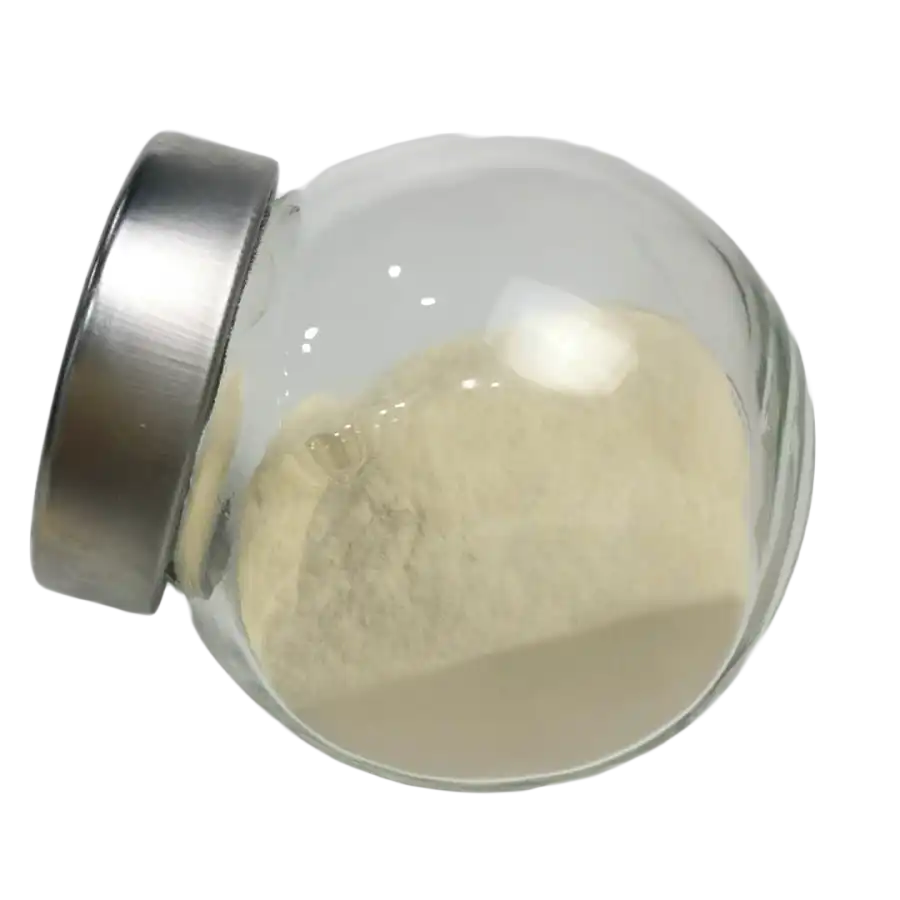
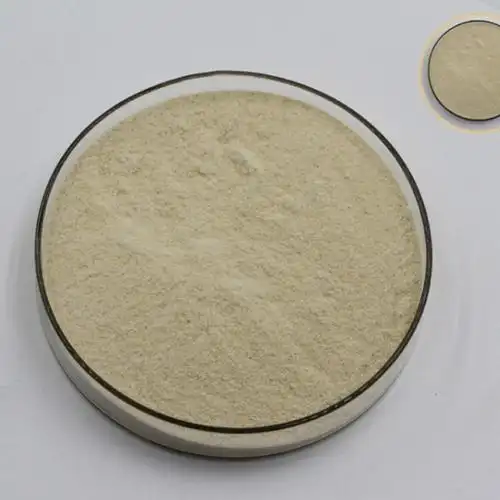
Xanthan Gum (CAS 11138-66-2), chemically identified as a high-molecular-weight polysaccharide, is a microbial hydrocolloid functioning as a premier rheology modifier and stabilizer in food and beverage thickening and industrial fluid systems. Produced via the fermentation of carbohydrates by Xanthomonas campestris, this cream-colored powder, also technically referred to as corn sugar gum or bacterial polysaccharide, exhibits unique pseudoplastic (shear-thinning) behavior, providing suspension stability in salad dressings, sauces, and oil drilling muds without altering the product's taste or color. We provide bulk supply of this versatile ingredient with competitive factory pricing to ensure supply chain stability for food and industrial processors. Our fermentation facilities strictly control mesh size and viscosity, making MSDS, TDS, COA available alongside customized specifications to meet food grade (FCC/E415) or industrial drilling standards.
Xanthan Gum CAS 11138-66-2
- CAS: 11138-66-2
- Synonyms: bacterial polysaccharide, gum xanthan, polysaccharide B-1459, microbial gum
- Einecs: 234-394-2
- Molecular Formula: C8H14Cl2N2O2
- Grade: Food Grade / Industrial Grade (on request)
- Package: 25 kg kraft paper bags with inner PE liner; jumbo bags available for bulk orders
Product Description
Xanthan Gum is an anionic polysaccharide widely used as a high-efficiency thickener, stabilizer and rheology modifier in food, cosmetics, oilfield and many industrial formulations. It offers excellent pseudoplastic (shear-thinning) behavior, high thermal stability and stable performance over a wide pH and salt range, making it ideal for demanding process conditions.
📧 Email: info@industrochem.com to get the latest factory price, COA/TDS/MSDS and tailored technical support for your formulation.
Physicochemical Properties
| Property | Typical Data / Range |
|---|---|
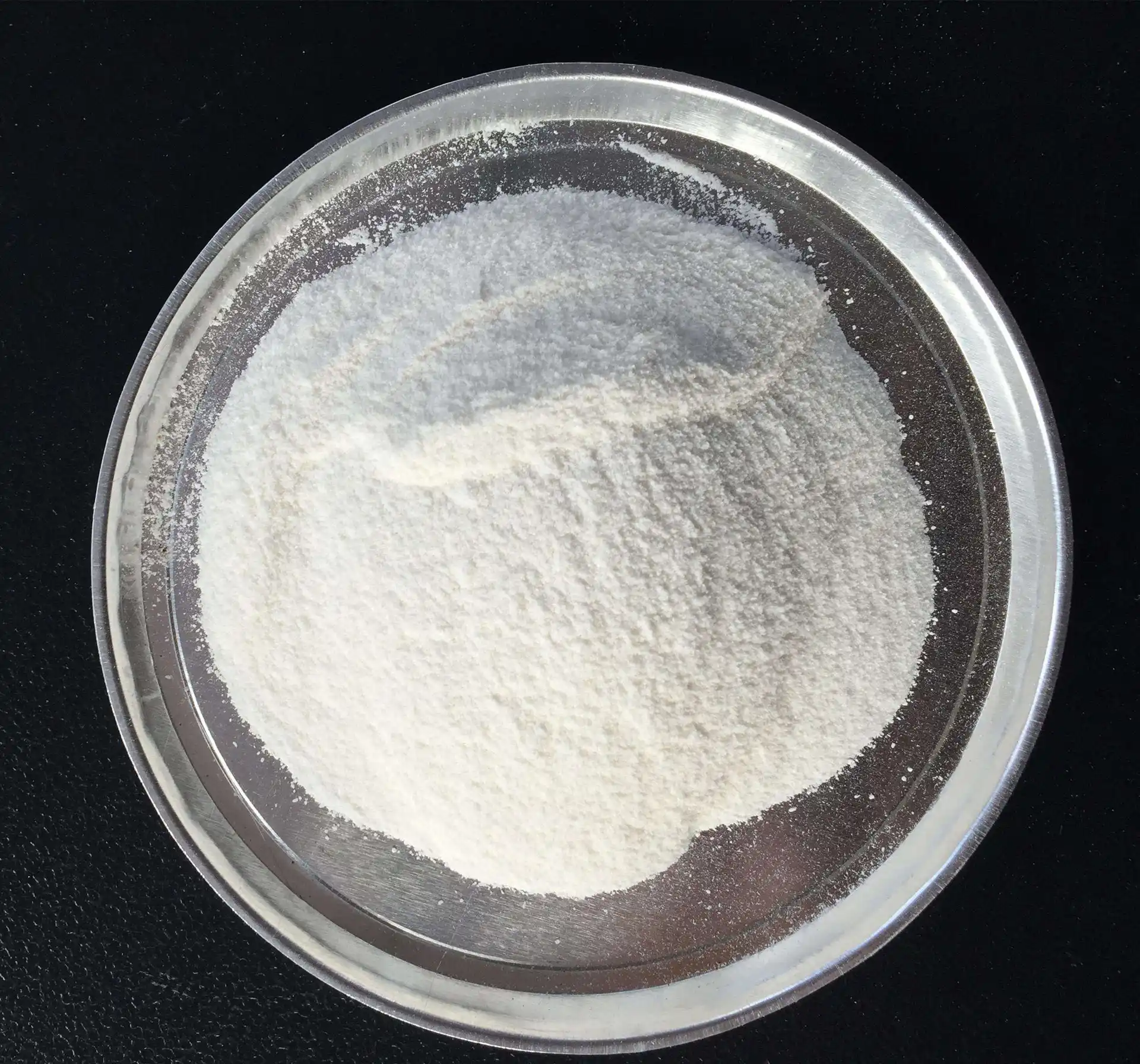
| Appearance | Free-flowing cream to light yellow powder |
| Odor | Slight, characteristic; odorless in final solution |
| Solubility | Completely soluble in cold or hot water; insoluble in organic solvents |
| Ionic Nature | Anionic polysaccharide |
| pH (1% aqueous solution, 25 °C) | 6.0 – 8.0 |
| Viscosity (1% in 1% KCl, 25 °C) | 1,200 – 1,600 mPa·s (Brookfield RV, 20 rpm) |
| Moisture | ≤ 13.0% |
| Ash | ≤ 16.0% |
| Particle Size | ≥ 95% through 80 mesh (180 μm) |
| Bulk Density | Approx. 0.50 – 0.80 g/cm³ |
| Thermal Stability | Stable up to approx. 80–90 °C in most systems |
| pH Stability Range | Approx. pH 3 – 11 |
| Salt Tolerance | Excellent; maintains viscosity in the presence of electrolytes |
| Shear Behavior | Pronounced shear-thinning (pseudoplastic) |
| Shelf Life | 24 months in original, unopened packaging under recommended storage conditions |
Product Introduction
Xanthan Gum is produced by the controlled fermentation of carbohydrates using Xanthomonas campestris, followed by purification, drying and milling. The resulting polymer forms highly viscous, stable solutions at low dosage levels (typically 0.1–0.5%), and exhibits strong suspension and anti-settling performance.
Thanks to its unique rheology, Xanthan Gum delivers:
- Instant thickening even at low concentration
- Excellent suspension of solids, pulp and particulates
- Stable viscosity over a wide range of temperature, pH and salt levels
- Improved texture and mouthfeel in food applications
- Enhanced carrying capacity and cuttings transport in oilfield drilling fluids
Our factory can supply food grade Xanthan Gum compliant with major food regulations, as well as industrial and oilfield grades with tailored particle size, viscosity and dispersibility to fit different processing needs. Full supporting documents such as COA, TDS and MSDS can be provided with each shipment.
If you are looking for a reliable long-term Xanthan Gum supplier in China for bulk orders, feel free to contact us at info@industrochem.com for detailed quotations and technical data.
Applications
1. Food & Beverage
- Thickener and stabilizer in sauces, dressings, ketchup and gravies
- Suspension and mouthfeel enhancer in juice drinks and flavored beverages
- Texture improver in dairy products, ice cream and plant-based drinks
- Structure builder and moisture retention agent in bakery and gluten-free products
- Synergistic thickening with other hydrocolloids (e.g., guar gum, locust bean gum)
Benefits for food manufacturers:
- Stable viscosity during processing (heating, cooling, freezing–thawing)
- Enhanced product consistency and consumer perception of quality
- Reduced phase separation and sedimentation during storage
2. Oilfield & Mining
- Rheology regulator and viscosifier in water-based drilling fluids
- Suspension and carrying agent for cuttings and weighting materials
- Fluid loss control and hole cleaning in complex formations
Benefits for oilfield service companies:
- Strong viscosity at low dosage, helping to optimize overall mud cost
- Excellent stability in saline and high-electrolyte environments
- Compatible with many common additives in drilling and completion fluids
3. Cosmetics & Personal Care
- Thickener and stabilizer in creams, lotions, gels and toothpaste
- Suspension of pigments and actives in skincare and makeup formulations
- Provides smooth, non-sticky skin feel and good spreadability
4. Other Industrial Uses
- Stabilizer in agricultural formulations (fertilizers, pesticide suspensions)
- Rheology modifier in coatings, inks and construction chemicals
- Binder and thickener in various specialty chemical systems
We can recommend suitable grades based on your end application and processing conditions.
Storage Conditions
To maintain quality over the full shelf life, Xanthan Gum should be stored under the following conditions:
- Keep in cool, dry and well-ventilated warehouse
- Recommended storage temperature: ≤ 25 °C
- Relative humidity: < 50% where possible
- Keep bags tightly closed after opening to avoid moisture uptake
- Store away from strong odors and volatile chemicals to prevent odor absorption
- Avoid direct sunlight, high heat and sources of ignition
Under correct storage conditions in its original unopened packaging, the typical shelf life is 24 months from production date. After long storage, a quality check (viscosity, moisture) is recommended before use in critical applications.
Safety Precautions
Xanthan Gum is generally recognized as safe (GRAS) for food use and is considered of low toxicity. However, as with all fine powders, appropriate handling practices are important:
- Avoid generating excessive dust during transfer, mixing or packaging
- Use local exhaust ventilation or dust collection where possible
- Wear suitable dust masks/respirators, safety glasses and protective gloves when handling large quantities
- In case of eye contact, rinse immediately with plenty of clean water
- If inhaled as dust and irritation occurs, move to fresh air and seek medical advice if symptoms persist
- Spilled material can create slippery surfaces; sweep or vacuum up carefully and dispose of in accordance with local regulations
- Keep out of reach of children and non-trained personnel
For more safety details, a dedicated MSDS can be provided with your order or upon request.
FAQ - Technical & Supply Chain
-
Q:
How is Xanthan Gum (CAS 11138-66-2) chemically distinguished from Guar Gum?
A: Xanthan Gum is a microbial polysaccharide produced by fermentation with a rigid helical structure that provides excellent thermal and pH stability, whereas Guar Gum is a plant-derived galactomannan; Xanthan typically exhibits superior shear-thinning properties and suspension capability compared to Guar. -
Q:
Is this hydrocolloid intended for use in high-salt or acidic formulation environments?
A: Yes, Xanthan Gum is specifically intended for use in challenging formulation environments, as its stable chemical structure maintains viscosity and stabilizing performance even in the presence of high salt concentrations or within a broad pH range (pH 2-12).
Documents and Product Support
For product review and sourcing evaluation, supporting documents can be coordinated according to the product type, inquiry stage, and order requirements.
- COA for batch-based quality reference
- TDS for key physical and chemical information
- SDS / MSDS for handling, storage, and safety reference
- Packing information for sample, trial, and bulk orders
- Technical communication based on application and specification requirements
Information to Confirm Before Quotation
Clear sourcing information helps reduce specification mismatch and allows a more accurate quotation before sample or bulk order discussion.
- Product name and CAS number
- Application or intended end use
- Required purity, grade, or specification
- Sample quantity, trial order, or bulk demand
- Preferred packing form or net weight
- Destination country or port
- Required documents or compliance expectations
Packaging, Storage, and Handling Notes
Packaging form, storage conditions, shelf life, and shipment arrangements should be confirmed according to the product characteristics, package size, and destination requirements.
Before order confirmation, buyers are advised to review the corresponding product documents and confirm whether any special storage, labeling, or handling requirements apply.
Sample, Bulk Order and Repeat Supply Support
Support can be arranged for sample discussion, bulk supply planning, packaging confirmation, and routine sourcing communication based on the actual product and order requirements.
For repeat-use formulations or long-term procurement plans, buyers may discuss specification consistency, packaging preferences, delivery expectations, and document coordination in advance.


