









Chemical products
  • Gellan Gum CAS 71010-52-1

Gellan Gum CAS 71010-52-1

Gellan Gum is positioned in industrial supply as a high-performance hydrocolloid produced via microbial fermentation, widely used for its ability to form gels and stabilize dispersed systems at low dosage levels. It is commonly applied in food and beverage formulations, as well as in certain industrial systems requiring rheology control and suspension stability.

In commercial supply, Gellan Gum is typically provided as a free-flowing powder, available in different functional types (such as high-acyl or low-acyl forms) depending on application requirements. It is used as a formulation ingredient rather than a reactive chemical. Standard export packaging is available, along with supporting documentation such as COA, TDS, and SDS for procurement and formulation development.

  • CAS: 71010-52-1
  • Synonyms: Gellan; Deacylated gellan gum (low-acyl); High-acyl gellan gum
  • Grade: Commonly supplied as food grade or industrial grade depending on application
  • Package: Available in standard export packaging; packaging format arranged according to order quantity and handling requirements
Request a quote
Share:

Product Description

Physicochemical Properties

ItemDescription
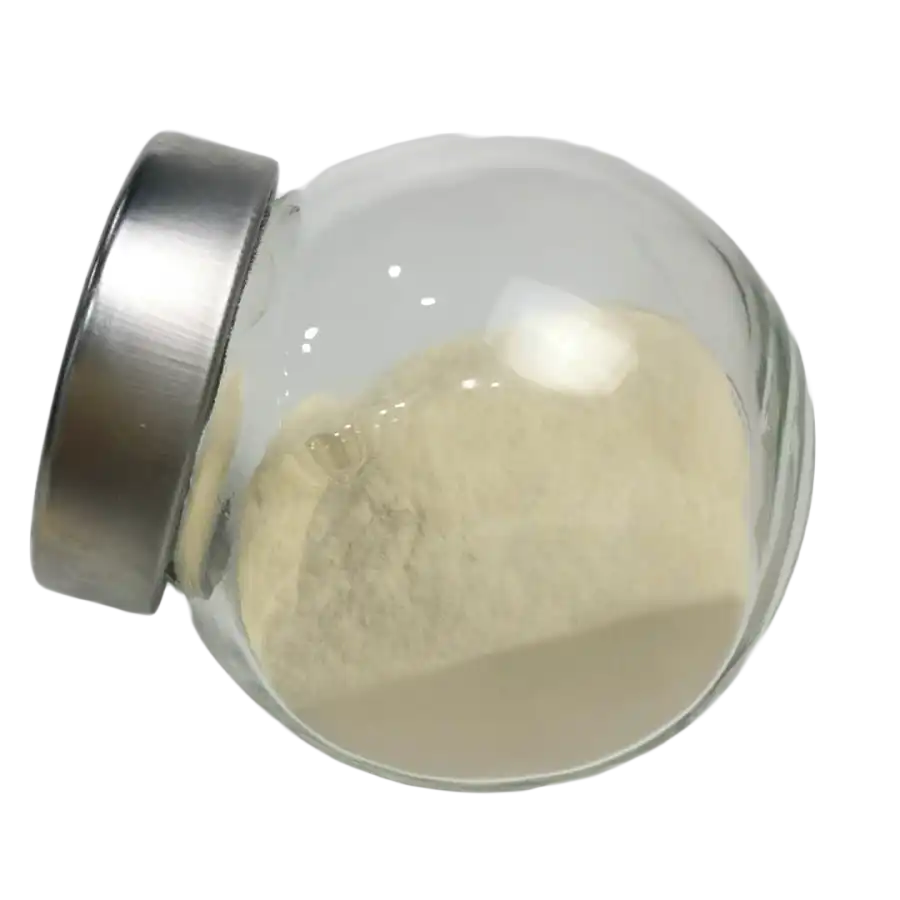
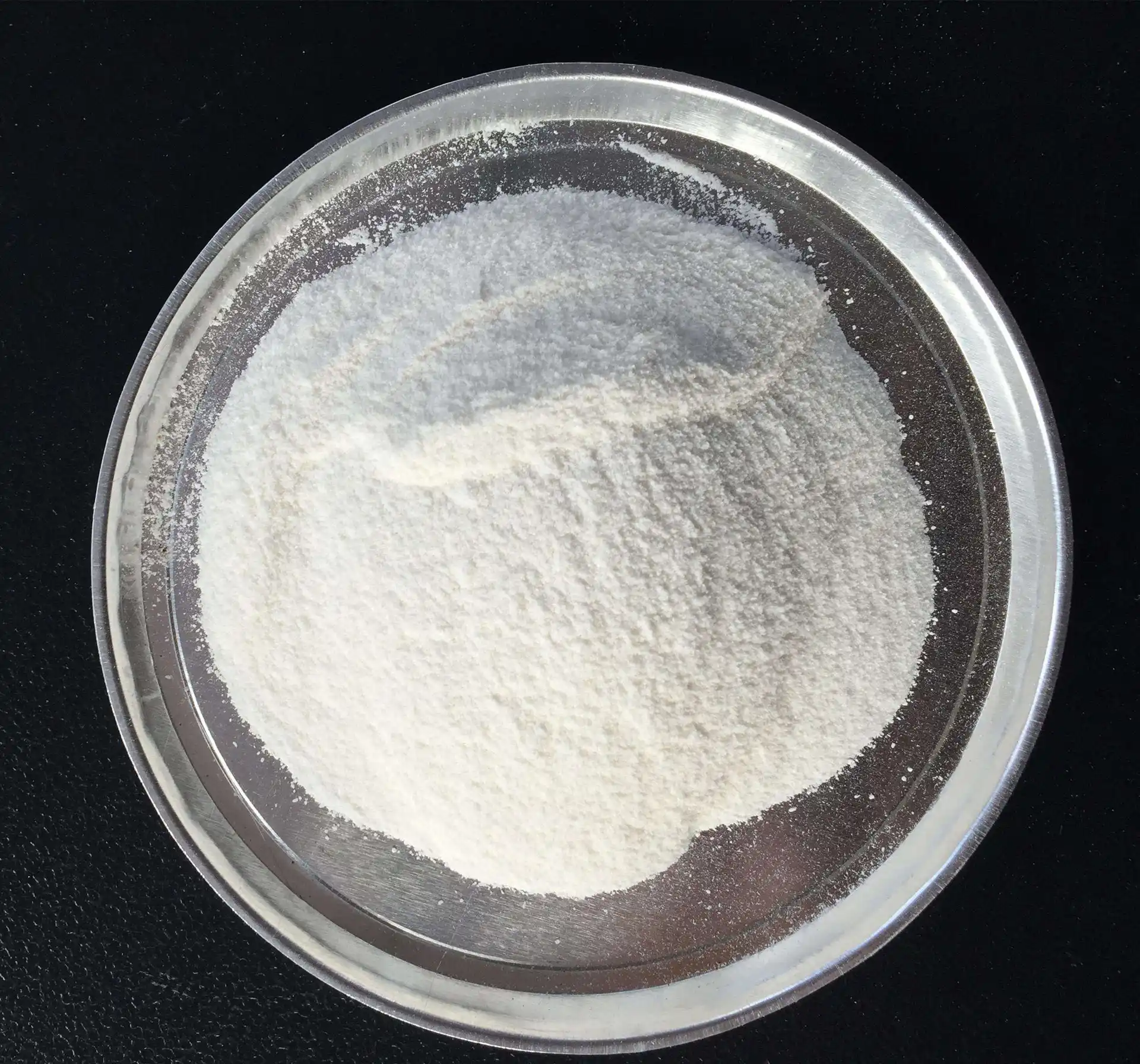
AppearanceOff-white to light yellow powder
OdorNeutral or slight characteristic odor
SolubilityDispersible in cold water; dissolves upon heating
Gel FormationForms gels in presence of cations (e.g., calcium, magnesium)
ViscosityProvides low to moderate viscosity depending on type and dosage
pH StabilityStable over a wide pH range
Thermal BehaviorThermally reversible or stable gel depending on acyl type
Moisture SensitivityHygroscopic; should be protected from moisture

Typical Applications

  • Food and beverage formulations: Used as a gelling and stabilizing agent in dairy, plant-based drinks, desserts, and confectionery systems.
  • Suspension stabilization: Helps maintain uniform dispersion of insoluble particles in beverages and liquid systems.
  • Texture modification: Applied in formulations requiring controlled gel strength and mouthfeel.
  • Industrial formulations: Used in specialty systems requiring rheology control and stabilization.

Application selection (high-acyl vs. low-acyl types) should be evaluated based on desired texture and processing conditions.

For related hydrocolloid and thickener pages, review Xanthan Gum, Propylene Glycol Alginate, and Sodium Alginate.

Packaging

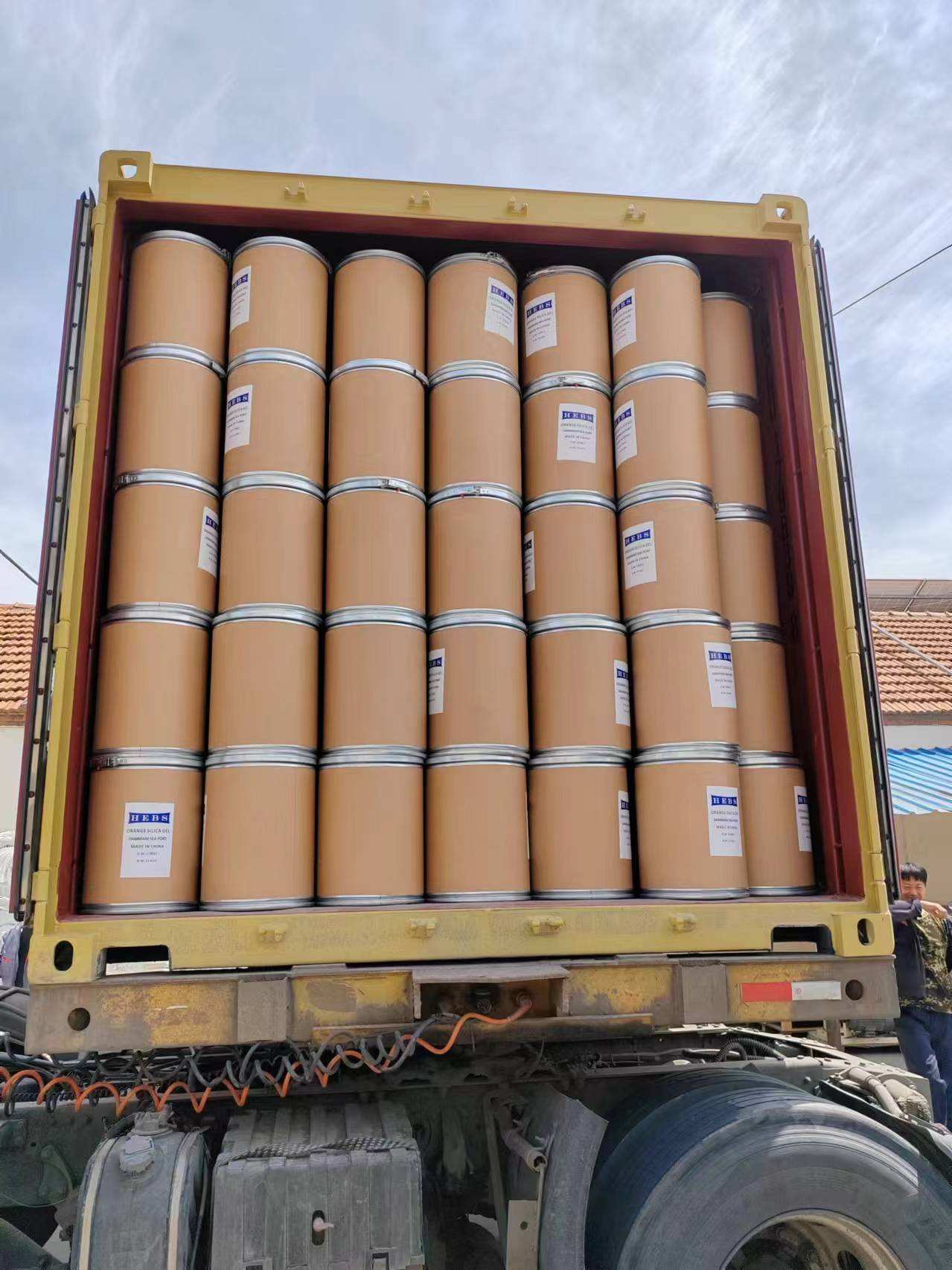
Gellan Gum is supplied as a powder and packed in sealed, moisture-resistant packaging to maintain product stability. Typical formats include multi-layer paper bags with inner liners or fiber drums suitable for food and industrial ingredients.

Packaging is designed to protect against moisture absorption and contamination during storage and transport. Bulk supply and palletized shipment can be arranged depending on order volume.

Storage

Store in a cool, dry, and well-ventilated area. Keep containers tightly sealed to prevent moisture uptake and maintain flowability.

Avoid exposure to humidity and direct sunlight. Maintain package integrity during storage and transportation.

FAQ - Technical & Supply Chain

  • Q:

    What is Gellan Gum CAS 71010-52-1?

    A: Gellan Gum, also known as gellan and E418, is a high-molecular-weight anionic polysaccharide produced by fermentation of Sphingomonas elodea. Its backbone repeating unit contains D-glucose, L-rhamnose, and D-glucuronic acid in a 2:1:1 ratio, and the glucuronic acid is neutralized as a mixed potassium, sodium, calcium, and magnesium salt.
  • Q:

    What is the difference between high-acyl and low-acyl Gellan Gum?

    A: Native or high-acyl gellan gum retains acetyl and glyceryl groups and produces soft, elastic, non-brittle gels. Low-acyl, or deacylated, gellan gum has those acyl groups removed and produces firm, brittle, generally clearer gels, making the two forms suitable for different texture requirements.
  • Q:

    How does Gellan Gum form a gel?

    A: Gellan Gum disperses in cold water and hydrates when heated. On cooling it forms double-helix junction zones, and gelation is promoted by cations such as calcium, magnesium, sodium, or potassium; calcium ions in particular can produce a tough, worm-like gel.
  • Q:

    What are the main food applications of Gellan Gum E418?

    A: Gellan Gum is used as a gelling, thickening, stabilizing, and suspending agent in beverages, dairy and plant-based drinks, desserts, jellies, confectionery, bakery fillings, sauces, and dressings. It is effective at low use levels and remains stable over a wide pH range and under heat processing.
  • Q:

    Why is Gellan Gum useful in ready-to-drink beverages?

    A: At low dosage it forms a weak gel or fluid-gel network that keeps insoluble particles, pulp, minerals, or other inclusions uniformly suspended while maintaining low viscosity and good flavor release. This gives beverages a longer shelf life without the heavy body of a conventional thickener.

Ordering & Documentation

Key information for document requests, quotations, and supply planning.

Documents

COA, TDS, SDS/MSDS and packing details are available on request.

Quotation

Send the CAS number, grade, quantity, packing preference and destination.

Sample & Supply

Support is available for samples, trial orders, bulk and repeat supply.

Storage & Shipping

Product-specific conditions are confirmed before order.

Contact Form

Use our contact form to send us your questions, suggestions or comments. We will respond as soon as possible.