









• Propylene Glycol Alginate CAS 9005-37-2

Propylene Glycol Alginate CAS 9005-37-2

Propylene Glycol Alginate is a chemically modified derivative of alginic acid, where a portion of the carboxyl groups are esterified with propylene glycol to enhance acid resistance and emulsifying properties. This semi-synthetic hydrocolloid, commonly known as PGA, functions through its dual-nature structure containing both hydrophilic carboxyl/hydroxyl groups and lipophilic ester groups, a reaction mechanism that enables it to stabilize oil-in-water emulsions even under low pH conditions where natural alginates would typically precipitate. Primarily utilized in the beverage industry as a foam stabilizer and in the food sector as a thickener, this alginate ester serves as a critical industrial supply for maintaining suspension stability and improving mouthfeel in acidic dairy and juice-based formulations. Its technical versatility extends to pharmaceutical applications where it acts as a binder and disintegrant in tablet coatings. We provide competitive factory pricing for various mesh sizes and viscosity levels to meet customized specifications, ensuring reliable bulk supply supported by complete technical documentation including MSDS, TDS, COA.

  • CAS: 9005-37-2
  • Einecs: 618-415-3
  • Molecular Formula: PGA, Hydroxypropyl Alginate, Alginate Ester, Propylene Glycol Ester of Alginic Acid, 1,2-Propylene Glycol Alginate.
  • Grade: Food Grade / Pharmaceutical Grade
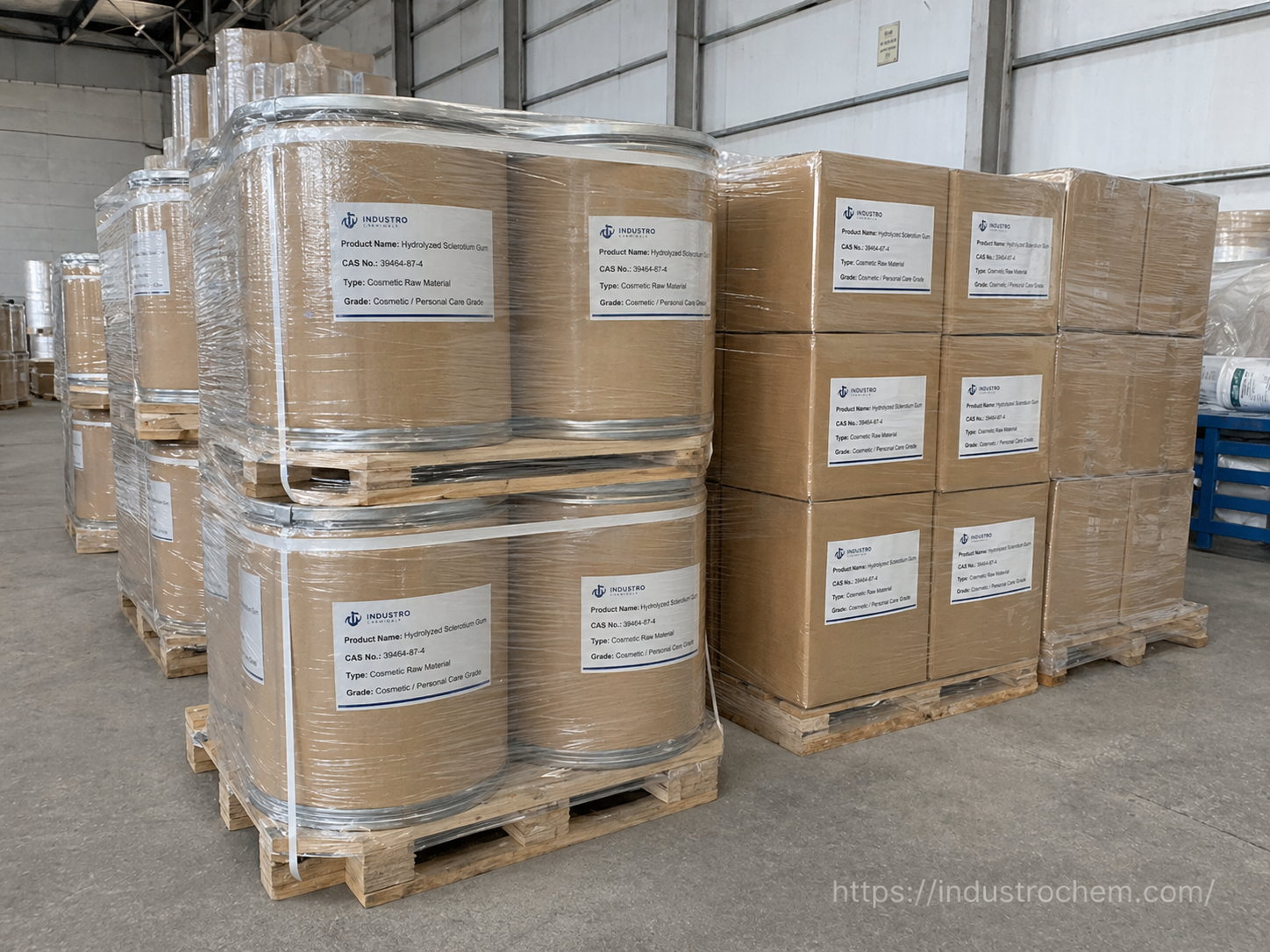
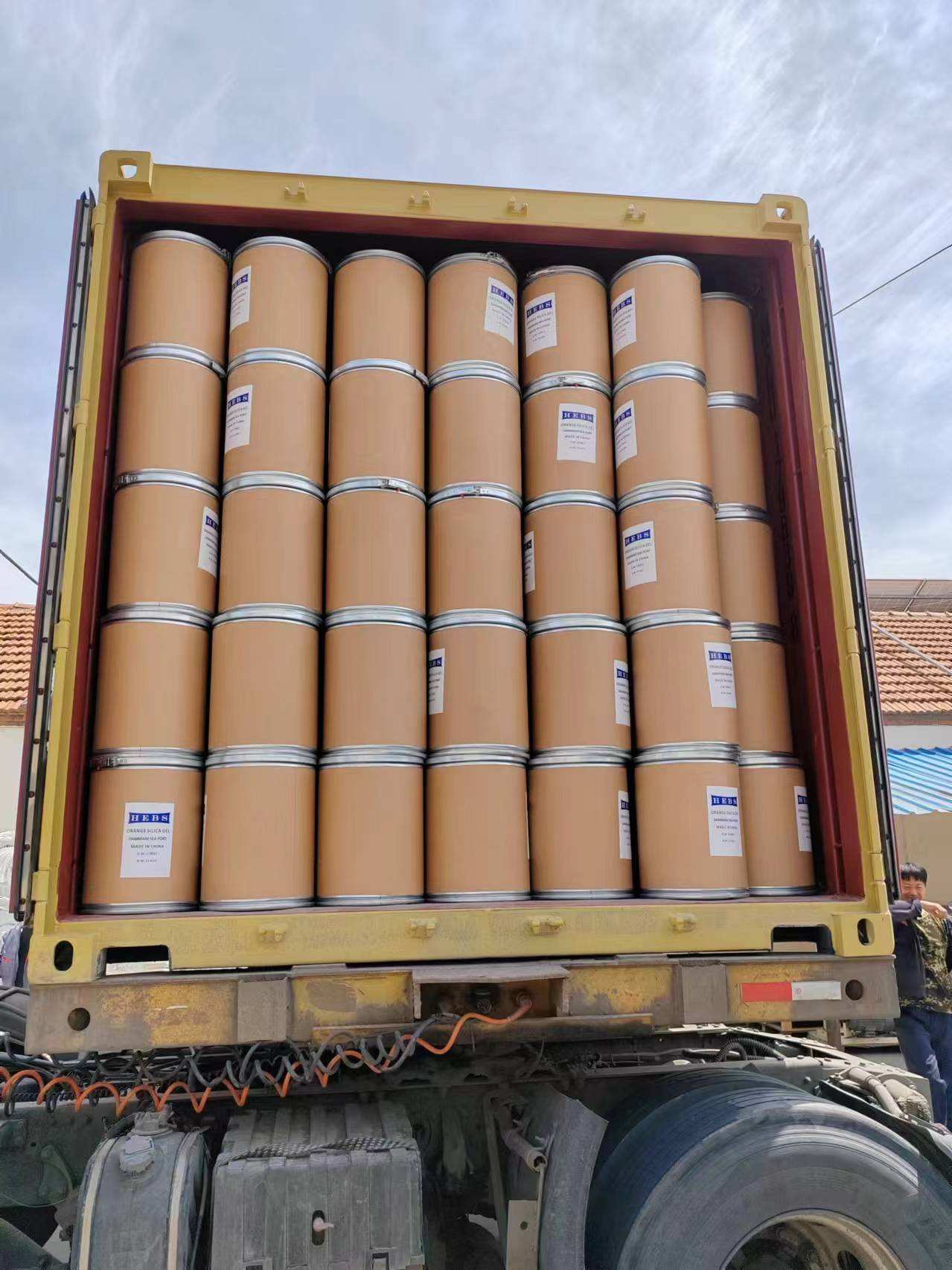
  • Package: 25kg/drum or 25kg/kraft bag
Request a quote
Share:

Product Description

Technical Data

PropertySpecification (Food Grade Standard)
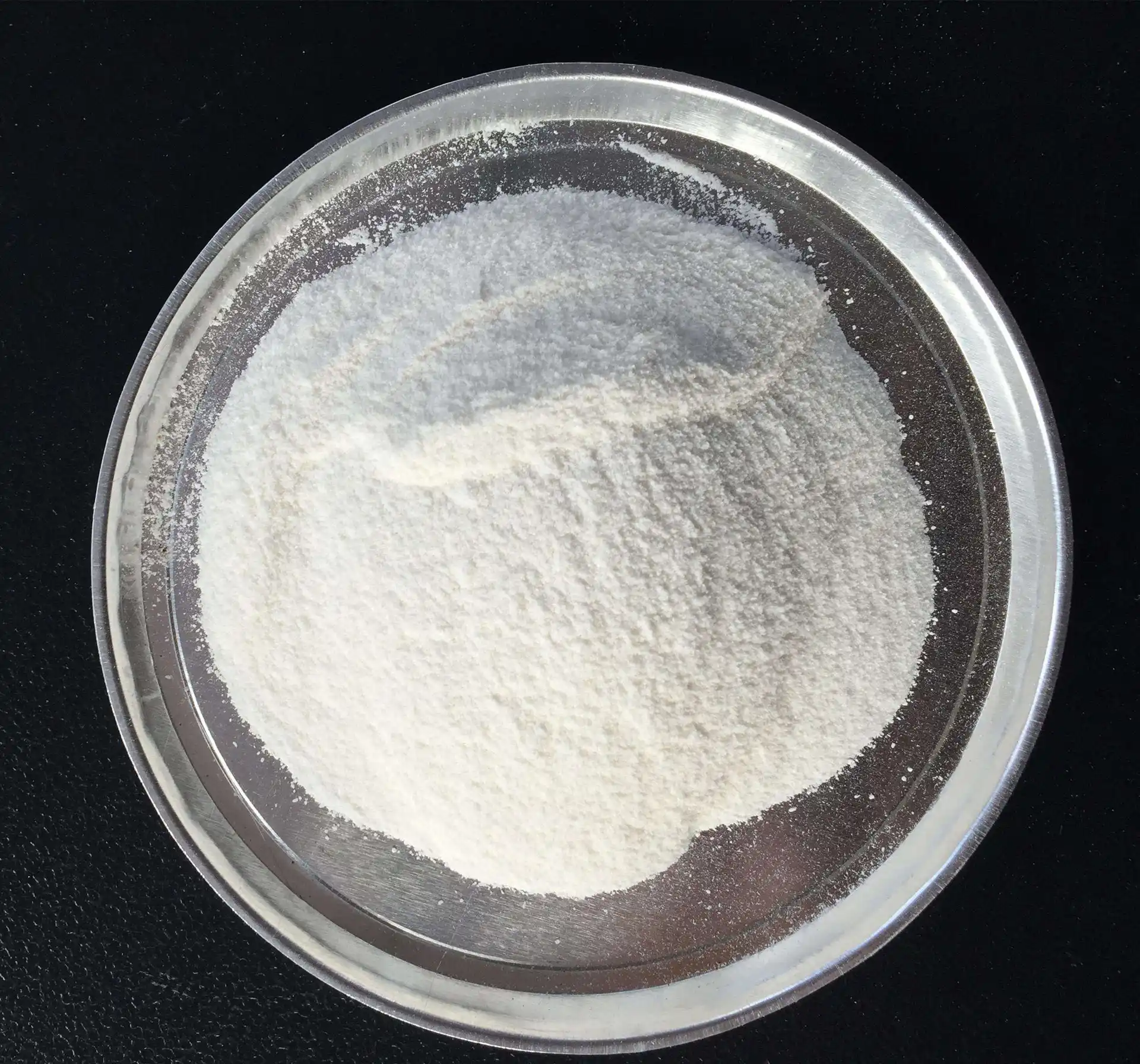
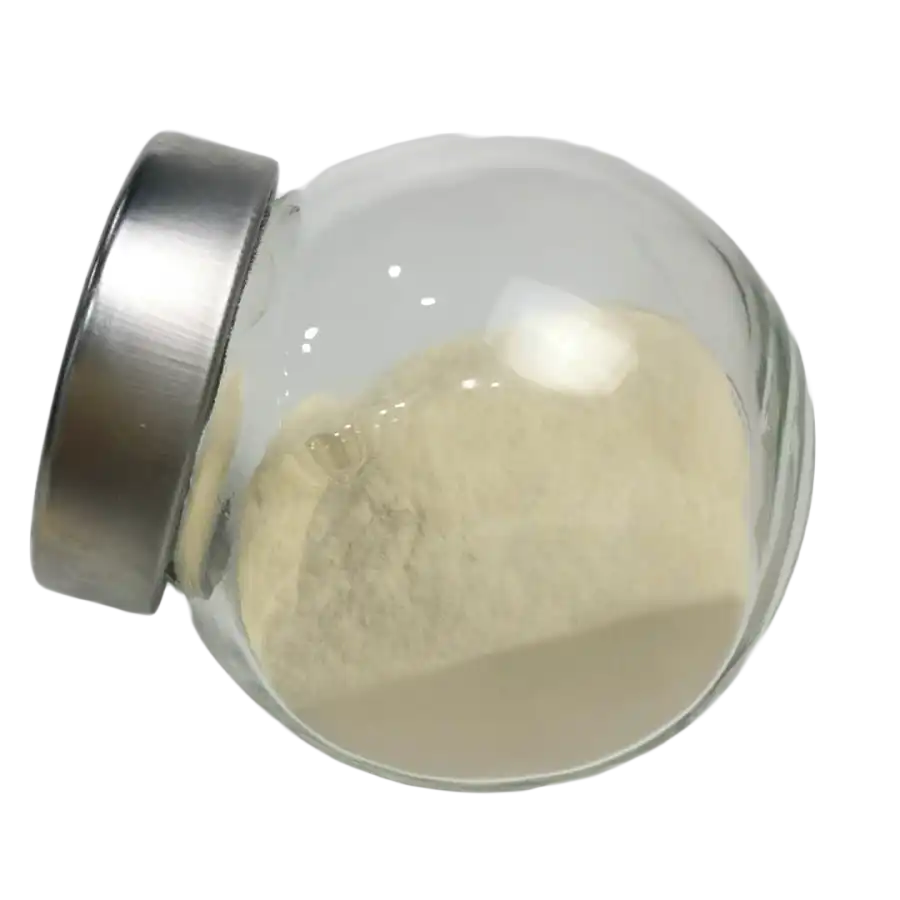
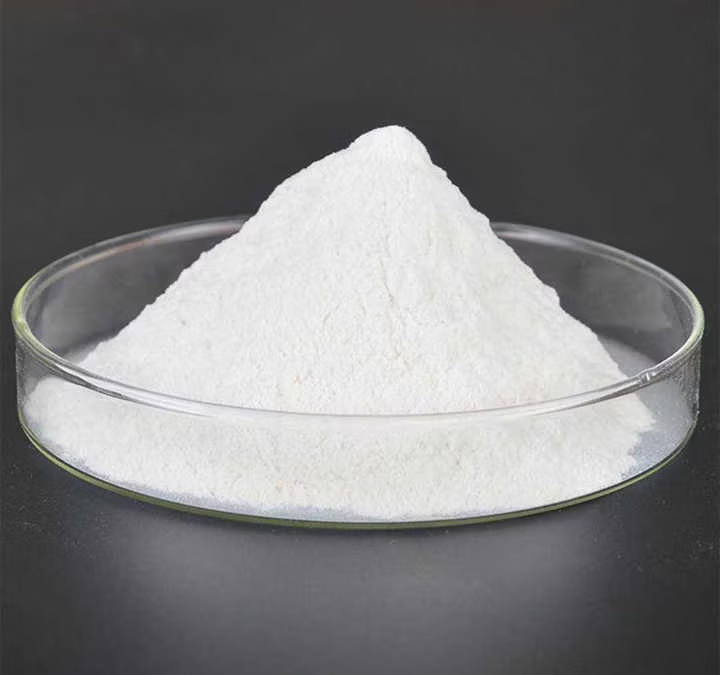
AppearanceWhite to light yellowish powder
Degree of Esterification≥ 80.0%
Purity (Alginic Acid)40.0% – 45.0%
Viscosity (1% Solution)20 – 500 mPa.s (Customizable)
Loss on Drying≤ 20.0%
Ash Content≤ 10.0%
Arsenic (As)≤ 3 mg/kg
Lead (Pb)≤ 5 mg/kg

Applications

  • Beverage Industry: Specifically used as a foam stabilizer in beer and as a suspension agent in acidic fruit juices and yogurt drinks.
  • Food Processing: Applied as a thickener and emulsifier in salad dressings, sauces, and frozen dairy products to prevent ice crystal formation.
  • Pharmaceuticals: Functions as a stabilizing agent for emulsions and as a specialized binder in controlled-release drug delivery systems.
  • Cosmetic Raw Materials: Employed in creams and lotions as a thickening agent and to improve formulation stability under varying temperature conditions.

Storage & Safety

  • Storage: Store in a cool, dry, and dark environment. Propylene Glycol Alginate is sensitive to heat and moisture; prolonged exposure to temperatures above 25°C can lead to a decrease in viscosity and degradation of the ester groups. Ensure containers are hermetically sealed.
  • Safety & PPE: PGA is generally recognized as safe (GRAS) for its intended uses. However, during industrial bulk handling, fine dust may be generated. Operators should wear standard safety glasses, protective gloves, and a dust mask (N95) to avoid inhalation of fine particulates and potential eye irritation.

Quality Assurance

Our quality control process focuses on the precise balance of the esterification degree and the neutralization of the carboxyl groups. Every batch of Propylene Glycol Alginate is tested via Fourier Transform Infrared Spectroscopy (FTIR) to verify the ester content and Rotational Viscometry to ensure rheological performance. This ensures that the PGA provides consistent emulsification and stabilization results in high-speed industrial mixing processes.

FAQ - Technical & Supply Chain

  • Q:

    How does the esterification degree of PGA (CAS 9005-37-2) affect its performance in acidic environments?

    A: Propylene Glycol Alginate is specifically intended for use in low-pH systems where natural sodium alginate would fail. A higher degree of esterification (typically >80%) provides superior stability in acidic beverages (pH 3.0–4.5), preventing the protein or fiber from settling and ensuring a long-lasting, uniform suspension without precipitation.
  • Q:

    Can PGA be used in hot-process industrial formulations?

    A: PGA is more heat-sensitive than other gums like Xanthan or Guar. While it can withstand flash pasteurization temperatures typical of the beverage industry, prolonged heating at high temperatures (above 80°C) may lead to hydrolysis of the ester groups, resulting in a loss of viscosity and emulsifying power. It is generally recommended to add PGA after the high-heat phase or during the cooling stage of industrial processing.
Documents

Documents and Product Support

For product review and sourcing evaluation, supporting documents can be coordinated according to the product type, inquiry stage, and order requirements.

  • COA for batch-based quality reference
  • TDS for key physical and chemical information
  • SDS / MSDS for handling, storage, and safety reference
  • Packing information for sample, trial, and bulk orders
  • Technical communication based on application and specification requirements
Quotation

Information to Confirm Before Quotation

Clear sourcing information helps reduce specification mismatch and allows a more accurate quotation before sample or bulk order discussion.

  • Product name and CAS number
  • Application or intended end use
  • Required purity, grade, or specification
  • Sample quantity, trial order, or bulk demand
  • Preferred packing form or net weight
  • Destination country or port
  • Required documents or compliance expectations
Storage & Handling

Packaging, Storage, and Handling Notes

Packaging form, storage conditions, shelf life, and shipment arrangements should be confirmed according to the product characteristics, package size, and destination requirements.

Before order confirmation, buyers are advised to review the corresponding product documents and confirm whether any special storage, labeling, or handling requirements apply.

Supply Support

Sample, Bulk Order and Repeat Supply Support

Support can be arranged for sample discussion, bulk supply planning, packaging confirmation, and routine sourcing communication based on the actual product and order requirements.

For repeat-use formulations or long-term procurement plans, buyers may discuss specification consistency, packaging preferences, delivery expectations, and document coordination in advance.

Contact Form

Use our contact form to send us your questions, suggestions or comments. We will respond as soon as possible.