










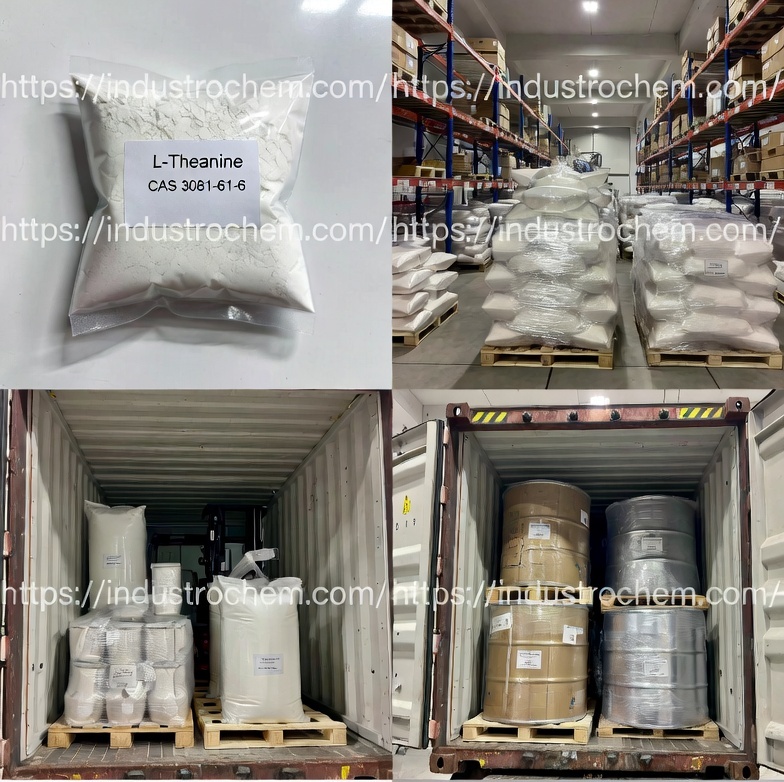
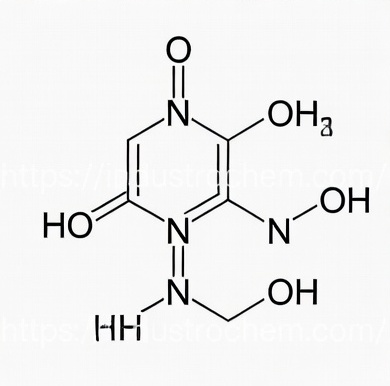
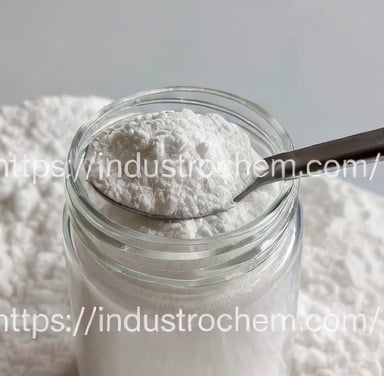
L-Theanine, also called N-ethyl-L-glutamine, CAS 3081-61-6, is a water-soluble non-protein amino acid supplied as a white crystalline powder for supplement, beverage, pharmaceutical, and pet-food applications. Confirm the required grade and specification, then request a quotation with COA/TDS/SDS for bulk supply.
L-Theanine CAS 3081-61-6
- CAS: 3081-61-6
- Synonyms: N-Ethyl-L-glutamine, Suntheanine, 5-N-Ethyl-L-glutamine, L-Glutamic acid gamma-ethylamide, Theanine
- Einecs: 221-379-0
- Molecular Formula: C7H14N2O3
- Grade: Food Grade / Pharmaceutical Grade
- Package: 25kg/drum or customized bulk packaging
Product Description
L-Theanine CAS 3081-61-6, also called N-ethyl-L-glutamine, is a non-protein amino acid with the molecular formula C7H14N2O3 and EINECS 221-379-0.
Synonyms: N-Ethyl-L-glutamine; Suntheanine; 5-N-Ethyl-L-glutamine; L-Glutamic acid gamma-ethylamide; Theanine.
CAS: 3081-61-6.
Molecular formula: C7H14N2O3.
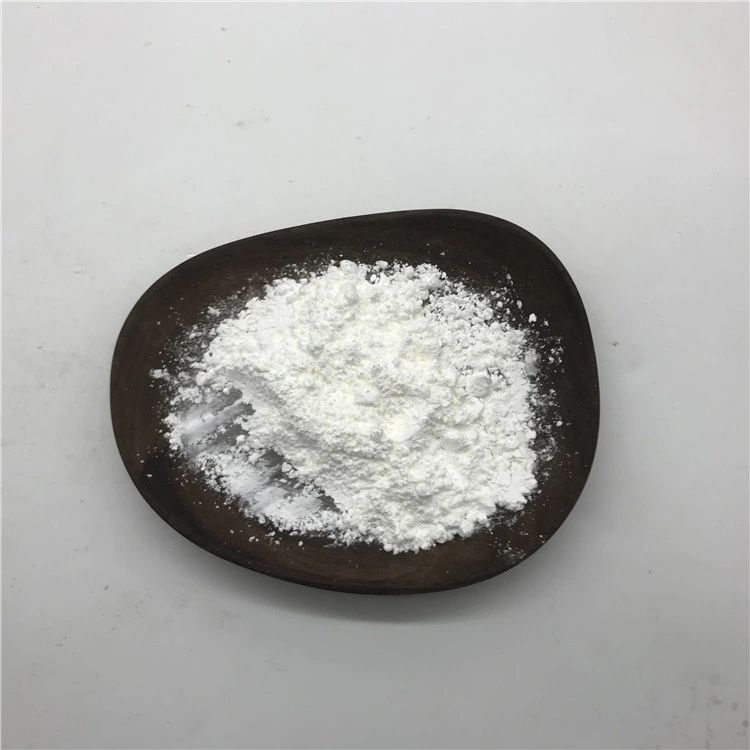
It is supplied as a white crystalline powder with an HPLC assay of 98.0-102.0% and specific rotation of +7.5° to +8.5°.
Loss on drying is not more than 0.5% and residue on ignition not more than 0.2%; chloride not more than 0.02%.
Heavy metals (as Pb) are not more than 10 ppm, arsenic not more than 1 ppm, lead not more than 1 ppm, and cadmium not more than 1 ppm.
It is soluble in water (about 50 g/L at 25 °C) and insoluble in ethanol and ether.
In dietary supplements it is used alone or with caffeine for focus and cognitive-support capsules.
In functional beverages it is incorporated into relaxation drinks and specialty teas for umami flavor and nutritional value.
In pharmaceutical intermediates it is used in R&D for neuroprotective properties and as a building block in specialty synthesis.
In pet food it is used in high-end pet nutrition for calming and behavioral-health applications.
Store in a cool, dark, dry environment below 25 °C with the container tightly sealed to protect from light and moisture.
Wear a standard dust mask, safety glasses, and protective gloves during bulk handling to avoid inhalation and prolonged skin contact.
Maintain good industrial hygiene and use local exhaust ventilation when handling generates airborne dust.
Every lot is checked by HPLC for assay and polarimetry for optical rotation, with GMP-aligned quality control and full traceability.
Confirm appearance, assay, specific rotation, loss on drying, residue on ignition, heavy metals, packaging, and grade as required.
The page is an RFQ entry point and does not state stock, price, MOQ, or fixed lead time.
For an RFQ, state the intended application, required grade, quantity, packaging, destination, and document needs.
FAQ - Technical & Supply Chain
-
Q:
What is L-Theanine CAS 3081-61-6?
A: CAS 3081-61-6 is L-theanine, a water-soluble non-protein amino acid also known as N-ethyl-L-glutamine or L-glutamic acid gamma-ethylamide. It is supplied as a white crystalline powder with the molecular formula C7H14N2O3 and molecular weight 174.2. -
Q:
How does L-Theanine CAS 3081-61-6 differ from D,L-theanine or racemic theanine?
A: CAS 3081-61-6 identifies the L-isomer, which is the naturally occurring form found in tea and the form used for flavor, calm-alert, and cognitive-support applications. Racemic D,L-theanine has a different optical identity and should be handled under its own specification. -
Q:
What are the main applications of this L-Theanine grade?
A: It is used in dietary supplement capsules and tablets, functional beverages, and relaxation or specialty tea products. The material also serves as a pharmaceutical intermediate and appears in high-end pet nutrition formulations for calming support. -
Q:
What specifications apply to the standard export grade?
A: The standard export grade is a white crystalline powder with an HPLC assay of 98.0-102.0%, specific rotation of +7.5 to +8.5 degrees, loss on drying no more than 0.5%, and low heavy-metal limits. It is soluble in water and essentially insoluble in ethanol and ether. -
Q:
Can L-Theanine be used in pasteurized or UHT beverage processing?
A: Yes. L-Theanine is thermally stable under normal beverage processing conditions, including pasteurization and UHT treatment, and does not readily decompose in typical beverage pH ranges. Formulators should still validate the full finished-product recipe under their specific time and temperature conditions.
Ordering & Documentation
Key information for document requests, quotations, and supply planning.
Documents
Tell us which documents your procurement team needs. Before an order, we will check whether the quoted source can provide them for the offered lot.
Quotation
Send the CAS number, grade, quantity, packing preference and destination.
Sample & Supply
Ask whether samples, trial quantities or repeat orders are possible. We will check each request against the sourced product and current offer.
Storage & Shipping
Product-specific conditions are confirmed before order.


