










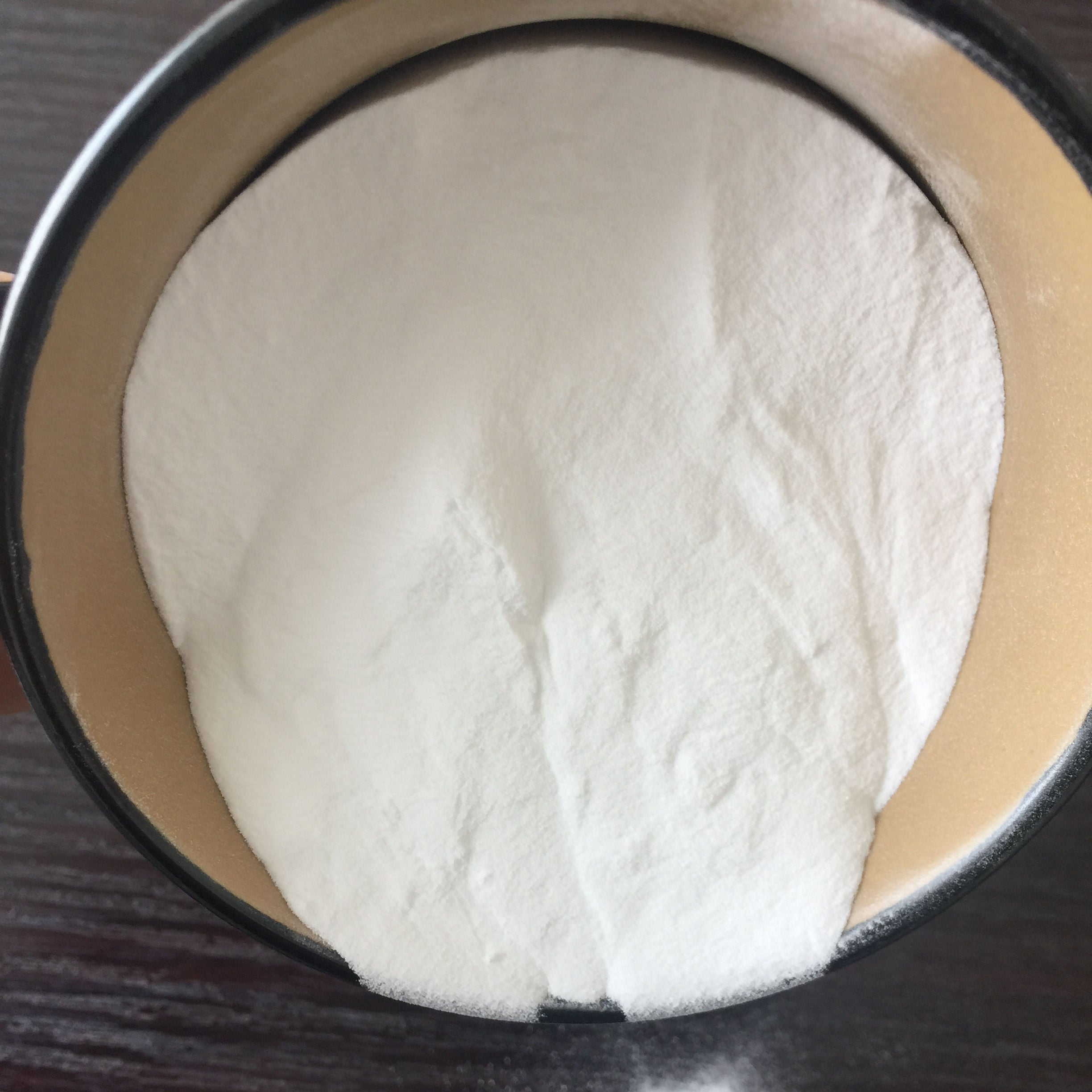
Anhydrous Dicalcium Phosphate (CAS 7757-93-9) is an inorganic calcium salt utilized as a polishing agent in oral care products and a nutritional mineral source in feed formulations. Chemically identified as Calcium hydrogen phosphate or Dibasic calcium phosphate, this white powder functions to aid tablet compaction and provide essential phosphorus in dietary matrices. As a stable Calcium monohydrogen phosphate compound, it acts as an effective abrasive and bulking agent within toothpaste and pharmaceutical excipient manufacturing. We ensure bulk supply capabilities for this material, providing access to competitive factory pricing and customized specifications to meet specific particle size distribution needs. Full technical documentation, including MSDS, TDS, COA, is available to support compliance and safety protocols.
Anhydrous Dicalcium Phosphate CAS 7757-93-9
- CAS: 7757-93-9
- Synonyms: Calcium hydrogen phosphate, Dibasic calcium phosphate, Calcium monohydrogen phosphate, Calcium phosphate dibasic
- Einecs: 231-826-1
- Molecular Formula: CaHPO₄
- Grade: Feed Grade / Food Grade
- Package: 25kg PP/PE bags, 50kg bags, or 1000kg Jumbo bags (Customizable)
Product Description
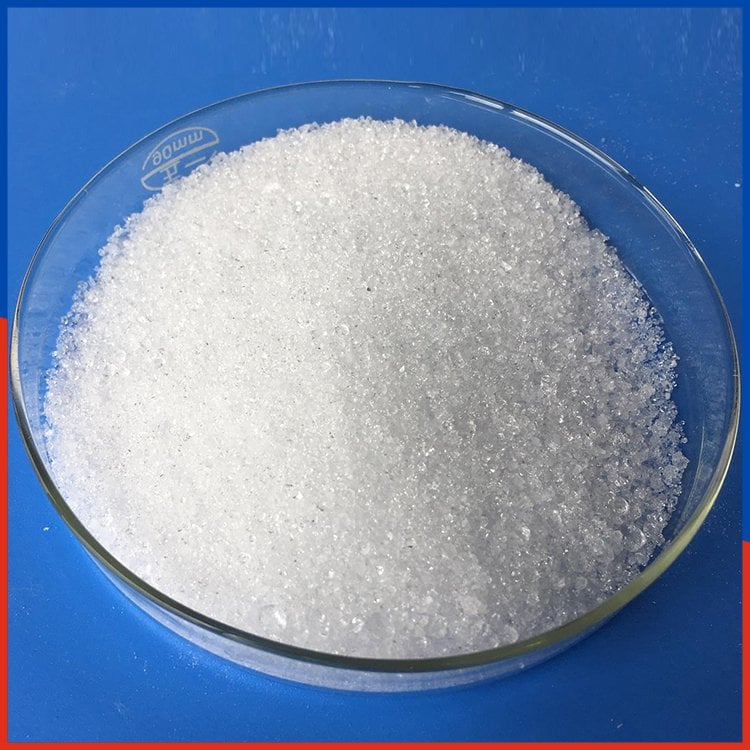
Anhydrous Dicalcium Phosphate appears as a white powder or granule. It is produced by neutralizing phosphoric acid with calcium carbonate or lime milk, followed by drying to remove moisture and crystal water.
Compared to DCP Dihydrate (18% P), the Anhydrous form provides a higher nutrient density (min 20% P), meaning less volume is required per ton of feed. It is chemically neutral, making it compatible with other feed ingredients like vitamins and antibiotics. Its high biological availability ensures strong skeletal development, improved eggshell quality, and optimized growth rates in animals.
Physicochemical Properties
| Parameter | Specification (Feed Grade Anhydrous) |
|---|---|
| Appearance | White Powder or Granule |
| Phosphorus (P) | ≥ 19.7% – 20.0% |
| Calcium (Ca) | ≥ 30.0% |
| Fluorine (F) | ≤ 0.18% (Low Fluorine) |
| Arsenic (As) | ≤ 20 ppm (0.002%) |
| Lead (Pb) | ≤ 20 ppm (0.002%) |
| Cadmium (Cd) | ≤ 10 ppm |
| Moisture | ≤ 1.0% |
| pH Value | 3.5 – 5.5 |
| Particle Size | 95% Pass 60 Mesh (Powder) |
Applications
- Livestock & Poultry Feed:
- Bone Health: Accelerates the development of bones and teeth in growing animals, preventing rickets and osteomalacia.
- Layer Hens: Significantly improves eggshell hardness and reduces breakage rates.
- Growth Promoter: Increases daily weight gain and feed conversion ratio (FCR).
- Aquaculture:
- Provides essential phosphorus for fish and shrimp, promoting shell formation and reducing water pollution caused by unabsorbed phosphorus.
- Mineral Licks:
- Used as a base ingredient in salt licks and mineral blocks for cattle and sheep.
- Food Industry (If Food Grade specified):
- Used as a leavening agent, dough modifier, and nutritional supplement in flour, biscuits, and milk powder.
Storage Conditions
- Dryness: Store in a cool, dry, and well-ventilated warehouse.
- Protection: Prevent exposure to rain and moisture during transportation and storage.
- Handling: Keep bags sealed when not in use to maintain the anhydrous state.
- Segregation: Do not store alongside toxic or hazardous materials.
Safety Precautions
- Handling: Anhydrous DCP is generally safe and non-toxic. However, inhalation of dust should be avoided.
- PPE: Wear a dust mask, safety glasses, and gloves during handling to prevent mechanical irritation.
- Hygiene: Wash hands thoroughly after handling.
- Environment: The product is biodegradable but should not be dumped into water bodies in large quantities due to phosphate content (eutrophication risk).
FAQ - Technical & Supply Chain
-
Q:
How is the chemical identity of Anhydrous Dicalcium Phosphate CAS 7757-93-9 defined in industrial applications?
A: Anhydrous Dicalcium Phosphate (CAS 7757-93-9) is chemically characterized as an anhydrous calcium hydrogen phosphate salt, supplied as a free-flowing powder for use as an excipient and mineral supplement. -
Q:
Is this material compatible with toothpaste manufacturing processes?
A: Yes, this product is typically applied in the formulation of dentifrices and toothpaste, serving as a mild abrasive and polishing agent compatible with fluoride and other active ingredients.
Documents and Product Support
For product review and sourcing evaluation, supporting documents can be coordinated according to the product type, inquiry stage, and order requirements.
- COA for batch-based quality reference
- TDS for key physical and chemical information
- SDS / MSDS for handling, storage, and safety reference
- Packing information for sample, trial, and bulk orders
- Technical communication based on application and specification requirements
Information to Confirm Before Quotation
Clear sourcing information helps reduce specification mismatch and allows a more accurate quotation before sample or bulk order discussion.
- Product name and CAS number
- Application or intended end use
- Required purity, grade, or specification
- Sample quantity, trial order, or bulk demand
- Preferred packing form or net weight
- Destination country or port
- Required documents or compliance expectations
Packaging, Storage, and Handling Notes
Packaging form, storage conditions, shelf life, and shipment arrangements should be confirmed according to the product characteristics, package size, and destination requirements.
Before order confirmation, buyers are advised to review the corresponding product documents and confirm whether any special storage, labeling, or handling requirements apply.
Sample, Bulk Order and Repeat Supply Support
Support can be arranged for sample discussion, bulk supply planning, packaging confirmation, and routine sourcing communication based on the actual product and order requirements.
For repeat-use formulations or long-term procurement plans, buyers may discuss specification consistency, packaging preferences, delivery expectations, and document coordination in advance.


