










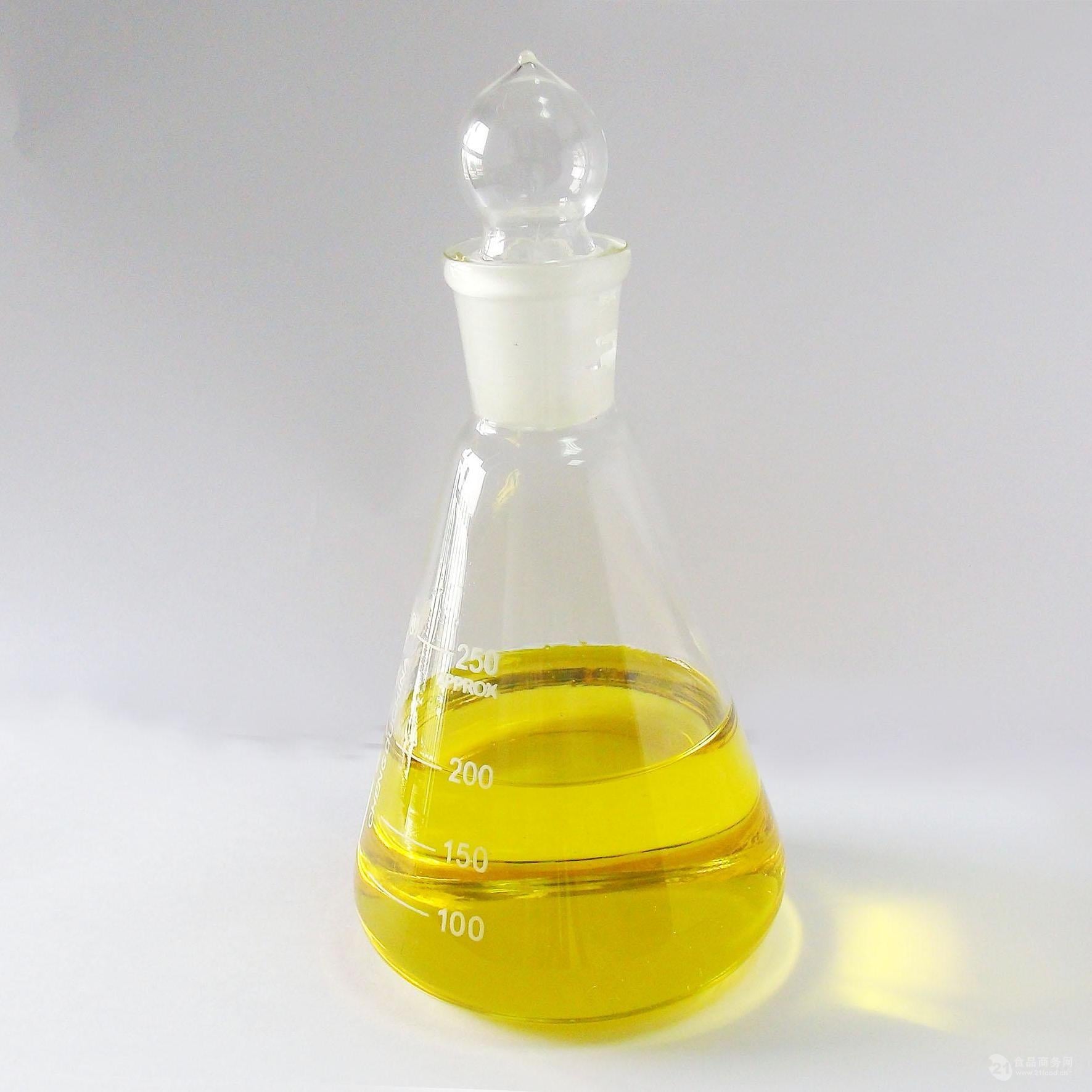
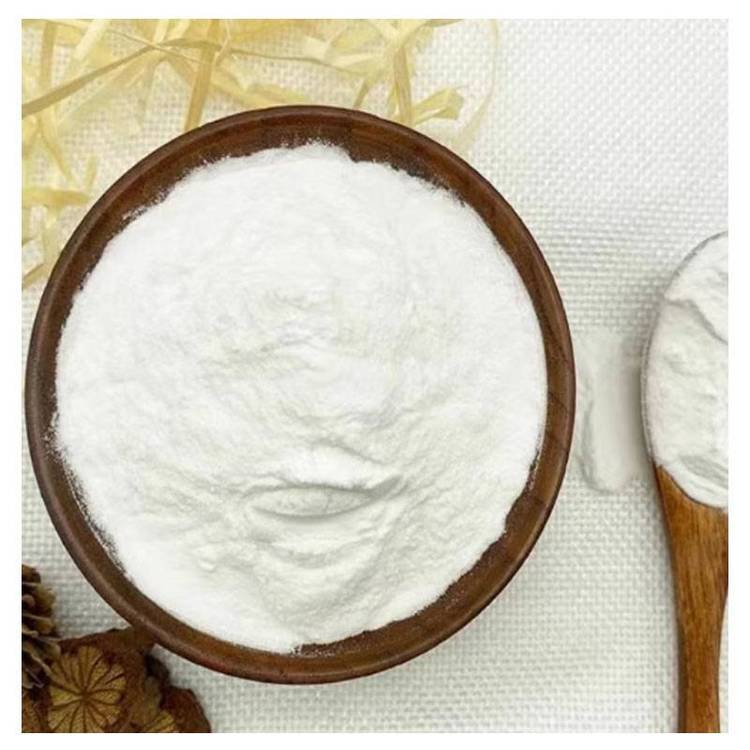
Arachidonic Acid (CAS 506-32-1) is a polyunsaturated omega-6 fatty acid serving as a critical lipid ingredient in infant formula production and pharmaceutical synthesis. Chemically identified as 5,8,11,14-Eicosatetraenoic acid or ARA, this viscous liquid functions as a fundamental structural component of cell membranes and a precursor for eicosanoid biosynthesis. As a high-purity Icosatetraenoic acid source, it is integrated into nutritional lipid emulsions and dietary supplement formulations to replicate essential biological profiles. We ensure bulk supply capabilities for this material, providing access to competitive factory pricing and customized specifications to meet specific oil or powder form requirements. Full technical documentation, including MSDS, TDS, COA, is available to support compliance and safety protocols.
Arachidonic Acid CAS 506-32-1
- CAS: 506-32-1
- Synonyms: Arachidonic Acid (ARA) / Eicosatetraenoic Acid
- Einecs: 208-033-4
- Molecular Formula: C20H32O2
- Grade: Food Grade / Infant Grade / Feed Grade
- Package: Oil: 20kg Aluminum Drum / 190kg Steel Drum (Nitrogen filled) Powder: 1kg/5kg Aluminum Foil Bag / 25kg Fiber Drum
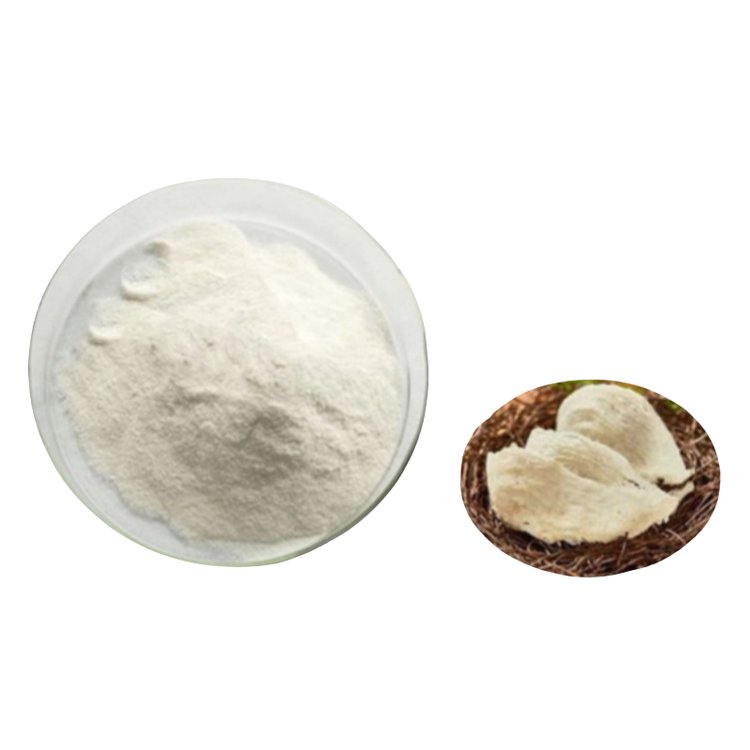
Product Description
Arachidonic Acid (ARA) is a long-chain polyunsaturated fatty acid (LCPUFA) belonging to the Omega-6 family. It is a key structural component of human cell membranes and is particularly abundant in the brain and retina.
Our ARA is extracted using advanced physical separation techniques without the use of harmful organic solvents. It is crucial for early physiological development, particularly in infants, supporting brain growth, visual acuity, and immune system function. For adults, it serves as an important precursor to eicosanoids, playing a vital role in metabolic regulation. The product features low odor, low peroxide value, and high stability.
Physicochemical Properties
The following specifications represent our standard ARA Oil (40% Purity) and ARA Powder (10%/20% Purity).
| Parameter | Specification (ARA Oil 40%) | Specification (ARA Powder 10%/20%) |
|---|---|---|
| Appearance | Light yellow to yellow clear oily liquid | White to light yellow free-flowing powder |
| Odor & Taste | Characteristic, mild, no rancid odor | Mild, characteristic |
| ARA Content (C20:4) | ≥ 40.0% | ≥ 10.0% / ≥ 20.0% |
| Peroxide Value | ≤ 5.0 meq/kg | ≤ 5.0 meq/kg |
| Acid Value | ≤ 1.0 mg KOH/g | N/A |
| Moisture / Loss on Drying | ≤ 0.1% | ≤ 5.0% |
| Trans Fatty Acids | ≤ 1.0% | ≤ 1.0% |
| Solubility | Insoluble in water; Soluble in organic solvents | Soluble / Dispersible in water |
| Heavy Metals (as Pb) | ≤ 0.1 ppm | ≤ 0.1 ppm |
| Arsenic (As) | ≤ 0.1 ppm | ≤ 0.1 ppm |
Applications
- Infant Formula:
- Added to infant milk powder and baby food to match the fatty acid profile of breast milk.
- Supports neurodevelopment and retinal formation in newborns and toddlers.
- Dietary Supplements:
- Softgel capsules (Oil) or Tablets/Powder mixes for cognitive support and sports nutrition (muscle growth support).
- Functional Foods & Beverages:
- Used in dairy products, liquid milk, and yogurts (Powder form recommended for water-solubility).
- Animal Nutrition:
- Essential additive for pet food (especially for cats, as they cannot synthesize ARA) to ensure healthy skin and coat.
Storage Conditions
- Temperature:
- Oil: Store under 0°C to 10°C (Refrigeration recommended).
- Powder: Store in a cool, dry place at room temperature (below 25°C).
- Atmosphere: The product is sensitive to oxidation. Packaging should be nitrogen-flushed and kept tightly sealed.
- Light: Protect from direct sunlight and strong artificial light.
- Shelf Life:
- Oil: 12 months (unopened, under nitrogen).
- Powder: 24 months (unopened).
Safety Precautions
- Handling: ARA is a food ingredient and is generally safe. However, standard hygiene practices should be followed.
- Oxidation: Avoid prolonged exposure to air. Once opened, use immediately or reseal with nitrogen flushing to prevent rancidity (oxidative degradation).
- Allergens:
- Powder: May contain carriers like Sodium Caseinate (Milk) or Starch. Check specific allergen statement per batch.
- Oil: Generally free from allergens but derived from fermentation.

FAQ - Technical & Supply Chain
-
Q:
What is the chemical definition of Arachidonic Acid CAS 506-32-1 in a raw material context?
A: Arachidonic Acid (CAS 506-32-1) is chemically defined as an all-cis-5,8,11,14-eicosatetraenoic acid, supplied as a concentrated omega-6 lipid for use in nutritional and pharmaceutical processing. -
Q:
Is this product intended for use in nutritional fortification?
A: Yes, this material is typically applied in the manufacturing of infant formulas and health supplements to provide essential fatty acids required for developmental physiology.
Documents and Product Support
For product review and sourcing evaluation, supporting documents can be coordinated according to the product type, inquiry stage, and order requirements.
- COA for batch-based quality reference
- TDS for key physical and chemical information
- SDS / MSDS for handling, storage, and safety reference
- Packing information for sample, trial, and bulk orders
- Technical communication based on application and specification requirements
Information to Confirm Before Quotation
Clear sourcing information helps reduce specification mismatch and allows a more accurate quotation before sample or bulk order discussion.
- Product name and CAS number
- Application or intended end use
- Required purity, grade, or specification
- Sample quantity, trial order, or bulk demand
- Preferred packing form or net weight
- Destination country or port
- Required documents or compliance expectations
Packaging, Storage, and Handling Notes
Packaging form, storage conditions, shelf life, and shipment arrangements should be confirmed according to the product characteristics, package size, and destination requirements.
Before order confirmation, buyers are advised to review the corresponding product documents and confirm whether any special storage, labeling, or handling requirements apply.
Sample, Bulk Order and Repeat Supply Support
Support can be arranged for sample discussion, bulk supply planning, packaging confirmation, and routine sourcing communication based on the actual product and order requirements.
For repeat-use formulations or long-term procurement plans, buyers may discuss specification consistency, packaging preferences, delivery expectations, and document coordination in advance.


