









• Azelaic Acid Powder CAS 123-99-9
  • Azelaic Acid Powder CAS 123-99-9
  • Azelaic Acid Powder CAS 123-99-9
  • Azelaic Acid Powder CAS 123-99-9

Azelaic Acid Powder CAS 123-99-9

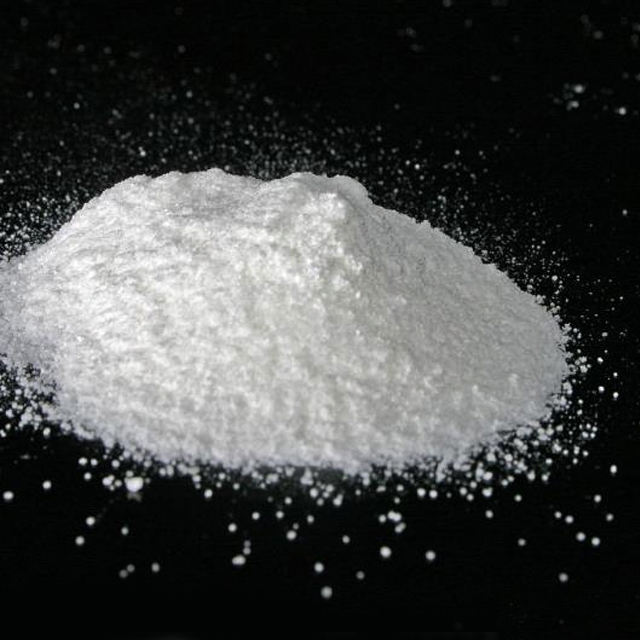
Azelaic Acid Powder (CAS 123-99-9) is a naturally occurring saturated dicarboxylic acid, chemically identified as Nonanedioic acid, utilized primarily as a multi-functional active ingredient in anti-acne formulations and skin brightening products. This micronized 1,7-heptanedicarboxylic acid functions as a potent keratolytic and antimicrobial agent, effectively normalizing keratinization and inhibiting tyrosinase activity to reduce hyperpigmentation. Unlike harsh phenolic agents, this Lepargylic acid exhibits selective cytotoxicity towards hyperactive melanocytes while maintaining high tolerance in sensitive skin applications, making it a critical component for rosacea treatments and clarifying serums. We provide this pharmaceutical-grade material with competitive factory pricing to support dermocosmetic manufacturing and ensure bulk supply availability for commercial production. Our facility accommodates customized specifications for particle size (micronized grades) and purity levels, while every shipment is fully documented with MSDS, TDS, COA files to meet global regulatory standards.

  • CAS: 123-99-9
  • Synonyms: Nonanedioic acid, 1,7-heptanedicarboxylic acid, Lepargylic acid, Anchoic acid, Azelaic acid micronized
  • Einecs: 204-669-1
  • Molecular Formula: C₉H₁₆O₄
  • Grade: Cosmetic / Pharmaceutical / Industrial Grade
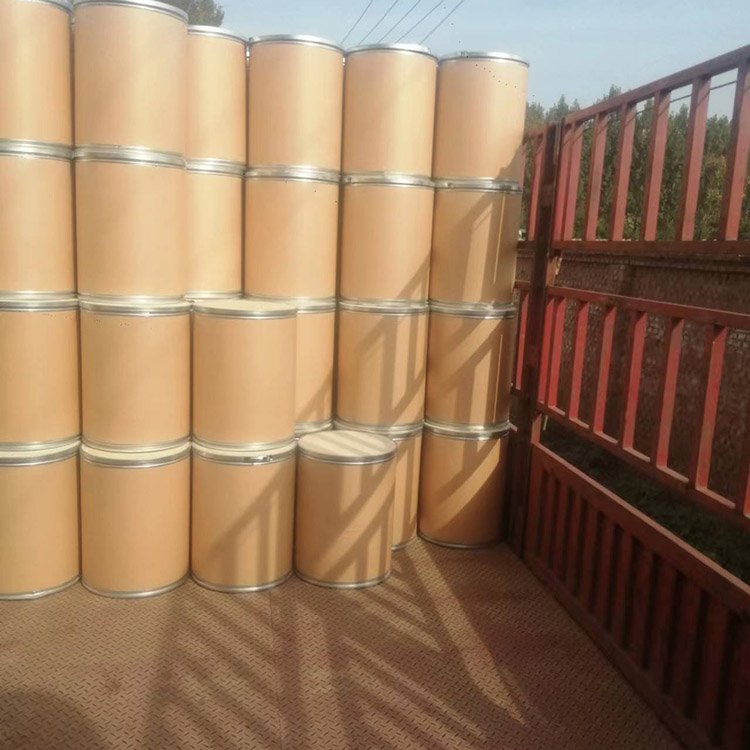
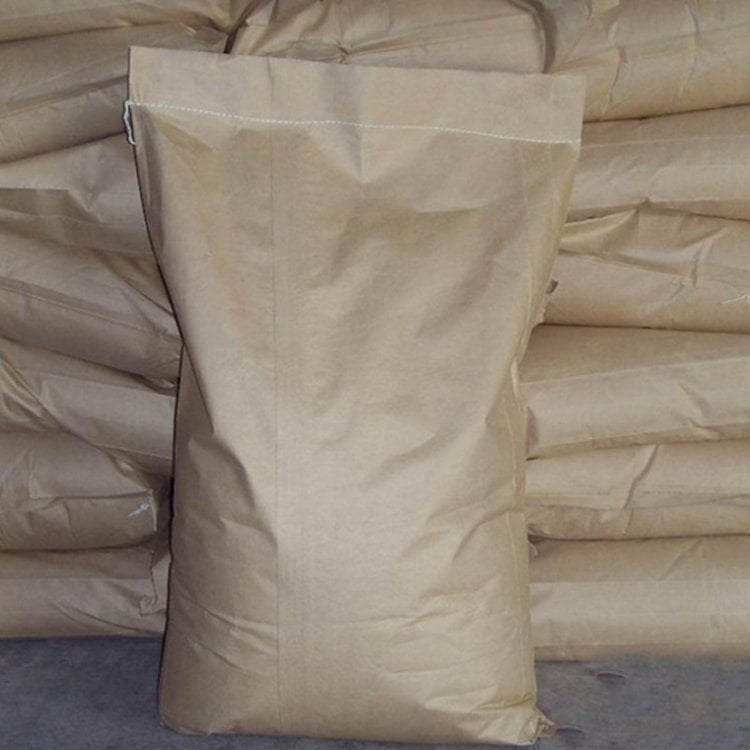
  • Package: 25 kg fiber drum with double PE liner; 1–5 kg aluminum foil bags for samples or small orders
Request a quote
Share:

Product Description

Azelaic acid (nonanedioic acid) is a saturated C9 dicarboxylic acid widely used in dermatology formulations and specialty chemical applications. Our azelaic acid powder is produced in China with controlled impurity profile and stable batch-to-batch quality, suitable for pharmaceutical intermediates, topical creams, gels, serums and industrial synthesis.

📧 Email: info@industrochem.com – Contact us for COA, MSDS and latest export price.

Physicochemical Properties

ItemTypical Data*
Chemical NameAzelaic acid; Nonanedioic acid
CAS No.123-99-9
Einecs / EC No.204-669-1
Molecular FormulaC₉H₁₆O₄
Molecular Weight188.22 g/mol
AppearanceWhite to off-white crystalline powder / flakes
Assay≥ 99.0% (HPLC, typical export grade)
Melting PointApprox. 106–110 °C
Boiling Point~286 °C at 100 mmHg
Density~1.03 g/cm³ (20 °C)
Water Solubility~2.4 g/L at 20 °C (slightly soluble in water)
Solubility (others)Soluble in alcohols (ethanol), propylene glycol and many organic solvents
pKa (carboxyl groups)~4.5 and ~5.3 at 25 °C
LogP (octanol/water)~1.6
OdorPractically odorless / faint characteristic odor
StabilityStable under normal storage and handling conditions

Product Introduction

Azelaic acid is an aliphatic dicarboxylic acid obtained industrially by oxidative cleavage of unsaturated fatty acids. It combines mild lipophilicity with good stability, making it a versatile ingredient in both personal care and industrial applications.

In dermatology and cosmetics, azelaic acid is valued for its keratolytic, anti-bacterial and anti-inflammatory properties, and for its ability to help regulate sebum and melanin production. These features make it a popular active in formulations targeting acne, rosacea, post-inflammatory hyperpigmentation and uneven skin tone.

In industrial fields, azelaic acid is also an important intermediate for polyesters, plasticizers, synthetic lubricants and specialty polyamides (e.g. Nylon-6,9).


Applications

  1. Pharmaceutical & Dermatology (Topical Use)
    • Active ingredient in creams, gels and foams for mild to moderate acne vulgaris and rosacea.
    • Used in leave-on treatments (10–20% formulations are common in finished products) targeting comedones, inflammatory papules and pustules.
    • Helps normalize keratinization, reduce growth of acne-related bacteria and modulate skin inflammation.
    • Often combined with niacinamide, salicylic acid or soothing plant extracts in multi-functional formulations.
  2. Cosmetic & Personal Care
    • Brightening and tone-evening active for serums, lotions and emulsions.
    • Used in products designed to reduce appearance of dark spots, melasma and post-acne marks.
    • Suitable for formulations marketed as “non-photosensitizing” alternatives to stronger peeling agents, when formulated correctly.
  3. Polymer & Industrial Chemicals
    • Monomer for polyesters and copolyamides (e.g. Nylon-6,9) with good flexibility and chemical resistance.
    • Raw material for azelate esters used as plasticizers in PVC and other polymers.
    • Component of synthetic ester-based lubricants and greases, especially where low volatility and good low-temperature performance are required.
  4. Research & Laboratory Use
    • Reference standard and building block in organic synthesis, dermatology research and formulation screening.

Storage Conditions

  • Store in a cool, dry, well-ventilated warehouse, away from direct sunlight and heat sources.
  • Recommended storage temperature: below 30 °C, with container tightly closed to avoid moisture uptake and caking.
  • Keep away from strong bases, strong oxidizing or reducing agents.
  • Use only corrosion-resistant, well-sealed packaging (fiber drums / HDPE containers with inner liner).

Under normal storage conditions azelaic acid is chemically stable for the stated shelf life (typically 24 months from manufacturing, depending on factory specification).


Safety Precautions

According to typical Safety Data Sheets for azelaic acid, the material is classified as an irritant:

  • Hazards
    • Harmful if swallowed in large amounts.
    • Causes skin irritation and serious eye irritation.
    • Dust may cause respiratory tract irritation.
    • Harmful to aquatic life with long-lasting effects (handle and dispose responsibly).
  • Personal Protection
    • Wear appropriate protective gloves, long sleeves and closed footwear when handling bulk powder.
    • Use safety goggles or face shield to protect eyes from dust.
    • In case of dust generation, wear a dust mask or respirator (e.g. NIOSH-approved) and use local exhaust ventilation.
  • Handling Advice
    • Avoid breathing dust; avoid contact with eyes, skin and clothing.
    • Do not eat, drink or smoke while handling the product; wash hands thoroughly after work.
    • Prevent release to the environment; follow local regulations for waste and spill disposal.
  • First Aid (summary)
    • Eye contact: Rinse cautiously with water for several minutes; remove contact lenses if present and easy to do; seek medical attention if irritation persists.
    • Skin contact: Wash with soap and plenty of water; remove contaminated clothing.
    • Inhalation: Move person to fresh air; keep comfortable for breathing; seek medical advice if respiratory irritation continues.

FAQ - Technical & Supply Chain

  • Q:

    How does the chemical structure of CAS 123-99-9 contribute to its efficacy in skin care?

    A: CAS 123-99-9 identifies a straight-chain saturated dicarboxylic acid (C₉H₁₆O₄), whose specific nine-carbon structure allows it to penetrate follicular pathways to inhibit bacterial protein synthesis and regulate keratinocyte differentiation.
  • Q:

    Is this powder grade suitable for suspension in aqueous gels?

    A: Yes, this micronized powder is typically intended for suspension in aqueous gels or emulsions, where controlled particle size ensures formulation stability and maximizes bioavailability without gritty texture.
Documents

Documents and Product Support

For product review and sourcing evaluation, supporting documents can be coordinated according to the product type, inquiry stage, and order requirements.

  • COA for batch-based quality reference
  • TDS for key physical and chemical information
  • SDS / MSDS for handling, storage, and safety reference
  • Packing information for sample, trial, and bulk orders
  • Technical communication based on application and specification requirements
Quotation

Information to Confirm Before Quotation

Clear sourcing information helps reduce specification mismatch and allows a more accurate quotation before sample or bulk order discussion.

  • Product name and CAS number
  • Application or intended end use
  • Required purity, grade, or specification
  • Sample quantity, trial order, or bulk demand
  • Preferred packing form or net weight
  • Destination country or port
  • Required documents or compliance expectations
Storage & Handling

Packaging, Storage, and Handling Notes

Packaging form, storage conditions, shelf life, and shipment arrangements should be confirmed according to the product characteristics, package size, and destination requirements.

Before order confirmation, buyers are advised to review the corresponding product documents and confirm whether any special storage, labeling, or handling requirements apply.

Supply Support

Sample, Bulk Order and Repeat Supply Support

Support can be arranged for sample discussion, bulk supply planning, packaging confirmation, and routine sourcing communication based on the actual product and order requirements.

For repeat-use formulations or long-term procurement plans, buyers may discuss specification consistency, packaging preferences, delivery expectations, and document coordination in advance.

Contact Form

Use our contact form to send us your questions, suggestions or comments. We will respond as soon as possible.