










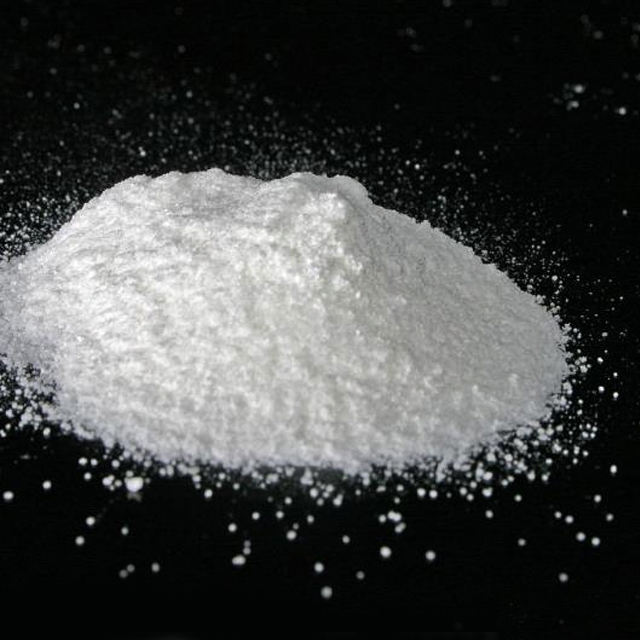
10-Hydroxydecanoic Acid (CAS 1679-53-4) is a specialized omega-hydroxy fatty acid functioning as a critical intermediate in the synthesis of pharmaceutical compounds and synthetic musk fragrances. Chemically identified as 10-Hydroxycapric acid, this white crystalline solid acts as a key monomer building block for biocompatible polyesters and a precursor for bio-active pheromone analogs. As a linear Omega-hydroxy acid found naturally in royal jelly, it is widely utilized in organic synthesis to introduce a terminal hydroxyl group into long-chain molecular structures for fine chemical manufacturing. We ensure bulk supply capabilities for this material, providing access to competitive factory pricing and customized specifications to meet specific purity and melting point requirements. Full technical documentation, including MSDS, TDS, COA, is available to support compliance and safety protocols.
10-Hydroxydecanoic Acid CAS 1679-53-4
- CAS: 1679-53-4
- Synonyms: 10-Hydroxycapric acid, Omega-hydroxydecanoic acid, 10-Hydroxy decanoic acid, Decanoic acid 10-hydroxy-
- Einecs: 216-843-4
- Molecular Formula: C10H20O3
- Grade: Pharmaceutical Intermediates / Industrial Grade
- Package: 25kg Fiber Drum with double PE inner liners
Product Description
Produced through advanced oxidation and hydrolysis processes, our 10-Hydroxydecanoic Acid appears as a white to off-white crystalline solid. It serves as a vital building block in organic chemistry.
Key Features:
- High Purity: Typically ≥ 98.5% by GC, ensuring low impurities for downstream synthesis.
- Reactive Functional Groups: Contains both a hydroxyl group and a carboxyl group, allowing for diverse esterification and polymerization reactions.
- Stability: Stable under normal storage conditions, with low moisture content.
Physicochemical Properties
The following parameters are based on the standard export specification for this chemical intermediate.
| Test Item | Specification (Standard) |
|---|---|
| Appearance | White to off-white crystalline powder or flakes |
| Assay (GC) | ≥ 98.5% |
| Melting Point | 75.0°C – 78.0°C |
| Moisture (Loss on Drying) | ≤ 0.5% |
| Ash (Residue on Ignition) | ≤ 0.1% |
| Heavy Metals | ≤ 10 ppm |
| Solubility | Soluble in Ethanol, Methanol, Ether, and hot water; Insoluble in cold water |
| Acid Value | 290 – 305 mgKOH/g |
Applications
- Pharmaceutical Synthesis: The primary application is as a key intermediate for the synthesis of Idebenone (CAS 58186-27-9), a drug used for cognitive disorders and anti-aging treatments.
- Fragrance Industry: Used as a raw material to synthesize macrocyclic musk fragrances (similar to musk ketone alternatives) due to its long carbon chain structure.
- Polymer Industry: Used in the production of specialized polyesters and plastics where hydroxy-acid monomers are required to modify polymer properties.
- Cosmetics: Occasionally used as a surfactant intermediate or skin-conditioning agent precursor in advanced formulations.
Storage Conditions
- Temperature: Store in a cool, dry place. Recommended storage temperature is below 30°C.
- Environment: Keep container tightly closed in a dry and well-ventilated place.
- Protection: Protect from humidity and direct sunlight.
- Shelf Life: 24 months when stored in the original sealed container.
Safety Precautions
- Health Hazard: Causes skin irritation and serious eye irritation. May cause respiratory irritation if dust is inhaled.
- Handling: Avoid contact with skin and eyes. Avoid formation of dust and aerosols. Provide appropriate exhaust ventilation at places where dust is formed.
- PPE: Wear safety glasses with side-shields and protective gloves (Nitrile rubber). Wear a dust mask (N95) when handling powder.
- First Aid:
- Eye Contact: Rinse thoroughly with plenty of water for at least 15 minutes and consult a physician.
- Skin Contact: Wash off with soap and plenty of water.
FAQ - Technical & Supply Chain
-
Q:
How is 10-Hydroxydecanoic Acid CAS 1679-53-4 chemically classified in organic synthesis?
A: 10-Hydroxydecanoic Acid (CAS 1679-53-4) is classified as a saturated omega-hydroxy fatty acid, chemically known as 10-Hydroxycapric acid, and is supplied as a bifunctional building block containing both a carboxylic acid and a primary alcohol group. -
Q:
Is this compound used in the production of synthetic fragrances?
A: Yes, this material is typically applied as a precursor in the synthesis of macrocyclic lactones and musk-like fragrances, playing a vital role in the flavor and fragrance industry.
Documents and Product Support
For product review and sourcing evaluation, supporting documents can be coordinated according to the product type, inquiry stage, and order requirements.
- COA for batch-based quality reference
- TDS for key physical and chemical information
- SDS / MSDS for handling, storage, and safety reference
- Packing information for sample, trial, and bulk orders
- Technical communication based on application and specification requirements
Information to Confirm Before Quotation
Clear sourcing information helps reduce specification mismatch and allows a more accurate quotation before sample or bulk order discussion.
- Product name and CAS number
- Application or intended end use
- Required purity, grade, or specification
- Sample quantity, trial order, or bulk demand
- Preferred packing form or net weight
- Destination country or port
- Required documents or compliance expectations
Packaging, Storage, and Handling Notes
Packaging form, storage conditions, shelf life, and shipment arrangements should be confirmed according to the product characteristics, package size, and destination requirements.
Before order confirmation, buyers are advised to review the corresponding product documents and confirm whether any special storage, labeling, or handling requirements apply.
Sample, Bulk Order and Repeat Supply Support
Support can be arranged for sample discussion, bulk supply planning, packaging confirmation, and routine sourcing communication based on the actual product and order requirements.
For repeat-use formulations or long-term procurement plans, buyers may discuss specification consistency, packaging preferences, delivery expectations, and document coordination in advance.


