









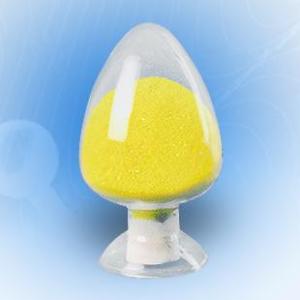
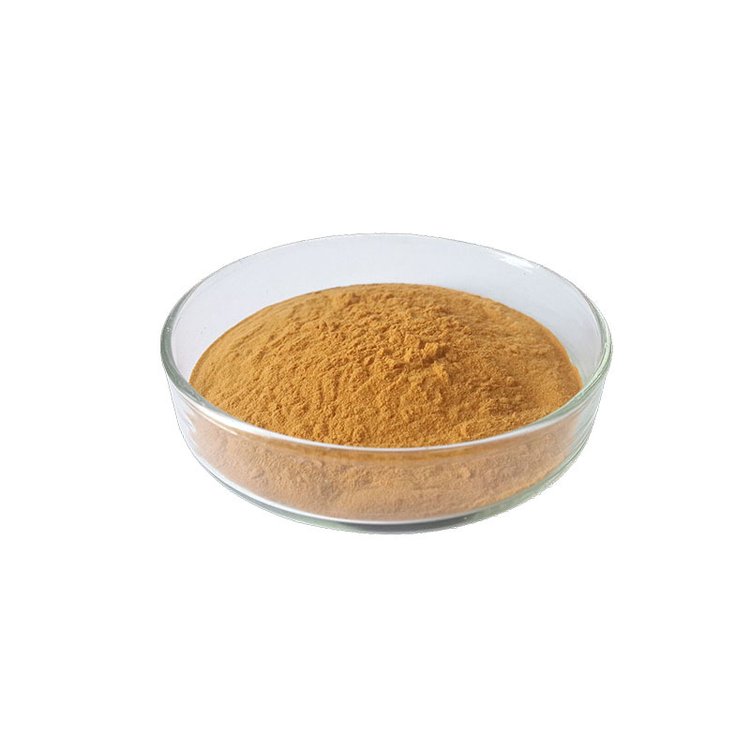
Caffeic Acid Powder (CAS 331-39-5), chemically identified as 3,4-Dihydroxycinnamic acid, is a naturally occurring organic compound found in coffee beans and various plant sources, utilized primarily as a synthesis intermediate in pharmaceutical manufacturing and as an antioxidant stabilizer. This crystalline 3,4-Dihydroxy-trans-cinnamic acid solid functions as a potent free radical scavenger and a structural building block, offering superior reactivity for the synthesis of complex esters like Caffeic Acid Phenethyl Ester (CAPE). Unlike simple phenolic acids, this trans-Caffeic acid molecule possesses a specific acrylic functional group, making it a critical 3-(3,4-Dihydroxyphenyl)-2-propenoic acid precursor for developing anti-inflammatory drugs and functional cosmetic additives. We provide this fine chemical raw material with competitive factory pricing to support organic synthesis and research applications, ensuring bulk supply availability for industrial scaling. Our facility accommodates customized specifications for purity (typically >98% HPLC) and ash content, while every shipment is fully documented with MSDS, TDS, COA files to meet global quality standards.
Caffeic Acid Powder CAS 331-39-5
- CAS: 331-39-5
- Synonyms: 3,4-Dihydroxycinnamic acid, 3,4-Dihydroxy-trans-cinnamic acid, trans-Caffeic acid
- Einecs: 206-361-2
- Molecular Formula: C₉H₈O₄
- Grade: Pharmaceutical / Food / Cosmetic grade, typical purity ≥98% (HPLC), higher grades available on request
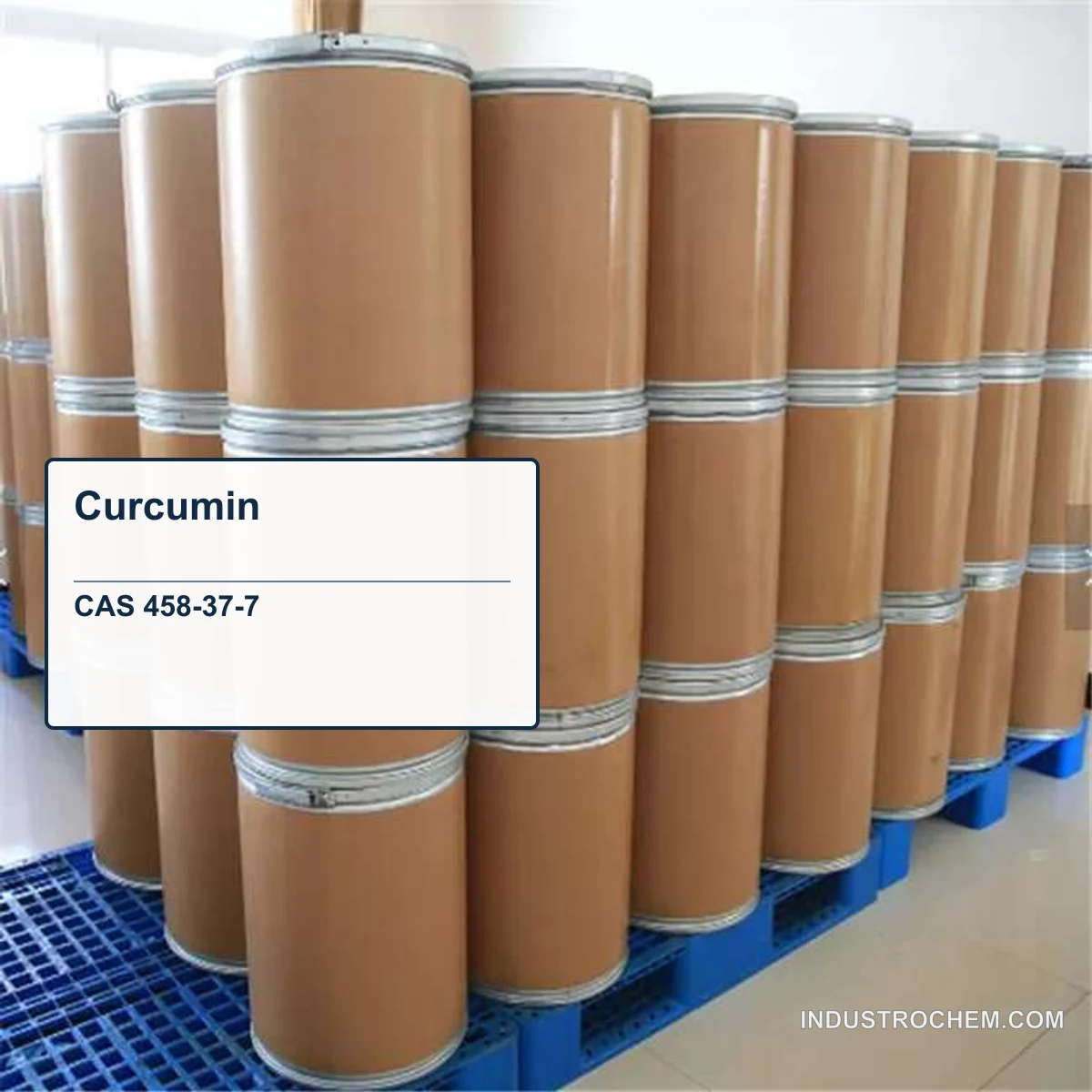
- Package: 1 kg aluminum foil bag; 25 kg fiber drum with double PE liner or customized industrial packing
Product Description
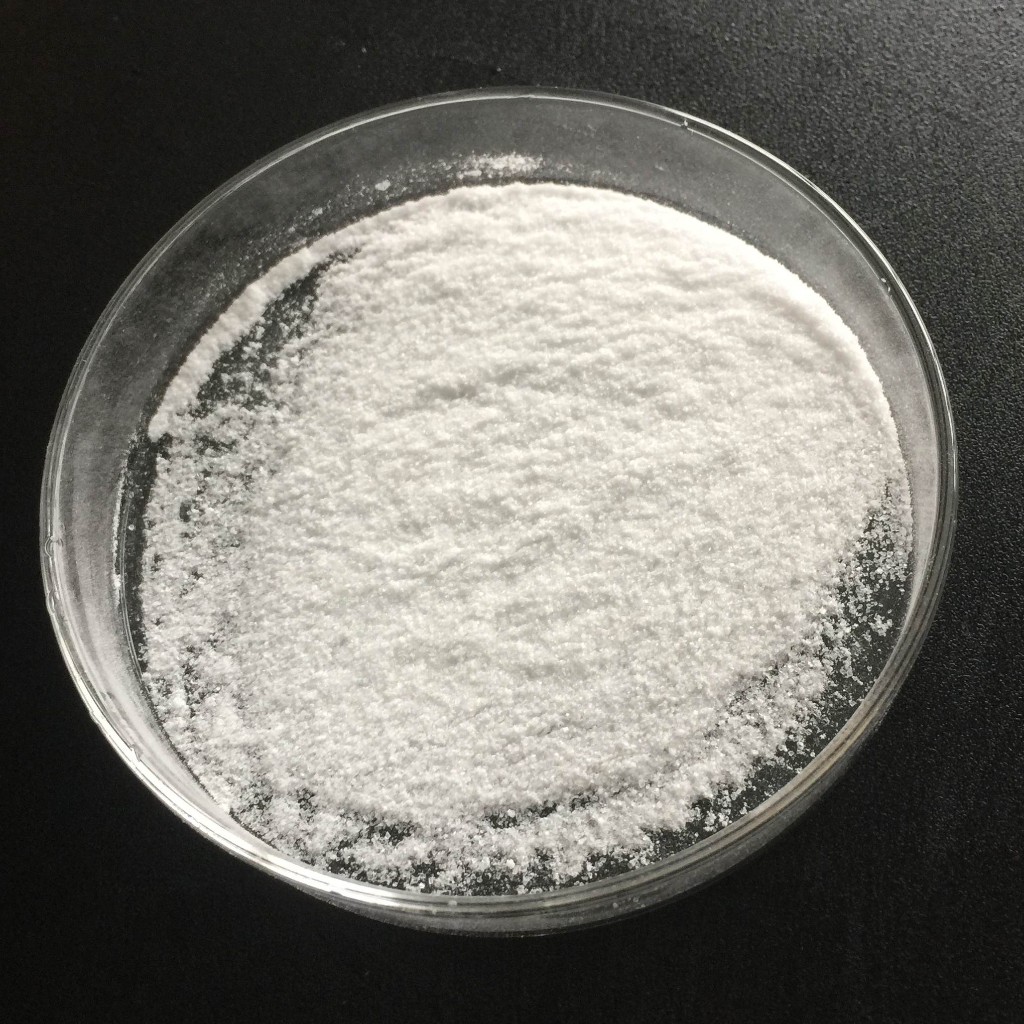
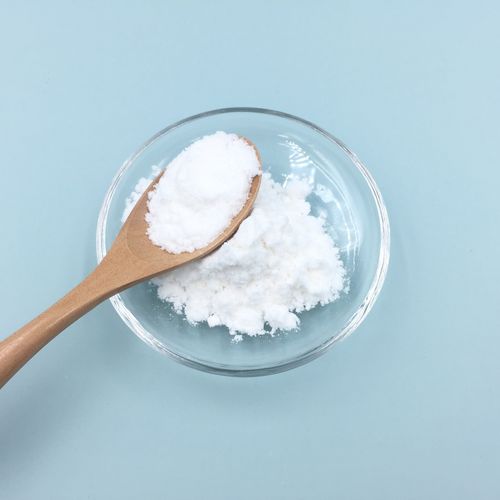
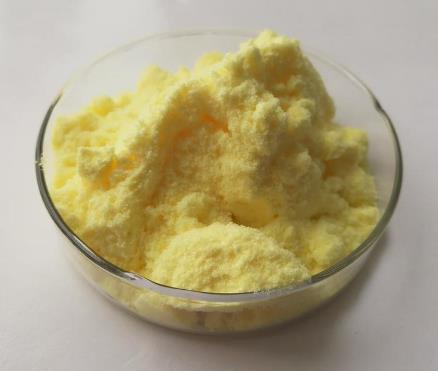
Caffeic Acid Powder (CAS 331-39-5) is a naturally occurring phenolic acid widely used in pharmaceuticals, nutraceuticals, foods and personal-care formulations for its strong antioxidant and anti-inflammatory performance. It is typically supplied as a light yellow to tan crystalline powder with high purity and consistent batch quality, suitable for further formulation or as an active ingredient.
📧 Email: info@industrochem.com – contact our technical sales team for COA, TDS and latest bulk price.
Physicochemical Properties
| Parameter | Value / Description |
|---|---|
| Chemical Name | Caffeic acid |
| Synonyms | 3,4-Dihydroxycinnamic acid; 3-(3,4-dihydroxyphenyl)acrylic acid |
| CAS No. | 331-39-5 |
| Einecs (EC No.) | 206-361-2 |
| Molecular Formula | C₉H₈O₄ |
| Molecular Weight | ≈180.16 g/mol |
| Appearance | Light yellow to yellow-tan crystalline powder |
| Purity (typical) | ≥98% HPLC (higher grades on request) |
| Melting Point | ~211–213 °C (decomposition, literature) |
| Boiling Point (estimate) | ~273 °C (rough estimate) |
| pKa (phenolic group) | ~4.6 (predicted) |
| LogP (octanol/water) | ~1.2 (estimated) |
| Solubility (water) | Sparingly soluble in cold water, soluble in hot water |
| Solubility (organic) | Soluble in ethanol (approx. 50 mg/mL) and other polar organic solvents |
| Color Stability | Sensitive to air, light and alkaline conditions; may darken on prolonged exposure |
| Stability / Reactivity | Stable under recommended storage; combustible; avoid strong oxidizing agents & bases |
| Recommended Storage | Sealed container, cool, dry, protected from light; typically 2–8 °C |
Note: Specific product specifications (assay, impurities, loss on drying, heavy metals, etc.) can be adjusted according to your quality standard (pharma, food, cosmetic). Contact 📧 info@industrochem.com for detailed COA.
Applications
1. Nutraceuticals & Functional Foods
- Used as a natural antioxidant in dietary supplements and functional beverages to help reduce oxidative stress.
- Often combined with other polyphenols (e.g., chlorogenic acid, ferulic acid) in formulations derived from coffee, fruits or herbal extracts.
2. Pharmaceutical & Biomedical Research
- Employed as an intermediate and reference standard in the research of anti-inflammatory, anti-oxidative and potential anti-tumor agents.
- Investigated as an inhibitor of enzymes such as 5-lipoxygenase and certain lipoxygenases/demethylases, and used in studies on cardiovascular and neuroprotective effects.
3. Cosmetic & Personal Care
- Added to skin-care products, sunscreens and anti-aging formulas as a natural antioxidant to help protect skin from oxidative damage and support barrier function.
- Used in whitening/brightening and anti-photoaging formulations in combination with vitamins, plant extracts and UV-filters.
4. Food Antioxidant & Preservation
- Applied as a natural antioxidant in oils, fats and processed foods to inhibit lipid oxidation and extend shelf life.
- Suitable for use in clean-label formulations where synthetic antioxidants are restricted or not preferred.
5. Other Uses
- Intermediate for fine chemicals and flavor ingredients.
- Widely used as a laboratory reagent and calibration standard in analytical methods (HPLC/LC-MS) to quantify polyphenols in plant extracts and foods.
Storage Conditions
To maintain product stability and color:
- Temperature:
- Store at 2–8 °C in a cool place. Short-term storage at room temperature during transportation is acceptable if protected from heat and light.
- Packaging & Sealing:
- Keep in tightly closed, light-resistant containers (aluminum foil bags or fiber drums with inner PE liners).
- Reseal the bag or drum promptly after each use to minimize exposure to air and moisture.
- Environment:
- Store in a dry, well-ventilated warehouse, away from direct sunlight and heat sources.
- Avoid contact with strong oxidizing agents and strong bases to prevent degradation and discoloration.
- Shelf Life:
- Under recommended storage conditions, typical shelf life is 24 months from production; re-test after expiry as per your internal quality procedures.
Safety Precautions
Caffeic acid is generally handled as a laboratory/industrial chemical; appropriate occupational safety measures must be followed:
- Hazard profile:
- Classified as an irritant; may cause eye, skin and respiratory irritation. Some assessments list it as a possible carcinogenic risk (e.g., IARC 2B), so exposure should be minimized.
- Personal protective equipment (PPE):
- Wear appropriate protective gloves, lab coat or work clothing and safety glasses/goggles when handling the powder.
- Use dust mask or respirator if dust generation is likely.
- Handling:
- Avoid breathing dust and avoid contact with eyes, skin and clothing.
- Use in areas with adequate local exhaust ventilation to keep airborne dust below your internal exposure limits.
- First aid (general guidance):
- Inhalation: Move to fresh air; seek medical attention if irritation or discomfort persists.
- Skin contact: Wash thoroughly with soap and water.
- Eye contact: Rinse cautiously with clean water for several minutes; obtain medical advice if irritation continues.
- Ingestion: Rinse mouth and seek medical advice if a large amount is swallowed.
- Fire & spill:
- Combustible organic solid; keep away from open flame and high heat.
- For small spills, sweep up carefully to avoid dust formation; collect into suitable containers for disposal according to local regulations.
FAQ - Technical & Supply Chain
-
Q:
What is the primary industrial application of CAS 331-39-5?
A: CAS 331-39-5 is primarily used as a chemical intermediate for synthesizing high-value pharmaceutical compounds (such as CAPE) and as a functional antioxidant additive in stabilizing other chemical formulations. -
Q:
Is this powder soluble in water?
A: Caffeic Acid is only slightly soluble in cold water but dissolves readily in hot water and organic solvents like ethanol or ethyl acetate, which is the preferred method for incorporation into formulations.
Documents and Product Support
For product review and sourcing evaluation, supporting documents can be coordinated according to the product type, inquiry stage, and order requirements.
- COA for batch-based quality reference
- TDS for key physical and chemical information
- SDS / MSDS for handling, storage, and safety reference
- Packing information for sample, trial, and bulk orders
- Technical communication based on application and specification requirements
Information to Confirm Before Quotation
Clear sourcing information helps reduce specification mismatch and allows a more accurate quotation before sample or bulk order discussion.
- Product name and CAS number
- Application or intended end use
- Required purity, grade, or specification
- Sample quantity, trial order, or bulk demand
- Preferred packing form or net weight
- Destination country or port
- Required documents or compliance expectations
Packaging, Storage, and Handling Notes
Packaging form, storage conditions, shelf life, and shipment arrangements should be confirmed according to the product characteristics, package size, and destination requirements.
Before order confirmation, buyers are advised to review the corresponding product documents and confirm whether any special storage, labeling, or handling requirements apply.
Sample, Bulk Order and Repeat Supply Support
Support can be arranged for sample discussion, bulk supply planning, packaging confirmation, and routine sourcing communication based on the actual product and order requirements.
For repeat-use formulations or long-term procurement plans, buyers may discuss specification consistency, packaging preferences, delivery expectations, and document coordination in advance.