









Alpha Lipoic Acid is a sulfur‑containing organic compound supplied as a chemical raw material and intermediate, also commonly referred to as α‑lipoic acid, thioctic acid, or 1,2‑dithiolane‑3‑pentanoic acid in technical and regulatory documentation. Identified by CAS 1077‑28‑7, it features a cyclic disulfide structure that participates in redox reactions and serves as a functional building block in formulated industrial systems. The material is typically applied as an antioxidant intermediate in regulated manufacturing processes where defined purity and molecular consistency are required. From a supply perspective, it is provided with competitive factory pricing, customized specifications, and complete documentation including MSDS, TDS, COA, suitable for regulated bulk supply for industrial use.
Alpha Lipoic Acid CAS 1077-28-7
- CAS: 62-46-4
- Synonyms: Alpha lipoic acid, α-Lipoic acid, Thioctic acid, 1,2-Dithiolane-3-pentanoic acid
- Molecular Formula: C8H14O2S2
- Grade: Industrial grade 98%
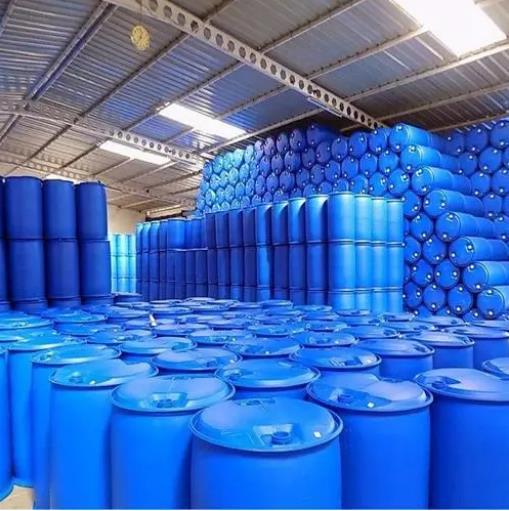
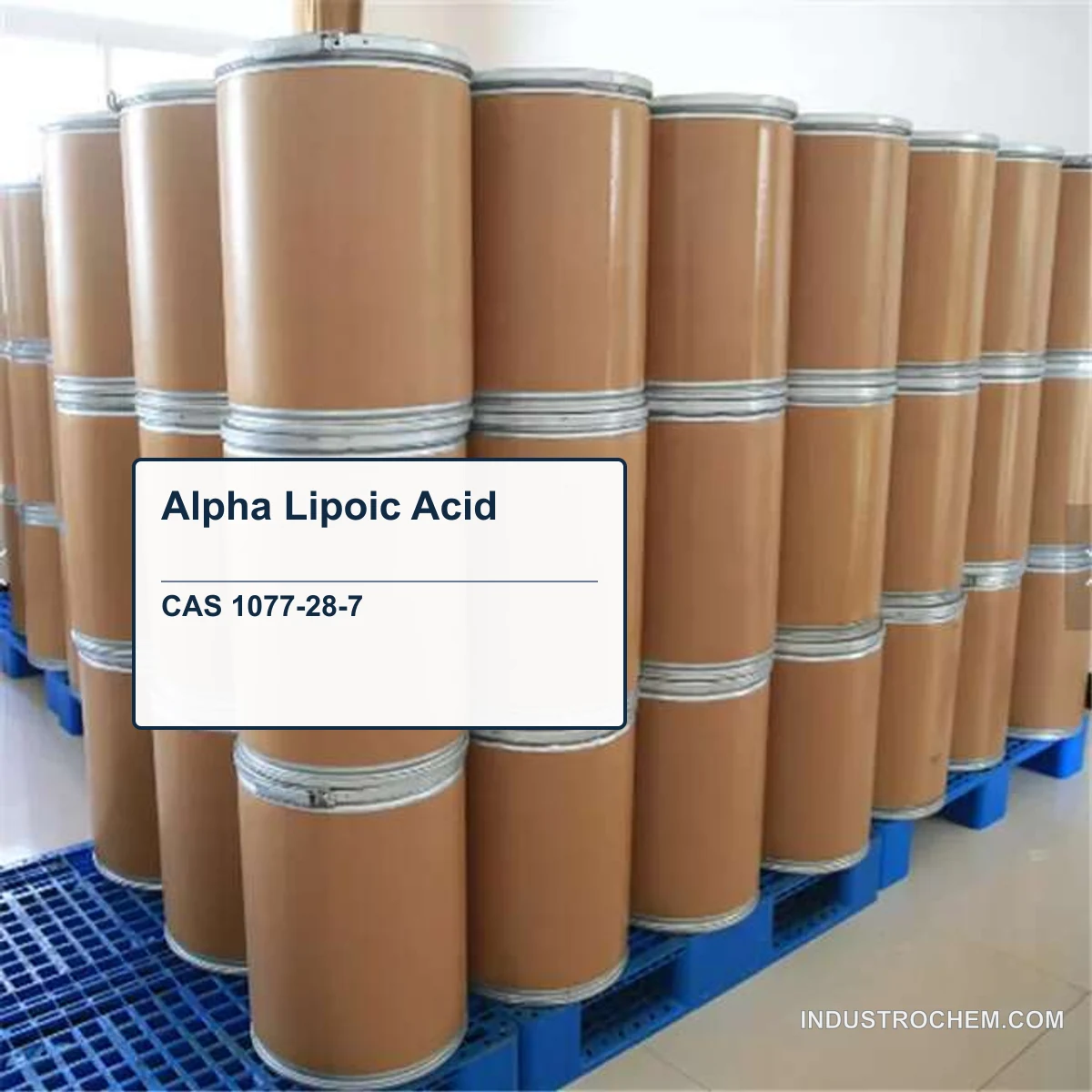
- Package: 200kg iron drum or 50kg plastic drum packaging
Product Description
lipoic acid
aliases: DL-Alpha-lipoic acid; DL-α-lipoic acid;
CAS Number: 62-46-4
Formula: C8H14O2S2
Molecular weight: 206.32600
Density: 1.218 g/cm3
Melting point: 48-52 °C(lit.)
Boiling point: 160-165ºC
Flash point: >230 °F
Vapor pressure: 3.07E-06mmHg at 25°CAppearance: It is a light yellow powdery crystal, almost odorless. This product is almost insoluble in water, and the solubility in water is 1 g/L (20°C). Soluble in 10% NaOH solution and soluble in aliphatic solvents. It is soluble in ethanol, chloroform, ether.Specification: 25kg/cardboard drum
Uses:B vitamins are used to treat acute and chronic hepatitis, cirrhosis, hepatic coma, fatty liver, diabetes, etc
FAQ - Technical & Supply Chain
-
Q:
Is alpha lipoic acid supplied as an industrial raw material rather than a finished formulation?
A: Yes. It is typically supplied as a raw material or intermediate intended for further industrial processing or formulation. -
Q:
Does USP/EP grade refer to a different CAS number?
A: No. USP and EP grades describe specification standards, while the chemical identity and CAS number remain the same.
Documents and Product Support
For product review and sourcing evaluation, supporting documents can be coordinated according to the product type, inquiry stage, and order requirements.
- COA for batch-based quality reference
- TDS for key physical and chemical information
- SDS / MSDS for handling, storage, and safety reference
- Packing information for sample, trial, and bulk orders
- Technical communication based on application and specification requirements
Information to Confirm Before Quotation
Clear sourcing information helps reduce specification mismatch and allows a more accurate quotation before sample or bulk order discussion.
- Product name and CAS number
- Application or intended end use
- Required purity, grade, or specification
- Sample quantity, trial order, or bulk demand
- Preferred packing form or net weight
- Destination country or port
- Required documents or compliance expectations
Packaging, Storage, and Handling Notes
Packaging form, storage conditions, shelf life, and shipment arrangements should be confirmed according to the product characteristics, package size, and destination requirements.
Before order confirmation, buyers are advised to review the corresponding product documents and confirm whether any special storage, labeling, or handling requirements apply.
Sample, Bulk Order and Repeat Supply Support
Support can be arranged for sample discussion, bulk supply planning, packaging confirmation, and routine sourcing communication based on the actual product and order requirements.
For repeat-use formulations or long-term procurement plans, buyers may discuss specification consistency, packaging preferences, delivery expectations, and document coordination in advance.