
Chemical products

Bismuth Subcarbonate CAS 5892-10-4

Bismuth Subcarbonate, CAS 5892-10-4, is a white to off-white powder also known as basic bismuth carbonate or bismuth oxycarbonate. It is used in radiopaque polymer formulations, ceramics and enamel fluxes. The quoted grade specifies bismuth assay and its reporting basis, impurity limits and particle size for the application.

  • CAS: 5892-10-4
  • Synonyms: Bismuth subcarbonate; Basic bismuth carbonate; Bismuth oxycarbonate; Bismuth(III) carbonate basic
  • Einecs: 227-567-9
  • Molecular Formula: Bi₂O₂CO₃
  • Grade: Industrial and fine powder grades; compendial requirements quoted separately by named standard and edition.
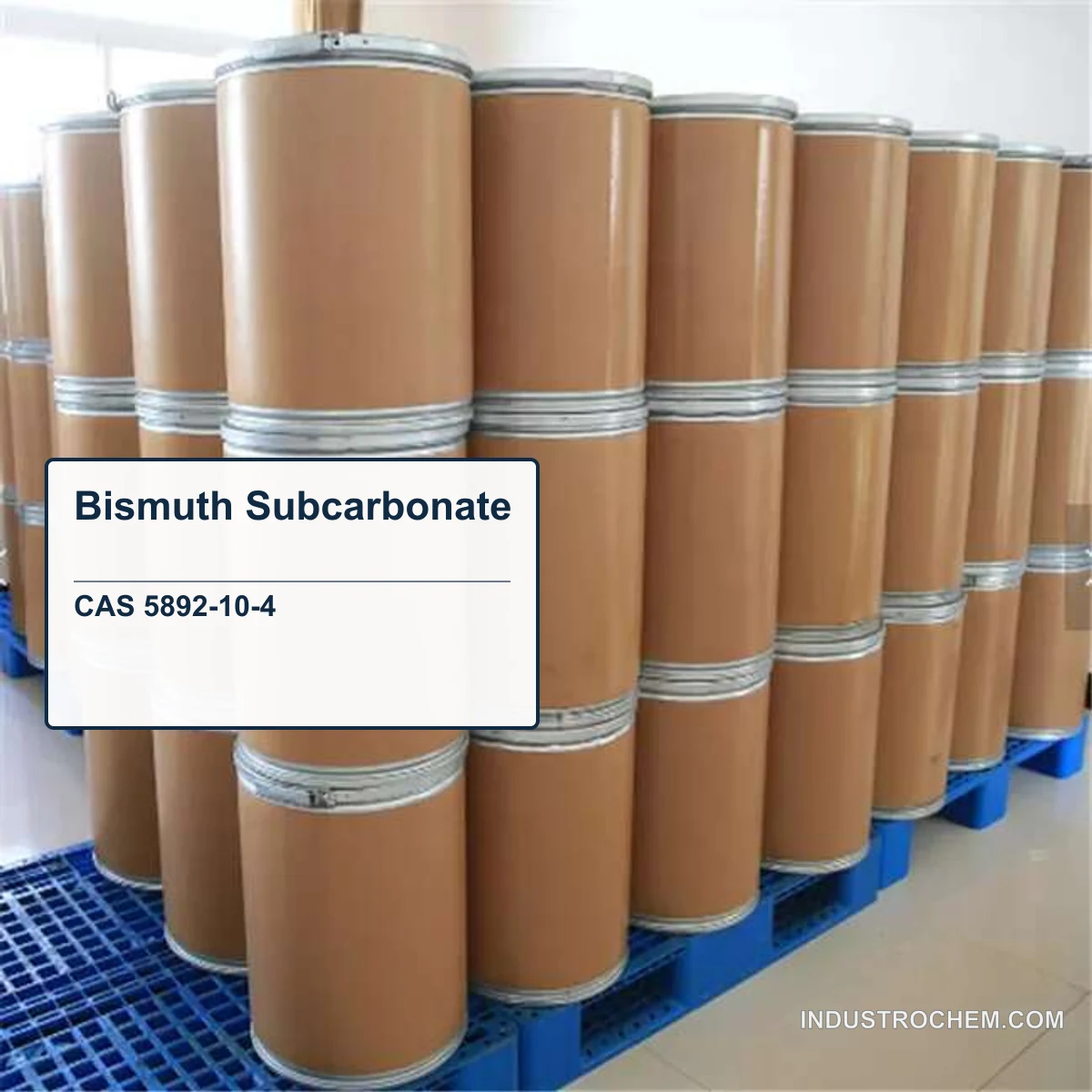
  • Package: Closed fibre drums; pack size stated with the quoted grade and quantity. Protect from light and moisture.
Request a quote
Share:

Product Description

Bismuth subcarbonate identity and grades

Bismuth subcarbonate, basic bismuth carbonate and bismuth oxycarbonate identify CAS 5892-10-4. Its formula is (BiO)₂CO₃, also written as Bi₂O₂CO₃, with a formula mass of approximately 509.97 g/mol. It is a basic oxycarbonate, distinct from neutral bismuth carbonate and bismuth subnitrate.

Industrial and fine powder grades are quoted to the required assay, impurity limits and particle size. For a compendial enquiry, the offer identifies the named standard, edition and tests covered. An industrial or analytical specification alone does not establish suitability for a medicine or medical device.

Assay, impurities and quality guarantee

Elemental bismuth content and assay calculated as (BiO)₂CO₃ use different reporting bases. Some dried-basis grade specifications show 80–82.5% elemental Bi; this is not a statement that the powder contains 17.5–20% foreign impurities. The quotation and COA identify the applicable grade, calculation basis and whether results are reported on dried or as-received material.

Supply quality is guaranteed against the bismuth subcarbonate identity, grade and specification agreed for the order. Acceptance limits cover the applicable assay, loss on drying, particle size and selected impurities, such as lead, arsenic, copper, silver, chloride, nitrate or sulfate. Complexometric EDTA assay measures bismuth after suitable sample dissolution; it does not replace individual impurity tests. Where low elemental limits are required, a suitable method such as ICP-OES or ICP-MS is agreed with the necessary sample preparation and method validation.

Applications and related raw materials

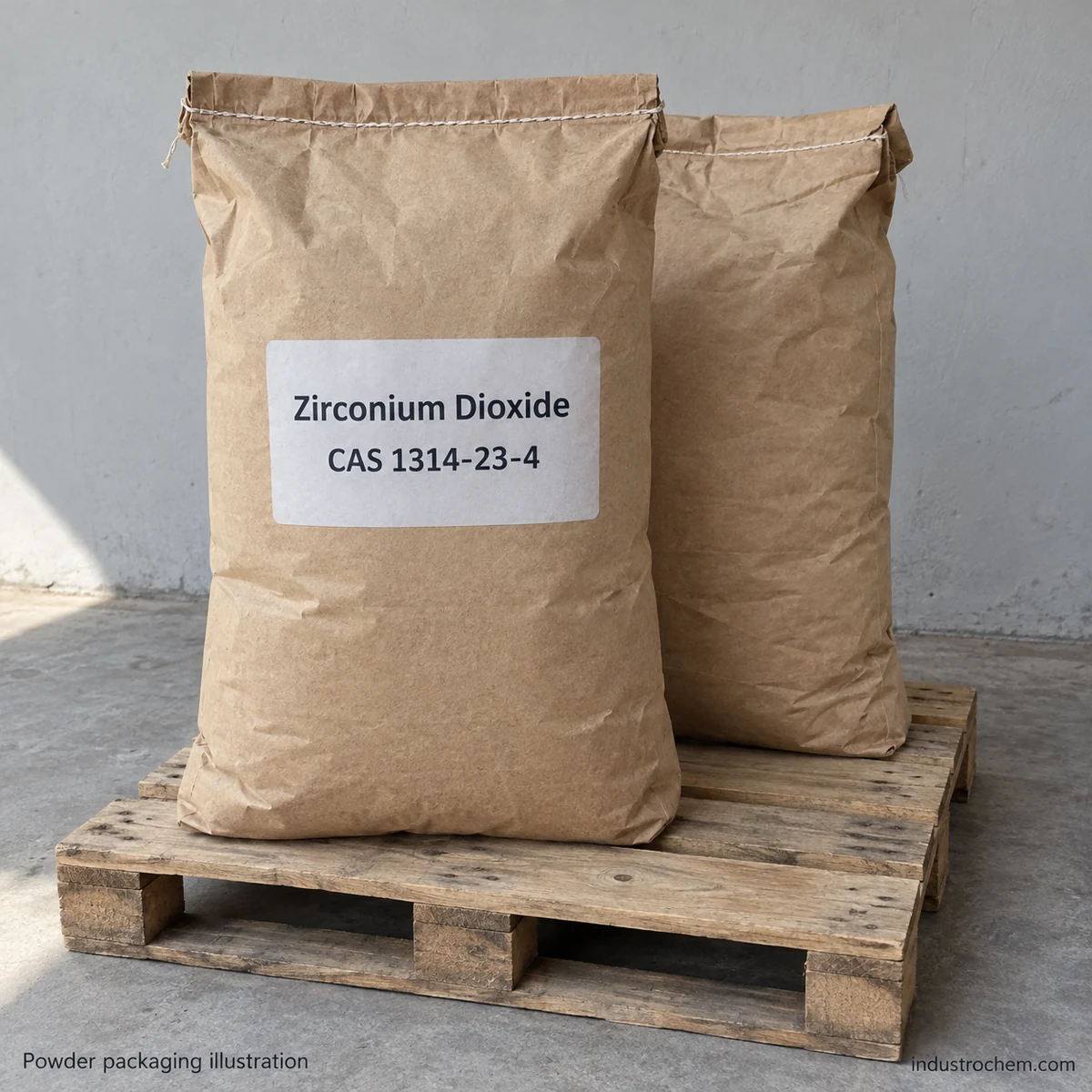
For radiopaque polymer formulations, particle-size distribution, dispersion and filler loading affect processing and X-ray visibility. Barium sulfate is another radiopaque polymer filler, while zirconium dioxide is evaluated in selected resin and cement systems. Their loading, phase requirements and qualification differ; neither is assumed to be an equal-weight replacement for bismuth subcarbonate.

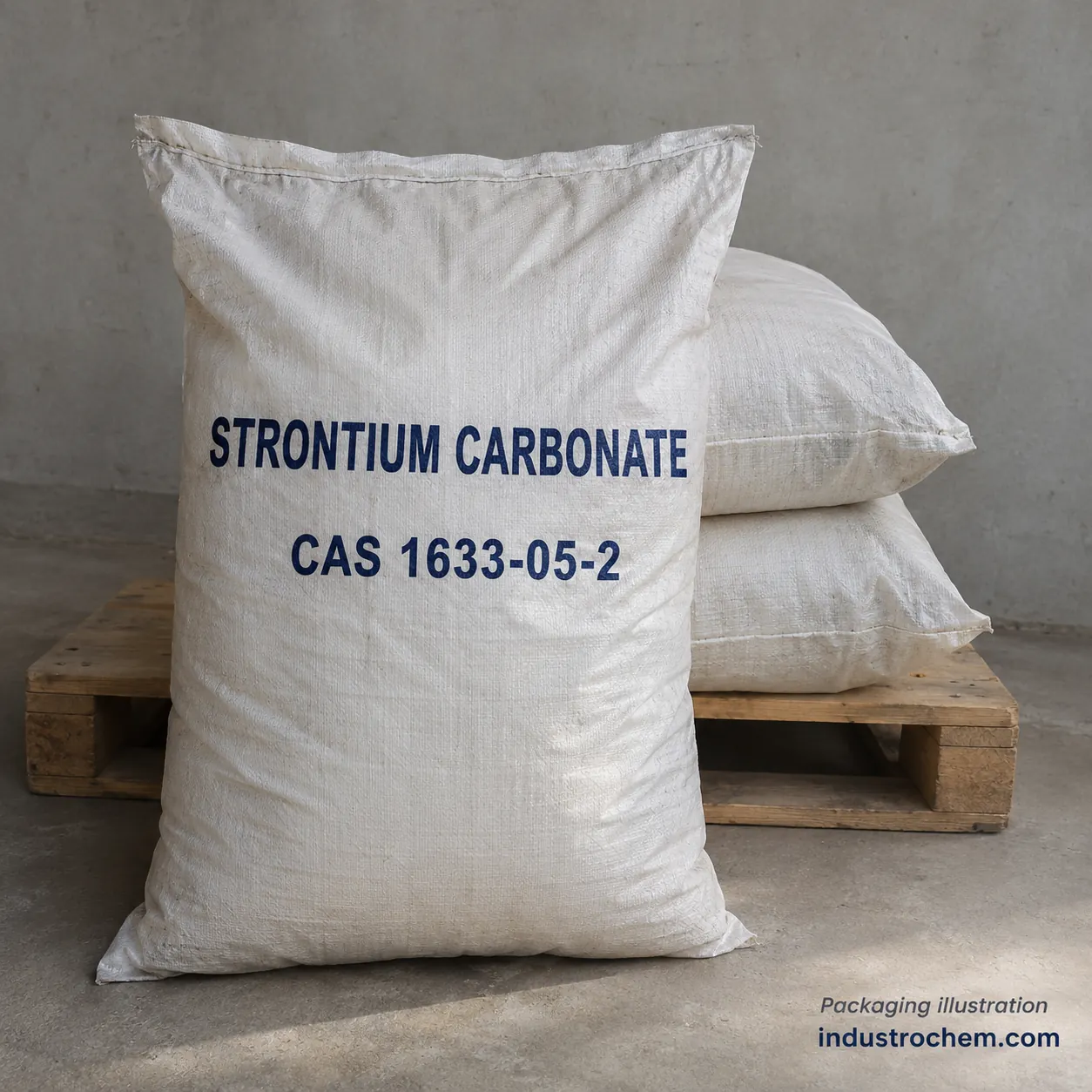
Bismuth subcarbonate is also used in ceramics and enamel fluxes. Strontium carbonate is a separate SrO-source raw material for ceramic glazes. Its oxide contribution and firing behaviour differ from those of a bismuth-containing flux, so the formulation and firing schedule determine the choice.

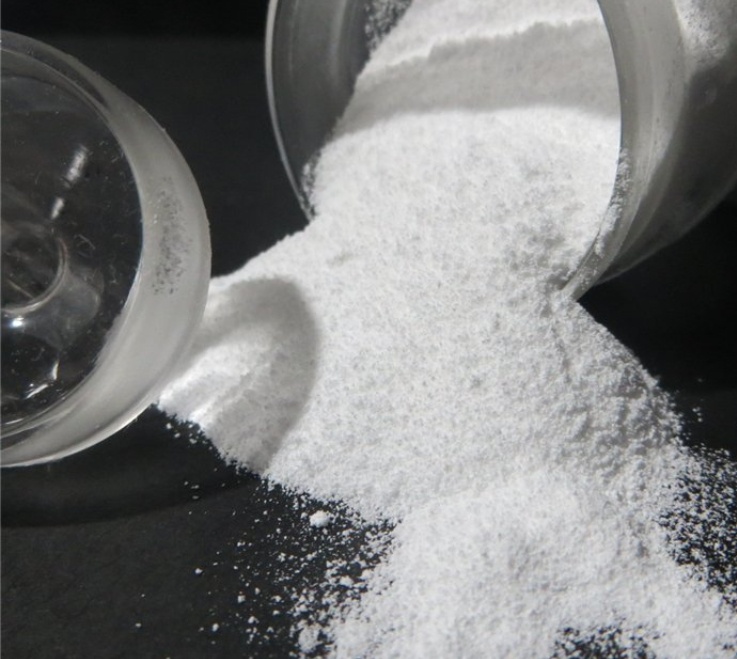
For producers using aqueous precipitation routes, sodium carbonate is an upstream carbonate reagent for forming bismuth oxycarbonate. Its purity and impurity limits are selected for the required finished-product quality.

Packaging, documents and quotations

Closed fibre drums are a suitable industrial packaging format for the powder. Pack size is stated with the quoted grade and quantity. Keep containers tightly closed, dry and protected from light; storage and transport requirements are provided for the supplied grade.

We can provide a Certificate of Analysis (COA), Technical Data Sheet (TDS) and Safety Data Sheet (SDS), together with applicable bismuth assay, impurity, moisture or loss-on-drying and particle-size data. For a quotation, send the required grade or application, quantity and destination; include any critical specification or named compendial standard.

FAQ - Technical & Supply Chain

  • Q:

    Are bismuth subcarbonate and basic bismuth carbonate the same material?

    A: Yes. These names, along with bismuth oxycarbonate, identify CAS 5892-10-4, formula (BiO)₂CO₃. Neutral bismuth carbonate and bismuth subnitrate are different materials. The grade, assay basis and particle-size requirements are specified separately in the offer.
  • Q:

    Why do some dried-basis bismuth subcarbonate specifications show 80–82.5% Bi?

    A: The 80–82.5% range in those grade specifications is expressed as elemental bismuth content on the dried basis, not the overall purity of the oxycarbonate powder. Assay calculated as (BiO)₂CO₃ uses a different reporting basis. The agreed specification and COA state the applicable grade, calculation basis and whether each result is reported on dried or as-received material.
  • Q:

    How is bismuth subcarbonate supply quality guaranteed?

    A: Supply is guaranteed against the identity, grade, applicable assay, impurity limits and particle-size specification agreed for the order. COA/TDS/SDS and relevant quality data can be provided. Complexometric assay and individual impurity results use their stated methods; one assay value does not establish every impurity limit.
  • Q:

    How should a grade be selected for radiopaque polymers or ceramics?

    A: For radiopaque polymers, specify particle-size distribution and the requirements for dispersion, loading and X-ray visibility. Ceramic and enamel applications also depend on impurity limits and firing behaviour. Pharmaceutical or medical-device requirements are quoted separately against the named standard and qualification needs; industrial-grade identity alone is insufficient.
  • Q:

    What packaging and quotation information apply to bismuth subcarbonate?

    A: Closed fibre drums are suitable for industrial powder supply. The quotation states pack size and applicable storage and transport conditions; containers should remain dry, tightly closed and protected from light. Send the required grade or application, quantity and destination, with any critical assay or particle-size limits.

Ordering & Documentation

Key information for document requests, quotations, and supply planning.

Documents

Tell us which documents your procurement team needs. Before an order, we will check whether the quoted source can provide them for the offered lot.

Quotation

Send the CAS number, grade, quantity, packing preference and destination.

Sample & Supply

Ask whether samples, trial quantities or repeat orders are possible. We will check each request against the sourced product and current offer.

Storage & Shipping

Product-specific conditions are confirmed before order.

Contact Form

Use our contact form to send us your questions, suggestions or comments. We will respond as soon as possible.
For a quotation, please include the product name or CAS number, quantity, grade or application, and destination country or port. Tell us if you need a sample, COA, TDS or SDS.