










Saccharide Isomerate, CAS 100843-69-4, is a plant-derived carbohydrate isomerate supplied as an aqueous solution for long-lasting skin hydration in skin-care and personal-care formulations. Confirm the required grade, then request a quotation with COA/TDS/SDS for bulk supply.
Saccharide Isomerate CAS 100843-69-4
- CAS: 100843-69-4
- Synonyms: Isomerized Saccharide, Carbohydrate Isomerate, D-Glucopyranose isomerized, Bio-saccharide gum, Corn-derived saccharide complex
- Molecular Formula: C₆H₁₂O₆
- Grade: Cosmetic Grade / Personal Care Grade, ~50% active aqueous solution
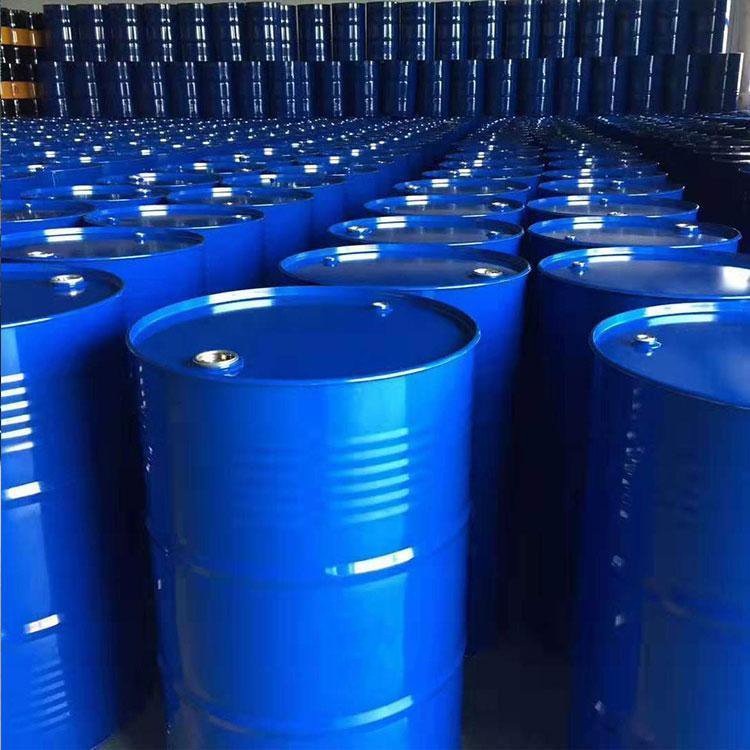
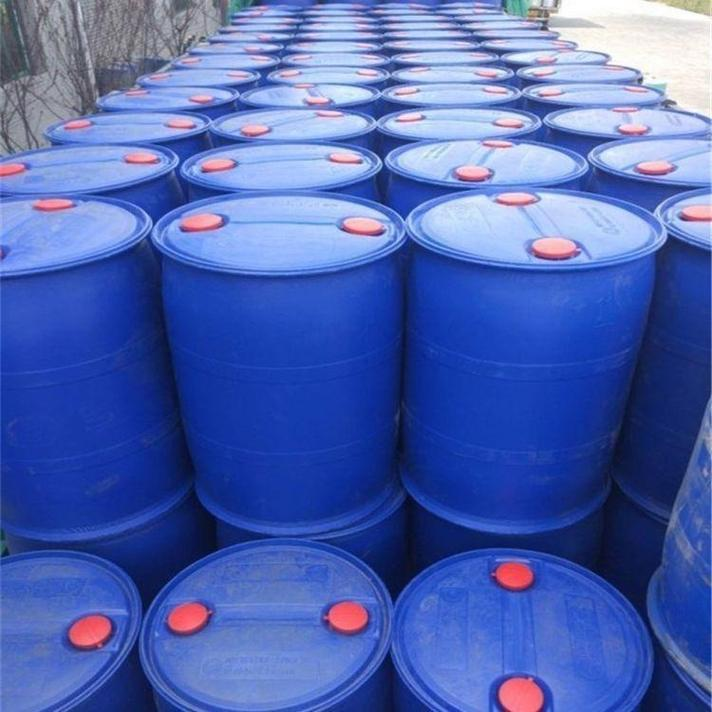
- Package: 25 kg plastic drum (other pack sizes such as 200 kg drum available on request)
Product Description
Saccharide Isomerate, CAS 100843-69-4, also known as isomerized saccharide or carbohydrate isomerate, is a plant-derived carbohydrate complex produced by isomerizing sugars such as D-glucose.
Synonyms: isomerized saccharide; carbohydrate isomerate; D-glucopyranose isomerized; bio-saccharide gum; corn-derived saccharide complex.
CAS: 100843-69-4.
Representative molecular formula (sugar monomer): C₆H₁₂O₆.
It is supplied mainly as a concentrated aqueous solution, typically about 50% active, in cosmetic or personal-care grade.
It is a clear, yellowish to light-amber, slightly viscous liquid with a mild, slightly sweet odor.
The assay (saccharide isomerate) is 50.0 ± 2.0% w/w; the pH as supplied at 20–25 °C is 4.0–5.0.
Density at 20 °C is about 1.25–1.35 g/cm³ and viscosity at 25 °C is typically 300–700 mPa·s.
It is completely soluble in water at all ratios and soluble in ethanol; heavy metals are ≤10 ppm total and microbial limits meet cosmetic requirements.
It binds to keratin in the stratum corneum and acts like the natural carbohydrate complex, providing long-lasting hydration often described as up to 72 hours.
It is used in creams, lotions, serums, masks, cleansers, toners, body care and hair care as a humectant and skin-conditioning active.
Typical use levels are about 1.0–5.0% in leave-on formulations and 0.2–1.0% in rinse-off products.
It is water-soluble and stable under typical cosmetic processing, suitable for the aqueous phase of cold- or hot-process emulsions, gels and toners.
Confirm active content, appearance, pH, color, preservative status, heavy metals and microbial limits; specify the desired application and use level.
Store in tightly closed containers in a cool, dry place away from direct sunlight; use appropriate liquid-handling controls.
Confirm packaging with the requested quantity and destination requirements.
Document requirements should be confirmed from the current specification, SDS, COA or other product-specific files.
The page is an RFQ entry point and does not state stock, price, MOQ or fixed lead time.
For an RFQ, state the intended use, required grade, active content, quantity, packaging, destination and document needs.
FAQ - Technical & Supply Chain
-
Q:
What is Saccharide Isomerate CAS 100843-69-4?
A: Saccharide Isomerate is a plant-derived carbohydrate complex produced by isomerizing sugars such as D-glucose. In cosmetics it is supplied mainly as an aqueous solution, typically around 50% active, and is known for its long-lasting skin-hydration effect. -
Q:
How does Saccharide Isomerate hydrate the skin?
A: It binds to keratin in the stratum corneum and acts like the skin's natural carbohydrate complex. This creates a moisture reservoir that can help maintain hydration for an extended period, often described as up to 72 hours, rather than only providing short-term water attraction. -
Q:
How is Saccharide Isomerate different from Glycerin?
A: Glycerin mainly attracts water through hygroscopicity. Saccharide Isomerate is designed to bind more persistently to keratin and support the skin's natural moisturizing function, which gives a longer-lasting hydration benefit and a different sensory profile. -
Q:
Can Saccharide Isomerate be used in cold-process formulations?
A: Yes. It is water-soluble and stable under typical cosmetic processing conditions. It can be added to the aqueous phase of cold- or hot-process emulsions, gels, toners, serums, and rinse-off products. -
Q:
What are the main cosmetic applications and use levels?
A: It is used in creams, lotions, serums, masks, cleansers, toners, body care, and hair care. Typical use levels are around 1-5% in leave-on products and 0.2-1% in rinse-off products, depending on the desired hydration benefit. -
Q:
What should be checked when sourcing Saccharide Isomerate?
A: Confirm active content, appearance, pH, color, preservative status, heavy metals, and microbial limits. Store it in tightly closed containers in a cool, dry place away from direct sunlight, and use appropriate liquid-handling controls.
Ordering & Documentation
Key information for document requests, quotations, and supply planning.
Documents
Tell us which documents your procurement team needs. Before an order, we will check whether the quoted source can provide them for the offered lot.
Quotation
Send the CAS number, grade, quantity, packing preference and destination.
Sample & Supply
Ask whether samples, trial quantities or repeat orders are possible. We will check each request against the sourced product and current offer.
Storage & Shipping
Product-specific conditions are confirmed before order.

