






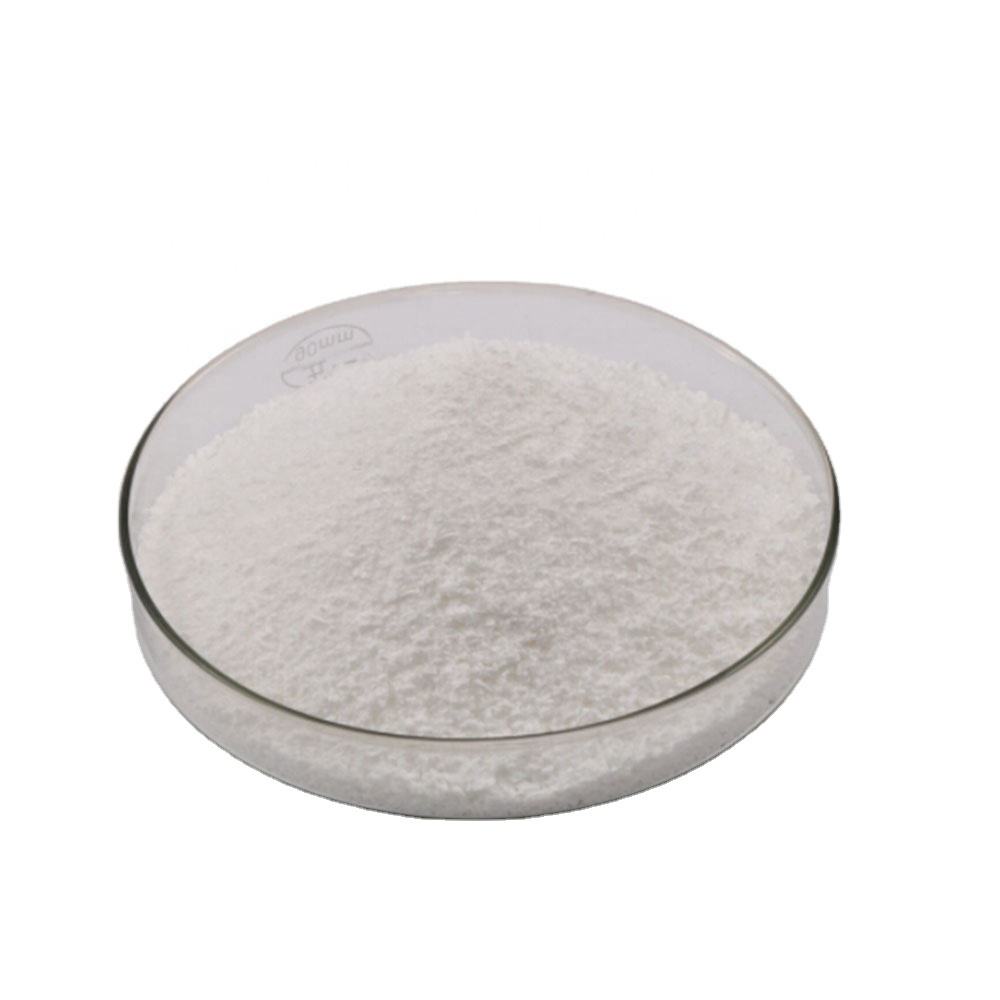
Methylparaben (CAS 99-76-3), chemically identified as methyl 4-hydroxybenzoate, is a broad-spectrum antimicrobial agent functioning as a critical preservative in cosmetic and pharmaceutical formulations. This crystalline ester, also technically referred to as methyl p-hydroxybenzoate or 4-hydroxybenzoic acid methyl ester, serves to inhibit the growth of molds, yeasts, and bacteria in aqueous systems, ensuring the shelf-life stability of creams, lotions, and surfactant products. We provide bulk supply of this preservative ingredient with competitive factory pricing to support high-volume manufacturing needs. Our compliance framework ensures rigorous purity standards, making MSDS, TDS, COA available alongside customized specifications to meet pharmacopeial or cosmetic grade requirements.
Methylparaben CAS 99-76-3
- CAS: 99-76-3
- Synonyms: methyl 4-hydroxybenzoate, methyl p-hydroxybenzoate, 4-hydroxybenzoic acid methyl ester, p-carbomethoxyphenol, methyl parahydroxybenzoate
- Einecs: 202-785-7
- Molecular Formula: C8H8O3
- Grade: Pharmaceutical / Cosmetic / Food Grade
- Package: 25 kg fiber drum or carton with inner PE bag; other packaging available on request
Product Description
Methylparaben MP (Methyl 4-hydroxybenzoate) is a widely used, broad-spectrum preservative for pharmaceuticals, personal care products, and food. It effectively inhibits the growth of bacteria, yeast, and molds, helping manufacturers stabilize formulations and extend product shelf life.
📧 Email: info@industrochem.com – Contact our technical sales team for the latest factory price, COA, MSDS and sample support.
Physicochemical Properties
| Item | Specification / Typical Value |
|---|---|
| Chemical Name | Methylparaben; Methyl 4-hydroxybenzoate |
| CAS | 99-76-3 |
| Einecs / EC No. | 202-785-7 |
| Molecular Formula | C₈H₈O₃ |
| Molecular Weight | 152.15 g/mol (approx.) |
| Appearance | White or almost white crystalline powder / crystals |
| Odor | Odorless or faint characteristic odor, slightly burning taste |
| Assay (on dry basis) | 99.0–100.5% Methylparaben |
| Melting Point | 125–128 °C |
| Boiling Point (decomp.) | ~270–280 °C (decomposes before boiling) |
| Density / Specific gravity | ~1.36–1.38 g/cm³ at 20–25 °C |
| pH (saturated aq. solution) | Approx. 5.7–5.8 at 20–25 °C |
| Solubility in water (25 °C) | Slightly soluble; about 0.25–0.30% w/w (≈1 g in 300–400 mL water) |
| Solubility in ethanol | Freely soluble; about 1 g in ~2.5 mL ethanol |
| Solubility in propylene glycol | About 1 g in ~4 mL propylene glycol |
| Solubility in oils & fats | Soluble in many fixed oils and cosmetic oils |
| Log Pow (octanol/water) | ~1.9–2.0 at 20 °C |
| pKa (phenolic OH) | ~8.1–8.4 (20 °C in water) |
| Stability | Stable under normal conditions; sensitive to strong oxidizers and strong bases |
| Shelf Life | Typically 24 months in original unopened package |
Applications
1. Cosmetics & Personal Care
- Used as a primary preservative in creams, lotions, shampoos, shower gels, wet wipes and color cosmetics.
- Often combined with other parabens or phenoxyethanol to broaden antimicrobial spectrum and improve performance at lower dosages.
2. Pharmaceuticals
- Preservative for oral liquids (syrups, suspensions), topical preparations (ointments, gels, creams) and some ophthalmic/otic preparations when used in approved combinations.
- Helps maintain microbiological stability during shelf life and after opening, especially in multi-dose containers.
3. Food & Beverage
- Used as an antimicrobial preservative (E218) in selected food categories according to local food additive regulations.
- Effective against molds and yeasts in high-moisture food systems when used together with other preservatives or hurdle technologies.
4. Other Industrial Uses
- Preservative for certain industrial emulsions, coatings and specialty chemical formulations where low-toxicity antimicrobial protection is required.
Storage Conditions
To ensure product quality over its shelf life, we recommend:
- Store in tightly closed original containers, protected from moisture and direct sunlight.
- Keep in a cool, dry and well-ventilated warehouse; recommended storage temperature is generally below 25 °C.
- Avoid high temperature and high humidity environments that may cause caking or degradation.
- Keep away from strong oxidizing agents and strong bases.
When stored as recommended and kept sealed, typical shelf life is 24 months from production date (exact shelf life can be specified on COA/label according to your factory standard).
Safety Precautions
- Handling
- Avoid generating or breathing dust; fine dust in air may form an explosive mixture with air.
- Use in well-ventilated areas; local exhaust is recommended for powder handling.
- Avoid contact with eyes and prolonged skin contact.
- Personal Protective Equipment (PPE)
- Safety glasses or goggles.
- Dust mask or suitable respirator if dust levels may be high.
- Protective gloves (e.g. nitrile) and work clothing.
- First Aid
- Inhalation: Move to fresh air, keep warm and at rest; seek medical attention if symptoms persist.
- Skin contact: Wash with soap and water; remove contaminated clothing.
- Eye contact: Rinse cautiously with water for several minutes; seek medical advice if irritation continues.
- Ingestion: Rinse mouth and seek medical advice; do not induce vomiting unless directed by medical personnel.
- Fire & Explosion
- Product itself is not highly flammable, but fine dust may pose a dust-explosion hazard. Avoid ignition sources, sparks and open flames in areas where dust is present.
- Environmental
- Avoid uncontrolled releases to the environment; follow local regulations for handling and disposal of waste and contaminated packaging.
FAQ - Technical & Supply Chain
-
Q:
What is Methylparaben?
A: Methylparaben, CAS 99-76-3, is the methyl ester of p-hydroxybenzoic acid. It is used as a preservative in cosmetics, pharmaceuticals and some food applications. -
Q:
How is Methylparaben different from Propylparaben?
A: Methylparaben has a methyl ester group and is more water-soluble than propylparaben. Propylparaben is more lipophilic, so the two are often combined to broaden antimicrobial activity across different product matrices. -
Q:
What is its effective pH range?
A: Methylparaben is generally stable and active over a broad pH range, commonly around pH 4-8. Efficacy still depends on the full formulation, temperature, solubility and other ingredients. -
Q:
What is a typical use level for Methylparaben?
A: Typical preservative use levels are commonly about 0.01% to 0.3%, depending on the product type and regulatory limits. Methylparaben is slightly soluble in water and freely soluble in ethanol, so formulation pH and phase distribution should be considered when setting the dose. -
Q:
What specifications should be checked before ordering?
A: Confirm assay, appearance, melting range, water, residue on ignition, related substances, heavy metals and microbial limits. Specify whether pharmaceutical, cosmetic or food grade is required so the supplier can match the correct monograph. -
Q:
How should Methylparaben be stored and handled?
A: Store in tightly closed, light-protected containers in a cool, dry place, away from strong oxidizers and incompatible materials. Use dust-control measures and suitable PPE, and follow the safety information.
Ordering & Documentation
Key information for document requests, quotations, and supply planning.
Documents
COA, TDS, SDS/MSDS and packing details are available on request.
Quotation
Send the CAS number, grade, quantity, packing preference and destination.
Sample & Supply
Support is available for samples, trial orders, bulk and repeat supply.
Storage & Shipping
Product-specific conditions are confirmed before order.


