









Chemical products
  • RDP Polymer Powder CAS 24937-78-8

RDP Polymer Powder CAS 24937-78-8

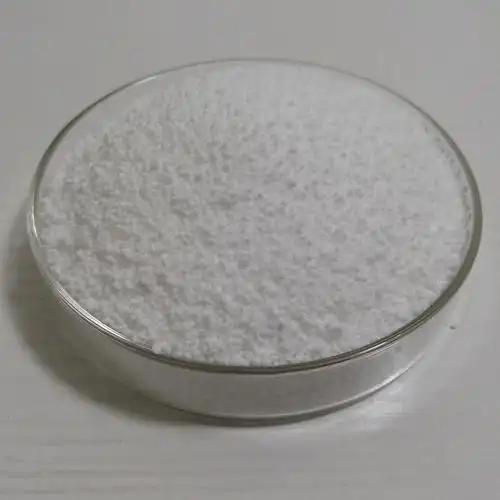
RDP Polymer Powder (CAS 24937-78-8) is a free-flowing, water-soluble white powder produced through the spray drying of an aqueous vinyl acetate-ethylene dispersion. Functioning primarily as an organic polymeric binder, this redispersible emulsion powder works by coalescing into a continuous, flexible polymer film upon water evaporation within cementitious systems. Frequently identified as VAE copolymer powder or ethylene vinyl acetate powder within the manufacturing sector, it acts as a critical structural modifier. This material is intended strictly for dry mortar formulations, where the redispersible latex powder enhances substrate adhesion, flexural strength, and overall matrix cohesion in the cured state. To support continuous manufacturing operations, we offer reliable bulk supply alongside mandatory MSDS, TDS, COA documentation for strict compliance and safety verification. Industrial facilities can leverage our competitive factory pricing and request customized specifications to align precisely with targeted structural or processing requirements.

  • CAS: 24937-78-8
  • Synonyms: Redispersible polymer powder, VAE copolymer powder, Ethylene vinyl acetate powder, Redispersible emulsion powder, Redispersible latex powder
  • Einecs: 607-457-0
  • Grade: Industrial / Construction Grade
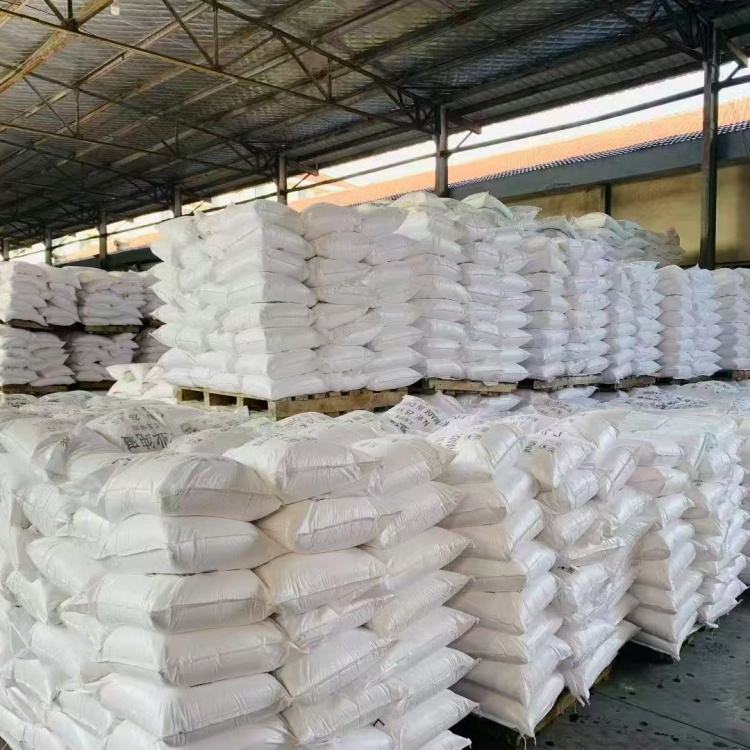
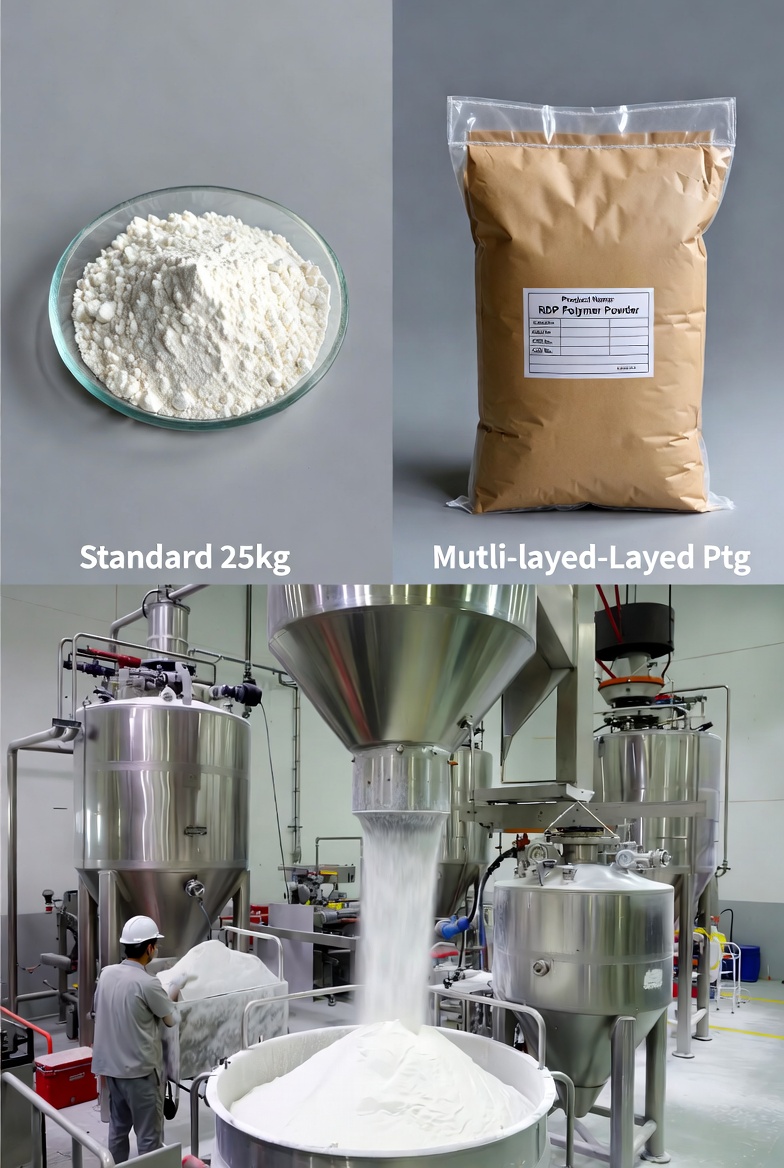
  • Package: 25kg multi-layer paper bags with PE liner
Request a quote
Share:

Product Description

Physicochemical Properties

PropertySpecification / Value
AppearanceWhite, free-flowing powder
Solid Content99% min
Ash Content (1000°C)10% ± 2%
Bulk Density400 – 600 g/l
Particle Size80 microns (average)
pH Value6.0 – 8.0 (50% water dispersion)
Min. Film-Forming Temp0°C

Industrial Applications

  1. Tile Adhesives & Grouts: Enhances water retention and provides the high bond strength necessary for large-format tiles and non-porous substrates.
  2. External Thermal Insulation Systems (ETICS/EIFS): Increases impact resistance and provides the flexibility required to withstand thermal expansion and contraction.
  3. Self-Leveling Compounds: Improves flowability and wear resistance while reducing the formation of surface cracks.
  4. Repair Mortars: Ensures superior adhesion to old concrete surfaces and improves the tensile strength of the patch material.
  5. Industrial R&D: Utilized in polymer science for developing advanced cement-polymer composites and flexible coating additives.

Quality Assurance & Laboratory Control

Our production facility operates under strict ISO 9001:2015 and GMP-aligned management protocols. Every batch of RDP undergoes rigorous testing to ensure consistency:

  • Film-Forming Analysis: Verification of MFFT and film flexibility.
  • Particle Size Distribution: Measured via laser diffraction to ensure rapid redispersion.
  • Performance Testing: Benchmarking adhesion strength in standardized mortar formulations.
  • Documentation: Every shipment is accompanied by a batch-specific COA (Certificate of Analysis) and updated MSDS.

For dry-mix mortar water-retention modifiers, see Hydroxypropyl Starch Ether (HPS).

Storage & Safety Guidelines

  • Storage: Store in a cool, dry, and ventilated warehouse. Keep away from moisture and direct sunlight. Due to the thermoplastic nature of the polymer, pallets should not be double-stacked to prevent “caking” under pressure.
  • Shelf Life: 12 months from the date of manufacture if stored in original sealed packaging.
  • Personal Protective Equipment (PPE): * Respiratory: Use a standard N95 or P2 dust mask to avoid inhalation of fine particulates.
    • Eyes: Safety goggles are recommended during bulk handling or mixing.
    • Skin: Wear standard industrial gloves and protective workwear to minimize prolonged skin contact.

FAQ - Technical & Supply Chain

  • Q:

    What is RDP Polymer Powder CAS 24937-78-8?

    A: It is a white, free-flowing redispersible polymer powder made by spray-drying an aqueous vinyl acetate-ethylene dispersion. When mixed with water it redisperses, and after water evaporation the polymer particles coalesce into a continuous flexible film in mortar systems.
  • Q:

    What is the difference between VAE copolymer powder and RDP?

    A: They describe the same type of vinyl acetate-ethylene redispersible polymer powder under CAS 24937-78-8. RDP is the general functional term, while VAE identifies the copolymer chemistry of the emulsion used to make the powder.
  • Q:

    Why is RDP powder used in tile adhesives and external insulation systems?

    A: It adds a flexible polymer film that improves adhesion to tiles, concrete, insulation boards, and difficult substrates. It also raises flexural strength, impact resistance, water resistance, and stress accommodation during thermal expansion and contraction.
  • Q:

    How does Tg or minimum film-forming temperature affect mortar performance?

    A: Lower MFFT helps film formation at lower application temperatures and improves flexibility, while higher Tg increases hardness and heat resistance. The listed product has an MFFT around 0 degrees C, making it suitable for low-temperature construction and flexible mortars.
  • Q:

    How should RDP Polymer Powder be stored to avoid caking?

    A: Store it in a cool, dry, ventilated area in tightly sealed original bags, away from sunlight and moisture. Because the powder is thermoplastic, do not double-stack pallets or apply heavy pressure that could cause caking.

Ordering & Documentation

Key information for document requests, quotations, and supply planning.

Documents

COA, TDS, SDS/MSDS and packing details are available on request.

Quotation

Send the CAS number, grade, quantity, packing preference and destination.

Sample & Supply

Support is available for samples, trial orders, bulk and repeat supply.

Storage & Shipping

Product-specific conditions are confirmed before order.

Contact Form

Use our contact form to send us your questions, suggestions or comments. We will respond as soon as possible.