









Chemical products
  • Polyoxymethylene (POM) Resin CAS 9002-81-7
  • Polyoxymethylene (POM) Resin CAS 9002-81-7
  • Polyoxymethylene (POM) Resin CAS 9002-81-7

Polyoxymethylene (POM) Resin CAS 9002-81-7

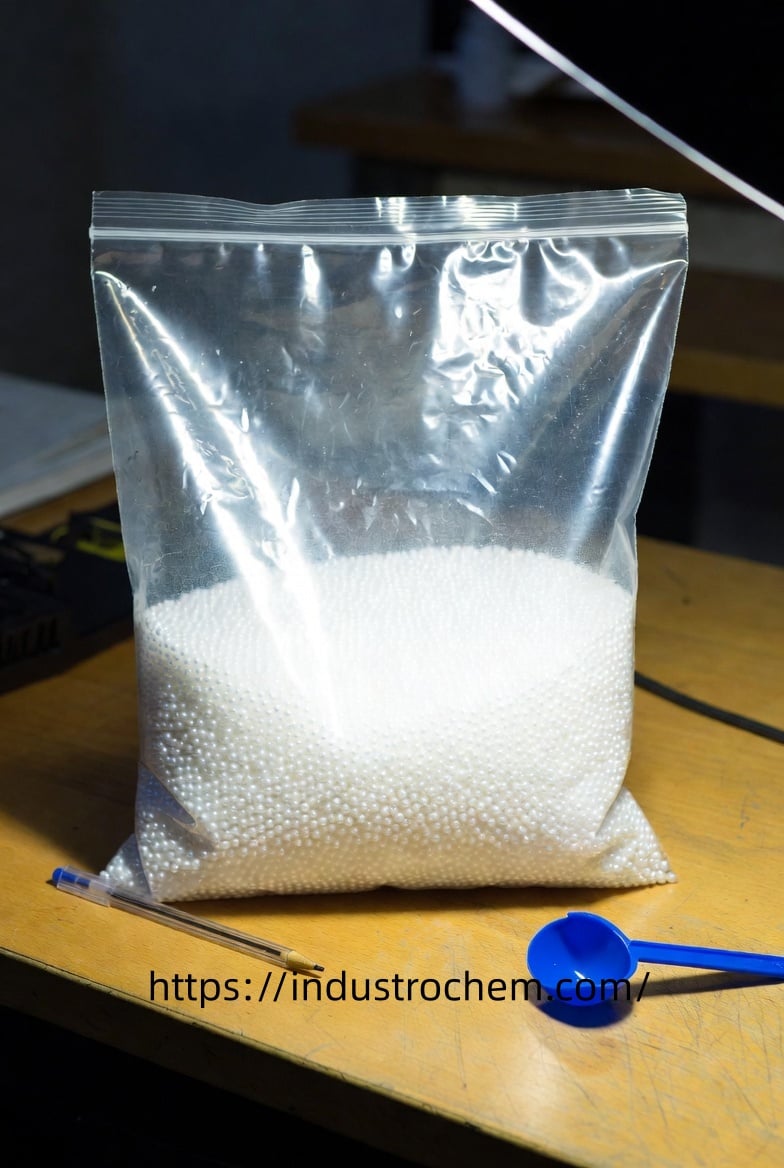
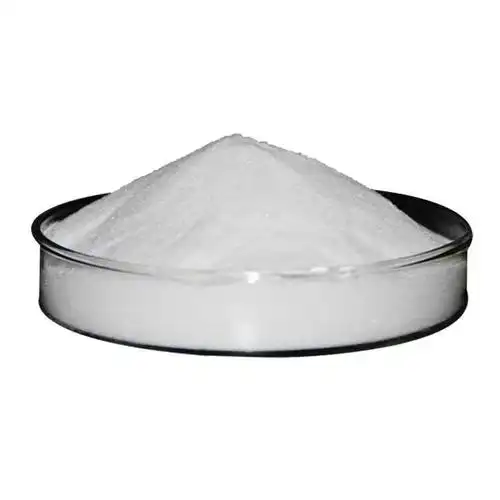
Polyoxymethylene (POM) resin, CAS 9002-81-7, is a high-performance engineering thermoplastic with high stiffness, low friction, good wear resistance and excellent dimensional stability. Supplied as natural or white granules, it is used for injection molding and extrusion of precision gears, bearings, fasteners, automotive and electrical components. Request a quotation with COA/TDS/SDS for bulk supply.

  • CAS: 9002-81-7
  • Synonyms: Polyoxymethylene, POM, Acetal resin, Polyacetal, Polyoxymethylene plastic
  • Einecs: 200-001-8
  • Molecular Formula: (CH₂O)n
  • Grade: Injection molding grade / extrusion grade / customized grade
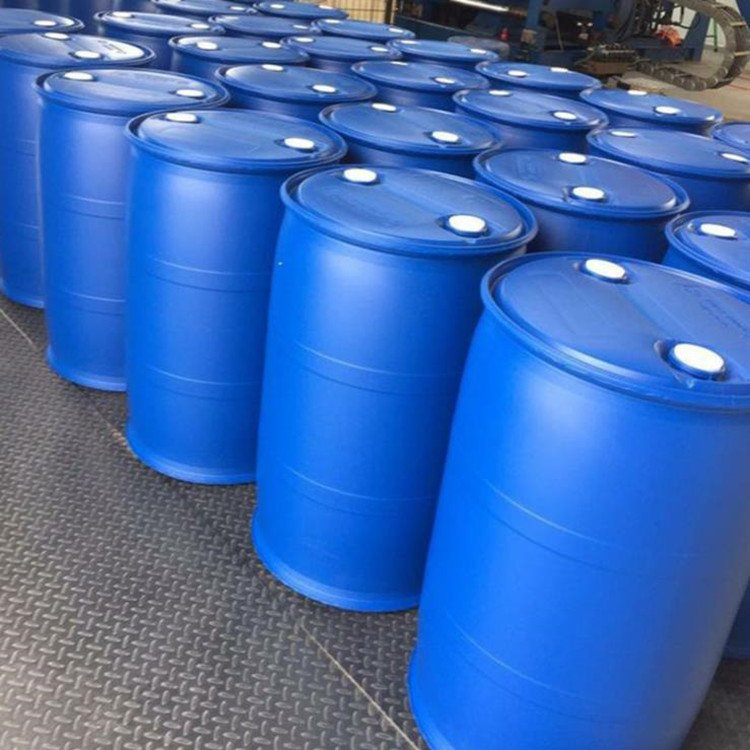
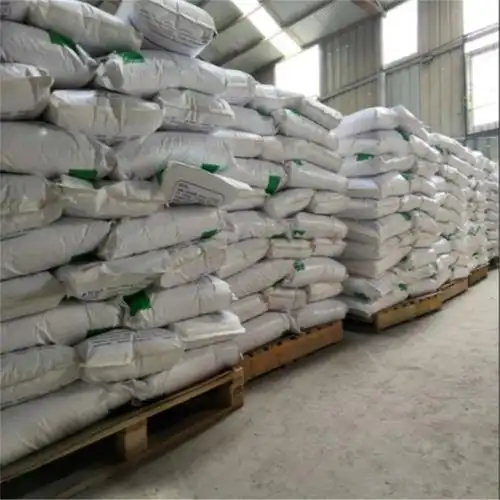
  • Package: 25kg bag, jumbo bag, or customized packaging
Request a quote
Share:

Product Description

Polyoxymethylene (POM), CAS 9002-81-7, is a polyacetal engineering thermoplastic with the general formula (CH₂O)n; the EC/EINECS number is 200-001-8.

Synonyms: Polyacetal; Acetal resin; Polyformaldehyde; POM plastic.

CAS: 9002-81-7.

Molecular formula: (CH₂O)n.

EC number: 200-001-8.

It is supplied as natural, white or customized-color resin granules for injection molding and extrusion.

It offers high tensile strength, good fatigue resistance, a low coefficient of friction, high stiffness and excellent dimensional stability.

The typical melting point is about 165-175 °C, depending on homopolymer or copolymer grade.

It is insoluble in water under normal conditions.

It is used for precision gears, bearings, bushings, rollers and fasteners.

It is used in automotive components, electrical parts, appliance parts and industrial mechanisms.

Homopolymer POM offers higher crystallinity, hardness and melting point, while copolymer POM offers better thermal stability and a wider processing window.

Confirm the grade type, melt flow index, tensile and impact properties, color or additive package, and whether the material is standard, lubricated, glass-filled or UV-stabilized.

Store in tightly closed bags or containers in a cool, dry, ventilated area away from moisture and direct sunlight; follow the drying recommendation before molding or extrusion.

Confirm the current product-specific specification.

Confirm packaging with the requested quantity and destination requirements.

Document requirements should be confirmed from the current specification, SDS, COA, or other product-specific files.

The page is an RFQ entry point and does not state stock, price, MOQ, or fixed lead time.

For an RFQ, state the intended use, required specification, quantity, packaging, destination, and document needs.

FAQ - Technical & Supply Chain

  • Q:

    What is Polyoxymethylene (POM) Resin CAS 9002-81-7?

    A: Polyoxymethylene, also known as polyacetal, acetal resin or POM plastic, is a high-performance engineering thermoplastic with CAS 9002-81-7 and general formula (CH₂O)n. It is commonly supplied as natural or white resin granules for injection molding and extrusion.
  • Q:

    What is POM resin used for?

    A: POM is used for precision mechanical parts that need high stiffness, low friction, dimensional stability and wear resistance. Typical applications include gears, bearings, bushings, rollers, fasteners, automotive components, electrical parts and industrial mechanisms.
  • Q:

    What is the difference between POM homopolymer and POM copolymer?

    A: Homopolymer POM generally has higher crystallinity, hardness and melting point, while copolymer POM usually has better thermal stability and a wider processing window. The choice depends on the part geometry, chemical exposure, processing method and long-term performance requirements.
  • Q:

    What specifications should be confirmed for injection molding or extrusion grade POM?

    A: Confirm the grade type, melt flow index, tensile and impact properties, color or additive package, and whether the material is standard, lubricated, glass-filled or UV-stabilized. The selected grade should match the processing method and end-use environment.
  • Q:

    How should POM resin be stored before processing?

    A: Keep the resin in tightly closed bags or containers in a cool, dry, ventilated area and protect it from moisture and direct sunlight. Follow the supplier's drying recommendation before molding or extrusion when the material has been exposed to humid air.

Ordering & Documentation

Key information for document requests, quotations, and supply planning.

Documents

COA, TDS, SDS/MSDS and packing details are available on request.

Quotation

Send the CAS number, grade, quantity, packing preference and destination.

Sample & Supply

Support is available for samples, trial orders, bulk and repeat supply.

Storage & Shipping

Product-specific conditions are confirmed before order.

Contact Form

Use our contact form to send us your questions, suggestions or comments. We will respond as soon as possible.