









• Pentaerythritol Stearate (PETS) CAS 115-83-3
  • Pentaerythritol Stearate (PETS) CAS 115-83-3
  • Pentaerythritol Stearate (PETS) CAS 115-83-3
  • Pentaerythritol Stearate (PETS) CAS 115-83-3

Pentaerythritol Stearate (PETS) CAS 115-83-3

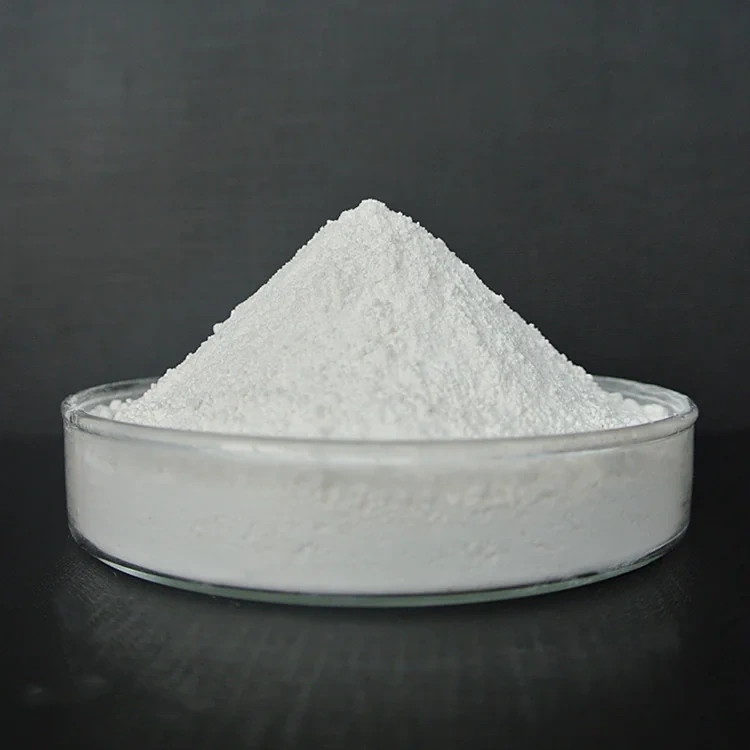
Pentaerythritol Stearate (PETS) CAS 115-83-3, also known as Pentaerythritol Tetrastearate, is a white waxy polyol ester processing additive supplied for PVC, engineering plastics, rubber compounding, coatings, inks, and selected metalworking systems. It functions as a lubricant, mold release agent, processing aid, and surface modifier, helping improve flow, thermal stability, friction control, and cleaner release during extrusion, injection molding, calendering, and compounding. Available in 99% grade with standardized chemical packaging options; COA, TDS, and SDS can be provided according to grade and order requirements.

  • CAS: 115-83-3
  • Synonyms: Pentaerythritol Stearate, PETS, Pentaerythritol Tetrastearate, Pentaerythrityl Stearate
  • Einecs: 204-102-9
  • Molecular Formula: C₇₇H₁₄₈O₈
  • Grade: 99%
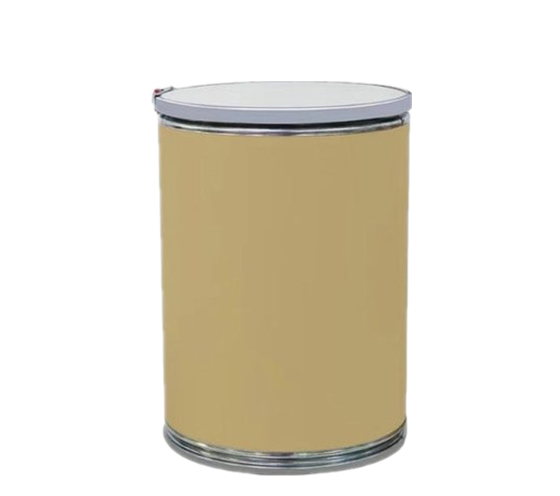
  • Package: Standardized chemical packaging for 1kg, 25kg, 1000kg
Request a quote
Share:

Product Description

Product Overview

Pentaerythritol Stearate (PETS) CAS 115-83-3 is an industrial processing additive based on pentaerythritol fatty acid ester chemistry. It is suitable for applications requiring lubricity, mold release performance, surface modification, and stable processing behavior in solid and semi-solid systems.

This product is commonly applied in plastics, rubber, coatings, inks, and selected metalworking systems where reduced friction, improved flow, and cleaner release behavior are required during manufacturing or formulation.

Product Information / Specifications

Product NamePentaerythritol Stearate
Common NamePETS
CAS No.115-83-3
EINECS No.204-102-9
Molecular FormulaC77H148O8
Product IdentityFatty acid ester processing additive
Typical RoleLubricant, mold release agent, processing aid, surface modifier
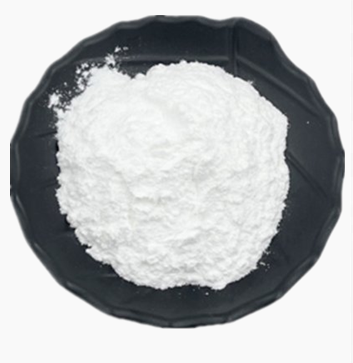
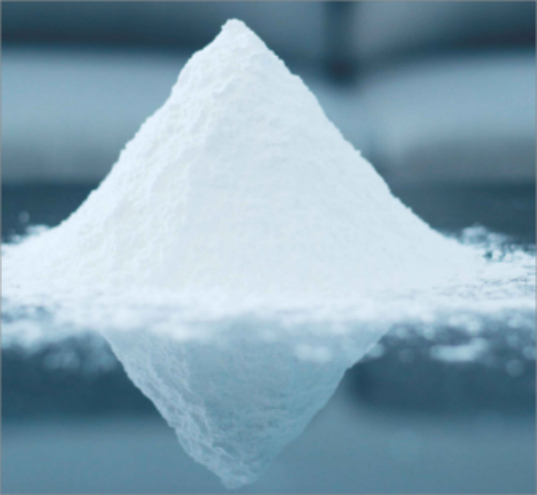
Supply FormWhite hard waxy solid, flake, or powder depending on grade
Supply NotesTechnical documents such as COA, TDS, and SDS may be provided according to the supplied grade

Physical & Chemical Properties

AppearanceWhite hard high-melting waxy substance, flake, or powder solid
Melting PointTypically 60–66°C, depending on grade
DensityApproximately 0.93 g/mL at 20°C
SolubilityInsoluble in water; soluble in selected organic solvents
Saponification ValueTypically 185–195 mgKOH/g
Acid ValueTypically ≤5 mgKOH/g, depending on grade
Iodine ValueTypically ≤2 gI₂/100g

Applications

  • External lubricant and processing aid for plastic manufacturing systems
  • Rubber processing where lubrication and improved plasticizing behavior are required
  • Coatings and inks for improved leveling, processing behavior, and surface performance
  • Metalworking lubricant compound systems for selected industrial process applications
  • Formulations requiring mold release support and improved surface finish during manufacturing

Packaging

Standard packaging may include 25 kg kraft paper bags or plastic-lined bags.

Packaging arrangement may vary according to the supplied grade and order requirements.

Storage Conditions

Store sealed in the original package in a cool, dry, and well-ventilated area. Avoid excessive heat, high humidity, and prolonged exposure to direct sunlight. Keep the container tightly closed during storage and handling.

Safety Precautions

Handle according to standard chemical safety procedures. Avoid unnecessary dust generation during charging or blending operations, and avoid direct contact with eyes, skin, and clothing.

Suitable personal protective equipment such as gloves, protective eyewear, and protective clothing should be used. Refer to the latest SDS before storage, handling, transport, or production use.

FAQ - Technical & Supply Chain

  • Q:

    What is Pentaerythritol Stearate (PETS) CAS 115-83-3 used for?

    A: Pentaerythritol Stearate (PETS) CAS 115-83-3 is used as a lubricant, mold release agent, processing aid, and surface modifier in PVC, engineering plastics, rubber, coatings, inks, and selected metalworking systems. It helps improve processing flow, reduce friction, and support cleaner release behavior during manufacturing.
  • Q:

    Is PETS the same as Pentaerythritol Tetrastearate?

    A: Yes. PETS is commonly used as an abbreviation for Pentaerythritol Stearate or Pentaerythritol Tetrastearate, depending on supplier naming and grade description. Buyers should confirm the exact grade, ester composition, and specification sheet before ordering.
  • Q:

    Which specifications should buyers confirm before ordering PETS?

    A: Buyers should confirm appearance, melting point range, acid value, iodine value, saponification value, moisture, and the intended application grade. COA and TDS can be supplied to support grade confirmation and procurement review.
  • Q:

    How does PETS improve processing in PVC and engineering plastic formulations?

    A: PETS functions as an external lubricant that reduces friction between the polymer melt and processing equipment surfaces during extrusion, injection molding, and calendering. It also acts as a mold release agent and improves melt flow, surface finish, and thermal stability. Its compatibility with PVC, polyolefins, and styrenic systems makes it a versatile additive in plastic compounding operations.
  • Q:

    What role does PETS play in surface finish and mold release?

    A: PETS provides excellent mold release properties by forming a fine lubricating film between the polymer melt and metal mold surfaces. This reduces sticking, improves surface finish, and allows for cleaner part demolding in injection molding and compression molding operations.
  • Q:

    How should PETS be stored to maintain its performance properties?

    A: PETS should be stored sealed in its original packaging in a cool, dry, well-ventilated area away from direct sunlight and excessive heat. Avoid exposure to high humidity and ensure containers are tightly closed during storage. Under recommended conditions below 40°C, PETS maintains stable lubricating performance over extended periods.
Documents

Documents and Product Support

For product review and sourcing evaluation, supporting documents can be coordinated according to the product type, inquiry stage, and order requirements.

  • COA for batch-based quality reference
  • TDS for key physical and chemical information
  • SDS / MSDS for handling, storage, and safety reference
  • Packing information for sample, trial, and bulk orders
  • Technical communication based on application and specification requirements
Quotation

Information to Confirm Before Quotation

Clear sourcing information helps reduce specification mismatch and allows a more accurate quotation before sample or bulk order discussion.

  • Product name and CAS number
  • Application or intended end use
  • Required purity, grade, or specification
  • Sample quantity, trial order, or bulk demand
  • Preferred packing form or net weight
  • Destination country or port
  • Required documents or compliance expectations
Storage & Handling

Packaging, Storage, and Handling Notes

Packaging form, storage conditions, shelf life, and shipment arrangements should be confirmed according to the product characteristics, package size, and destination requirements.

Before order confirmation, buyers are advised to review the corresponding product documents and confirm whether any special storage, labeling, or handling requirements apply.

Supply Support

Sample, Bulk Order and Repeat Supply Support

Support can be arranged for sample discussion, bulk supply planning, packaging confirmation, and routine sourcing communication based on the actual product and order requirements.

For repeat-use formulations or long-term procurement plans, buyers may discuss specification consistency, packaging preferences, delivery expectations, and document coordination in advance.

Contact Form

Use our contact form to send us your questions, suggestions or comments. We will respond as soon as possible.