









• 2,2,4-Trimethyl-1,3-Pentanediol Monoisobutyrate CAS 25265-77-4

2,2,4-Trimethyl-1,3-Pentanediol Monoisobutyrate CAS 25265-77-4

2,2,4-Trimethyl-1,3-Pentanediol Monoisobutyrate (Texanol, CAS 25265-77-4) is an ester-alcohol coalescing agent widely used in waterborne architectural and industrial coating formulations. Its molecular formula is C12H24O3 with a molecular weight of 216.32 g/mol.

2,2,4-Trimethyl-1,3-Pentanediol Monoisobutyrate (also known as TMPD-MIB or 2,2,4-TMPD Monoisobutyrate) appears as a colorless transparent liquid with a mild odor. It has a density of 0.945-0.95 g/cm³ at 25°C, boiling point of 244-255°C, and is slightly soluble in water with good hydrolysis stability.

With a minimum purity of 99%, this coalescing agent is used in the following applications:

  • Waterborne latex paint and architectural coating systems
  • Film formation aid for acrylic, styrene-acrylic, and VAE polymers
  • Industrial coating formulations requiring low MFFT
  • Adhesive and sealant formulations for improved film coalescence

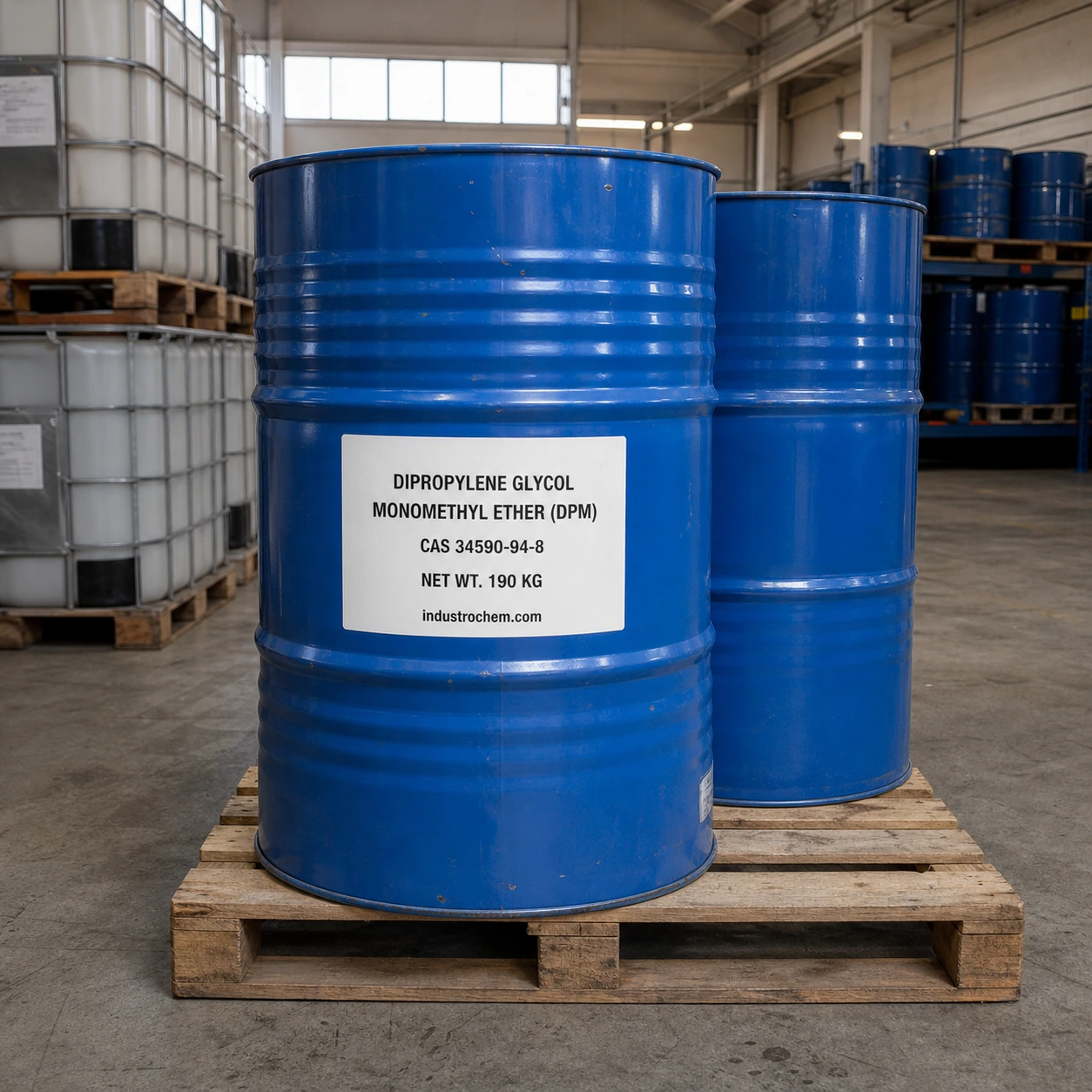
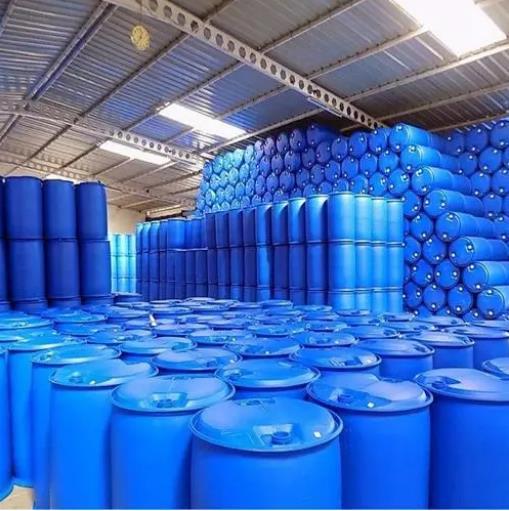
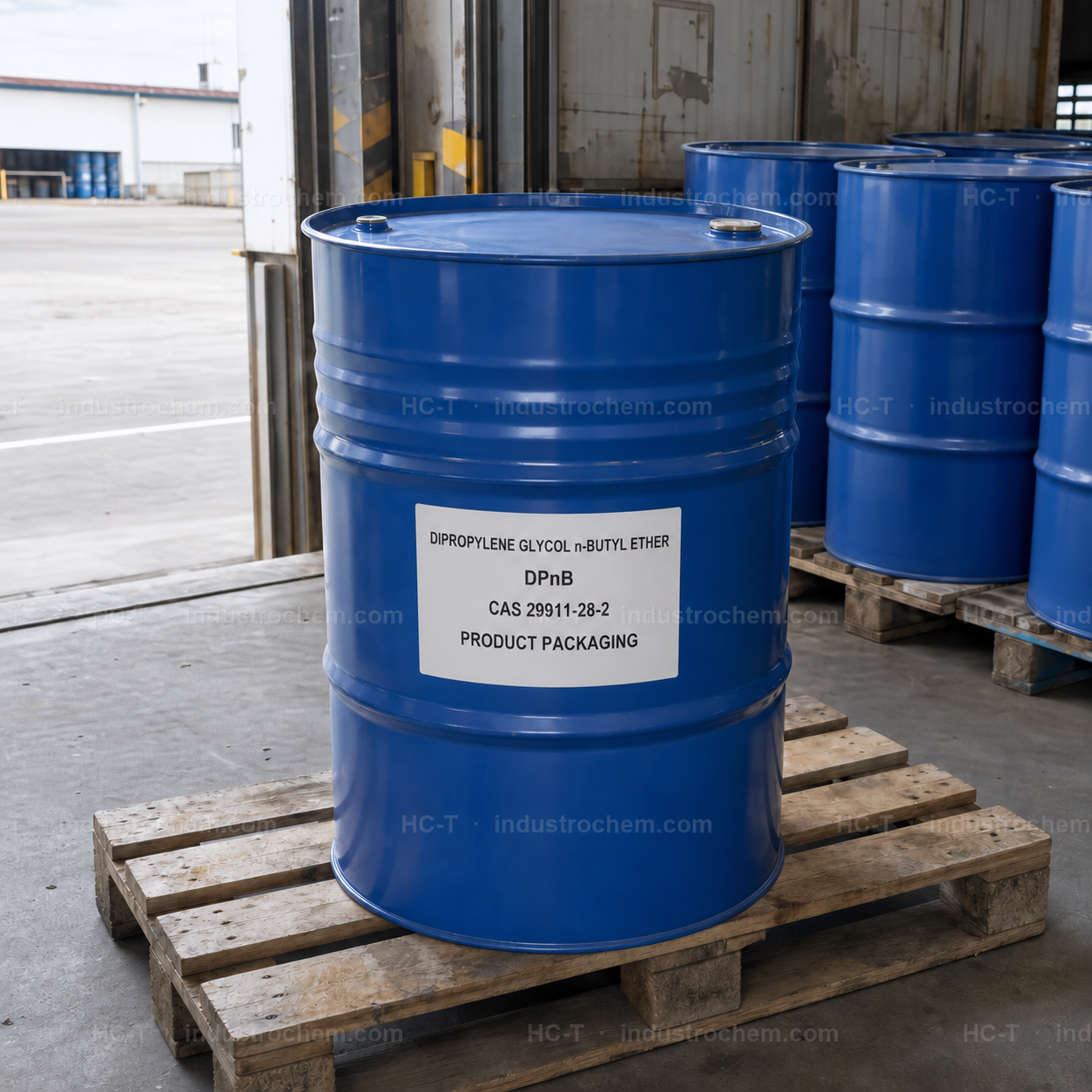
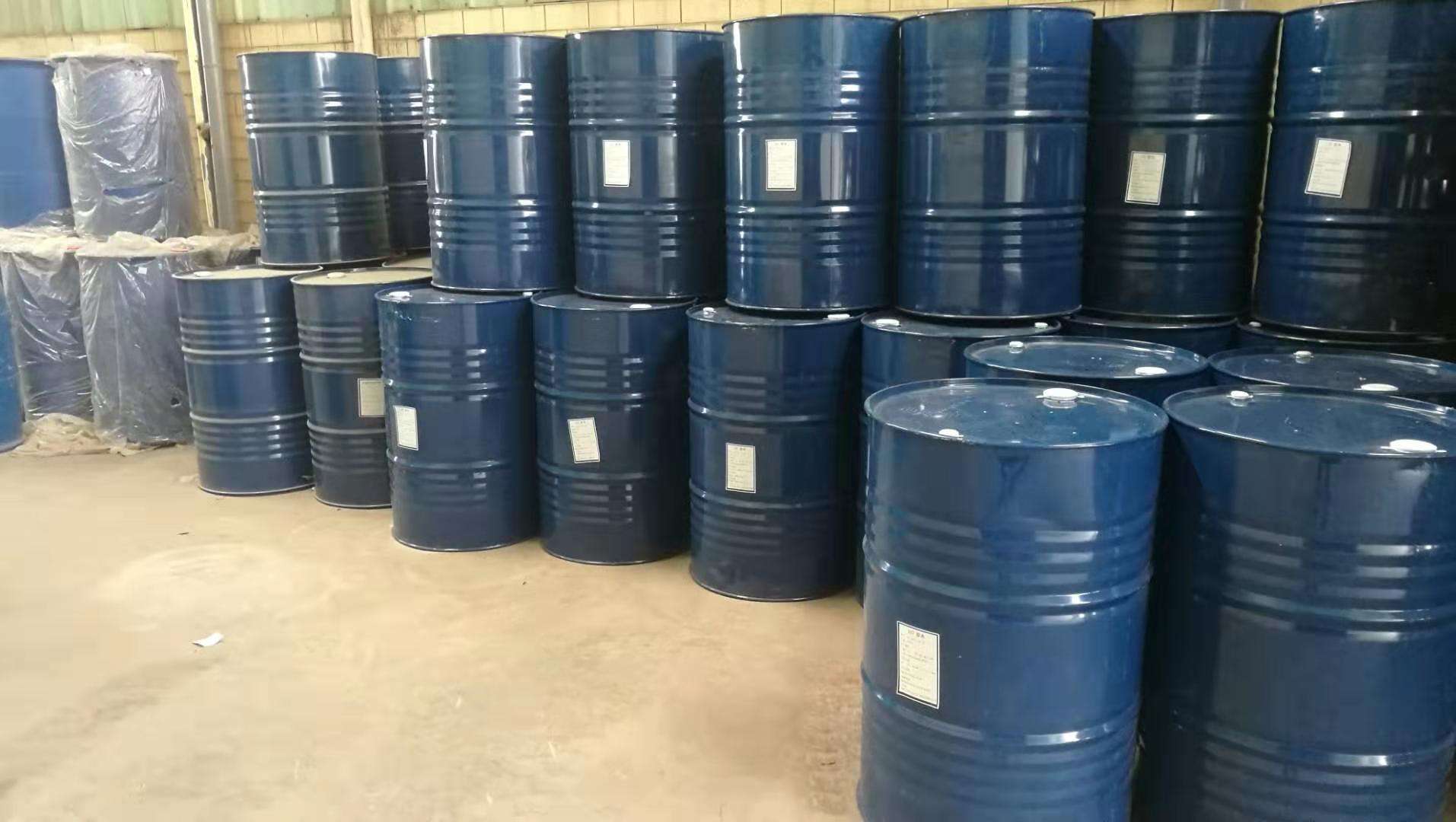
COA, TDS, and SDS are available upon request. Standard packaging is 200 kg/drum. For pricing, availability, or technical specifications, please contact our sales team.

  • CAS: 25265-77-4
  • Synonyms: Texanol, TMPDMIB, Trimethylpentanediol monoisobutyrate, 2,2,4-TMPD monoisobutyrate
  • Einecs: 246-771-9
  • Molecular Formula: C₁₂H₂₄O₃
  • Grade: 99%
  • Package: 200kg/drum or as required
Request a quote
Share:

Product Description

Product Overview

2,2,4-Trimethyl-1,3-Pentanediol Monoisobutyrate is provided for industrial formulation use as a film-forming aid and coating additive. It is more appropriately positioned as a functional additive for coating systems rather than as a general-purpose raw solvent or an end-use consumer product.

In latex paint and related coating systems, this product is commonly applied to support film formation, reduce minimum film-forming temperature, and improve coating film properties such as flatness, gloss, and scrub resistance.

Product Information / Specifications

Product Name 2,2,4-Trimethyl-1,3-Pentanediol Monoisobutyrate
Common Synonyms TMPD-MIB; Texanol; Isobutyrate of 2,2,4-Trimethyl-1,3-pentanediol
CAS Number 25265-77-4
EINECS Number 246-771-9
Molecular Formula C12H24O3
Molecular Weight 216.32 g/mol
Typical Grade 99%
Standard Packaging 200 kg/drum or as required
Product Identity Coating additive / film-forming aid / formulation additive

Physical & Chemical Properties

Appearance Colorless transparent liquid
Odor Mild odor
Density 0.945-0.95 g/cm³ at 25°C
Melting Point -50°C
Boiling Point 244-255°C
Refractive Index 1.44-1.442
Solubility Slightly soluble in water and easily soluble in organic solvents such as chloroform and methanol
Vapor Pressure 0.00378 mmHg at 25°C
Stability Stable under normal conditions, with good hydrolysis stability

Applications

  • Film-forming aid in latex paint and related water-based coating systems
  • Formulation additive used to help reduce minimum film-forming temperature in coating applications
  • Coating systems requiring improved film properties such as flatness, gloss, and scrub resistance
  • Selected industrial systems where solvent or plasticizing functionality is required
  • Other industrial process uses where this ester-type additive is specified

Packaging

Standard packaging is commonly supplied in 200 kg drums or according to shipment requirement.

Packaging information may vary by grade, destination, and transport arrangement.

Storage Conditions

  • Store in a cool and dry place.
  • Avoid high temperature and high humidity during storage.
  • Avoid prolonged exposure to air.
  • Use promptly after opening to reduce volatile loss.

Safety Precautions

  • Operate in a closed environment where possible to reduce vapor volatilization and contact risk.
  • Wear suitable work clothing and protective gloves during handling.
  • Keep away from ignition sources during spill response and handling.
  • Collect leaked liquid in sealable containers and dispose of it according to local regulations.
  • Refer to the latest SDS before storage, transport, and industrial use.

FAQ - Technical & Supply Chain

  • Q:

    What role does Texanol play as a coalescing agent in waterborne coatings?

    A: 2,2,4-Trimethyl-1,3-Pentanediol Monoisobutyrate (Texanol, CAS 25265-77-4) functions as an ester-alcohol coalescing agent that softens latex particles during drying, enabling uniform film formation at ambient temperatures. It lowers the minimum film-forming temperature (MFFT) of latex paints, allowing formulations to achieve continuous, durable coatings without high-temperature curing.
  • Q:

    How does 2,2,4-Trimethyl-1,3-Pentanediol Monoisobutyrate improve paint performance?

    A: Texanol facilitates polymer particle deformation and coalescence during the drying process, resulting in smooth, crack-free films with improved scrub resistance, gloss development, and block resistance. It also supports better pigment binding and enhances overall coating durability in both interior and exterior architectural applications.
  • Q:

    What key specifications should buyers evaluate for this coalescing agent?

    A: Buyers should confirm the identity via CAS 25265-77-4, assay (minimum 99% purity), appearance (colorless liquid), acidity (≤0.05%), moisture content, boiling range (244–260°C), and ester value. These parameters directly affect the coalescing efficiency and batch consistency in paint formulations.
  • Q:

    What is the typical dosage of Texanol in latex paint systems?

    A: The recommended dosage ranges from 3% to 10% by weight of total solids, depending on the polymer type, desired MFFT reduction, and application conditions. Optimal dosage should be determined through formulation testing for each specific resin system.
  • Q:

    How should this coalescing agent be stored and handled?

    A: Store in a cool, dry, well-ventilated area below 40°C, away from heat sources and strong oxidizers. Keep containers tightly sealed to prevent moisture ingress and contamination. Use standard chemical handling PPE including gloves and safety goggles. Refer to the SDS for complete handling guidance.
  • Q:

    Is this product compatible with common latex polymer types?

    A: 2,2,4-Trimethyl-1,3-Pentanediol Monoisobutyrate is widely compatible with acrylic, styrene-acrylic, vinyl acetate-ethylene (VAE), and vinyl acrylic latex systems. Its intermediate evaporation rate and hydrophobic–hydrophilic balance make it suitable for a broad range of waterborne architectural and industrial coating formulations.
Documents

Documents and Product Support

For product review and sourcing evaluation, supporting documents can be coordinated according to the product type, inquiry stage, and order requirements.

  • COA for batch-based quality reference
  • TDS for key physical and chemical information
  • SDS / MSDS for handling, storage, and safety reference
  • Packing information for sample, trial, and bulk orders
  • Technical communication based on application and specification requirements
Quotation

Information to Confirm Before Quotation

Clear sourcing information helps reduce specification mismatch and allows a more accurate quotation before sample or bulk order discussion.

  • Product name and CAS number
  • Application or intended end use
  • Required purity, grade, or specification
  • Sample quantity, trial order, or bulk demand
  • Preferred packing form or net weight
  • Destination country or port
  • Required documents or compliance expectations
Storage & Handling

Packaging, Storage, and Handling Notes

Packaging form, storage conditions, shelf life, and shipment arrangements should be confirmed according to the product characteristics, package size, and destination requirements.

Before order confirmation, buyers are advised to review the corresponding product documents and confirm whether any special storage, labeling, or handling requirements apply.

Supply Support

Sample, Bulk Order and Repeat Supply Support

Support can be arranged for sample discussion, bulk supply planning, packaging confirmation, and routine sourcing communication based on the actual product and order requirements.

For repeat-use formulations or long-term procurement plans, buyers may discuss specification consistency, packaging preferences, delivery expectations, and document coordination in advance.

Contact Form

Use our contact form to send us your questions, suggestions or comments. We will respond as soon as possible.