









• n-Butyl Alcohol CAS 71-36-3
  • n-Butyl Alcohol CAS 71-36-3

n-Butyl Alcohol CAS 71-36-3

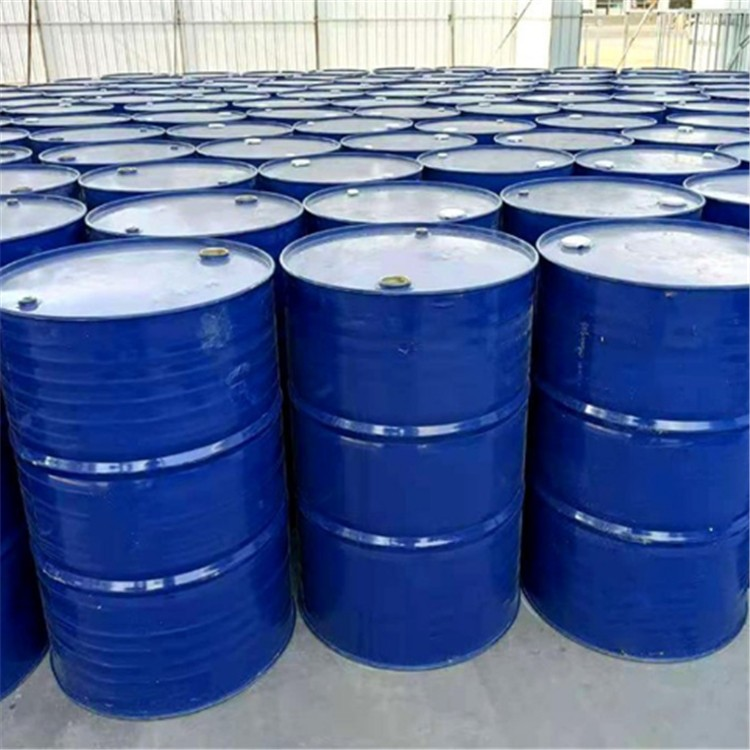
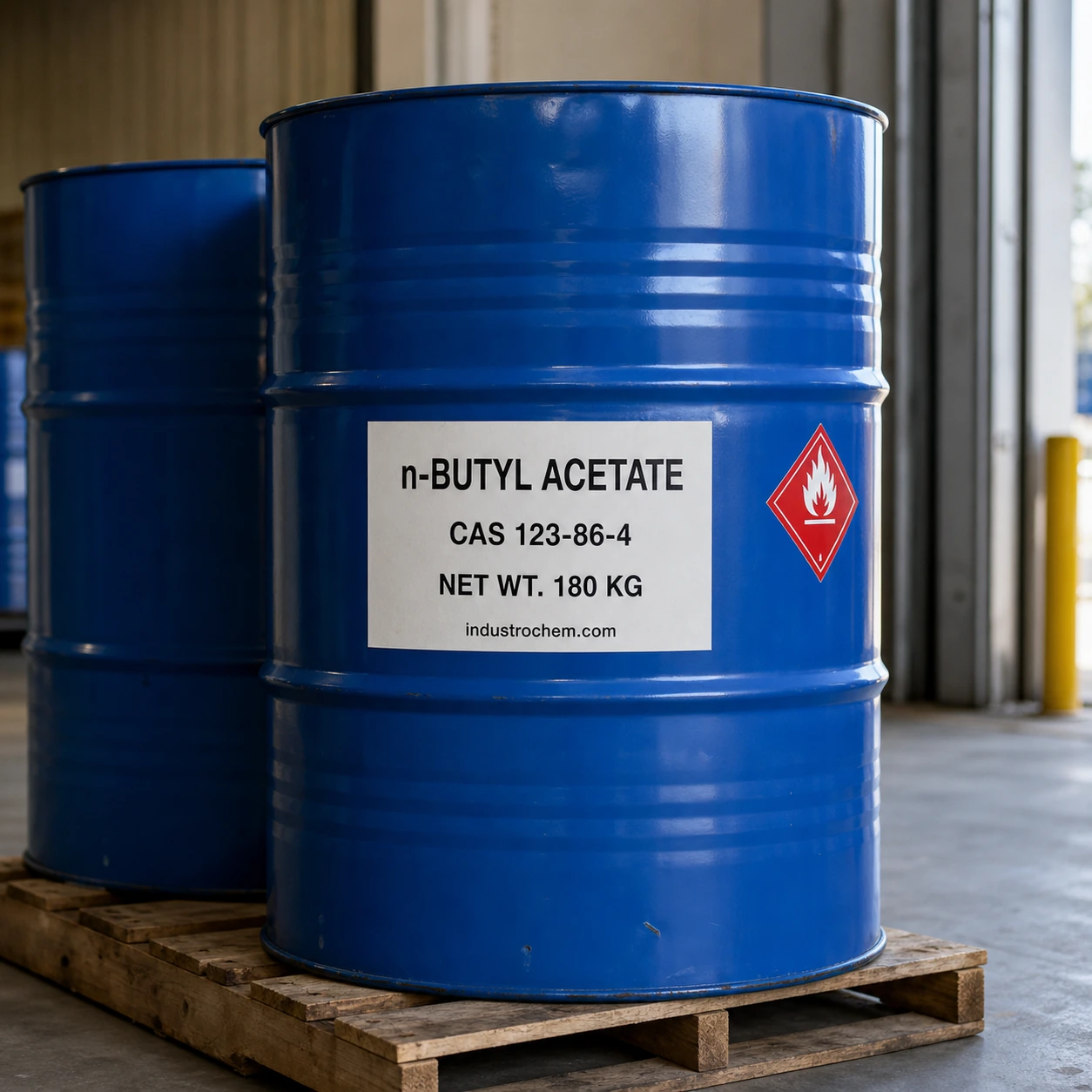
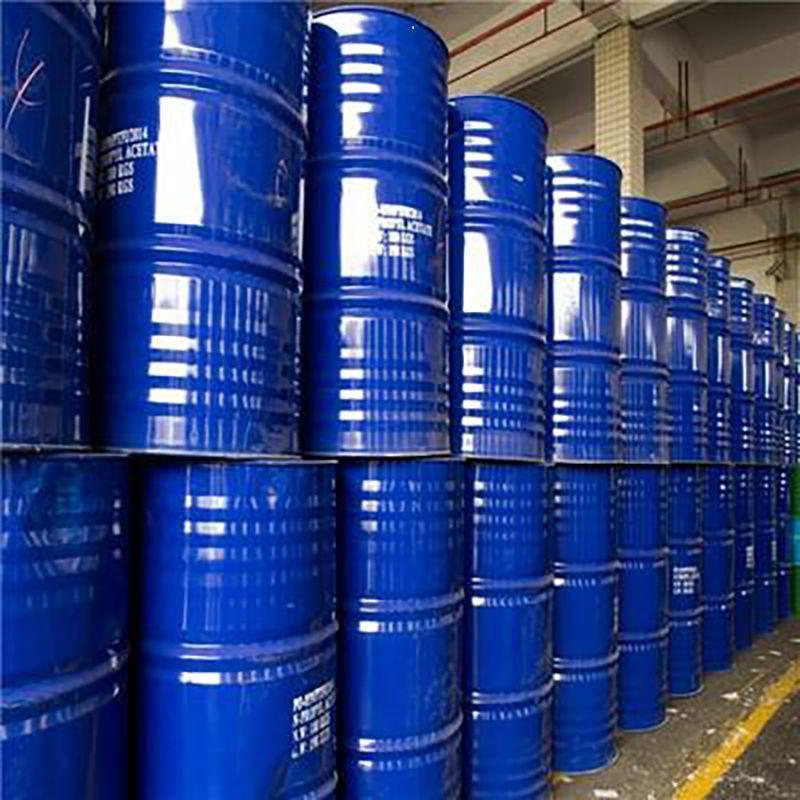
n-Butyl Alcohol CAS 71-36-3, also known as n-Butanol or 1-Butanol, is a colorless flammable industrial solvent and chemical raw material used in coatings, paints, inks, extraction systems, resin processing, and downstream butyl derivative manufacturing. It is available in 99.5% grade with 170 kg drum packaging or agreed order packaging. COA, TDS, and SDS can be provided according to grade and order requirements.

  • CAS: 71-36-3
  • Synonyms: N-Butanol, 1-Butanol
  • Einecs: 200-751-6
  • Molecular Formula: C₄H₁₀O
  • Grade: 99.5%
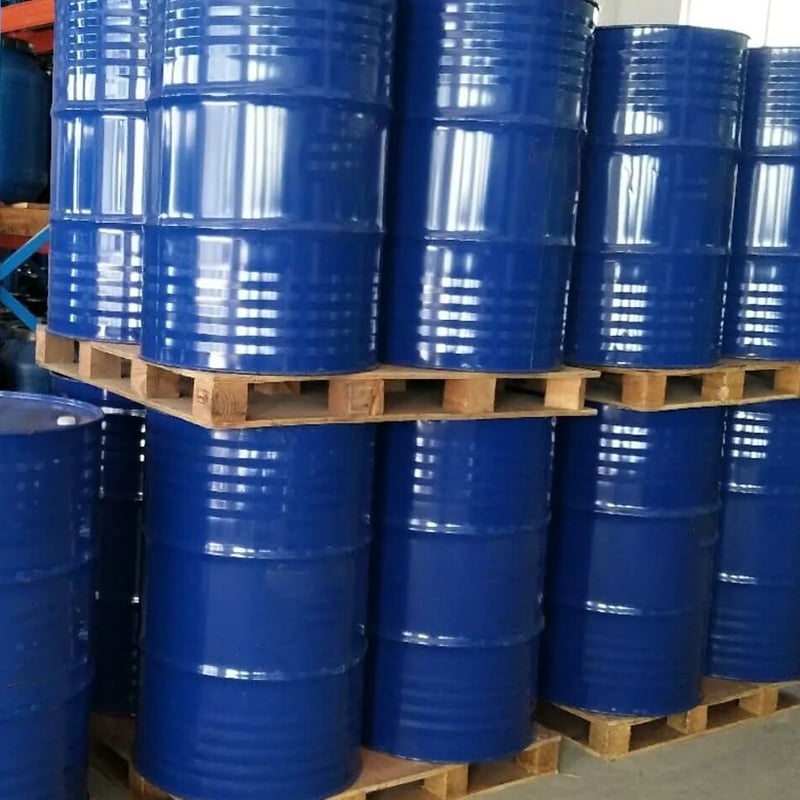
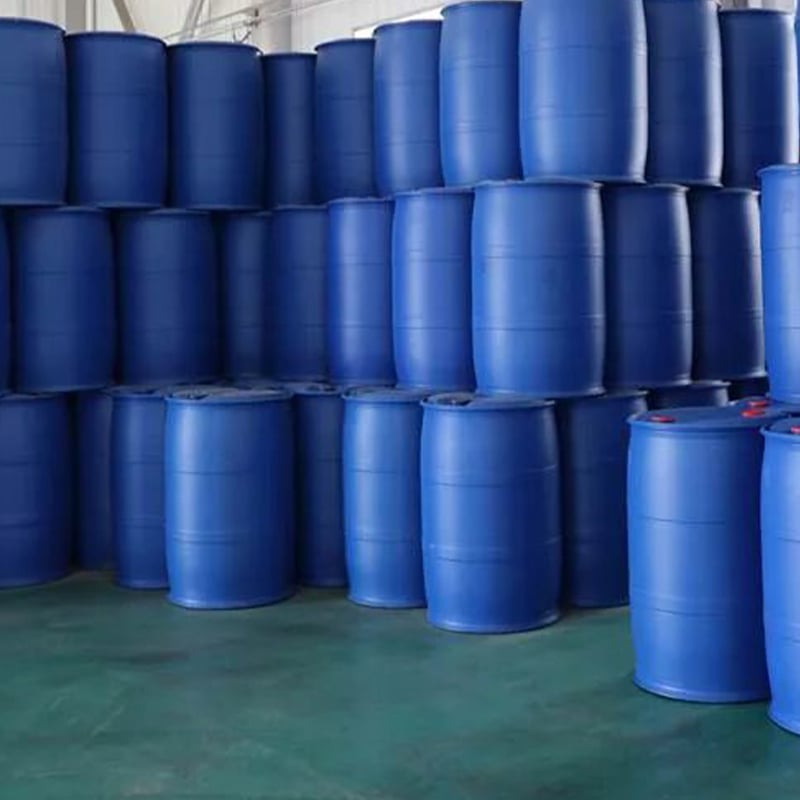
  • Package: 170kg/drum or as required
Request a quote
Share:

Product Description

Product Overview

n-Butyl Alcohol is provided for industrial use as a solvent and chemical raw material. It is more appropriately positioned as a bulk solvent product for formulation and processing systems rather than as a specialty additive or finished end-use product.

This material is commonly applied in coatings, paints, inks, extraction systems, and derivative manufacturing routes. Product selection is generally based on purity level, solvent compatibility, and suitability for the intended industrial process.

Product Information / Specifications

Product Namen-Butyl Alcohol
Synonymsn-Butanol; 1-Butanol
CAS Number71-36-3
EINECS Number200-751-6
Molecular FormulaC4H10O
Typical Grade99.5%
Standard Packaging170 kg/drum or as required
Product IdentityIndustrial solvent / chemical raw material

Physical & Chemical Properties

AppearanceColorless transparent liquid with an alcoholic odor
Density0.805-0.81 g/cm³ (20-25°C)
Melting Point-89 to -90.2°C
Boiling Point117.6-117.7°C
Flash Point35°C
Water Solubility80 g/L at 20°C; slightly soluble in water
Refractive Index1.398-1.4
Vapor Pressure6.7 hPa at 20°C
Explosive Limits1.45-11.25% by volume
Stability NoteStable under normal conditions; incompatible with strong acids, strong oxidizing agents, aluminum, acyl chlorides, acid anhydrides, copper, and copper alloys

Applications

  • Industrial solvent for coatings, paints, and related resin systems
  • Solvent and process aid for printing inks and organic dye applications
  • Extraction solvent for oils, medicines, and spices where this solvent grade is specified
  • Raw material for butyl derivatives such as butyl acrylate, butyl acetate, butyl phosphate, and plasticizer-related products
  • Intermediate processing route for oxidation to butyraldehyde or butyric acid

Packaging

Standard packaging is commonly supplied in 170 kg drums or according to shipment requirement.

Packaging information may vary by grade, destination, and transport arrangement.

Storage Conditions

  • Store in a cool, ventilated warehouse.
  • Keep away from fire and heat sources.
  • Storage temperature should not exceed 30°C.
  • Protect from direct sunlight and keep containers tightly sealed.
  • Store separately from oxidants, acids, and other incompatible materials.

Safety Precautions

  • Operate in closed systems with full ventilation where possible.
  • Prevent vapor accumulation in the workplace air.
  • Keep away from fire, heat sources, and smoking areas.
  • Avoid contact with oxidants and acids, and prevent packaging damage during handling.
  • Refer to the latest SDS before storage, transport, and industrial use.

FAQ - Technical & Supply Chain

  • Q:

    What is n-Butyl Alcohol mainly used for?

    A: n-Butyl Alcohol is mainly used as an industrial solvent in coatings, paints, inks, extraction systems, and downstream butyl derivative manufacturing. It is selected where controlled solvency and process compatibility are required.
  • Q:

    Are n-Butanol, 1-Butanol, and n-Butyl Alcohol the same substance?

    A: Yes. n-Butanol, 1-Butanol, and n-Butyl Alcohol are common names for the same substance listed under CAS 71-36-3.
  • Q:

    Is this product better classified as an industrial solvent rather than a specialty additive?

    A: Yes. n-Butyl Alcohol is best classified as an industrial solvent and chemical raw material for formulation and processing systems rather than as a specialty additive or finished end-use product.
  • Q:

    What specifications should buyers confirm before ordering n-Butyl Alcohol?

    A: Buyers should confirm assay or purity, water content, acidity, appearance, and packaging requirements. COA can be supplied to support grade confirmation and procurement review.
  • Q:

    What evaporation rate and solvency characteristics does n-Butyl Alcohol offer?

    A: n-Butyl Alcohol has a moderate evaporation rate and is classified as a slow-evaporating solvent. Its evaporation rate is approximately 0.4 (n-BuAc=1) making it suitable for coatings and inks requiring controlled drying. It is miscible with most organic solvents and has a solubility of 80 g/L in water. Its solvency properties make it effective as an active solvent in nitrocellulose, acrylic, and epoxy resin formulations.
  • Q:

    How should n-Butyl Alcohol be handled considering its flammability classification?

    A: n-Butyl Alcohol has a flash point of 35°C, classifying it as a flammable liquid (Class 3). It should be stored away from heat sources, open flames, oxidizing agents, and reactive metals such as aluminum and copper. Explosion-proof equipment is recommended in processing areas. Grounding and bonding during transfer help prevent static discharge. Adequate ventilation is essential to keep vapor concentrations below the lower explosive limit of 1.45%.
Documents

Documents and Product Support

For product review and sourcing evaluation, supporting documents can be coordinated according to the product type, inquiry stage, and order requirements.

  • COA for batch-based quality reference
  • TDS for key physical and chemical information
  • SDS / MSDS for handling, storage, and safety reference
  • Packing information for sample, trial, and bulk orders
  • Technical communication based on application and specification requirements
Quotation

Information to Confirm Before Quotation

Clear sourcing information helps reduce specification mismatch and allows a more accurate quotation before sample or bulk order discussion.

  • Product name and CAS number
  • Application or intended end use
  • Required purity, grade, or specification
  • Sample quantity, trial order, or bulk demand
  • Preferred packing form or net weight
  • Destination country or port
  • Required documents or compliance expectations
Storage & Handling

Packaging, Storage, and Handling Notes

Packaging form, storage conditions, shelf life, and shipment arrangements should be confirmed according to the product characteristics, package size, and destination requirements.

Before order confirmation, buyers are advised to review the corresponding product documents and confirm whether any special storage, labeling, or handling requirements apply.

Supply Support

Sample, Bulk Order and Repeat Supply Support

Support can be arranged for sample discussion, bulk supply planning, packaging confirmation, and routine sourcing communication based on the actual product and order requirements.

For repeat-use formulations or long-term procurement plans, buyers may discuss specification consistency, packaging preferences, delivery expectations, and document coordination in advance.

Contact Form

Use our contact form to send us your questions, suggestions or comments. We will respond as soon as possible.