









Chemical products
  • Aminoethylethanolamine (AEEA) CAS 111-41-1
  • Aminoethylethanolamine (AEEA) CAS 111-41-1

Aminoethylethanolamine (AEEA) CAS 111-41-1

2-(2-Aminoethylamino)ethanol (AEEA, CAS 111-41-1, EC 203-867-5), also known as aminoethylethanolamine, is a multifunctional alkanolamine intermediate used in surfactant synthesis, epoxy-curing systems, corrosion-inhibitor production and specialty chemical processing. Purity, color, water content and packaging should be confirmed for the selected grade. COA, TDS and SDS may be provided on request.

  • CAS: 111-41-1
  • Synonyms: AEEA, 2-(2-Aminoethylamino)ethanol, N-(2-Hydroxyethyl)ethylenediamine, Aminoethyl ethanolamine
  • Einecs: 203-867-5
  • Molecular Formula: C₄H₁₂N₂O
  • Grade: Confirm assay, water, color, amine value and process-specific impurities
  • Package: Confirm current packaging for the selected grade and destination
Request a quote
Share:

Product Description

Product Overview

AEEA is provided for industrial use as a multifunctional amine intermediate. Its amino and hydroxyl functionality makes it suitable for reaction systems where curing activity, intermediate synthesis value, or downstream surfactant chemistry is required.

AEEA is used as an intermediate in detergent and fabric-softener chemistry, chelate production, fuel additives, coatings and other amino-alcohol synthesis routes. Confirm assay, water, color, amine value and process-relevant impurities for the intended route.

Product Information / Specifications

Product Name 2-(2-Aminoethylamino)ethanol
Common Name AEEA
CAS Number 111-41-1
EINECS Number 203-867-5
Molecular Formula C4H12N2O
Molecular Weight 104.15 g/mol
Typical Grade Confirm assay, water, color, amine value and process-specific impurities
Product Identity Industrial chemical / amine intermediate / amino alcohol

Physical & Chemical Properties

Appearance Clear, colorless to pale liquid; confirm color and appearance for the offered grade
Odor Amine-like odor; use the current SDS for exposure controls
Boiling Range 237–243°C
Density Approximately 1.026 at 25°C as a reference value; confirm the current technical documentation
Solubility Soluble in water and ethanol; slightly soluble in ether
pH About 12 for a 25% solution as a reference value; confirm concentration, temperature and method
Stability Note Stable under normal conditions; avoid oxidizing agents, acids, and prolonged exposure to air moisture

Applications

  • Epoxy resin curing and related industrial resin systems
  • Intermediate for corrosion inhibitor formulations and process chemicals
  • Raw material for amphoteric surfactants and related specialty chemicals
  • Intermediate for detergents, fabric softeners, chelates, fuel additives and coating chemistry
  • Industrial synthesis where amino alcohol functionality is required in the reaction system

For related reactive ethyleneamine raw materials, see Ethylenediamine and Diethylenetriamine.

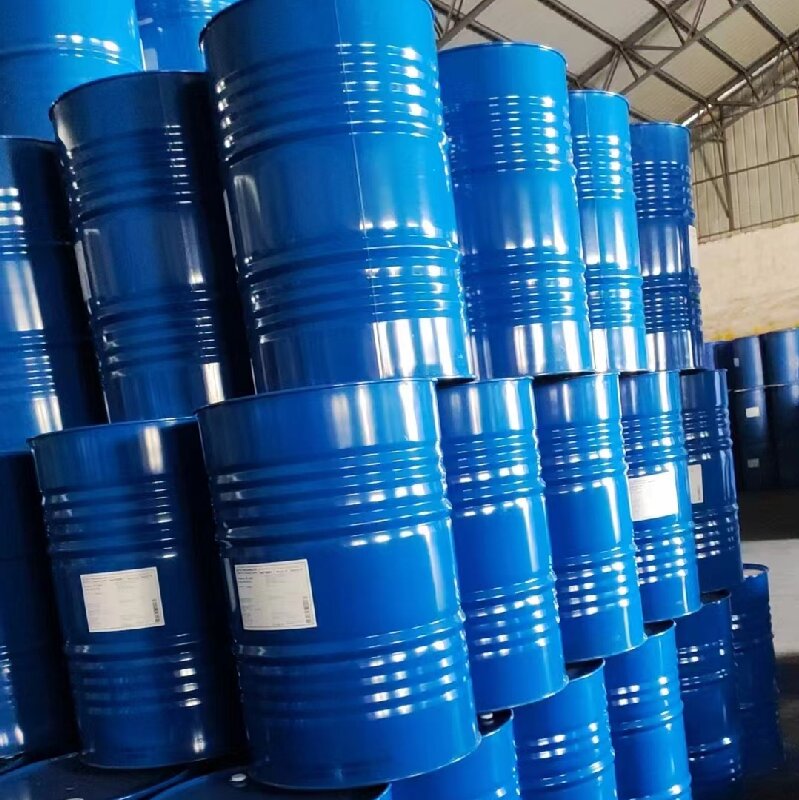
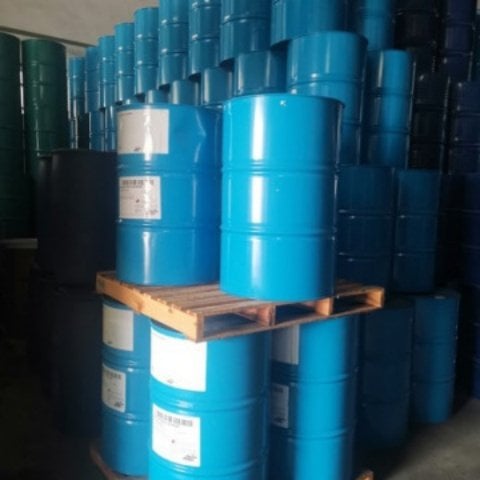
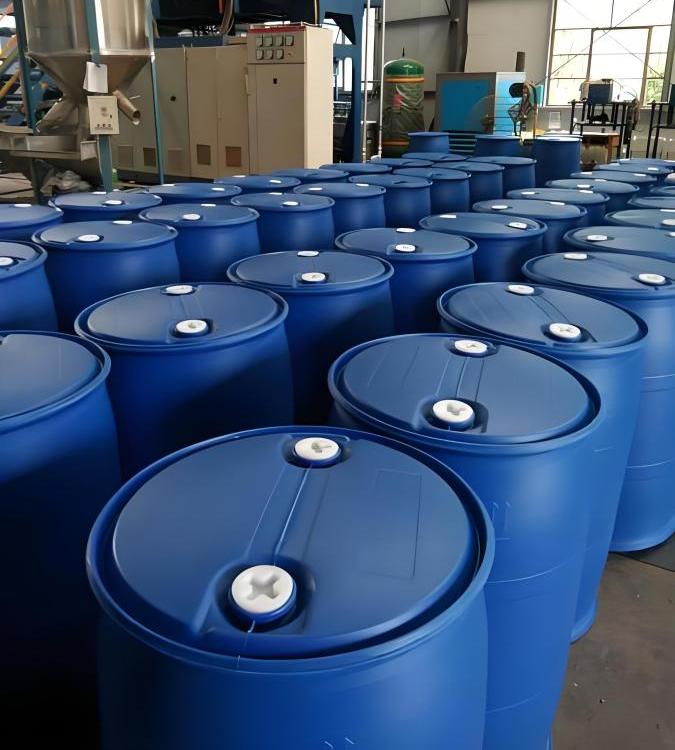
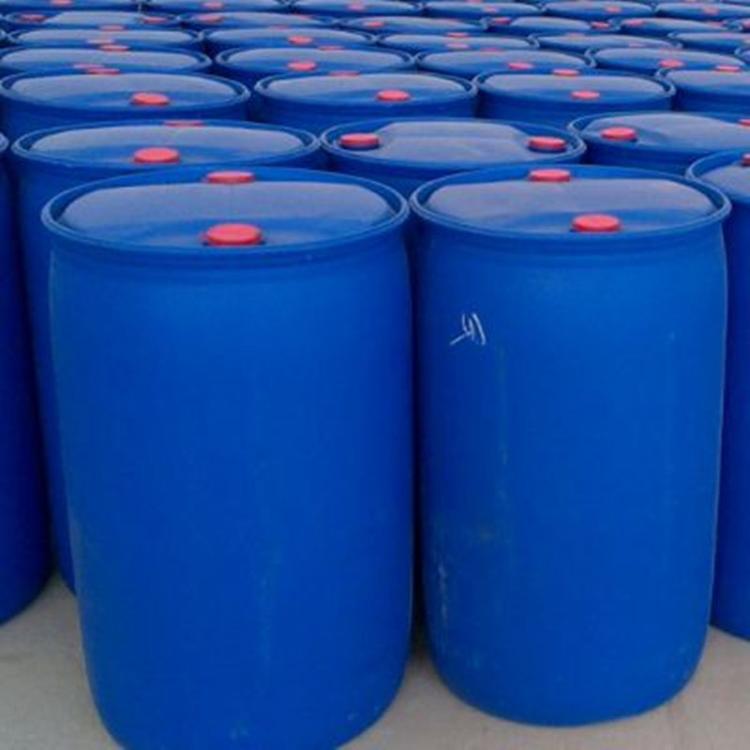
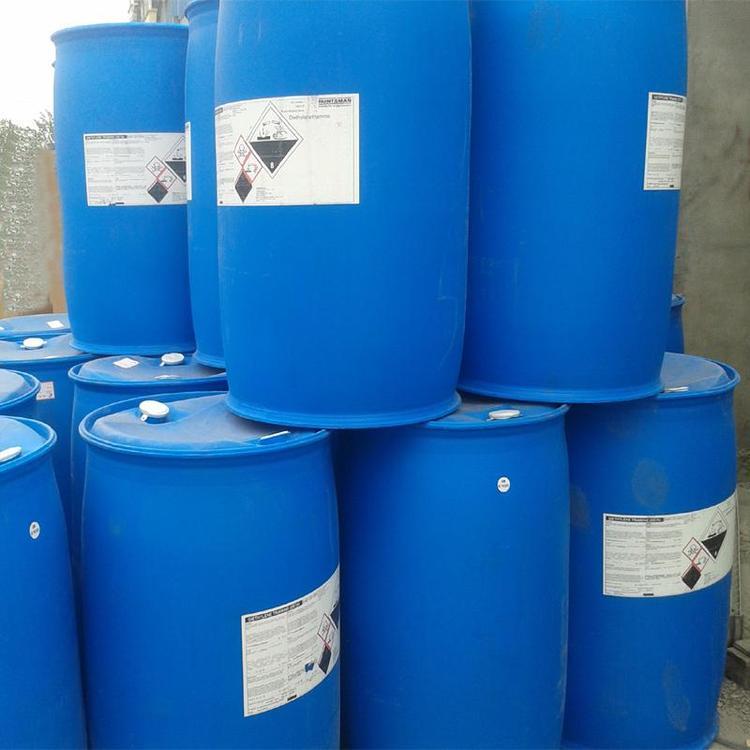
Packaging

Confirm current packaging for the selected grade and destination

Packaging information may vary by grade, destination, and transport arrangement.

Storage Conditions

  • Store in a cool, ventilated warehouse away from fire and heat sources.
  • Keep the container tightly sealed to reduce moisture absorption and air exposure.
  • Store separately from oxidizing agents, acids, and incompatible materials.
  • Protect from direct sunlight and humid storage conditions.
  • Confirm the grade-specific storage temperature and retest period in the current product documentation.

Safety Precautions

  • Handle with suitable industrial protective equipment including gloves and eye protection.
  • Avoid direct contact with skin and eyes and avoid inhalation of vapors or mists.
  • Use sealed containers and suitable ventilation during transfer and processing.
  • Prevent contact with acids, oxidizing substances, and incompatible reactive chemicals.
  • Refer to the latest SDS before storage, transport, and industrial use.

FAQ - Technical & Supply Chain

  • Q:

    Is AEEA interchangeable with Ethylenediamine or Diethylenetriamine?

    A: No. AEEA contains amine functionality together with a hydroxyl group, while EDA and DETA have different structures and functional-group equivalents. A replacement can change reaction balance, salt formation, compatibility or cure behaviour. It should be recalculated against the intended formulation rather than substituted by equal weight.
  • Q:

    Which AEEA controls should be agreed before use in a reactive formulation or intermediate?

    A: Confirm identity, assay, water, colour, amine value and the impurity limits relevant to the intended process, with the associated test methods. The required limits depend on the reaction or formulation; an assay result by itself does not show that one AEEA grade is equivalent to another.
  • Q:

    Can AEEA directly replace an amine hardener in an epoxy system?

    A: Not on a one-to-one basis. The amine-hydrogen equivalent, hydroxyl functionality and formulation composition determine the mix ratio and cure response. Any change should be calculated from the supplied materials and assessed in the complete epoxy system before it is adopted for production.

Ordering & Documentation

Key information for document requests, quotations, and supply planning.

Documents

COA, TDS, SDS/MSDS and packing details are available on request.

Quotation

Send the CAS number, grade, quantity, packing preference and destination.

Sample & Supply

Support is available for samples, trial orders, bulk and repeat supply.

Storage & Shipping

Product-specific conditions are confirmed before order.

Contact Form

Use our contact form to send us your questions, suggestions or comments. We will respond as soon as possible.