









• Chlorinated Polyethylene CAS 64754-90-1
  • Chlorinated Polyethylene CAS 64754-90-1
  • Chlorinated Polyethylene CAS 64754-90-1

Chlorinated Polyethylene CAS 64754-90-1

Chlorinated Polyethylene CAS 64754-90-1 is a chlorinated polymer material used as an impact modifier, elastomeric modifier, and specialty polymer additive. It is commonly selected for PVC products, cable compounds, rubber blends, waterproof materials, and industrial polymer formulations requiring flexibility, durability, or improved processing performance.


  • CAS: 64754-90-1
  • Synonyms: Chlorinated Polyethylene; CPE; Polyethylene, Chlorinated; Ethene, Homopolymer, Chlorinated; Chlorinated Ethylene Resin
  • Grade: Industrial Polymer Grade / PVC Impact Modifier Grade / Rubber Application Grade / Cable Compound Grade
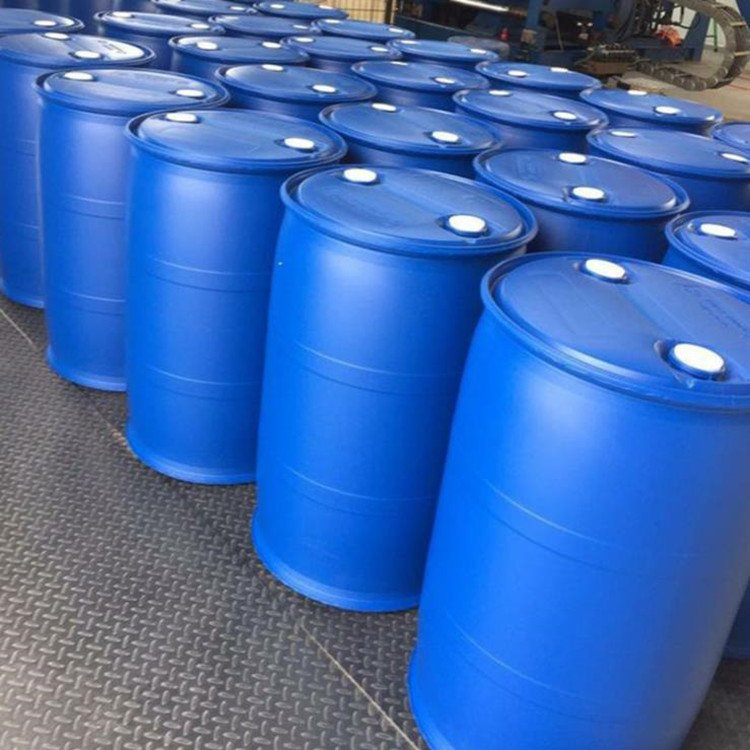
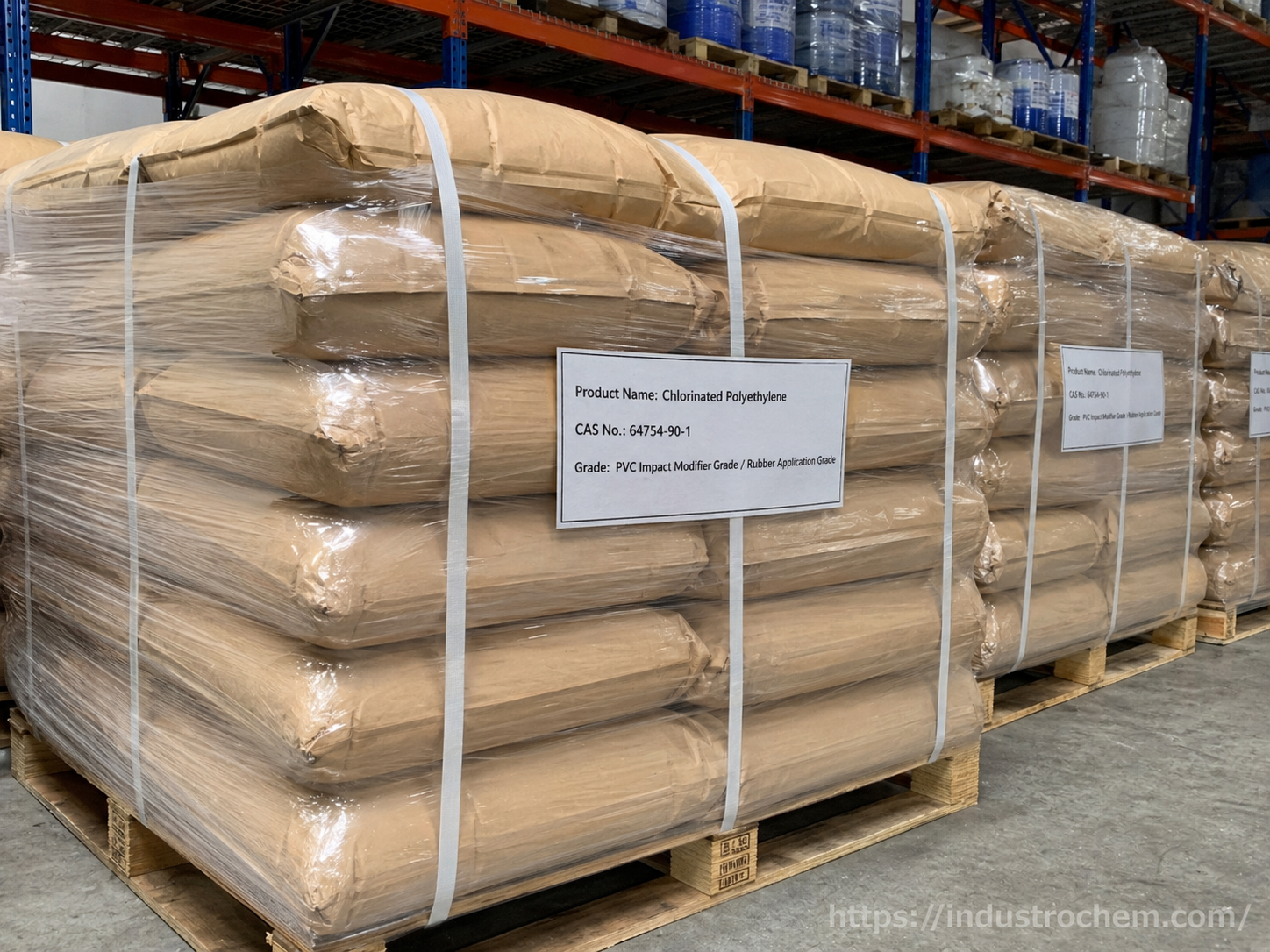
  • Package: Standard export bags or customized industrial packaging according to grade, quantity, and supply specification
Request a quote
Share:

Product Description

Main Applications

Chlorinated Polyethylene CAS 64754-90-1, also known as CPE, is a chlorinated polymer material used in industrial polymer modification and specialty compound production. Unlike a single small-molecule chemical, CPE is supplied in different grades, and its performance depends on factors such as chlorine content, molecular weight, viscosity, particle form, and application design.

In B2B sourcing, Chlorinated Polyethylene is commonly selected as an impact modifier, elastomeric modifier, and functional polymer additive. It is widely considered for PVC processing, rubber modification, cable compounds, hoses, sheets, waterproof membranes, and selected coating or construction material systems.

Application AreaBuyer-Relevant Use Direction
PVC Impact ModificationUsed in rigid PVC profiles, pipes, fittings, sheets, and related products where impact strength and processing balance are important.
Cable and Wire CompoundsApplied in selected cable sheath or compound systems requiring flexibility, weather resistance, and polymer compatibility.
Rubber and Elastomer BlendsUsed as a polymer modifier in rubber blends, hoses, sheets, and other elastomeric materials depending on formulation needs.
Waterproof and Construction MaterialsMay be used in waterproof membranes, modified polymer sheets, and construction-related polymer compounds.
Industrial Polymer CompoundingSuitable for compounders who require a chlorinated polymer additive with defined processing and mechanical performance requirements.

Product Specifications

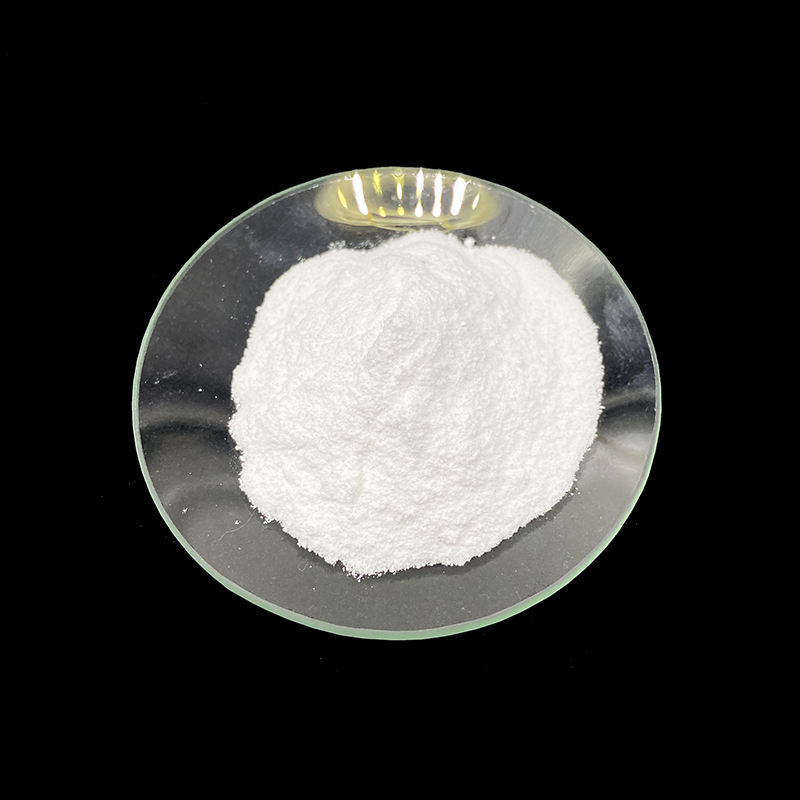
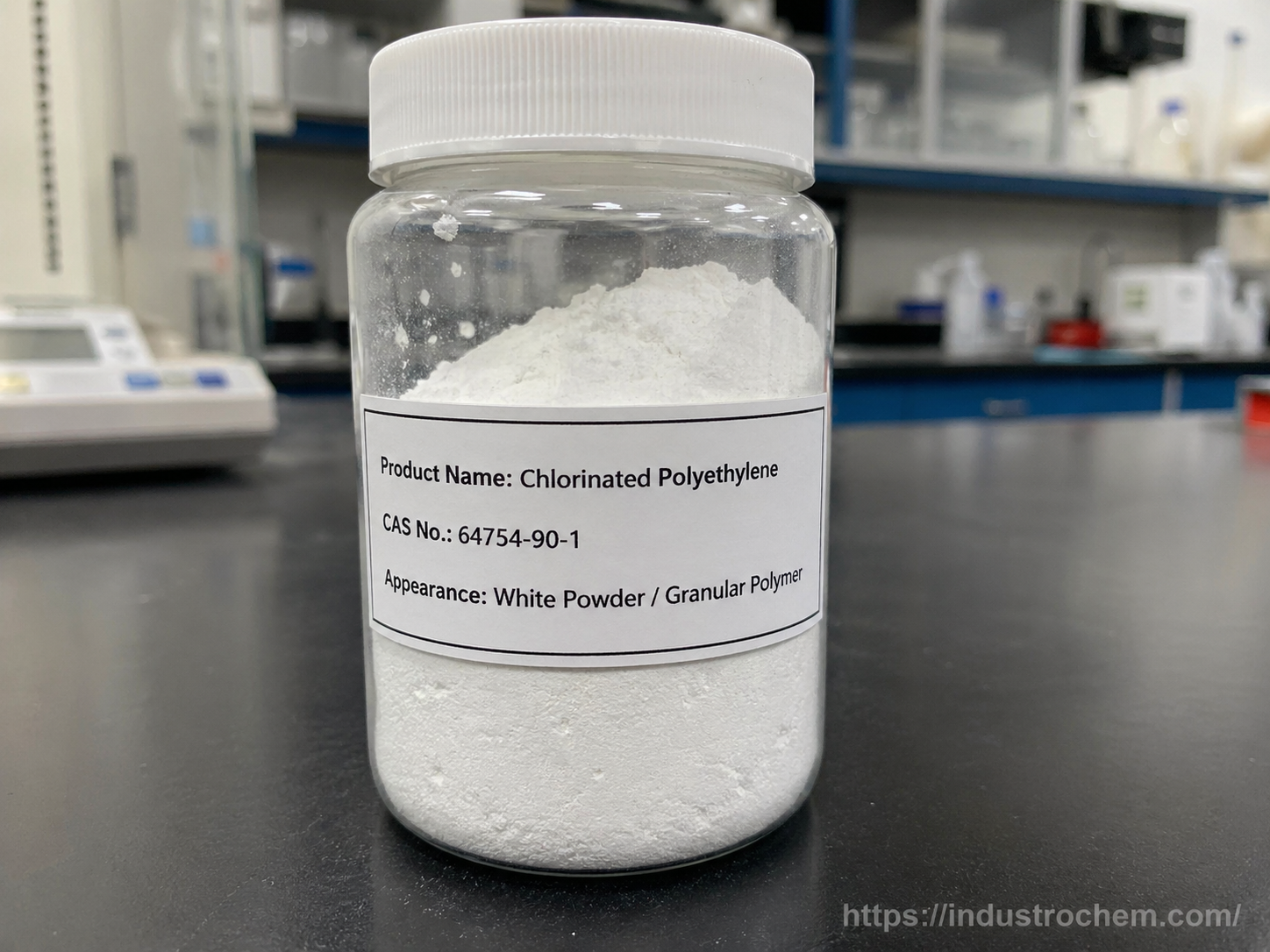
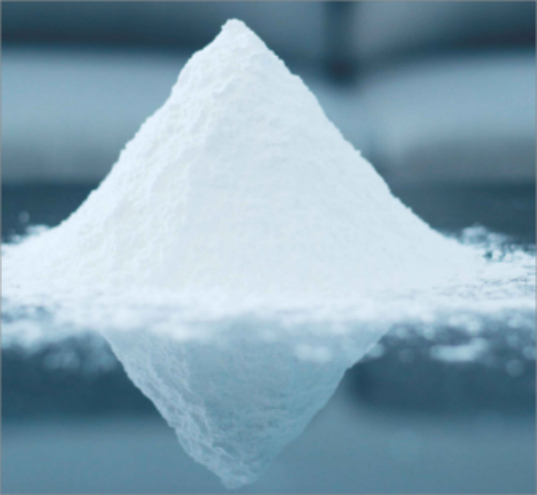
Chlorinated Polyethylene is usually supplied as a white powder or granular polymer material. Because CPE is a polymer product, specification values vary by grade and intended application. Buyers should not evaluate it only by CAS number. The correct grade should be selected according to processing method, compatibility, target performance, and formulation system.

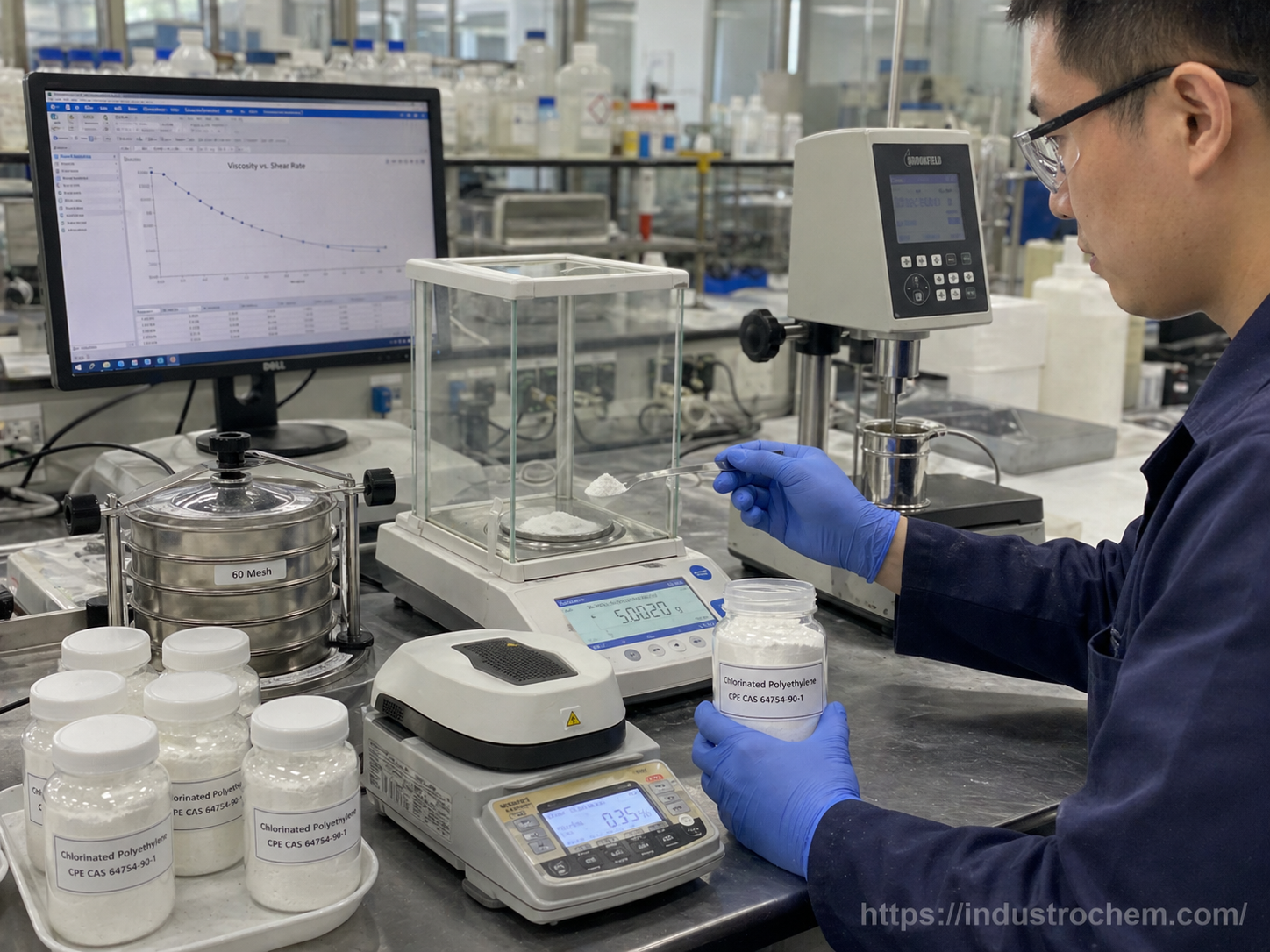
For industrial purchasing, commonly reviewed specification items include chlorine content, volatile matter, residue, bulk density, particle size, Mooney viscosity or viscosity-related indicators, tensile properties, heat stability, and compatibility with PVC, rubber, or other polymer systems. Exact values should be confirmed with the current TDS, COA, or agreed supply specification.

Product NameChlorinated Polyethylene
CAS Number64754-90-1
Common AbbreviationCPE
SynonymsPolyethylene, Chlorinated; Ethene, Homopolymer, Chlorinated; Chlorinated Ethylene Resin
Molecular FormulaPolymer structure; no single fixed molecular formula
AppearanceWhite powder or granular polymer material
Product TypeChlorinated polymer; plastic modifier; rubber modifier; specialty polymer additive
Typical GradePVC impact modifier grade / rubber application grade / cable compound grade / industrial polymer grade
Key Specification PointsChlorine content, volatile matter, residue, particle size, viscosity, heat stability, and application compatibility
Specification DocumentsCOA, TDS, and SDS can be provided according to inquiry and confirmed supply batch.

Packaging and Supply

Chlorinated Polyethylene CAS 64754-90-1 can be supplied in standard industrial packaging suitable for polymer additives and export shipment. Bag packaging is commonly used for polymer powder materials, while packaging details may be adjusted according to grade, shipment method, and order quantity.

For quotation and grade selection, buyers are encouraged to provide the intended application, target grade or reference grade, required quantity, packaging preference, destination country or port, and any technical specification requirements. This helps confirm whether the available CPE grade is suitable for PVC modification, rubber compounding, cable compounds, or other industrial polymer systems.

Storage and Handling

Store Chlorinated Polyethylene in a cool, dry, and well-ventilated area. Keep the package closed when not in use and protect the material from moisture, contamination, direct sunlight, and excessive heat. Avoid mixing with incompatible substances during storage or processing.

During handling, use suitable protective equipment and avoid generating excessive dust. Processing conditions should be determined by the buyer’s formulation system and production equipment. Users should review the latest SDS and technical data before large-scale production use.

FAQ

1. What is Chlorinated Polyethylene CAS 64754-90-1 used for?

Chlorinated Polyethylene is used as a polymer modifier and specialty additive in PVC products, rubber blends, cable compounds, waterproof materials, and other industrial polymer formulations.

2. Is Chlorinated Polyethylene the same as CPE?

Yes. CPE is the common abbreviation for Chlorinated Polyethylene. Different CPE grades may have different chlorine content, viscosity, particle form, and application performance.

3. Which product category is suitable for Chlorinated Polyethylene?

Chlorinated Polyethylene is suitable for Plastic Additives, Rubber Auxiliaries & Antioxidants, Industrial & Specialty Chemicals, and Construction and coating chemicals.

4. What specifications should buyers confirm before ordering CPE?

Buyers should confirm chlorine content, volatile matter, particle size, viscosity or Mooney viscosity, residue, heat stability, application grade, and compatibility with the target polymer system.

5. Can Chlorinated Polyethylene be supplied for bulk industrial orders?

Yes. Chlorinated Polyethylene can be supplied for industrial inquiry and bulk sourcing. Buyers should provide the target application, grade requirement, quantity, packaging preference, and destination details for quotation.

FAQ - Technical & Supply Chain

Documents

Documents and Product Support

For product review and sourcing evaluation, supporting documents can be coordinated according to the product type, inquiry stage, and order requirements.

  • COA for batch-based quality reference
  • TDS for key physical and chemical information
  • SDS / MSDS for handling, storage, and safety reference
  • Packing information for sample, trial, and bulk orders
  • Technical communication based on application and specification requirements
Quotation

Information to Confirm Before Quotation

Clear sourcing information helps reduce specification mismatch and allows a more accurate quotation before sample or bulk order discussion.

  • Product name and CAS number
  • Application or intended end use
  • Required purity, grade, or specification
  • Sample quantity, trial order, or bulk demand
  • Preferred packing form or net weight
  • Destination country or port
  • Required documents or compliance expectations
Storage & Handling

Packaging, Storage, and Handling Notes

Packaging form, storage conditions, shelf life, and shipment arrangements should be confirmed according to the product characteristics, package size, and destination requirements.

Before order confirmation, buyers are advised to review the corresponding product documents and confirm whether any special storage, labeling, or handling requirements apply.

Supply Support

Sample, Bulk Order and Repeat Supply Support

Support can be arranged for sample discussion, bulk supply planning, packaging confirmation, and routine sourcing communication based on the actual product and order requirements.

For repeat-use formulations or long-term procurement plans, buyers may discuss specification consistency, packaging preferences, delivery expectations, and document coordination in advance.

Contact Form

Use our contact form to send us your questions, suggestions or comments. We will respond as soon as possible.