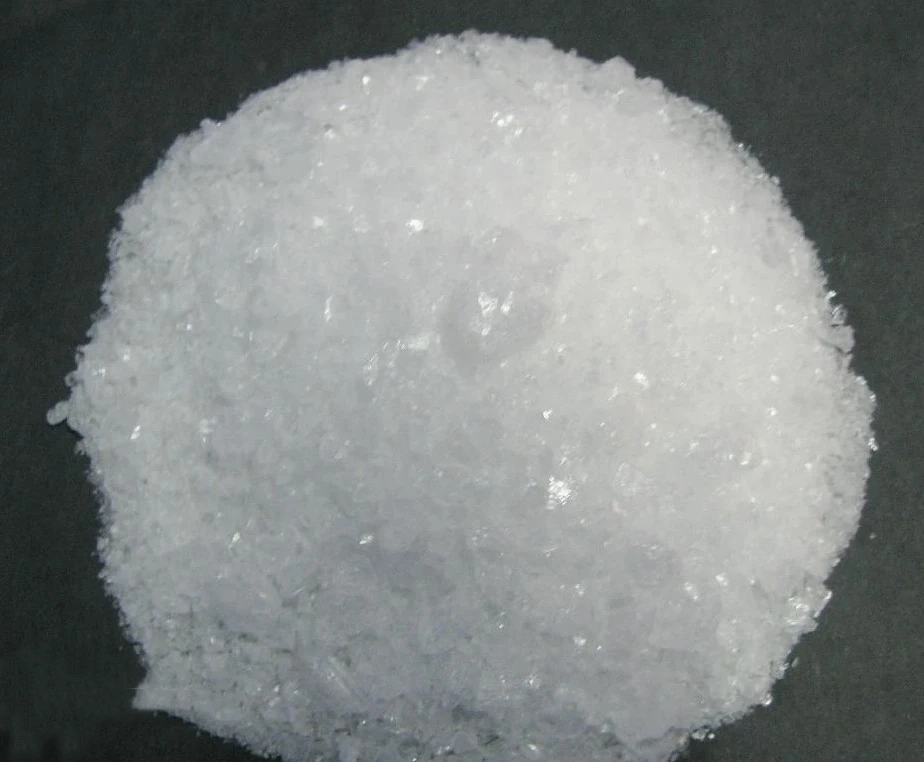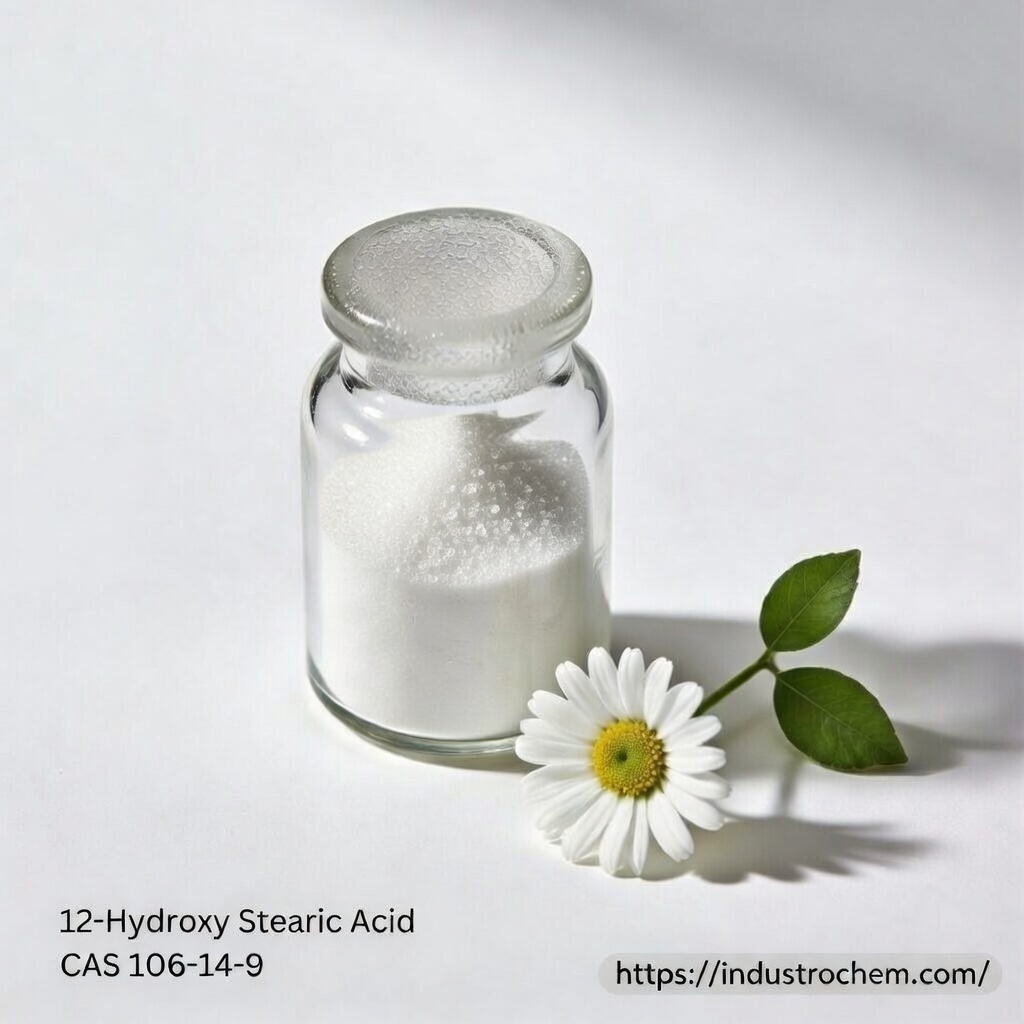
12-Hydroxy Stearic Acid, identified by CAS 106-14-9, is a saturated fatty acid derived from hydrogenated castor oil that functions as a high-efficiency gelling agent and structural modifier within the Industrial & Specialty Chemicals sector. This hydroxylated fatty acid serves as a primary precursor for high-performance lithium-base lubricating greases, facilitating the formation of a stable fibrous matrix that enhances mechanical stability and water resistance in extreme-pressure environments. Beyond lubrication, it is widely utilized as a processing aid and internal lubricant in rigid plastics and rubber compounding to improve surface finish and flow characteristics without compromising thermal integrity. We provide this material with competitive factory pricing to support global manufacturing requirements, ensuring that all batches meet customized specifications for titer point and hydroxyl value. Our logistics infrastructure is optimized for bulk supply, and every shipment is accompanied by comprehensive technical documentation, including MSDS, TDS, COA, to ensure regulatory compliance and process safety.
12-Hydroxy Stearic Acid CAS 106-14-9
- CAS: 106-14-9
- Synonyms: 12-HSA, Octadecanoic acid 12-hydroxy, Ceritfac G, 12-Hydroxystearic acid, Hydroxystearic acid
- Einecs: 203-366-1
- Molecular Formula: C18H36O3
- Grade: Industrial Grade
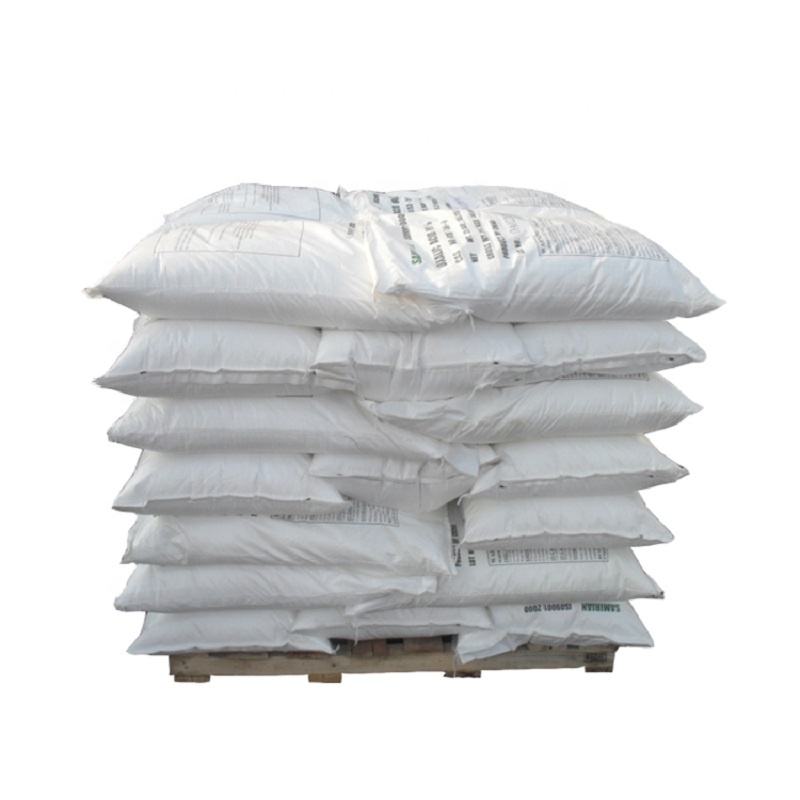
- Package: 25kg/bag (paper-plastic composite) or bulk jumbo bags
Product Description
Technical Data (Physicochemical Properties)
| Property | Specification (Typical Export Standard) |
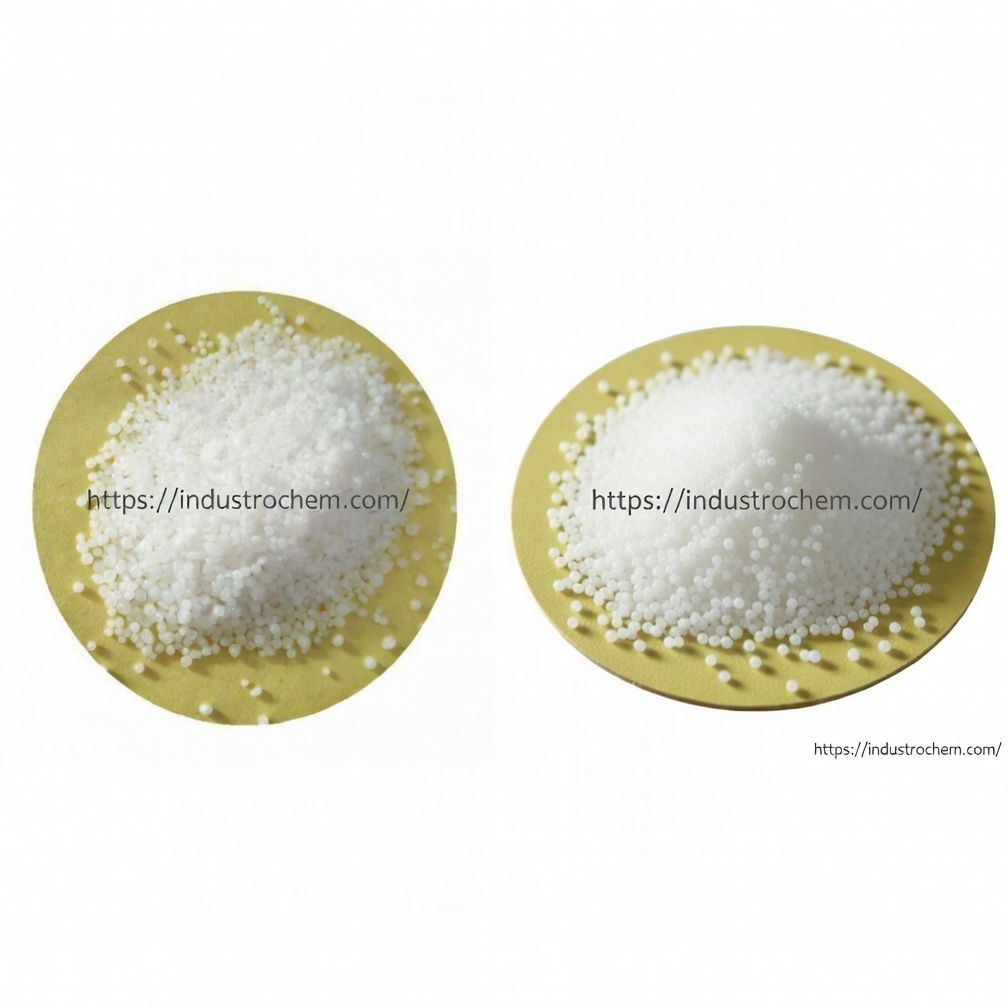
| Appearance | White to pale yellow flakes or powder |
| Melting Point | 74°C – 78°C |
| Hydroxyl Value | 155 – 165 mg KOH/g |
| Acid Value | 175 – 185 mg KOH/g |
| Iodine Value | ≤ 3.0 g I2/100g |
| Saponification Value | 180 – 190 mg KOH/g |
| Moisture Content | ≤ 0.5% |
Applications
- Lubricating Greases: The primary raw material for Lithium and Calcium 12-hydroxystearate greases, providing excellent heat resistance and shear stability.
- Plastics and Rubber: Functions as an internal lubricant and mold release agent for PVC, polystyrene, and ABS, reducing friction during extrusion.
- Chemical Intermediates: Used in the synthesis of specialized esters and amides for the coatings and textile industries.
- Personal Care (Industrial Processing): Acts as a consistency regulator in wax-based industrial formulations and professional-grade salves.
Storage & Safety
- Storage: Store in a cool, dry, and well-ventilated area. Protect from direct sunlight and moisture to prevent clumping. Keep away from strong oxidizing agents.
- Handling: Use standard industrial hygiene practices. Avoid dust formation and inhalation of fine particles.
- PPE Recommendations: Wear safety glasses with side shields and protective gloves (nitrile or PVC). In areas with high dust concentration, a NIOSH-approved dust mask is recommended.
Quality Assurance
Our production facility utilizes advanced vacuum distillation and hydrogenation technology to ensure a high-purity product with consistent thermal properties. Each batch undergoes rigorous testing for hydroxyl value and iodine value to guarantee performance in grease thickening. We maintain strict batch-to-batch traceability, providing the technical reliability required for critical industrial lubrication and polymer processing applications.
FAQ - Technical & Supply Chain
-
Q:
How is the chemical identity of 12-Hydroxy Stearic Acid verified against standard Stearic Acid for grease production?
A: Verification is primarily conducted through the measurement of the hydroxyl value and melting point, as CAS 106-14-9 contains a hydroxyl group at the C12 position which is absent in standard stearic acid. This specific functional group is what allows for the complexation with metal hydroxides to form the high-dropping-point greases required in industrial machinery. -
Q:
Is 12-Hydroxy Stearic Acid suitable for use as a primary thickener in high-temperature mineral oil formulations?
A: Yes, it is typically applied as the lead fatty acid component in the manufacture of high-performance lubricating greases. In these industrial processes, it reacts with lithium hydroxide or other bases to create a soap fiber network that maintains consistency and lubrication efficacy across a wide temperature range, commonly exceeding 120°C in continuous operation.
Documents and Product Support
For product review and sourcing evaluation, supporting documents can be coordinated according to the product type, inquiry stage, and order requirements.
- COA for batch-based quality reference
- TDS for key physical and chemical information
- SDS / MSDS for handling, storage, and safety reference
- Packing information for sample, trial, and bulk orders
- Technical communication based on application and specification requirements
Information to Confirm Before Quotation
Clear sourcing information helps reduce specification mismatch and allows a more accurate quotation before sample or bulk order discussion.
- Product name and CAS number
- Application or intended end use
- Required purity, grade, or specification
- Sample quantity, trial order, or bulk demand
- Preferred packing form or net weight
- Destination country or port
- Required documents or compliance expectations
Packaging, Storage, and Handling Notes
Packaging form, storage conditions, shelf life, and shipment arrangements should be confirmed according to the product characteristics, package size, and destination requirements.
Before order confirmation, buyers are advised to review the corresponding product documents and confirm whether any special storage, labeling, or handling requirements apply.
Sample, Bulk Order and Repeat Supply Support
Support can be arranged for sample discussion, bulk supply planning, packaging confirmation, and routine sourcing communication based on the actual product and order requirements.
For repeat-use formulations or long-term procurement plans, buyers may discuss specification consistency, packaging preferences, delivery expectations, and document coordination in advance.