










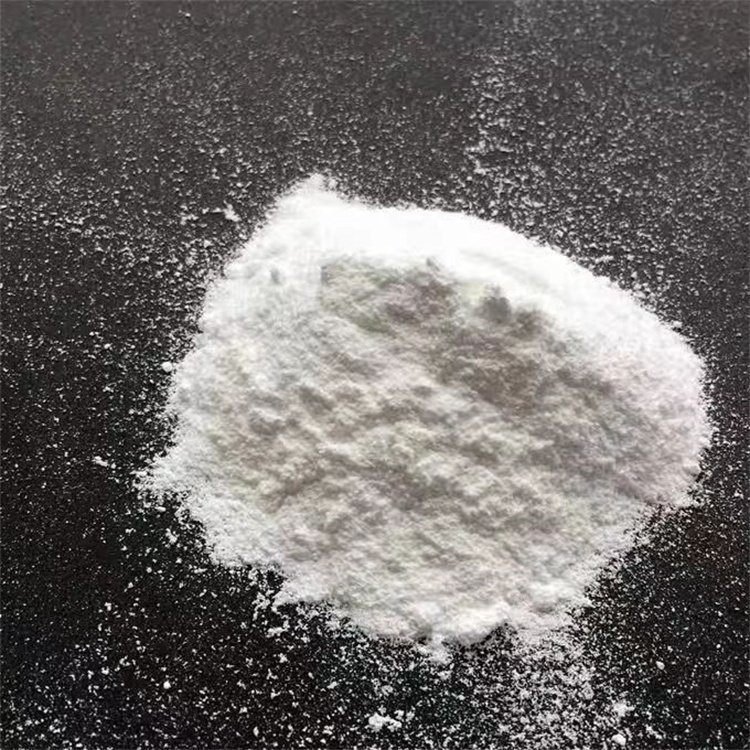
Zinc Ricinoleate (CAS 13040-19-2) is a specialized metallic fatty acid salt utilized as a highly active odor-absorbing agent in household cleaners and industrial deodorant formulations. Chemically identified as Zinc diricinoleate or the Zinc salt of ricinoleic acid, this waxy solid functions by chemically fixing low molecular weight nucleophilic compounds, such as isovaleric acid and amines, rather than merely masking them with fragrance. As a stable Zinc carboxylate complex, it is integrated into detergents, waste treatment systems, and air fresheners to neutralize malodors effectively. We ensure bulk supply capabilities for this material, providing access to competitive factory pricing and customized specifications to meet specific solubility or activity requirements. Full technical documentation, including MSDS, TDS, COA, is available to support compliance and safety protocols.
Zinc Ricinoleate CAS 13040-19-2
- CAS: 13040-19-2
- Synonyms: Zinc diricinoleate, Ricinoleic acid zinc salt, Zinc(II) ricinoleate, Zinc carboxylate
- Einecs: 235-907-4
- Molecular Formula: C36H66O6Zn
- Grade: Cosmetic Grade / High Purity (98%)
- Package: 20kg or 25kg Paper Drum / Fiber Bag / Carton (Customizable)
Product Description
Zinc Ricinoleate is the zinc salt of ricinoleic acid, a major fatty acid found in castor oil. Unlike traditional antiperspirants that block pores or deodorants that mask smells with heavy perfumes, Zinc Ricinoleate works through a unique “cage” mechanism. It effectively chelates (binds) nucleophilic odor-causing molecules—specifically those containing Nitrogen (like ammonia and amines) and Sulfur (like mercaptans and hydrogen sulfide).
Once bound to the Zinc Ricinoleate, these odor molecules cannot be released back into the atmosphere, even upon drying. It is biologically degradable, skin-friendly, and suitable for sensitive skin formulations. It is widely compatible with non-ionic and anionic surfactant systems.
Physicochemical Properties
| Test Item | Specification (Standard) |
|---|---|
| Appearance | White to pale yellow granules, powder, or waxy solid |
| Odor | Characteristic, mild fatty odor |
| Purity (Assay) | ≥ 98.0% |
| Zinc Content | 10.5% – 12.5% |
| Melting Point | 70°C – 85°C |
| Loss on Drying | ≤ 1.0% |
| Heavy Metals (Pb) | ≤ 10 ppm |
| Arsenic (As) | ≤ 2 ppm |
| pH Value (10% Solution) | 6.0 – 7.0 |
| Solubility | Insoluble in water; Soluble in organic solvents and oils |
Applications
- Personal Care & Cosmetics:
- Deodorants: Primary active ingredient in stick, roll-on, and cream natural deodorants.
- Foot Creams: Neutralizes foot odors effectively.
- Body Washes & Soaps: Adds odor-neutralizing properties to cleansing products.
- Household Products:
- Air Fresheners: Used in solid or gel air fresheners to eliminate kitchen or pet odors.
- Fabric Sprays: Removes odors from upholstery, curtains, and carpets.
- Industrial Uses:
- Waste Treatment: Used in sewage and waste treatment facilities to control strong odors (H2S, Ammonia).
- Plastics & Rubber: Acts as a stabilizer and odor scavenger during processing.
Storage Conditions
- Environment: Store in a cool, dry, and well-ventilated area away from direct sunlight.
- Temperature: Keep temperature below 35°C to prevent caking or melting (as the melting point is relatively low).
- Sealing: Keep containers tightly closed when not in use to prevent moisture absorption and contamination.
- Shelf Life: typically 24 months under proper storage conditions.
Safety Precautions
- Handling: Wear appropriate personal protective equipment (PPE), including safety glasses, gloves, and a dust mask if handling powder form to avoid inhalation.
- Skin Contact: Non-irritating in cosmetic formulations, but wash with soap and water after handling raw concentrated material.
- Eye Contact: Rinse cautiously with water for several minutes. Remove contact lenses if present and easy to do.
- Fire Safety: Combustible solid. In case of fire, use dry chemical powder, carbon dioxide, or foam.
FAQ - Technical & Supply Chain
-
Q:
From a chemical composition perspective, what identifies Zinc Ricinoleate CAS 13040-19-2?
A: Zinc Ricinoleate (CAS 13040-19-2) is defined as the zinc salt of ricinoleic acid, chemically structured as Zinc diricinoleate, and is supplied as an active ingredient for chelation-based odor control. -
Q:
Does this material function by masking odors with fragrance?
A: No, this product is typically applied in odor control formulations to permanently neutralize unpleasant smells through chemical complexation, rather than masking them, making it effective for treating industrial waste and household surfaces.
Documents and Product Support
For product review and sourcing evaluation, supporting documents can be coordinated according to the product type, inquiry stage, and order requirements.
- COA for batch-based quality reference
- TDS for key physical and chemical information
- SDS / MSDS for handling, storage, and safety reference
- Packing information for sample, trial, and bulk orders
- Technical communication based on application and specification requirements
Information to Confirm Before Quotation
Clear sourcing information helps reduce specification mismatch and allows a more accurate quotation before sample or bulk order discussion.
- Product name and CAS number
- Application or intended end use
- Required purity, grade, or specification
- Sample quantity, trial order, or bulk demand
- Preferred packing form or net weight
- Destination country or port
- Required documents or compliance expectations
Packaging, Storage, and Handling Notes
Packaging form, storage conditions, shelf life, and shipment arrangements should be confirmed according to the product characteristics, package size, and destination requirements.
Before order confirmation, buyers are advised to review the corresponding product documents and confirm whether any special storage, labeling, or handling requirements apply.
Sample, Bulk Order and Repeat Supply Support
Support can be arranged for sample discussion, bulk supply planning, packaging confirmation, and routine sourcing communication based on the actual product and order requirements.
For repeat-use formulations or long-term procurement plans, buyers may discuss specification consistency, packaging preferences, delivery expectations, and document coordination in advance.


