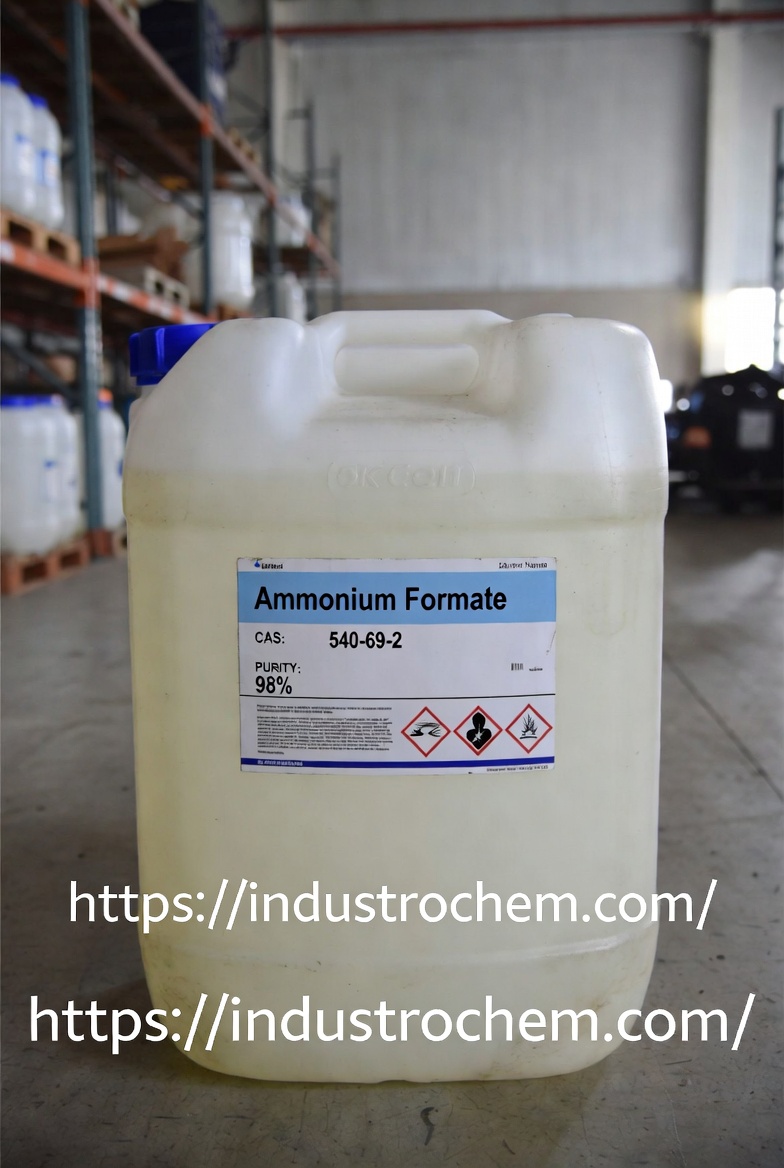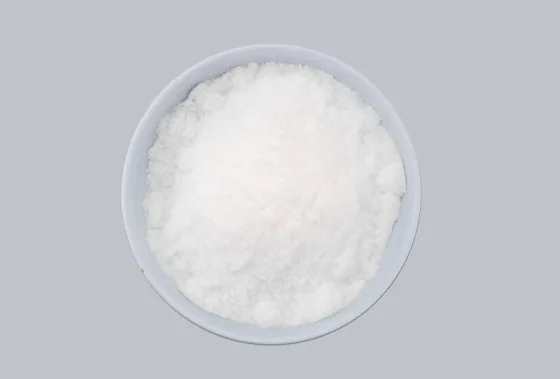










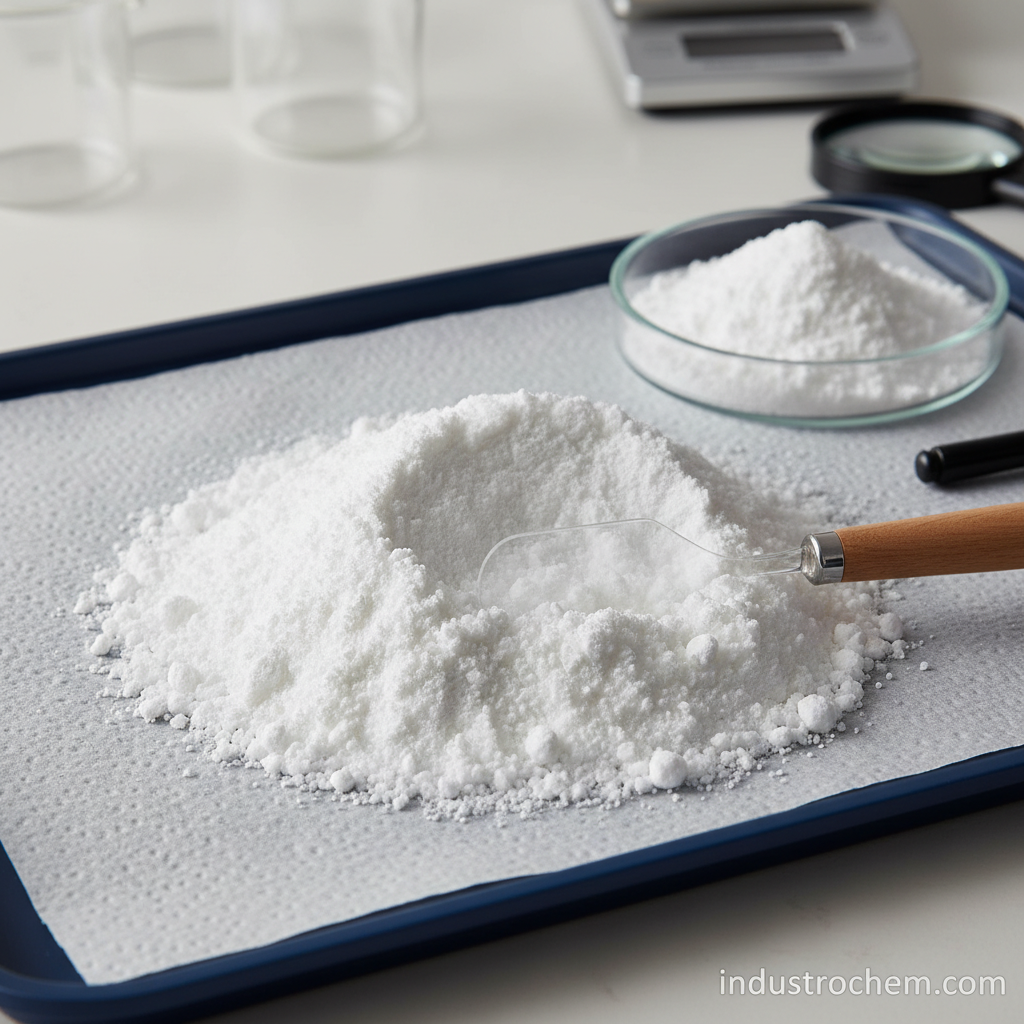
Sodium Formate CAS 141-53-7 is a highly soluble organic salt chemically defined as the sodium salt of formic acid , functioning primarily as a camouflage acid in the leather tanning industry and a non-corrosive de-icing agent for airport runways. Also known as Sodium methanoate or Formic acid sodium salt, this white crystalline powder is utilized to assist in the chrome penetration of leather hides (pickling) and acts as a high-density, environmentally benign additive in drilling fluid brines. We provide professional access to this material with competitive factory pricing and the ability to meet customized specifications for various manufacturing requirements. Our commitment to technical transparency ensures that every shipment is accompanied by comprehensive MSDS, TDS, COA documentation to support your quality assurance protocols, and we maintain capacity for consistent bulk supply to facilitate large-scale industrial operations.
Sodium Formate CAS 141-53-7
- CAS: 141-53-7
- Synonyms: Sodium methanoate, Formic acid sodium salt, Salachlor, Sodium formate dry, Mravencan sodny
- Einecs: 205-488-0
- Molecular Formula: CHNaO2
- Grade: Oil drilling and mining chemicals
- Package: 25kg/bag (Plastic woven bag with PE liner) or 500kg/1000kg Jumbo Bag.
Product Description
Chemical Profile: At a Glance
| Property | Description |
|---|---|
| Product Name | Sodium Formate |
| CAS Number | 141-53-7 |
| Chemical Formula | HCOONa |
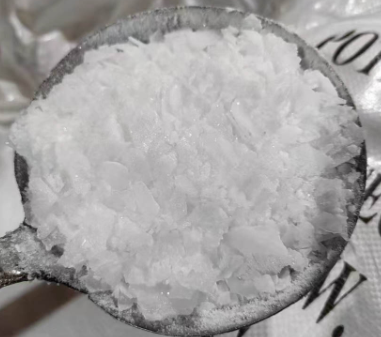
| Appearance | White crystalline powder or granules |
| Molecular Weight | 68.01 g/mol |
| Solubility | Soluble in water and glycerol; slightly soluble in ethanol; insoluble in ether |
| pH Value | Approx. 7.0 – 8.5 (in aqueous solution) |
| Melting Point | ≥ 253°C |
| Odor | Slight odor of formic acid / Odorless |
| Hygroscopicity | Deliquescent (absorbs moisture from air) |
Key Application Areas
Sodium Formate is a multi-industry utility player. Here is where it shines:
1. The Leather Industry (Camouflage Acid) This is perhaps its most traditional and vital use. In the chrome tanning process, Sodium Formate acts as a masking agent. It assists in the uniform penetration of chrome into the leather. Without it, the tanning can be uneven, leading to poor quality hides. It helps stabilize the pH, ensuring the leather is soft, durable, and uniform in color.
2. Eco-Friendly De-icing and Snow Melting As environmental regulations tighten, the shift away from chloride-based salts is accelerating. Sodium Formate is an excellent de-icer for airport runways and city bridges because it is effective at low temperatures and, crucially, it is non-corrosive to concrete and metals compared to traditional salts. It breaks down quickly, reducing environmental impact.
3. Oil and Gas Exploration In the drilling sector, Sodium Formate is used in saturated formats to increase the density of drilling fluids (muds) and completion fluids. It stabilizes the borehole and is much friendlier to the drilling equipment (preventing corrosion) and the environment than traditional brines.
4. Textile and Fabric Processing It serves as a reducing agent in the printing and dyeing industry. It also acts as a buffering agent to maintain pH levels during various fabric treatments.
5. Chemical Synthesis It is a raw material for manufacturing other chemicals, including formic acid, oxalic acid, and sodium hydrosulfite.
Safety and Precautionary Measures
While Sodium Formate is generally considered less hazardous than many industrial acids, it must still be handled with respect and care.
- Respiratory Protection: It is a fine powder. Inhalation of dust can irritate the respiratory tract. Always use appropriate dust masks or respirators in well-ventilated areas.
- Skin and Eye Contact: It acts as a mild irritant. Wear protective gloves and safety goggles. If contact occurs, flush with plenty of water immediately.
- Ingestion: Do not ingest. It is low in toxicity but can cause gastrointestinal irritation.
Always refer to the latest Material Safety Data Sheet (MSDS/SDS) before handling.
Storage and Handling Conditions
Because Sodium Formate is hygroscopic (it loves water), storage is the most critical part of logistics.
- Keep it Dry: It must be stored in a cool, dry, and well-ventilated area.
- Sealed Packaging: Bags should remain tightly sealed until use. Typical packaging includes PE-lined woven bags (25kg) or Jumbo bags (1000kg) to prevent moisture ingress.
- Segregation: Store away from strong acids and oxidizing agents to prevent chemical reactions.
FAQ - Technical & Supply Chain
-
Q:
Why is Sodium Formate (CAS 141-53-7) preferred over chloride salts for critical de-icing applications?
A: Unlike common rock salt (sodium chloride) or calcium chloride which are highly corrosive to metals and asphalt, Sodium Formate (CAS 141-53-7) exhibits a significantly lower corrosion profile. This chemical property makes it the industry-standard specification for de-icing airport runways and steel bridges where preserving structural integrity and meeting environmental biodegradability standards is mandatory. -
Q:
Can this grade be utilized as a "buffering agent" in the leather tanning process?
A: Yes. In the leather industry, Sodium Formate acts as a "camouflage acid."It is added during the pickling and chrome tanning stages to buffer the strong mineral acids (like sulfuric acid), raising the pH gradually. This controlled pH elevation prevents the surface of the hide from tightening too quickly ("drawn grain"), ensuring uniform penetration of the chrome tanning agents throughout the cross-section of the leather.
Documents and Product Support
For product review and sourcing evaluation, supporting documents can be coordinated according to the product type, inquiry stage, and order requirements.
- COA for batch-based quality reference
- TDS for key physical and chemical information
- SDS / MSDS for handling, storage, and safety reference
- Packing information for sample, trial, and bulk orders
- Technical communication based on application and specification requirements
Information to Confirm Before Quotation
Clear sourcing information helps reduce specification mismatch and allows a more accurate quotation before sample or bulk order discussion.
- Product name and CAS number
- Application or intended end use
- Required purity, grade, or specification
- Sample quantity, trial order, or bulk demand
- Preferred packing form or net weight
- Destination country or port
- Required documents or compliance expectations
Packaging, Storage, and Handling Notes
Packaging form, storage conditions, shelf life, and shipment arrangements should be confirmed according to the product characteristics, package size, and destination requirements.
Before order confirmation, buyers are advised to review the corresponding product documents and confirm whether any special storage, labeling, or handling requirements apply.
Sample, Bulk Order and Repeat Supply Support
Support can be arranged for sample discussion, bulk supply planning, packaging confirmation, and routine sourcing communication based on the actual product and order requirements.
For repeat-use formulations or long-term procurement plans, buyers may discuss specification consistency, packaging preferences, delivery expectations, and document coordination in advance.
Contact Form
Use our contact form to send us your questions, suggestions or comments. We will respond as soon as possible.
Product Categories
Related Products
-
Diisoamyl Sulfide CAS 544-02-5 -
Ethanolamine Oleate CAS 1071-23-4 -
Benzylarsonic Acid CAS 618-45-1 -
N-Methyldiethanolamine CAS 105-59-9 -
Carboxymethyl Cellulose CAS 9004-32-4 -
Calcium Chloride Dihydrate CAS 10035-04-8 -
Chrome-free Zeolite Tanning Agent CAS 68989-22-0 -
Sodium Carboxymethyl Cellulose (CMC) CAS 9004-32-4