


Potassium Formate, CAS 590-29-4, is a water-soluble salt used in oilfield brines, deicing and heat-transfer formulations. Solid material and aqueous solutions serve different handling and concentration needs; the supplied form and specification are matched to the intended fluid system.
Potassium Formate CAS 590-29-4
- CAS: 590-29-4
- Synonyms: Potassium formate; Formic acid potassium salt; Potassium methanoate
- Einecs: 209-677-9
- Molecular Formula: HCOOK
- Grade: Industrial solid or aqueous solution; assay or concentration and impurity limits agreed for the intended fluid system
- Package: Sealed moisture-resistant packaging for solid material; compatible IBC or bulk delivery for solution, as agreed
Product Description
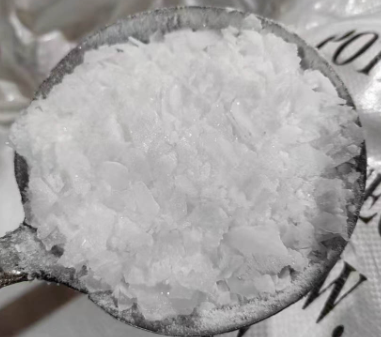
Potassium formate is the potassium salt of formic acid, also called potassium methanoate. Its formula is HCOOK and its molar mass is 84.12 g/mol. Commercial forms include a white hygroscopic solid and clear aqueous solutions. Solid material needs protection from moisture; solution properties depend on concentration and temperature.
For drilling and completion brines, sodium formate is a related salt used for comparison or in designed formate blends. The blend ratio affects density and crystallization behaviour, so equal quantities of the two salts do not give equivalent fluids.
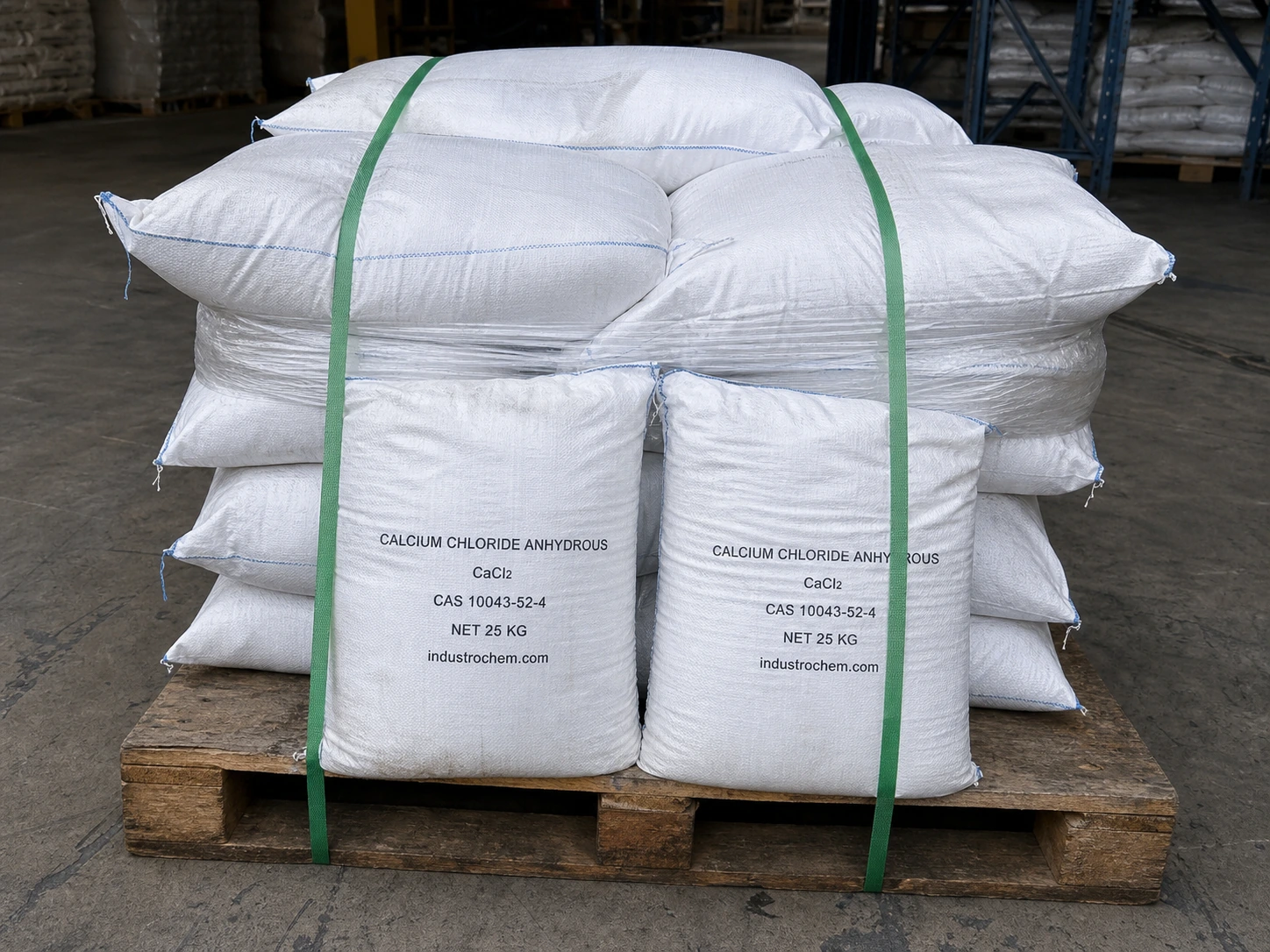
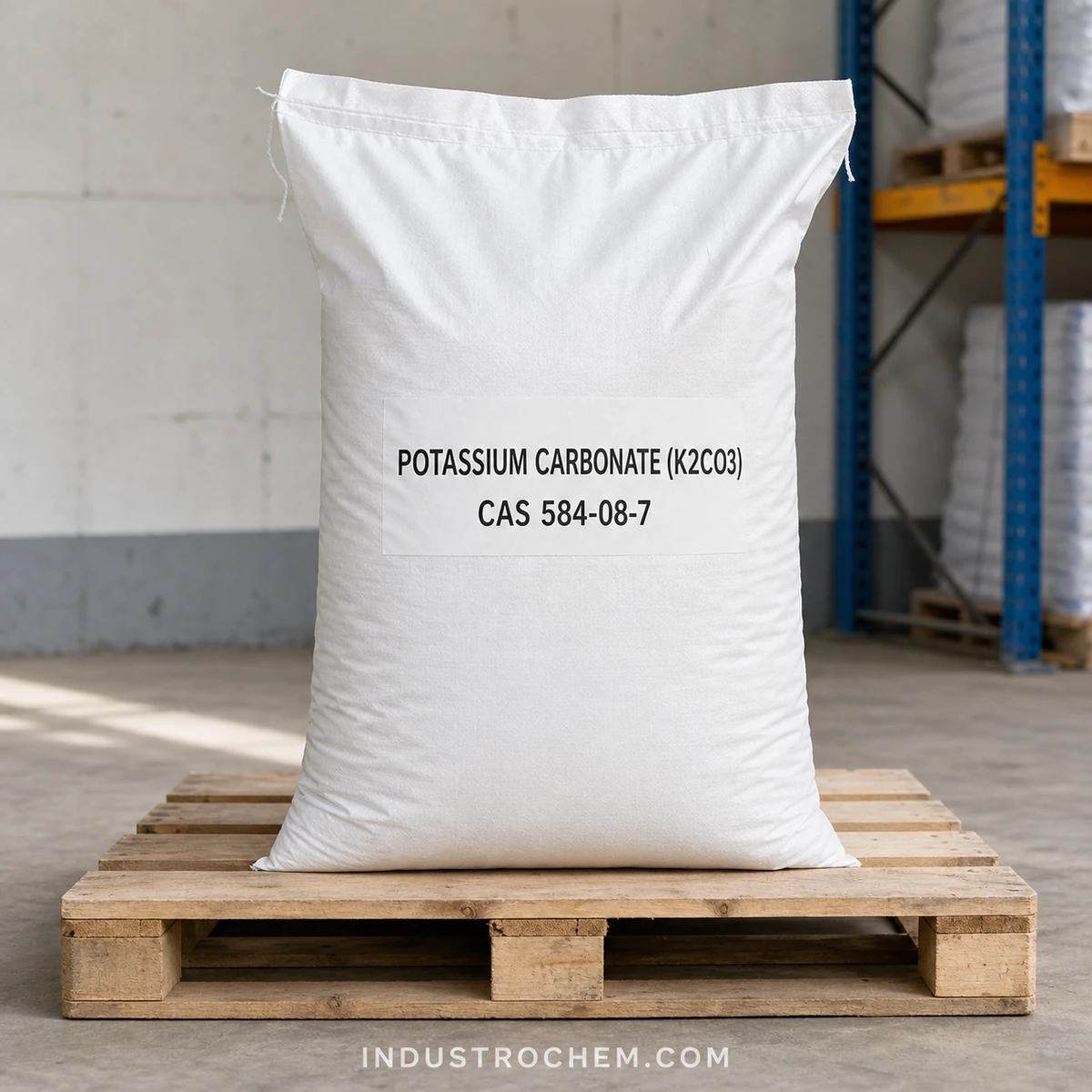
Potassium carbonate can be a component of a designed carbonate/bicarbonate buffer in formate brines. Buffer selection depends on the fluid composition and operating conditions. Anhydrous calcium chloride belongs to a different brine chemistry; it is a comparison material, not a mixing recommendation.
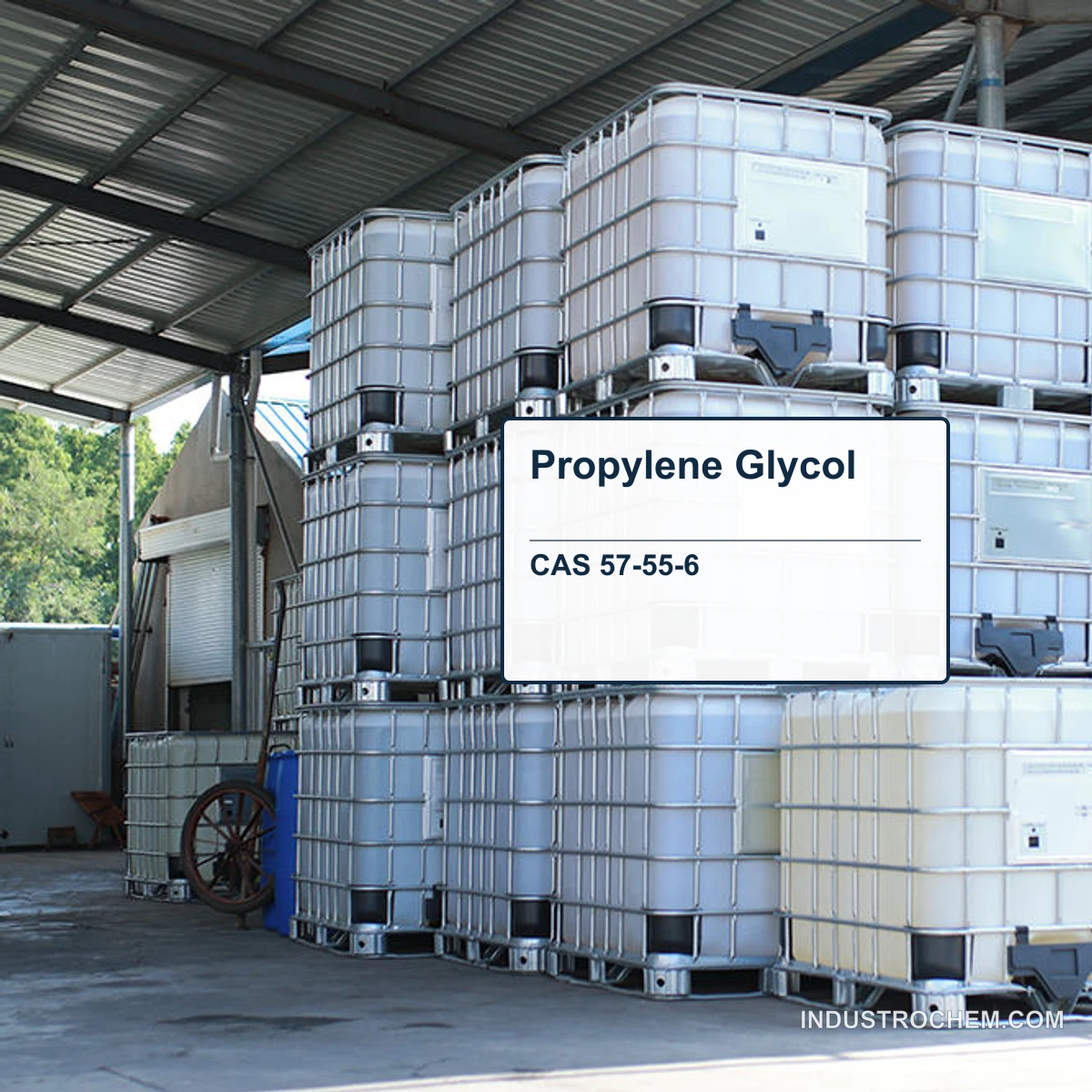
For secondary heat-transfer systems, potassium-formate solutions and propylene glycol formulations are different fluid options. Selection depends on operating temperature, viscosity, heat transfer and materials compatibility. Raw propylene glycol and raw potassium formate are not, by themselves, fully formulated inhibited heat-transfer fluids.
We can provide a Certificate of Analysis (COA), Technical Data Sheet (TDS) and Safety Data Sheet (SDS) for the offered potassium formate grade, with the agreed assay or concentration method and relevant impurity results. The batch COA reports the supplied lot; the TDS describes the grade and the SDS covers safe handling. For a quotation, send the required form or concentration, quantity and destination.
FAQ - Technical & Supply Chain
-
Q:
Are solid potassium formate and potassium formate brine interchangeable?
A: They contain the same salt, but cannot be substituted on a one-for-one mass basis. A solid purchase is defined by assay and moisture; an aqueous solution is defined by potassium formate concentration and its water content. For brine service, density at a stated temperature and crystallization behaviour also affect selection. -
Q:
Can density alone verify potassium formate concentration?
A: Density is useful when the fluid composition and reference temperature are known. It does not independently establish potassium formate content in a brine containing other salts or additives. The agreed specification should state the concentration basis and analytical method, density temperature, and the measurement conditions for pH and crystallization temperature. -
Q:
Which quality results are relevant to a potassium formate order?
A: Solid grades are assessed by assay, moisture and the agreed impurity limits; solution grades also require concentration and density at a stated temperature. Chloride, insoluble matter, iron or other metals are included when relevant to the fluid specification. Assay methods must suit the grade: titration is one documented approach for solid potassium formate, while concentrated brine testing requires methods appropriate to the formulation.
Ordering & Documentation
Key information for document requests, quotations, and supply planning.
Documents
Tell us which documents your procurement team needs. Before an order, we will check whether the quoted source can provide them for the offered lot.
Quotation
Send the CAS number, grade, quantity, packing preference and destination.
Sample & Supply
Ask whether samples, trial quantities or repeat orders are possible. We will check each request against the sourced product and current offer.
Storage & Shipping
Product-specific conditions are confirmed before order.