









• Sodium Lauroyl Isethionate CAS 7381-01-3
  • Sodium Lauroyl Isethionate CAS 7381-01-3

Sodium Lauroyl Isethionate CAS 7381-01-3

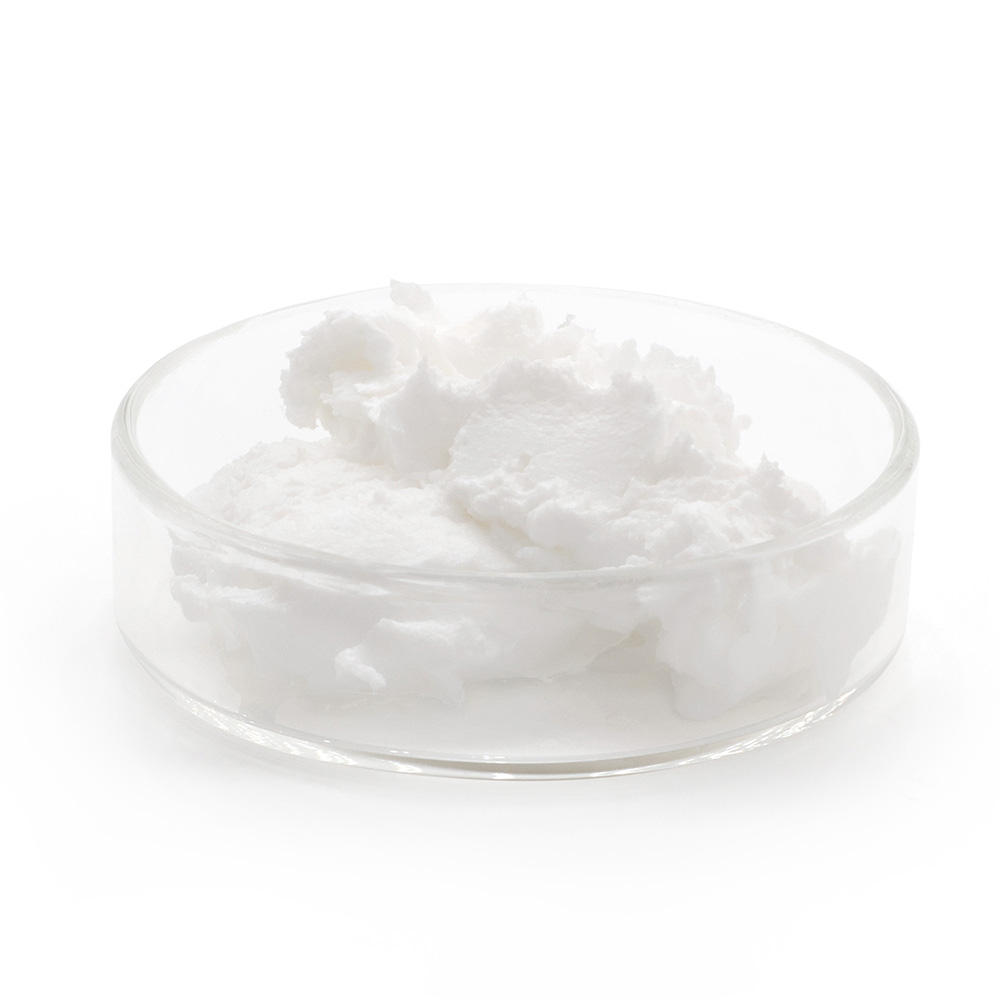
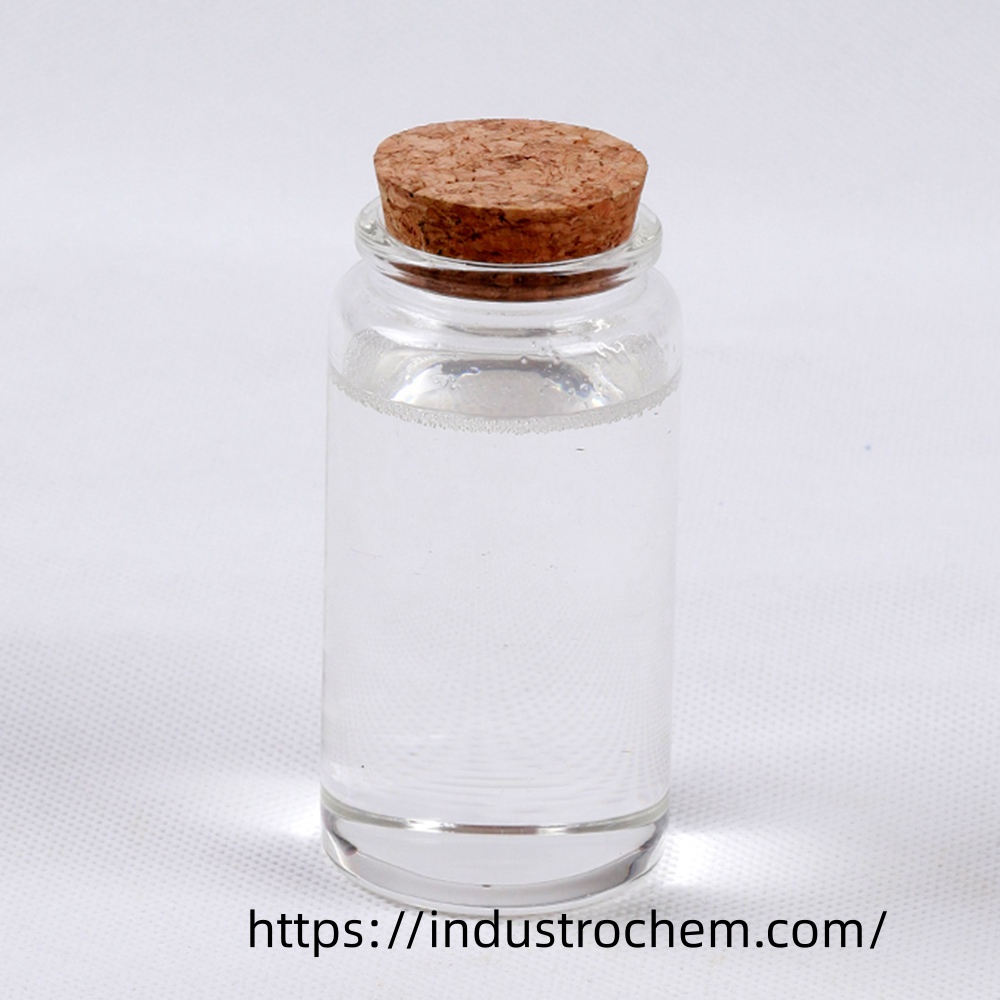
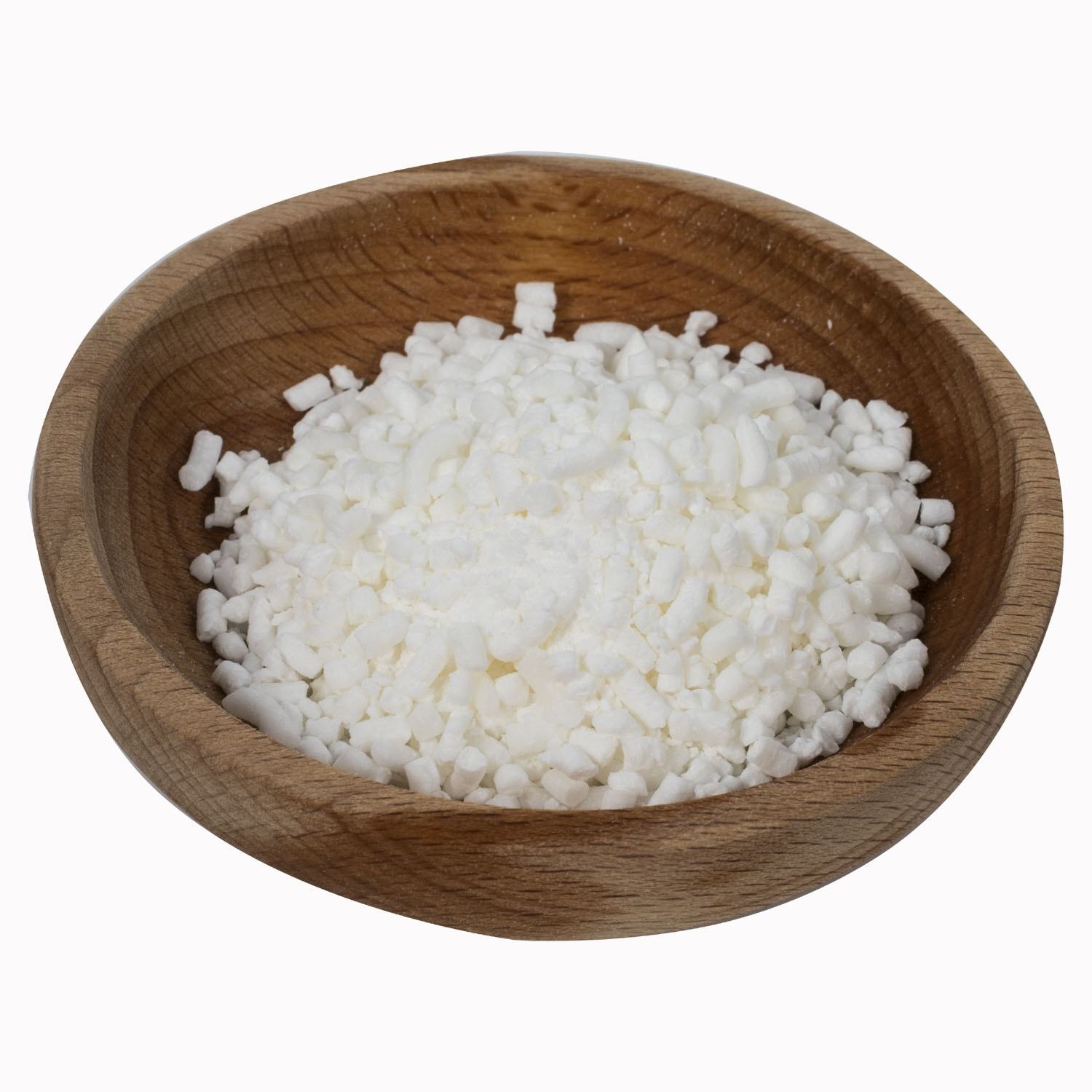
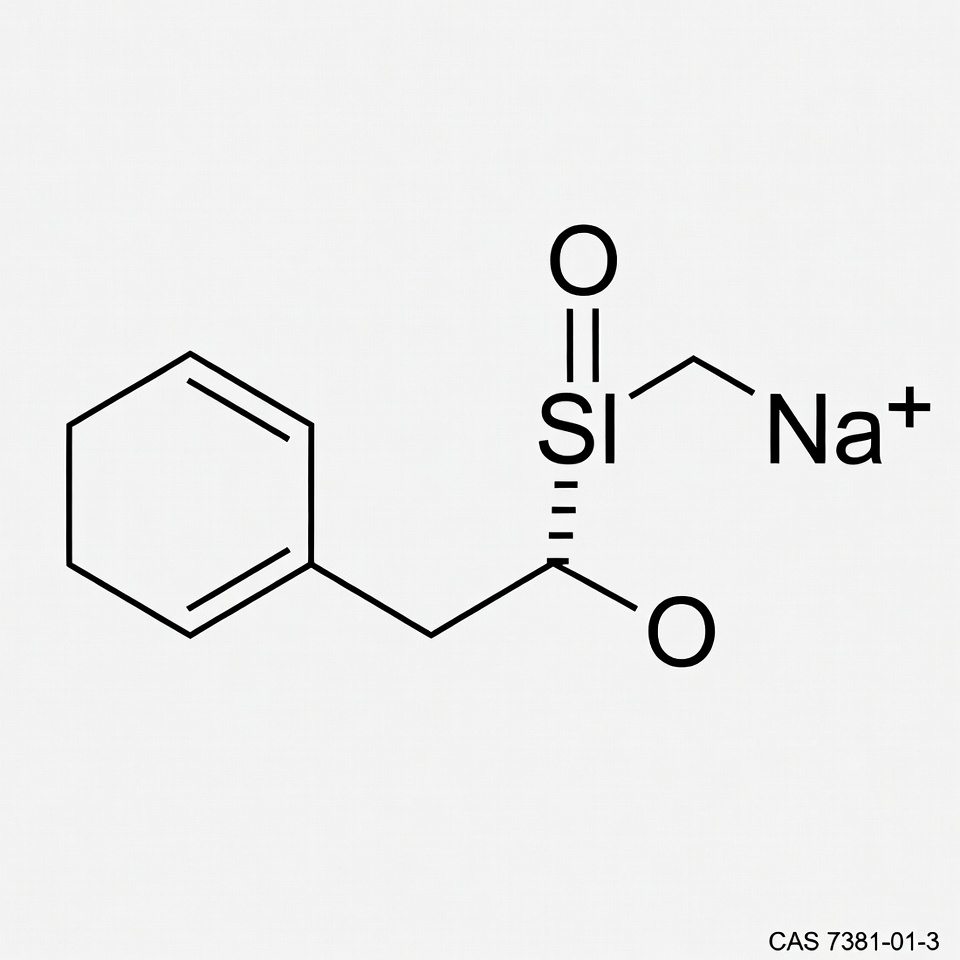
Sodium Lauroyl Isethionate (SLI) CAS 7381-01-3 is a mild anionic surfactant chemically defined as the sodium salt of the lauric acid ester of isethionic acid , functioning primarily as a high-foaming cleansing agent in "soap-free" syndet bars and sulfate-free liquid formulations. Distinct from standard soaps, this biodegradable ingredient is utilized to generate dense, creamy lather in hard water conditions while maintaining a low irritation profile, making it the benchmark surfactant for sensitive skin cleansers and baby products. We provide professional access to this material with competitive factory pricing and the ability to meet customized specifications (typically available in noodles, flakes, or fine powder) for various manufacturing requirements. Our commitment to technical transparency ensures that every shipment is accompanied by comprehensive MSDS, TDS, COA documentation to support your quality assurance protocols, and we maintain capacity for consistent bulk supply to facilitate large-scale industrial operations.

  • CAS: 7381-01-3
  • Synonyms: Sodium 2-(dodecanoyloxy)ethanesulfonate, Dodecanoic acid 2-sulfoethyl ester sodium salt, Isethionic acid lauroyl ester sodium salt, SLI surfactant, Sodium lauryl isethionate
  • Einecs: 230-949-8
  • Molecular Formula: C14H27NaO5S
  • Grade: Cosmetic Raw Materials
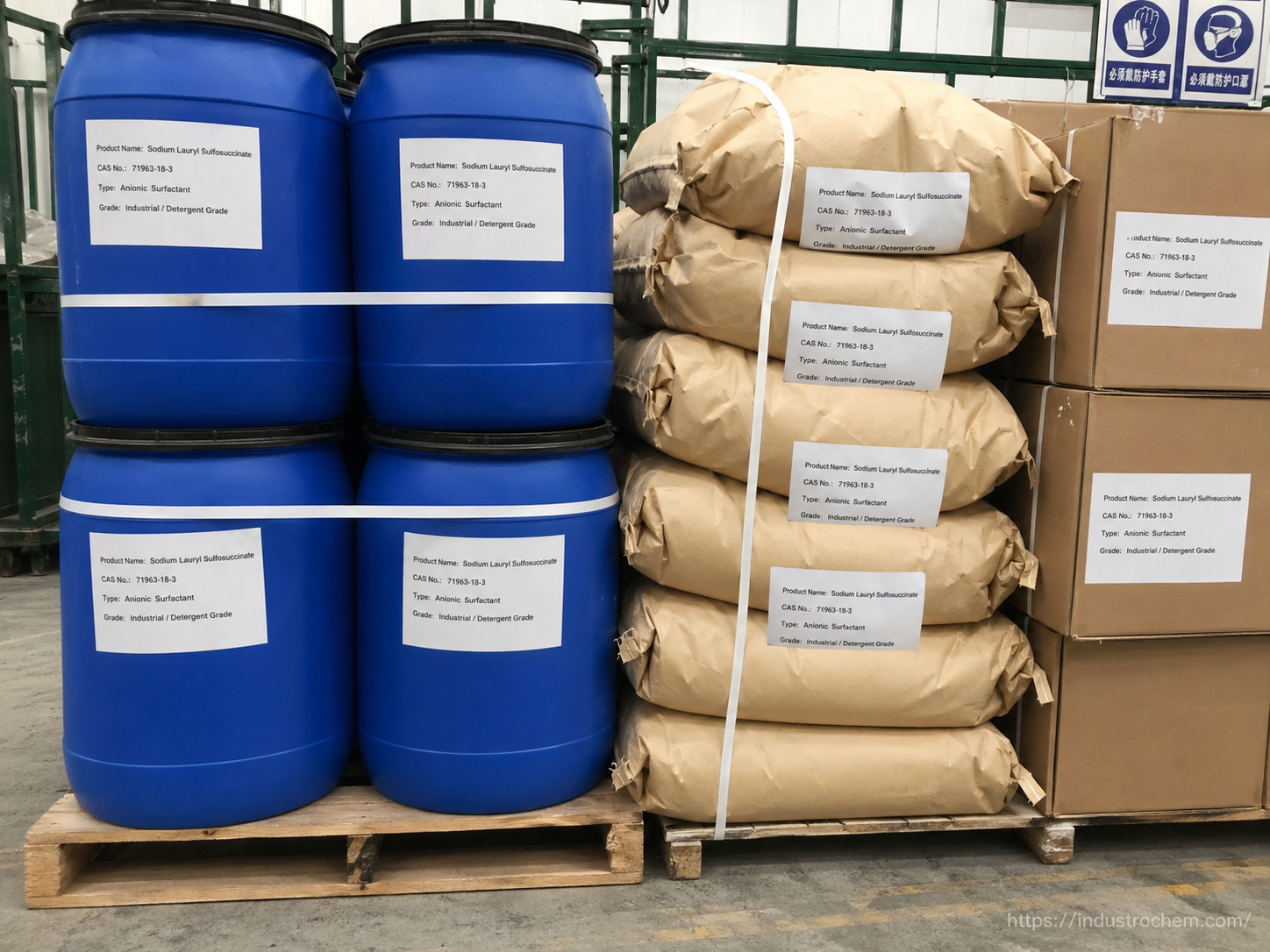
  • Package: 25kg/bag (Plastic woven bag with PE liner) or 500kg/1000kg Jumbo Bag.
Request a quote
Share:

Product Description

Detailed Product Specifications (Typical COA)

Analysis ItemStandard SpecificationTypical Batch Result
Active Matter (%)≥ 82.0%84.5%
Free Fatty Acid (%)3.0% – 10.0%6.8%
pH (10% Aqueous Sol.)5.0 – 7.06.2
Water Content (%)≤ 1.5%0.8%
Color (APHA)≤ 5025
Arsenic (As)≤ 2 ppmPassed

Why Formulators Prefer SLI

Unlike standard surfactants that can strip the skin of natural oils, SLI is unique because of its structure. It is derived from lauric acid (often from coconut or palm oil) and isethionic acid.

Here is why it stands out in the lab:

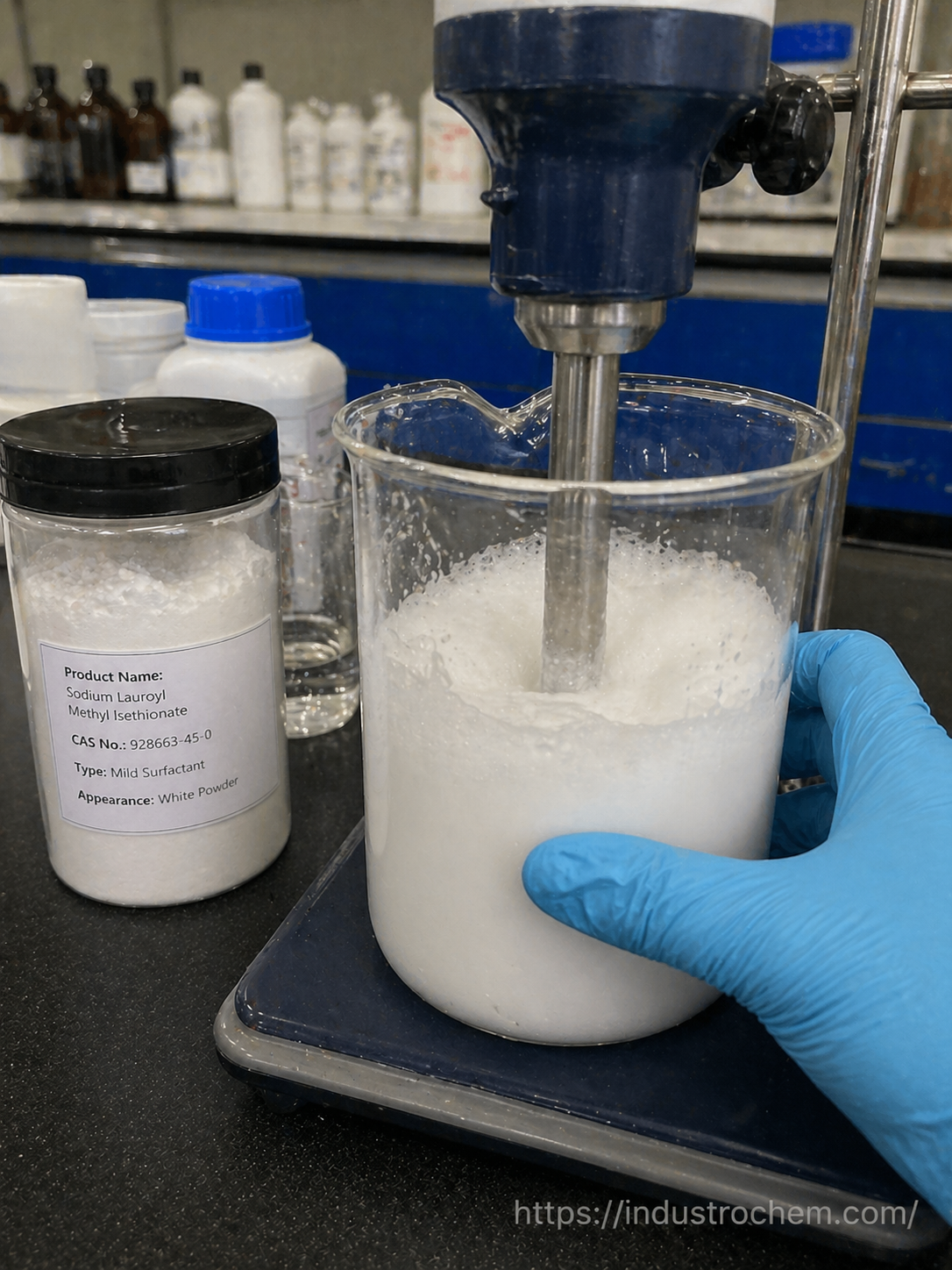
SLI surfactant foam vs ordinary soap foam comparison
  1. Dense, Creamy Lather: It produces a highly stable, dense foam structure that feels luxurious to the consumer, unlike the airy bubbles of SLS.
  2. Hard Water Tolerance: SLI performs exceptionally well in hard water, leaving no soap scum residue.
  3. Low Irritation Profile: It is one of the mildest surfactants available, making it suitable for baby products and facial cleansers.
  4. After-feel: It leaves the skin feeling soft and smooth, not tight or dry.

Key Application Fields

Sodium Lauroyl Isethionate is versatile, but it shines brightest in premium personal care products.

  • Syndet & Combo Bars: This is the primary application for SLI. It acts as the backbone for pH-balanced cleansing bars that are gentle enough for the face.
  • Sulfate-Free Shampoos: It provides excellent cleansing without stripping hair color or natural moisture.
  • Body Washes: Used to create opaque, creamy body washes that market “moisturizing” benefits.
  • Facial Cleansers: Ideal for foams and creams designed for sensitive or acne-prone skin.
  • Shaving Creams: The dense foam structure aids in razor glide and skin protection.

Safety and Precautionary Measures

While SLI is mild on the skin in finished products, handling the raw material in its concentrated solid form requires standard industrial safety practices.

  • Respiratory Protection: SLI is often supplied as flakes or powder. Dust may be generated during handling. Operators should wear appropriate dust masks (N95 or equivalent) to avoid inhalation.
  • Eye & Skin Contact: Wear safety goggles and protective gloves. If the raw powder contacts eyes, rinse immediately with plenty of water.
  • Ventilation: Ensure the processing area is well-ventilated to minimize dust accumulation.

Storage and Handling Conditions

To maintain the hydrolytic stability and performance of the material, proper storage is essential.

  • Environment: Store in a cool, dry, and well-ventilated area.
  • Moisture Control: SLI is hygroscopic. Keep containers tightly sealed when not in use to prevent clumping and hydrolysis.
  • Temperature: Avoid exposure to excessive heat or direct sunlight.
  • Shelf Life: typically 12 to 24 months when stored properly in original unopened packaging.

Proven Performance Data (Technical Benchmarks)

A. Mildness Comparison (Zein Test)

The Zein Value measures the potential for skin irritation (lower is better).

  • SLS (Sodium Lauryl Sulfate): ~550 mg N/100ml (High Irritancy)
  • SLES (Sodium Laureth Sulfate): ~400 mg N/100ml (Moderate Irritancy)
  • Industrochem SLI: 260 mg N/100ml (Ultra-Mild)
  • Conclusion: SLI is approximately 50% milder than SLS, making it suitable for sensitive skin and baby care.

B. Foaming Power (Ross-Miles Method, 0.5% @ 40°C)

SLI delivers a dense, “creamy” lather that remains stable over time.

  • Initial Foam Height (0 min): 185 mm
  • Stabilized Foam Height (5 min): 170 mm
  • Foam Retention Rate: 91.8%

C. Biodegradability (OECD 301B)

  • Biodegradation Rate (28 days): >85%
  • Classification: Readily Biodegradable. Environmentally safe and eco-certified friendly.

Professional Formulation Guide

SLI is highly versatile but requires specific temperature control for optimal incorporation.

A. Recommended Usage Levels

  • Facial Cleansers (Liquid/Cream): 5.0% – 15.0%
  • Sulfate-Free Shampoos: 10.0% – 25.0%
  • Syndet Bars / Cleansing Tablets: 30.0% – 60.0%
  • Baby Care Products: 3.0% – 8.0%

B. Formulating Tips

  • Solubility: SLI is sparingly soluble in cold water. Heat the water phase to 70°C – 75°C for complete dissolution and a clear system.
  • pH Stability: Best stability is observed within the pH 5.5 to 7.5 range.
  • Synergy: Combine with Cocamidopropyl Betaine (CAPB) at a 3:1 ratio to significantly boost viscosity and flash foam volume.

C. Sample Framework: Ultra-Mild Daily Face Wash

  • Phase A: Water (to 100%), Glycerin (3.0%), Industrochem SLI (8.0%) – Heat to 75°C
  • Phase B: CAPB (10.0%), Decyl Glucoside (5.0%) – Stir gently
  • Phase C: Preservative, Citric Acid (to pH 5.8), Fragrance.

Compatibility & Handling

  • Surfactant Type: Anionic
  • Compatibility: Excellent with Non-ionic, Amphoteric, and other Anionic surfactants.
  • Storage: Store in a cool, dry place. Shelf life is 24 months from the date of manufacture when stored in original sealed packaging.

Compliance & Trust Assets

  • REACH Registered: Full compliance for the EU market.
  • Natural Origin Index (ISO 16128): 0.88
  • Certifications: ISO 9001:2015, Halal, Kosher.

FAQ - Technical & Supply Chain

  • Q:

    How does Sodium Lauroyl Isethionate (CAS 7381-01-3) differ in performance from Sodium Cocoyl Isethionate (SCI)?

    A: While both are mild isethionates, SLI (CAS 7381-01-3) is derived specifically from C12 Lauric Acid, resulting in a more uniform molecular structure with a sharper melting point and consistent solubility profile. In contrast, SCI is derived from coconut oil (a mix of C8-C18 chains), which offers broader compatibility but slightly more variable batch-to-batch physical properties. Formulators often choose SLI when precise control over the crystallization and hardness of cleansing bars is required.
  • Q:

    Is this surfactant compatible with clear liquid body wash formulations?

    A: It depends on the concentration and temperature. Sodium Lauroyl Isethionate has limited solubility in cold water, which causes it to crystallize and create opaque or pearlescent textures (ideal for creamy washes). To achieve a clear liquid formulation, industrial chemists must typically use solubilizing co-surfactants (like betaines) or maintain the product at a specific pH and temperature, otherwise, it serves best in opaque, moisturizing systems.
Documents

Documents and Product Support

For product review and sourcing evaluation, supporting documents can be coordinated according to the product type, inquiry stage, and order requirements.

  • COA for batch-based quality reference
  • TDS for key physical and chemical information
  • SDS / MSDS for handling, storage, and safety reference
  • Packing information for sample, trial, and bulk orders
  • Technical communication based on application and specification requirements
Quotation

Information to Confirm Before Quotation

Clear sourcing information helps reduce specification mismatch and allows a more accurate quotation before sample or bulk order discussion.

  • Product name and CAS number
  • Application or intended end use
  • Required purity, grade, or specification
  • Sample quantity, trial order, or bulk demand
  • Preferred packing form or net weight
  • Destination country or port
  • Required documents or compliance expectations
Storage & Handling

Packaging, Storage, and Handling Notes

Packaging form, storage conditions, shelf life, and shipment arrangements should be confirmed according to the product characteristics, package size, and destination requirements.

Before order confirmation, buyers are advised to review the corresponding product documents and confirm whether any special storage, labeling, or handling requirements apply.

Supply Support

Sample, Bulk Order and Repeat Supply Support

Support can be arranged for sample discussion, bulk supply planning, packaging confirmation, and routine sourcing communication based on the actual product and order requirements.

For repeat-use formulations or long-term procurement plans, buyers may discuss specification consistency, packaging preferences, delivery expectations, and document coordination in advance.

Contact Form

Use our contact form to send us your questions, suggestions or comments. We will respond as soon as possible.