









• Sodium Lauryl Sulfosuccinate CAS 71963-18-3
  • Sodium Lauryl Sulfosuccinate CAS 71963-18-3
  • Sodium Lauryl Sulfosuccinate CAS 71963-18-3

Sodium Lauryl Sulfosuccinate CAS 71963-18-3

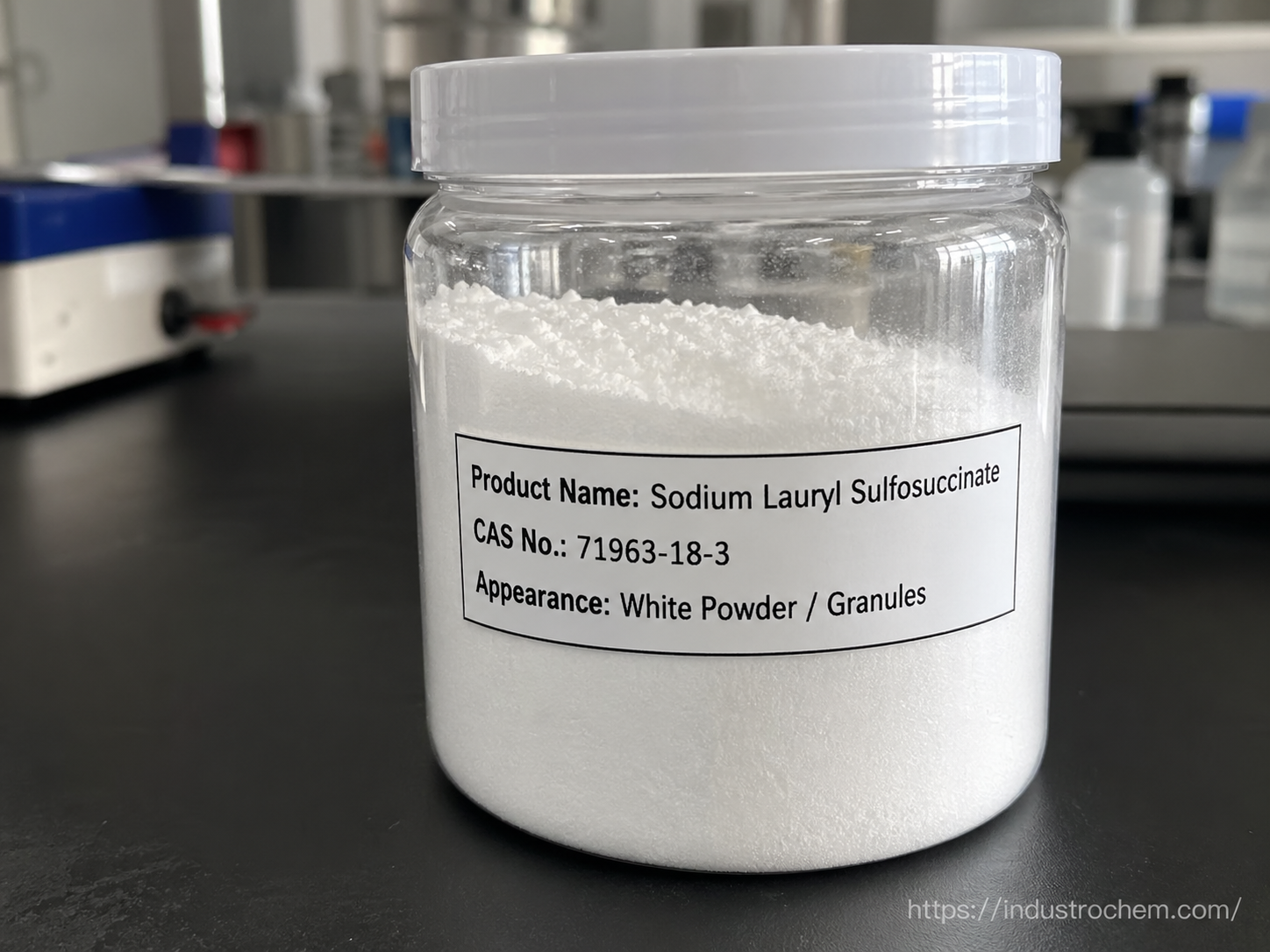
Sodium Lauryl Sulfosuccinate CAS 71963-18-3 is an anionic sulfosuccinate surfactant used in cleaning products, detergent systems, wetting agents, and specialty formulations. It is selected for applications requiring surface activity, wetting performance, and formulation compatibility, with grade and active content confirmed according to the buyer’s process requirements.

  • CAS: 71963-18-3
  • Synonyms: Sodium Lauryl Sulfosuccinate; Sodium C-dodecyl hydrogen sulfonatosuccinate; Sulfobutanedioic acid, dodecyl ester, monosodium salt
  • Einecs: 276-212-4
  • Molecular Formula: C16H29NaO7S / C16H30O7S·Na
  • Grade: Surfactant Grade / Detergent Grade / Industrial Grade / Formulation Grade
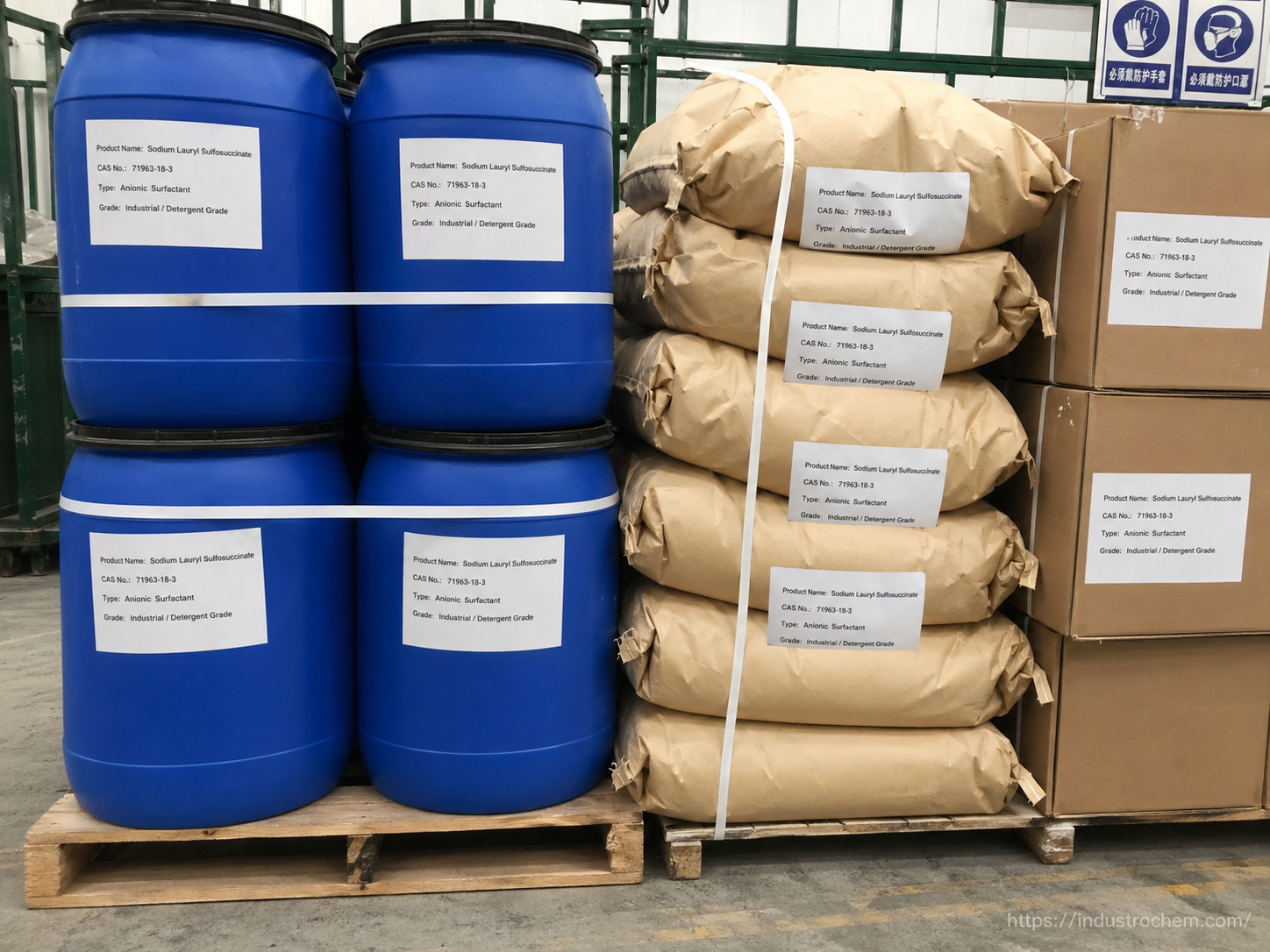
  • Package: Standard export drums, bags, or customized industrial packaging according to physical form, active content, grade, and order quantity
Request a quote
Share:

Product Description

Main Applications

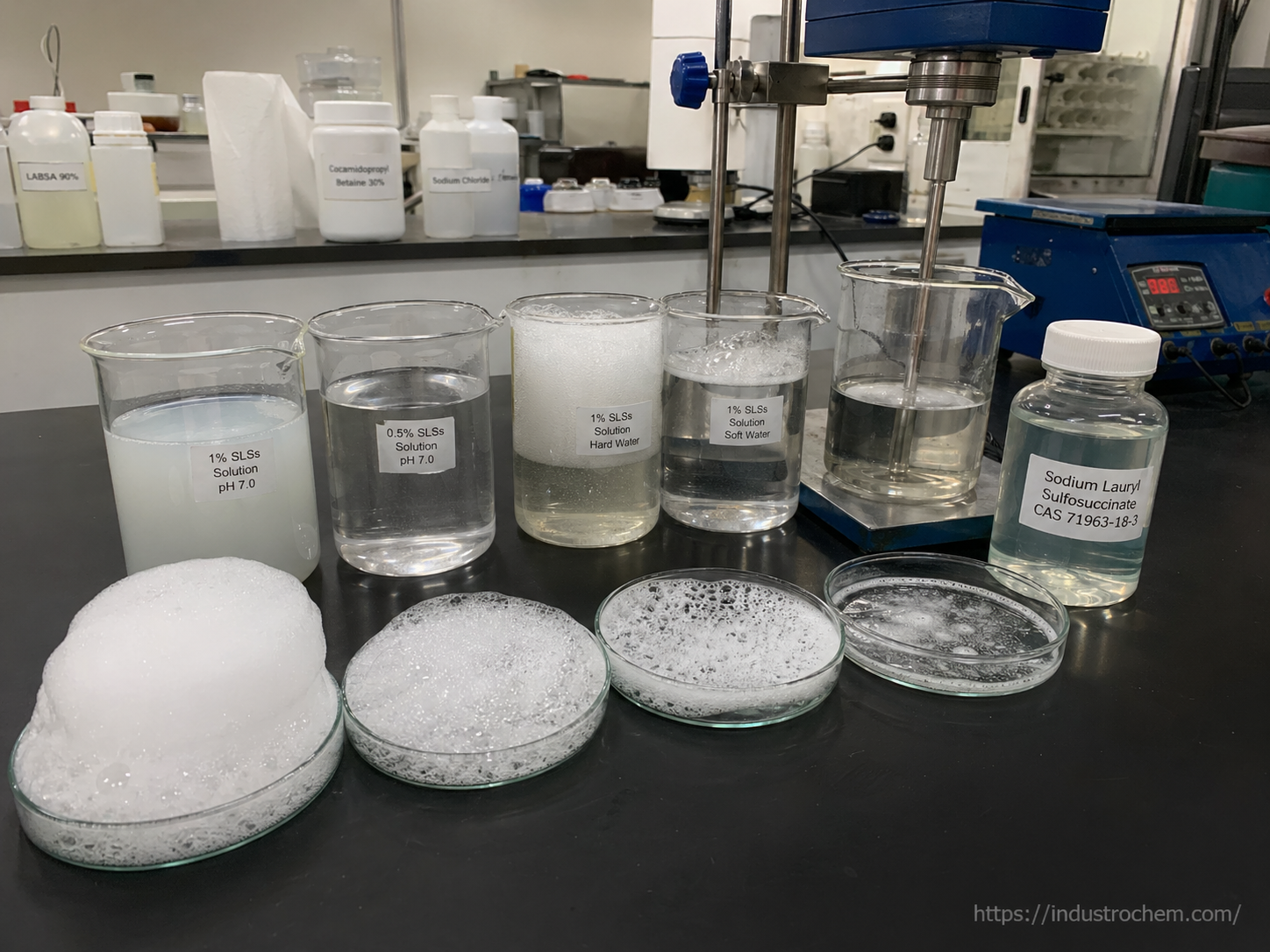
Sodium Lauryl Sulfosuccinate CAS 71963-18-3 is an anionic sulfosuccinate surfactant used in industrial and formulation systems where wetting, cleansing, foaming, emulsifying, or surface-tension reduction is required. It is suitable for buyers looking for a functional surfactant raw material for cleaning, detergent, and specialty formulation use.

In B2B sourcing, Sodium Lauryl Sulfosuccinate is commonly considered for household cleaning products, detergent systems, wetting agents, textile auxiliaries, emulsions, and selected personal care or cosmetic raw material applications. The final suitability depends on active content, physical form, pH range, compatibility, foam profile, and the buyer’s formulation requirements.

Application AreaBuyer-Relevant Use Direction
Cleaning and Detergent FormulationsUsed as an anionic surfactant for cleansing, wetting, and surface activity in selected detergent systems.
Household Chemical Raw MaterialsSuitable for formulation development in cleaners, washing products, and related daily chemical systems.
Wetting and Emulsifying SystemsApplied where wetting, dispersion support, or emulsification performance is required.
Textile and Industrial AuxiliariesMay be used in auxiliary formulations that require anionic wetting or processing performance.
Personal Care Formulation Raw MaterialsCan be evaluated in selected rinse-off or cleansing systems where a sulfosuccinate surfactant is required.

Product Specifications

Sodium Lauryl Sulfosuccinate may be supplied in different physical forms and active contents depending on the commercial grade. Buyers should confirm the exact specification before purchase, especially when the product is used in detergent, cosmetic, or industrial formulation systems.

For industrial procurement, commonly reviewed specification items include appearance, active matter, pH, water content, solid content, color, viscosity, free matter, salt content, and compatibility with the target formulation. Exact values should be confirmed with the current TDS, COA, or agreed supply standard.

Product NameSodium Lauryl Sulfosuccinate
CAS Number71963-18-3
EINECS276-212-4
Molecular FormulaC16H29NaO7S / C16H30O7S·Na
SynonymsSodium C-dodecyl hydrogen sulfonatosuccinate; Sulfobutanedioic acid, dodecyl ester, monosodium salt
Ionic TypeAnionic surfactant
AppearancePhysical form may vary by grade; confirm by current TDS or COA.
Product TypeAnionic sulfosuccinate surfactant; detergent raw material; formulation additive
Typical GradeSurfactant grade / detergent grade / industrial grade / formulation grade
Key Specification PointsActive matter, appearance, pH, water content, solid content, viscosity, color, ionic type, and formulation compatibility
Specification DocumentsCOA, TDS, and SDS can be provided according to inquiry and confirmed supply grade.

Packaging and Supply

Sodium Lauryl Sulfosuccinate CAS 71963-18-3 can be supplied in standard industrial packaging according to its physical form, active content, and shipment requirements. Liquid or paste grades may use drum or IBC packaging, while powder or solid grades may use bags, cartons, or other suitable export packaging.

For quotation and supply evaluation, buyers are encouraged to provide the required active content, physical form, application field, order quantity, packaging preference, destination country or port, and document requirements. This helps confirm whether the available grade is suitable for cleaning products, detergent systems, textile auxiliaries, or other surfactant formulations.

Storage and Handling

Store Sodium Lauryl Sulfosuccinate in a cool, dry, and well-ventilated area. Keep containers tightly closed when not in use. Protect the product from moisture, contamination, direct sunlight, and excessive heat.

For liquid or paste grades, avoid freezing or long-term exposure to high temperature unless otherwise stated in the product TDS. Use suitable protective equipment during handling and avoid direct contact with eyes and skin. Users should review the latest SDS and technical data before formulation testing, transportation, storage, or production-scale use.

FAQ

1. What is Sodium Lauryl Sulfosuccinate CAS 71963-18-3 used for?

Sodium Lauryl Sulfosuccinate is used as an anionic surfactant in cleaning products, detergent systems, wetting agents, textile auxiliaries, emulsions, and selected personal care cleansing formulations.

2. Is Sodium Lauryl Sulfosuccinate the same as Disodium Lauryl Sulfosuccinate?

No. Sodium Lauryl Sulfosuccinate CAS 71963-18-3 should not be automatically treated as Disodium Lauryl Sulfosuccinate. Buyers should confirm the exact product name, CAS number, and specification before ordering.

3. Which product categories are suitable for Sodium Lauryl Sulfosuccinate?

Suitable categories include Emulsifiers & Surfactants, Raw Materials for Household Chemicals, Daily Chemicals, Cosmetic Raw Materials, and Industrial & Specialty Chemicals.

4. What specifications should buyers confirm before purchase?

Buyers should confirm active matter, physical form, pH, water or solid content, viscosity, color, ionic type, packaging requirement, and compatibility with the target formulation.

5. Can Sodium Lauryl Sulfosuccinate be supplied for bulk industrial orders?

Yes. Sodium Lauryl Sulfosuccinate can be supplied for industrial inquiry and bulk sourcing. Buyers should provide grade requirements, active content, quantity, packaging preference, and destination details for quotation.

FAQ - Technical & Supply Chain

Documents

Documents and Product Support

For product review and sourcing evaluation, supporting documents can be coordinated according to the product type, inquiry stage, and order requirements.

  • COA for batch-based quality reference
  • TDS for key physical and chemical information
  • SDS / MSDS for handling, storage, and safety reference
  • Packing information for sample, trial, and bulk orders
  • Technical communication based on application and specification requirements
Quotation

Information to Confirm Before Quotation

Clear sourcing information helps reduce specification mismatch and allows a more accurate quotation before sample or bulk order discussion.

  • Product name and CAS number
  • Application or intended end use
  • Required purity, grade, or specification
  • Sample quantity, trial order, or bulk demand
  • Preferred packing form or net weight
  • Destination country or port
  • Required documents or compliance expectations
Storage & Handling

Packaging, Storage, and Handling Notes

Packaging form, storage conditions, shelf life, and shipment arrangements should be confirmed according to the product characteristics, package size, and destination requirements.

Before order confirmation, buyers are advised to review the corresponding product documents and confirm whether any special storage, labeling, or handling requirements apply.

Supply Support

Sample, Bulk Order and Repeat Supply Support

Support can be arranged for sample discussion, bulk supply planning, packaging confirmation, and routine sourcing communication based on the actual product and order requirements.

For repeat-use formulations or long-term procurement plans, buyers may discuss specification consistency, packaging preferences, delivery expectations, and document coordination in advance.

Contact Form

Use our contact form to send us your questions, suggestions or comments. We will respond as soon as possible.