Chemical products

Disodium Laureth Sulfosuccinate (DLS) CAS 39354-45-5

Disodium Laureth Sulfosuccinate (DLS), an ethoxylated lauryl alcohol sulfosuccinate disodium salt, CAS 39354-45-5, a mild anionic surfactant supplied as a water-soluble liquid, is positioned for foaming and cleansing in mild formulations. Confirm the active content and grade, then request a quotation with COA/TDS/SDS for bulk supply.

  • CAS: 39354-45-5
  • Synonyms: DLS, Disodium Lauryl Polyoxyethylene Ether Sulfosuccinate, MES (commercial designation for some grades)
  • Grade: Commercial / formulation grade
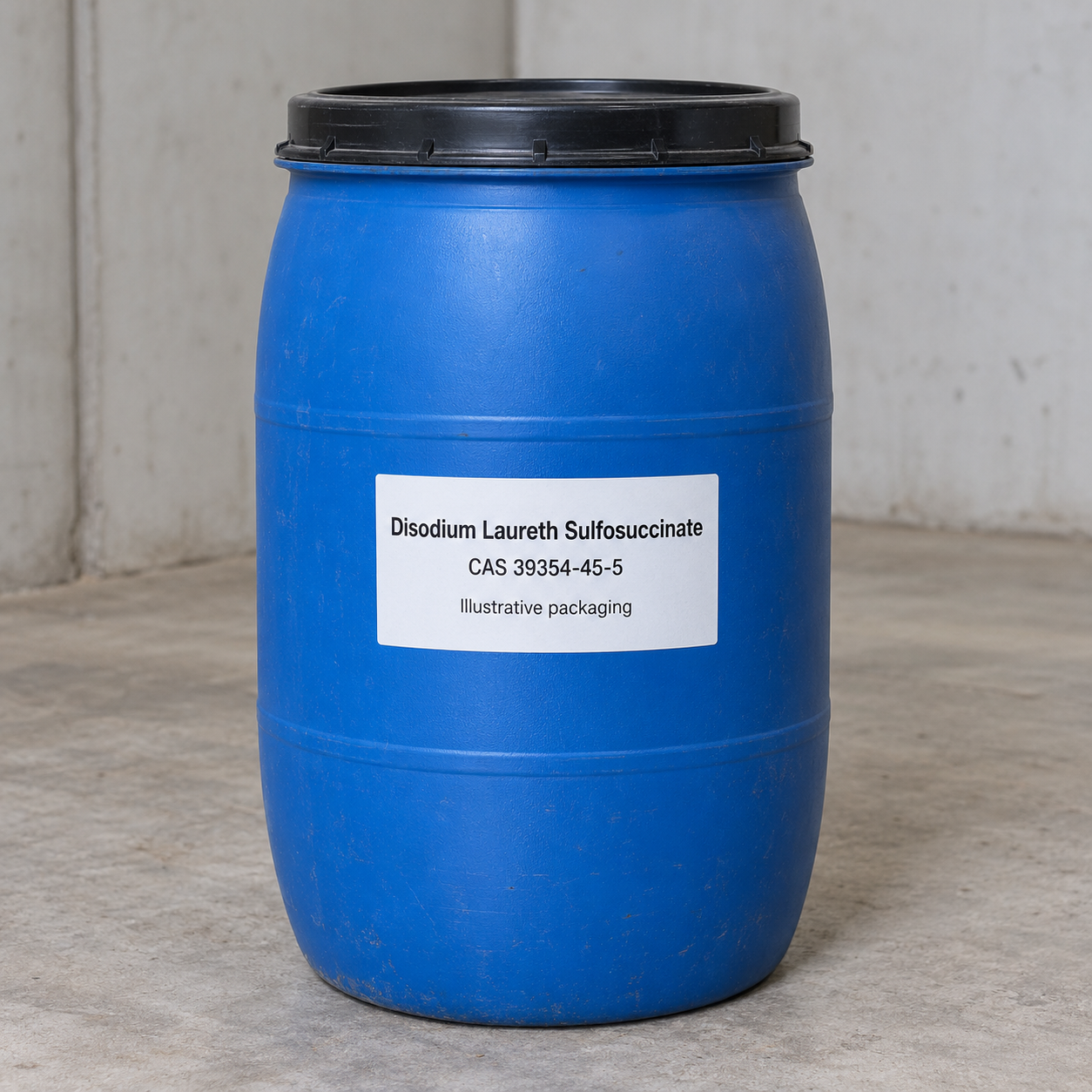
  • Package: Standard export packaging
Request a quote
Share:

Product Description

Disodium Laureth Sulfosuccinate (DLS) CAS 39354-45-5 is a mild anionic sulfosuccinate surfactant.

Also known as disodium lauryl polyoxyethylene ether sulfosuccinate (DLS). Some commercial grades use MES designations; the full chemical name, CAS number and grade identify the product for an order.

CAS: 39354-45-5.

Molecular formula: Not applicable (ethoxylated lauryl alcohol sulfosuccinate mixture).

It is normally supplied as a water-soluble liquid.

It is chemically described as an ethoxylated lauryl alcohol sulfosuccinate disodium salt.

It is used as a foaming and cleansing surfactant in mild formulations; finished-product mildness depends on its concentration and the complete formulation.

Personal-care grades are used in sulfate-free shampoo, body wash and facial cleanser formulations, including baby-care cleansers formulated and evaluated for mildness.

It provides stable lather without traditional sulfate surfactants such as SLS or SLES.

It is also selected for specialty and home-care cleaners that need foam and mild cleansing.

Confirm active matter, appearance, density, pH, and related impurities for the chosen grade.

Check compatibility with the surfactant package, pH, and preservative system.

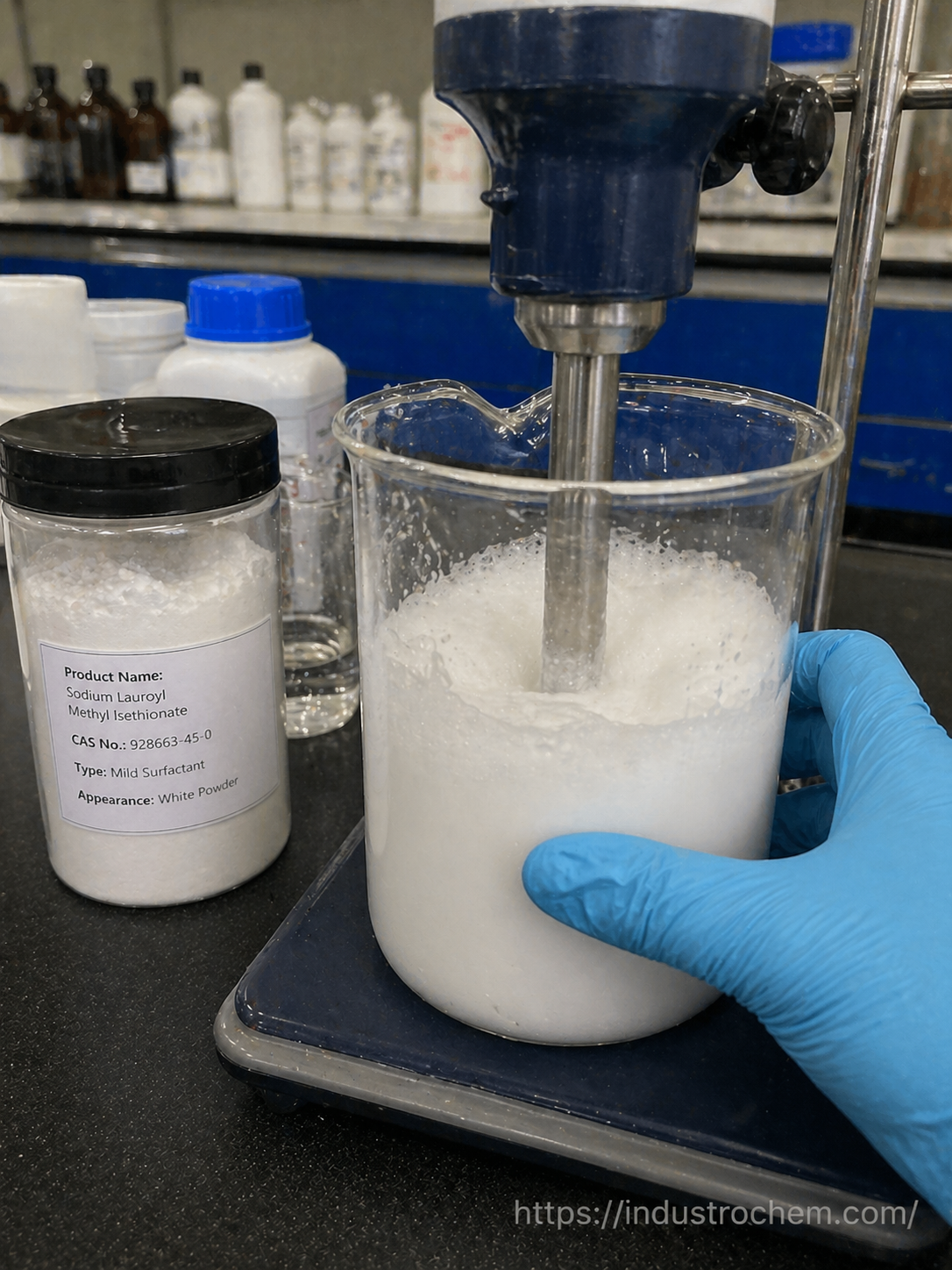
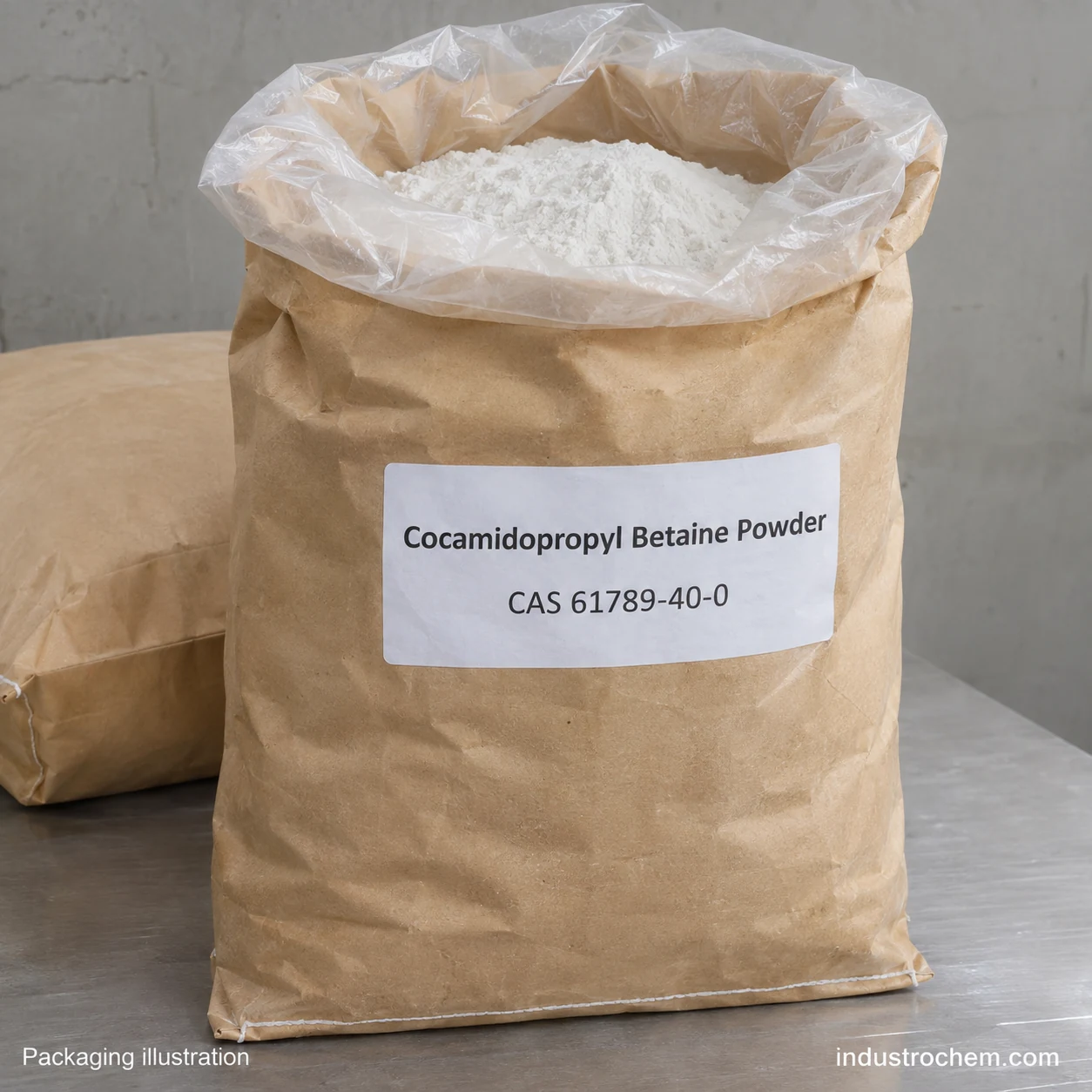
For sulfate-free cleansers, Sodium Lauroyl Methyl Isethionate (SLMI) is another anionic option to compare on an active-matter basis, while Cocamidopropyl Betaine Powder is an amphoteric co-surfactant option. Powder-grade dissolution and dosage must match its active matter; liquid-grade additions cannot be copied directly.

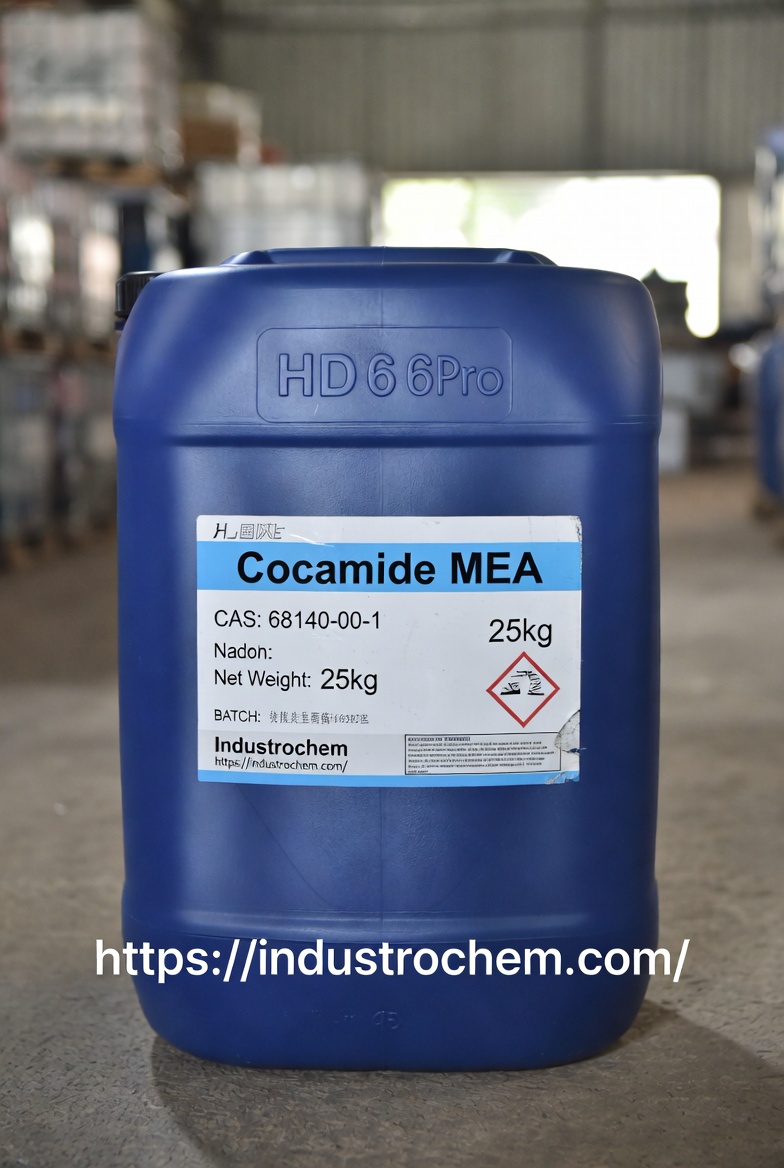
In mixed DLS cleansing systems, Decyl Glucoside (APG C10) is a nonionic co-surfactant option, while Cocamide MEA (CMEA) can be evaluated for foam and flow adjustment. Performance depends on the complete surfactant blend; assess dissolution, final pH, clarity, foam, stability and the salt-viscosity curve in the intended formulation.

Store in tightly closed containers in a cool, dry, well-ventilated area away from moisture and heat.

Use appropriate PPE and prevent spills or contamination.

Confirm packaging suitable for the liquid form and order quantity, and follow the current SDS.

A Certificate of Analysis (COA), Technical Data Sheet (TDS) and Safety Data Sheet (SDS) can be provided for the selected grade, covering the applicable quality and handling information. Quality data can include anionic active matter and dry solids separately, appearance, pH with the test dilution, density with the test temperature, and relevant sulfite, sulfate and preservative limits. For personal-care grades, 1,4-dioxane test data can also be provided with the method, units and reporting limit.

Confirm active content, packaging, and grade as required.

Bulk-supply quotations specify the agreed grade, quantity, packaging, price and lead time.

For an RFQ, state the intended application, required grade, quantity, packaging, destination, and document needs.

FAQ - Technical & Supply Chain

  • Q:

    What is Disodium Laureth Sulfosuccinate CAS 39354-45-5?

    A: Disodium Laureth Sulfosuccinate is a mild anionic surfactant, chemically described as an ethoxylated lauryl alcohol sulfosuccinate disodium salt. It is normally supplied as a water-soluble liquid and is used as a foaming and cleansing agent in mild formulations.
  • Q:

    Why is Disodium Laureth Sulfosuccinate used in sulfate-free cleansers?

    A: DLS is a sulfosuccinate rather than a sulfate surfactant such as SLS or SLES, making it an option for sulfate-free cleanser formulations. Its foaming and mildness depend on the grade, use level and complete formula. Personal-care grades are used in shampoo, body wash, facial cleanser and baby-care formulations; finished-product mildness and stability require evaluation.
  • Q:

    What active content and liquid specifications should be checked?

    A: Liquid grades differ in active matter, dry solids and preservative system. Active matter and dry solids are separate measurements. The quoted specification states appearance, active matter and solids, pH at the specified dilution, and density at the specified temperature; grade-relevant sulfite, sulfate and preservative limits can also be included.
  • Q:

    Where is Disodium Laureth Sulfosuccinate commonly used?

    A: It is used in personal-care products such as shampoos, body washes, facial cleansers, bubble baths, and liquid hand soaps. It is also selected for specialty and home-care cleaners that need foam and mild cleansing performance.
  • Q:

    How does Disodium Laureth Sulfosuccinate compare with other sulfosuccinates?

    A: It is a lauryl alcohol ethoxylate sulfosuccinate, so it differs from Sodium Lauryl Sulfosuccinate CAS 71963-18-3 and from DOSS/AOT CAS 577-11-7. The EO-chain distribution, active content, and application target should be confirmed for each grade.

Ordering & Documentation

Key information for document requests, quotations, and supply planning.

Documents

Tell us which documents your procurement team needs. Before an order, we will check whether the quoted source can provide them for the offered lot.

Quotation

Send the CAS number, grade, quantity, packing preference and destination.

Sample & Supply

Ask whether samples, trial quantities or repeat orders are possible. We will check each request against the sourced product and current offer.

Storage & Shipping

Product-specific conditions are confirmed before order.

Contact Form

Use our contact form to send us your questions, suggestions or comments. We will respond as soon as possible.
For a quotation, please include the product name or CAS number, quantity, grade or application, and destination country or port. Tell us if you need a sample, COA, TDS or SDS.