










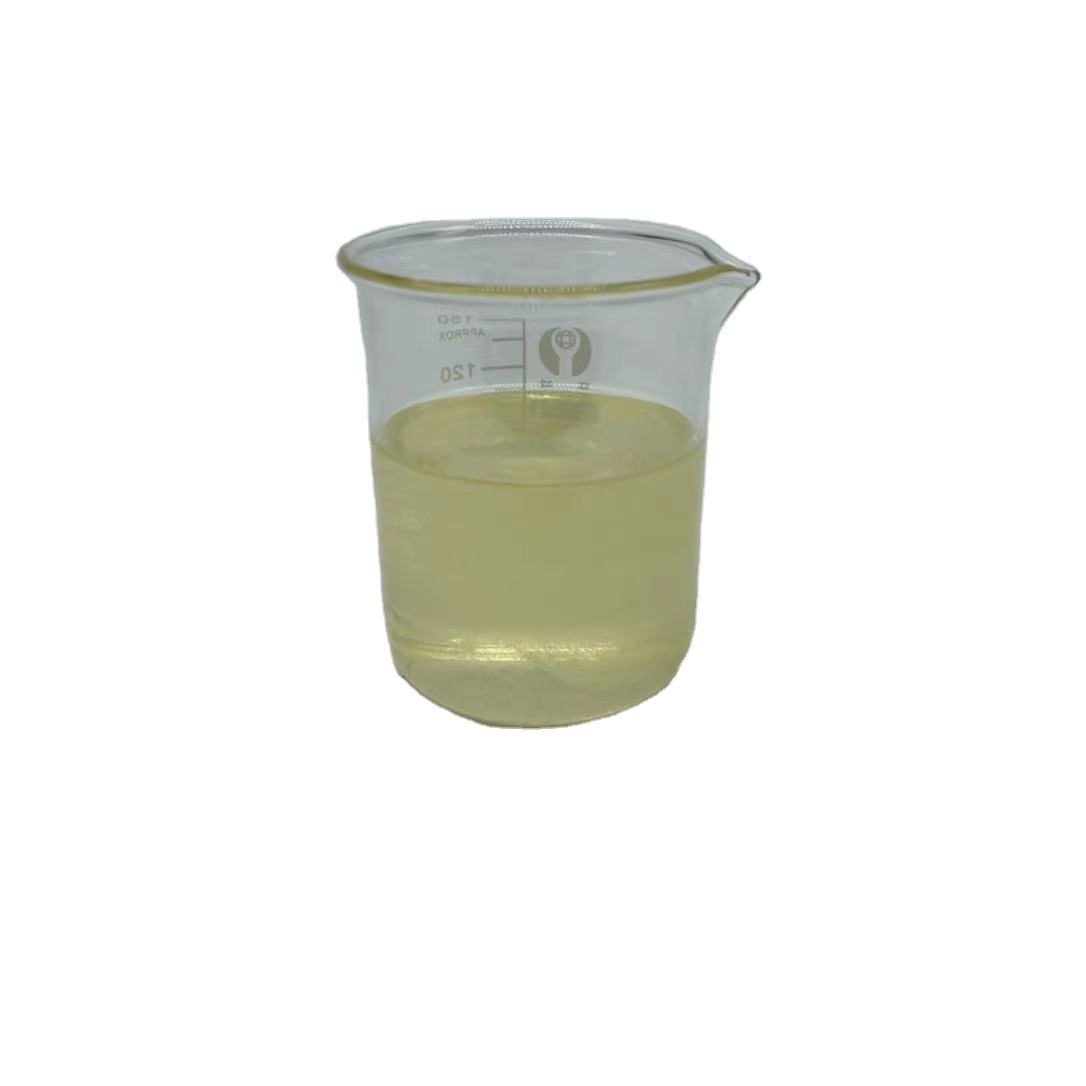
• Glyceryl Monooleate  GMO CAS 111-03-5

Glyceryl Monooleate GMO CAS 111-03-5

Glyceryl Monooleate (CAS 111-03-5), commercially widely referred to as GMO or Monoolein, is a non-ionic surfactant and lipophilic emulsifier functioning as a friction modifier and anti-fogging agent in plastic film manufacturing and food processing. Chemically produced via the esterification of glycerol with oleic acid, this pale yellow liquid to soft paste serves as a water-in-oil (W/O) emulsifier (HLB ~3.8) in cosmetic creams to improve spreadability, and acts as a lubricant additive in industrial oils to reduce metal-to-metal wear. We provide bulk supply of this versatile ester with competitive factory pricing to optimize formulations for polymer and lubricant industries. Our production ensures precise control over the mono-ester content (40% / 90% grades), making MSDS, TDS, COA available alongside customized specifications to meet food grade (E471) or industrial technical standards.

  • CAS: 111-03-5
  • Synonyms: GMO, Monoolein, Glycerol monooleate, 1-Oleoyl-rac-glycerol, Glyceryl oleate
  • Einecs: 203-827-7
  • Molecular Formula: C₂₁H₄₀O₄
  • Grade: Industrial / Cosmetic & Pharmaceutical auxiliary grade, Assay ≥99% (GMO)
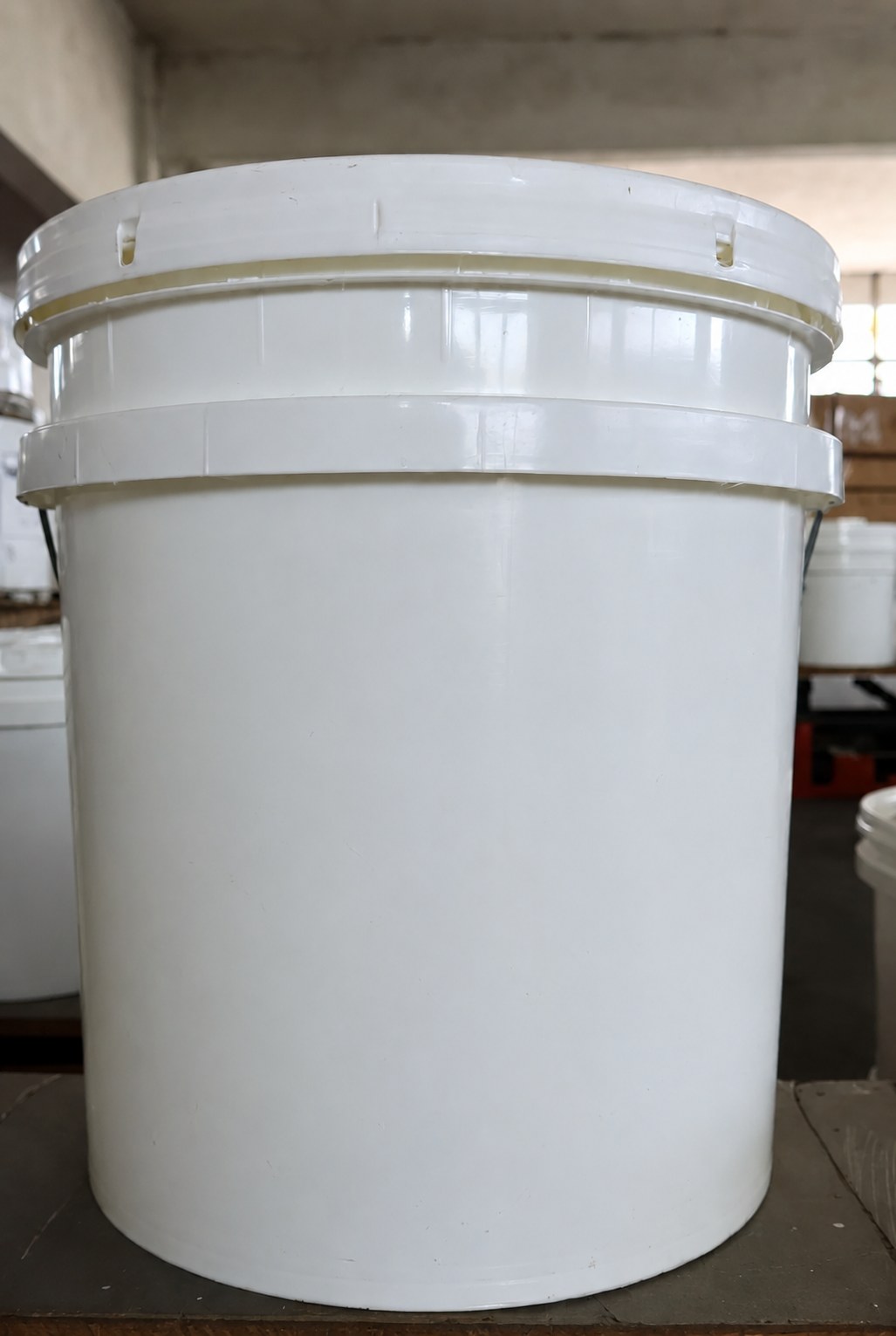
  • Package: 25 kg net HDPE drum or iron drum with food-grade liner; 200 kg drum available on request
Request a quote
Share:

Product Description

Product Overview

Glyceryl Monooleate (GMO) is a high-purity non-ionic surfactant produced by esterification of glycerol and oleic acid. It is widely used as an emulsifier, dispersant and lubricant in pharmaceuticals, cosmetics, food, coatings and industrial formulations. With good safety profile, excellent wetting and stabilizing performance, GMO is suitable for both W/O and O/W systems and helps improve texture, gloss and stability of end products.

📧 Email: info@industrochem.com – Contact us for COA, free samples and the latest CIF/FOB prices.

Physicochemical Properties

ItemTypical Value*
AppearanceYellow to light brown viscous liquid or paste
Assay (Glyceryl monooleate)≥ 99.0 %
Molecular FormulaC₂₁H₄₀O₄
Molecular Weight356.54 g/mol
Melting Point35–37 °C
Boiling Point (760 mmHg, calc.)≈ 409 °C
Density~0.94 g/cm³ at 35 °C
Refractive Indexnᴅ (589 nm, 35 °C) ≈ 1.463–1.464
Flash Point~180 °C (closed cup)
Acid Value≤ 6.0 mg KOH/g
Moisture≤ 2.0 %
Free Glycerol≤ 7.0 %
SolubilityInsoluble in water; soluble in ethanol, isopropanol, chloroform and most vegetable/mineral oils
StabilityHygroscopic, light-sensitive; stable under recommended storage conditions

Applications

  • Pharmaceuticals & Nutraceuticals
    • Emulsifier, solubilizer and wetting agent in soft-gel capsules, ointments and suspensions
    • Used as lipid-based carrier in drug-delivery systems and self-emulsifying formulations
  • Cosmetics & Personal Care
    • Emollient and W/O emulsifier in creams, lotions, hair conditioners, massage oils and bath oils
    • Pigment dispersant in make-up, improving spreadability and skin feel
  • Food & Flavors
    • Emulsifier and stabilizer in flavors, fats and oils, bakery and confectionery applications (compliance with local food regulations required)
  • Industrial & Other Uses
    • Lubricant and anti-wear additive in metalworking fluids and plastic processing
    • Non-ionic surfactant in agrochemical formulations, textile auxiliaries, coatings and inks
    • Used as surface-active component in defoamers and antistatic agents

Storage Conditions

  • Store in a cool, dry and well-ventilated warehouse, recommended below 25 °C, away from direct sunlight and heat sources.
  • Keep containers tightly closed to avoid moisture uptake and oxidation; if possible, blanket bulk tanks with inert gas.
  • Do not store together with strong oxidizing agents or strong acids/alkalis.
  • Shelf life: typically 12–24 months in original unopened packaging; re-test before extended storage.

Safety Precautions

  • Glyceryl Monooleate is generally regarded as having low acute toxicity and is widely used in food, cosmetics and pharmaceuticals, but standard chemical-handling precautions should still be followed.
  • Avoid prolonged contact with skin and eyes; avoid inhalation of mists or heated vapors.
  • Recommended PPE: safety goggles, chemical-resistant gloves and protective clothing during bulk handling; use local exhaust ventilation in processing areas.
  • In case of eye contact: rinse with plenty of water for at least 15 minutes and seek medical advice if irritation persists.
  • Spills: absorb with inert material (sand, diatomite, etc.), collect into suitable containers for disposal; avoid discharge into waterways.
  • Dispose of product and packaging in accordance with local regulations.

FAQ - Technical & Supply Chain

  • Q:

    How does the presence of the unsaturated double bond in the oleic chain affect the physical properties of GMO compared to Glyceryl Monostearate (GMS)?

    A: The "kink" in the carbon chain caused by the cis-double bond in the oleyl group prevents tight molecular packing, rendering Glyceryl Monooleate a liquid or soft paste at room temperature, whereas the saturated straight chain of Glyceryl Monostearate results in a solid waxy powder.
  • Q:

    In the context of PVC food packaging films, what specific function does this additive perform?

    A: In PVC film production, GMO functions as an internal anti-fogging agent; it migrates to the film's surface and lowers the surface tension of condensing water droplets, causing them to spread into a thin, transparent layer rather than forming discrete beads that would obscure visibility.
Documents

Documents and Product Support

For product review and sourcing evaluation, supporting documents can be coordinated according to the product type, inquiry stage, and order requirements.

  • COA for batch-based quality reference
  • TDS for key physical and chemical information
  • SDS / MSDS for handling, storage, and safety reference
  • Packing information for sample, trial, and bulk orders
  • Technical communication based on application and specification requirements
Quotation

Information to Confirm Before Quotation

Clear sourcing information helps reduce specification mismatch and allows a more accurate quotation before sample or bulk order discussion.

  • Product name and CAS number
  • Application or intended end use
  • Required purity, grade, or specification
  • Sample quantity, trial order, or bulk demand
  • Preferred packing form or net weight
  • Destination country or port
  • Required documents or compliance expectations
Storage & Handling

Packaging, Storage, and Handling Notes

Packaging form, storage conditions, shelf life, and shipment arrangements should be confirmed according to the product characteristics, package size, and destination requirements.

Before order confirmation, buyers are advised to review the corresponding product documents and confirm whether any special storage, labeling, or handling requirements apply.

Supply Support

Sample, Bulk Order and Repeat Supply Support

Support can be arranged for sample discussion, bulk supply planning, packaging confirmation, and routine sourcing communication based on the actual product and order requirements.

For repeat-use formulations or long-term procurement plans, buyers may discuss specification consistency, packaging preferences, delivery expectations, and document coordination in advance.

Contact Form

Use our contact form to send us your questions, suggestions or comments. We will respond as soon as possible.