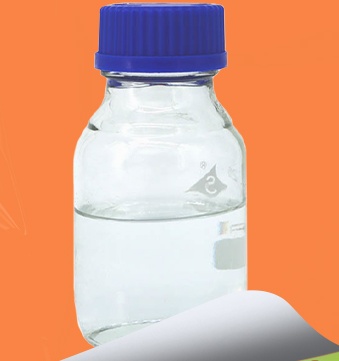
PEG-2 Oleamine, scientifically recognized as Bis(2-hydroxyethyl)oleylamine under CAS 13127-82-7, is a specialized low-mole ethoxylated amine surfactant. Derived from oleyl amine (vegetable based), this tertiary amine features two hydroxyethyl groups, giving it a unique dual functionality. It acts as a highly effective internal antistatic agent in polyolefins (PE, PP) and styrenics, preventing static charge buildup during processing and end-use. Additionally, in the textile and agrochemical sectors, it serves as a dispersant, emulsifier, and dyeing auxiliary due to its cationic character in acidic conditions. We ensure bulk supply with competitive factory pricing for industrial formulators. Our inventory is managed to support customized packaging, and every shipment is accompanied by complete MSDS, TDS, COA documentation.
PEG-2 Oleamine CAS 13127-82-7
- CAS: 13127-82-7
- Synonyms: Bis(2-hydroxyethyl)oleylamine, N,N-Bis(2-hydroxyethyl)oleylamine, 2,2'-[(9Z)-9-Octadecen-1-ylimino]diethanol, Dihydroxyethyl Oleylamine, Ethoxylated Oleylamine (2 EO), Oleyl Diethanolamine.
- Einecs: 236-062-2
- Molecular Formula: C₂₂H₄₅NO₂
- Grade: Industrial grade 99%
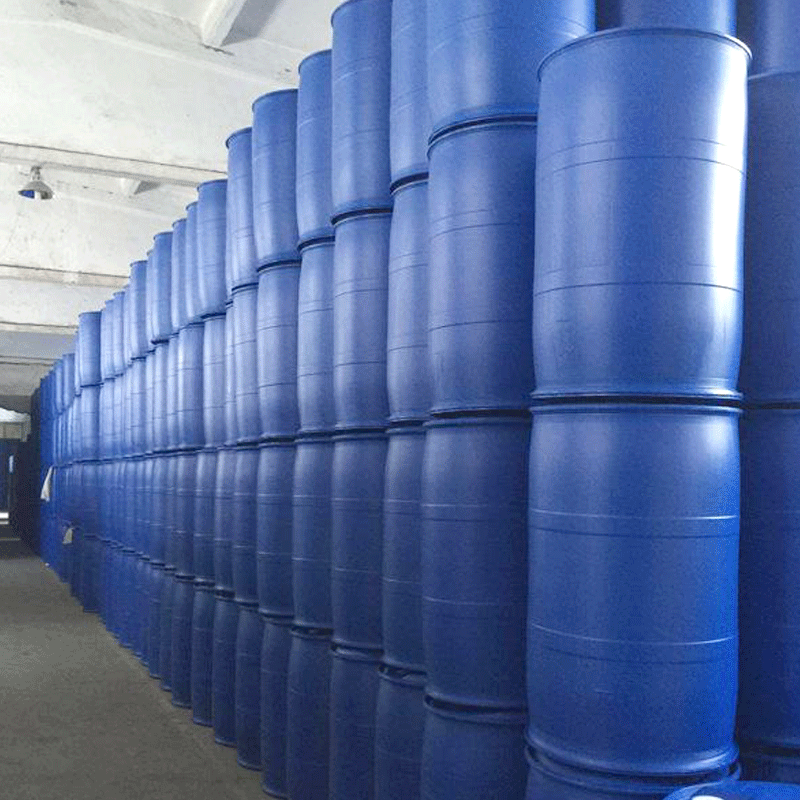
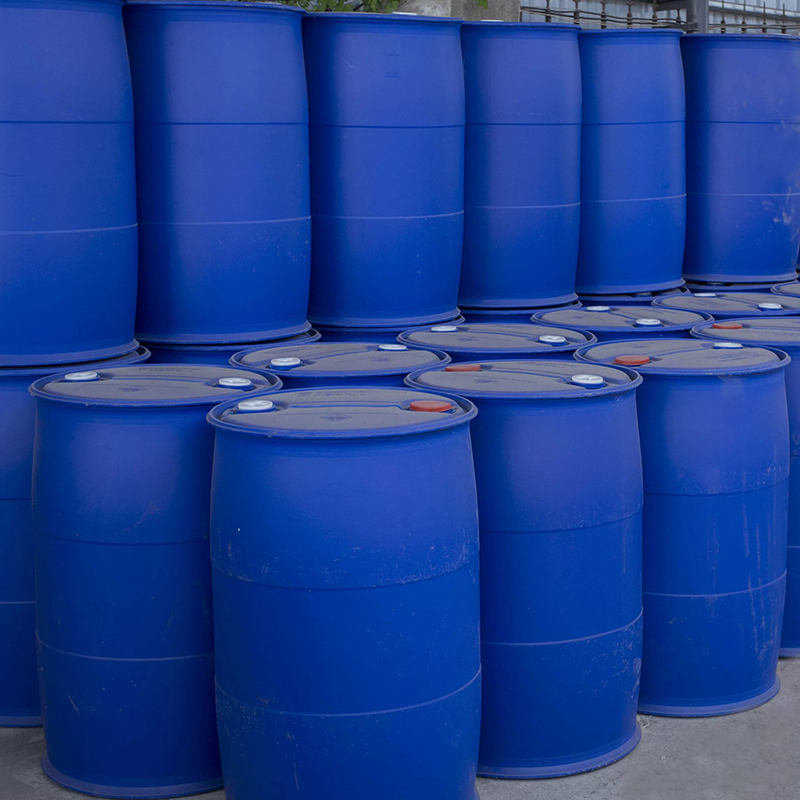
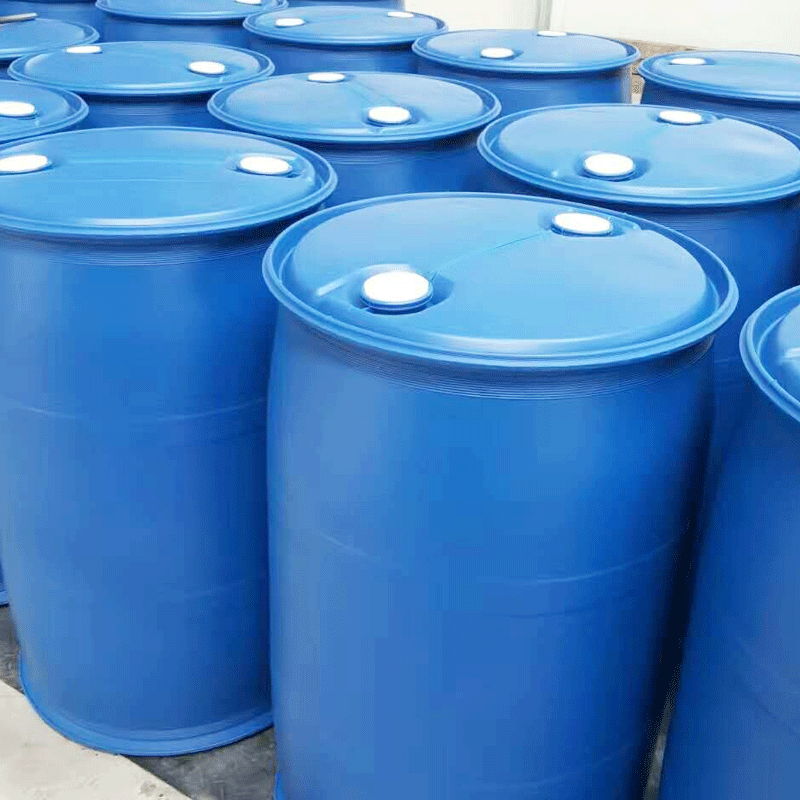
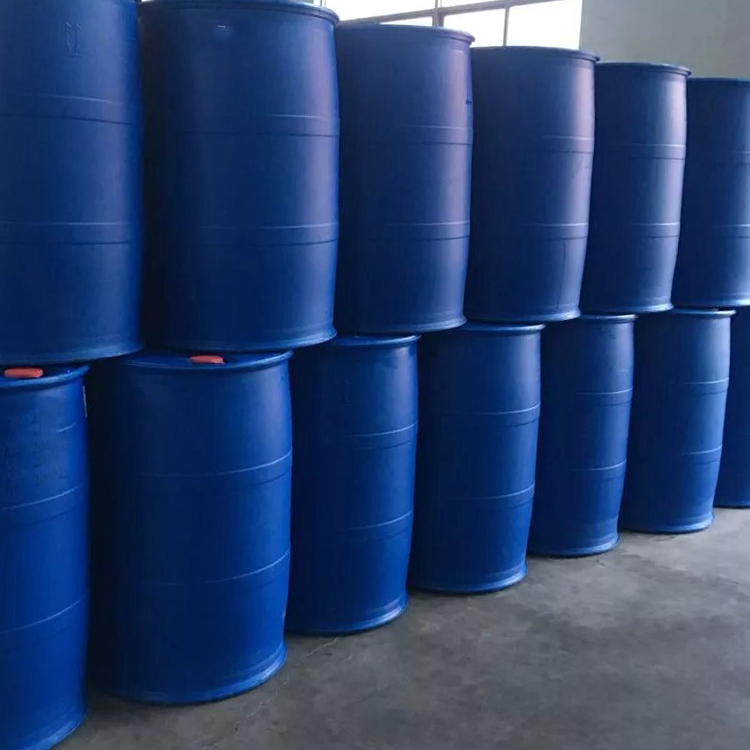
- Package: 200kg iron drum or 50kg plastic drum packaging
Product Description
Physicochemical properties
| Property | Description |
|---|---|
| CAS Number | 13127-82-7 |
| EINECS Number | 236-062-2 |
| Molecular Formula | C₂₂H₄₅NO₂ |
| Molecular Weight | 355.5982 |
| Appearance | Light yellow transparent liquid |
| Odor | Mild characteristic odor |
| Purity | ≥97% |
| Water Content | ≤1.0% |
| pH (10% aqueous dispersion) | 8.8-10.5 |
| Total Amine Value | (153-163) mgKOH/g |
| Freezing Point | -9℃ |
| Boiling Point | 300℃ (some data indicates 480.5°C at 760 mmHg) |
| Flash Point | >93℃ (some data indicates 202.6℃) |
| Density | 0.917 g/cm³ (25℃) |
| Refractive Index | 1.483 |
| Solubility | Insoluble in neutral water systems but dispersible; disperses better in alkaline media and dissolves rapidly and stably in acidic media |
Application Areas
As an efficient thickener for hydrochloric acid systems, it is used in liquid products with hydrochloric acid as the main component, such as toilet cleaners, rust preventatives, and cement removers.
It possesses the functions of metal corrosion inhibition, rust prevention, and antibacterial activity.
Storage conditions
Temperature control: Store in a cool, dry, well-ventilated area, avoid high temperatures (recommended storage temperature not exceeding 40°C) and sources of ignition to prevent thermal decomposition or spontaneous combustion risks.
Store away from light: Keep out of direct sunlight to prevent UV rays from accelerating product degradation.
Container requirements: Store in sealed original packaging (such as a 200kg iron drum), ensuring that the container label is clear and includes the chemical name, CAS number (13127-82-7), and hazard identification
Safety precautions
Personal protective equipment (PPE):
Wear chemically resistant gloves (such as nitrile rubber or neoprene gloves) to avoid direct contact with the skin.
Wear goggles or a face shield to prevent splashes from reaching your eyes or face.
Wear long-sleeved lab coats or chemical protective clothing to reduce the risk of skin exposure.
Ventilation requirements: Operate in a fume hood or a well-ventilated environment to avoid inhaling vapor.
Tool specification: Use a dedicated tool for retrieval to avoid splashing during dumping.
FAQ - Technical & Supply Chain
-
Q:
What is the main difference between PEG-2 Oleamine and higher ethoxylated oleamines (e.g., PEG-15)?
A: PEG-2 Oleamine (CAS 13127-82-7) is a specific molecule with exactly two ethanol groups attached to the nitrogen. It is more lipophilic (oil-loving) and is primarily used as an antistatic agent and lubricant. Higher ethoxylates (like PEG-15) are water-soluble polymers used mainly as emulsifiers and leveling agents. -
Q:
Is CAS 13127-82-7 suitable for use in food contact plastics?
A: Bis(2-hydroxyethyl)oleylamine is a common internal antistatic additive for plastics like Polypropylene (PP) and Polyethylene (PE). However, compliance with specific food contact regulations (FDA, EU 10/2011) depends on the specific purity grade and dosage limits. Please consult our TDS for regulatory compliance details.
Documents and Product Support
For product review and sourcing evaluation, supporting documents can be coordinated according to the product type, inquiry stage, and order requirements.
- COA for batch-based quality reference
- TDS for key physical and chemical information
- SDS / MSDS for handling, storage, and safety reference
- Packing information for sample, trial, and bulk orders
- Technical communication based on application and specification requirements
Information to Confirm Before Quotation
Clear sourcing information helps reduce specification mismatch and allows a more accurate quotation before sample or bulk order discussion.
- Product name and CAS number
- Application or intended end use
- Required purity, grade, or specification
- Sample quantity, trial order, or bulk demand
- Preferred packing form or net weight
- Destination country or port
- Required documents or compliance expectations
Packaging, Storage, and Handling Notes
Packaging form, storage conditions, shelf life, and shipment arrangements should be confirmed according to the product characteristics, package size, and destination requirements.
Before order confirmation, buyers are advised to review the corresponding product documents and confirm whether any special storage, labeling, or handling requirements apply.
Sample, Bulk Order and Repeat Supply Support
Support can be arranged for sample discussion, bulk supply planning, packaging confirmation, and routine sourcing communication based on the actual product and order requirements.
For repeat-use formulations or long-term procurement plans, buyers may discuss specification consistency, packaging preferences, delivery expectations, and document coordination in advance.
![Ethanol,2,2'-[(9Z)-9-octadecen-1-ylimino]bis- PEG-2 OLEAMINE CAS 13127-82-7-1 PEG-2 Oleamine CAS 13127-82-7](https://industrochem.com/wp-content/uploads/2025/07/Ethanol22-9Z-9-octadecen-1-yliminobis-PEG-2-OLEAMINE-CAS-13127-82-7-1.png)
![Ethanol,2,2'-[(9Z)-9-octadecen-1-ylimino]bis- PEG-2 OLEAMINE CAS 13127-82-7-2 PEG-2 Oleamine CAS 13127-82-7](https://industrochem.com/wp-content/uploads/2025/07/Ethanol22-9Z-9-octadecen-1-yliminobis-PEG-2-OLEAMINE-CAS-13127-82-7-2.jpg)
![Ethanol,2,2'-[(9Z)-9-octadecen-1-ylimino]bis- PEG-2 OLEAMINE CAS 13127-82-7-3 PEG-2 Oleamine CAS 13127-82-7](https://industrochem.com/wp-content/uploads/2025/07/Ethanol22-9Z-9-octadecen-1-yliminobis-PEG-2-OLEAMINE-CAS-13127-82-7-3.png)
![Ethanol,2,2'-[(9Z)-9-octadecen-1-ylimino]bis- PEG-2 OLEAMINE CAS 13127-82-7-4 PEG-2 Oleamine CAS 13127-82-7](https://industrochem.com/wp-content/uploads/2025/07/Ethanol22-9Z-9-octadecen-1-yliminobis-PEG-2-OLEAMINE-CAS-13127-82-7-4.png)
![Ethanol,2,2'-[(9Z)-9-octadecen-1-ylimino]bis- PEG-2 OLEAMINE CAS 13127-82-7-5 PEG-2 Oleamine CAS 13127-82-7](https://industrochem.com/wp-content/uploads/2025/07/Ethanol22-9Z-9-octadecen-1-yliminobis-PEG-2-OLEAMINE-CAS-13127-82-7-5.jpg)