









Chemical products
  • Glycereth-26 CAS 31694-55-0

Glycereth-26 CAS 31694-55-0

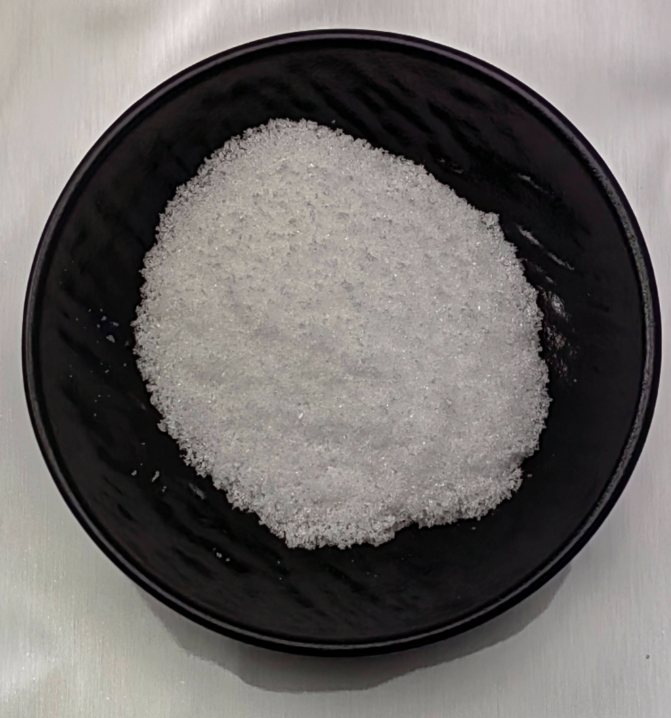
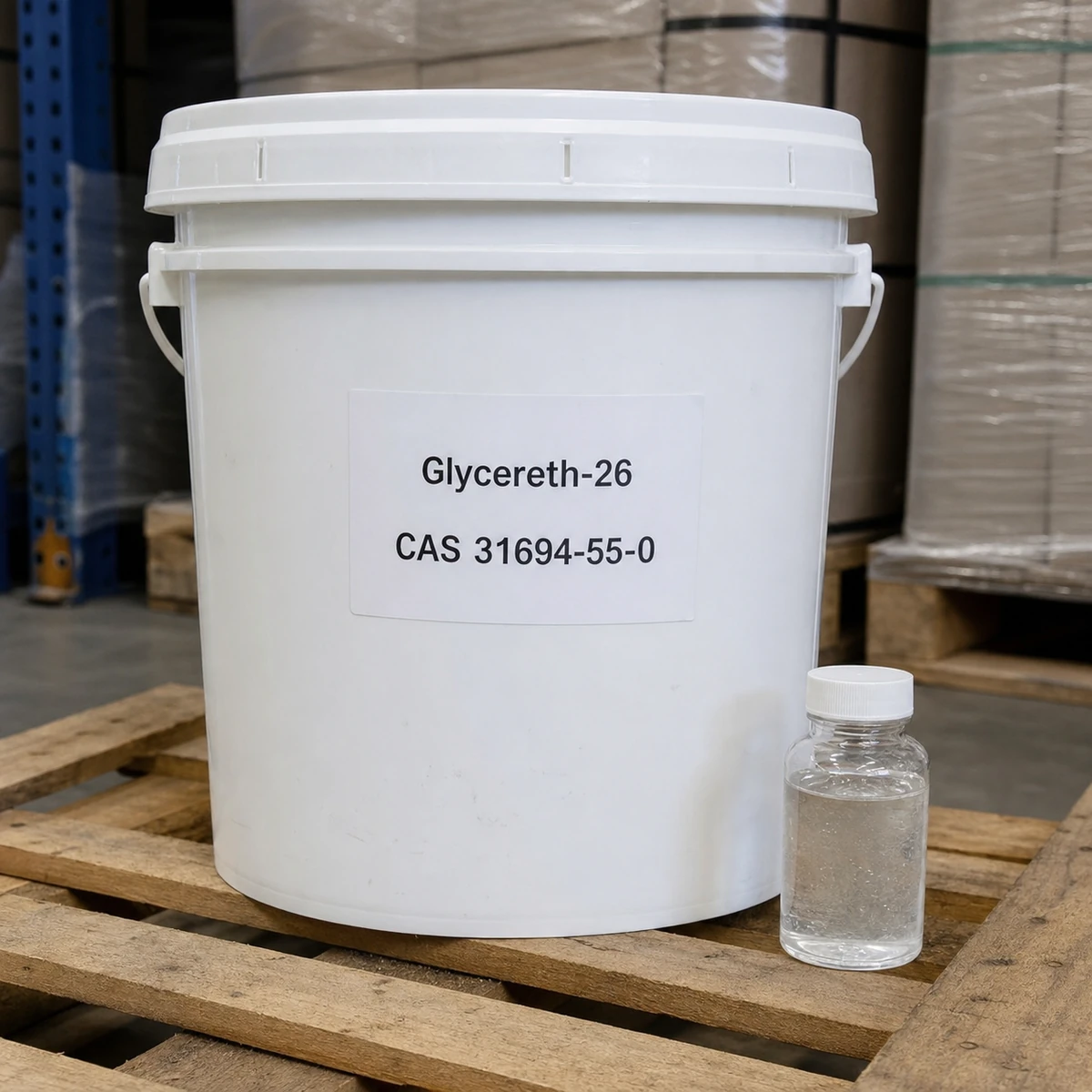
Glycereth-26 (CAS 31694-55-0) is a hydrophilic humectant, sensory modifier and formulation aid. Also known as PEG-26 Glyceryl Ether or Ethoxylated Glycerin, it is a distribution of glycerol ethoxylates with an average total of 26 oxyethylene units per glycerol backbone, shared among its ether chains.

We can provide a Certificate of Analysis (COA), Technical Data Sheet (TDS) and Safety Data Sheet (SDS), and help match nominal composition, hydroxyl value, water content, color and viscosity to your formulation requirements and performance targets.
  • CAS: 31694-55-0
  • Synonyms: Glycereth-26, PEG-26 Glyceryl Ether, Ethoxylated Glycerin, Polyoxyethylene Glyceryl Ether, Glycerol Ethoxylate
  • Einecs: 500-075-4
  • Molecular Formula: Ethoxylated glycerol distribution; Glycereth-26 denotes an average total of 26 EO units per glycerol backbone. The molecular-mass distribution is grade-specific.
  • Grade: Glycereth-26 grades are specified by hydroxyl value, water content, color, physical form and viscosity under stated test conditions, with acid value and pH included where specified. Application-specific impurity limits can be included in the quotation.
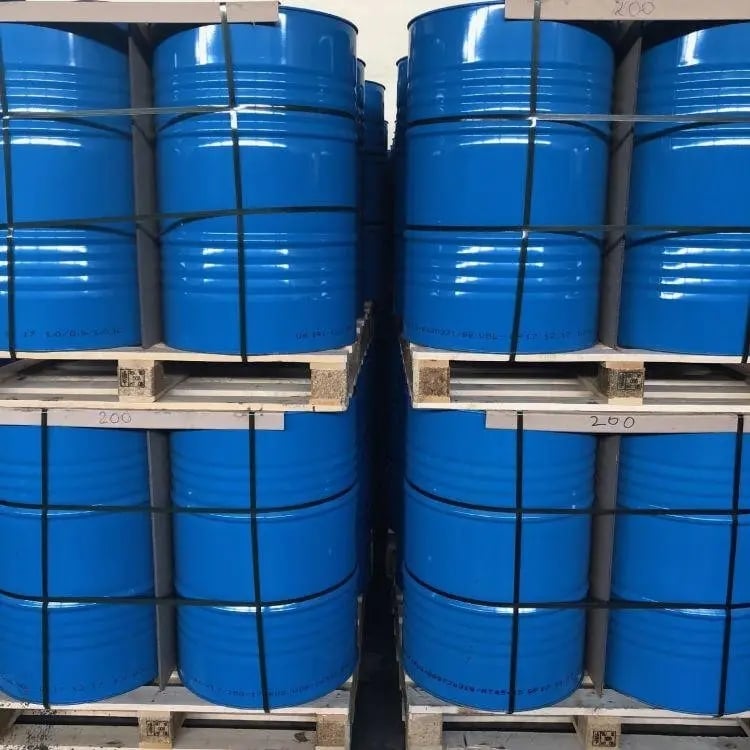
  • Package: Drum or bulk packaging; container type and net weight are specified in the quotation.
Request a quote
Share:

Product Description

Identity and physicochemical profile

ItemTechnical guidance
Product identityGlycereth-26; ethoxylated glycerol
CAS / EC31694-55-0 / 500-075-4
CompositionGlycerol-based polyether distribution with an average total of 26 EO units; no single exact molecular formula
Typical functionHydrophilic humectant, sensory modifier and formulation aid
Key quality controlsHydroxyl value (mg KOH/g), Karl Fischer water content (%), color, physical form and viscosity with stated temperature and method; acid value (mg KOH/g) and pH with stated aqueous dilution where specified
Grade boundarySuitability for cosmetics or other regulated applications is grade-specific and depends on impurity controls and supporting documents.

Applications and grade selection

Glycereth-26 is used in aqueous and emulsion formulations such as serums, gels, lotions and cleansers. Concentration and the complete formulation determine moisture retention, skin feel, tack, clarity and viscosity. For aqueous cleaning or inkjet applications, grade selection includes the formulation’s solubility, viscosity and stability requirements.

Glycerol (Glycerin) and PEG-300 (Polyethylene Glycol 300) are useful humectant comparisons: glycerol is a small molecule, while PEG-300 is a linear polyether diol. Their structures and grade specifications differ from Glycereth-26.

Personal-care grades of Betaine Anhydrous (Trimethylglycine) offer a different osmolyte and humectant option. Sodium Hyaluronate is a polymeric moisturizer available in different molecular-weight grades. Selection depends on hydration, skin feel and stability in the complete formulation; these materials are not automatic one-for-one substitutes for Glycereth-26.

Storage and handling

Keep containers tightly closed in a clean, dry area, protected from contamination and excessive heat. Storage and low-temperature handling conditions are specified in the grade-specific TDS.

Safety, documentation and procurement

Quality documentation can include hydroxyl value in mg KOH/g, Karl Fischer water content and viscosity at the stated test temperature. Residual ethylene oxide and 1,4-dioxane can be checked by a matrix-appropriate quantitative GC or headspace GC method. Data can be provided with concentrations and reporting limits for the selected grade; these tests describe specific residues, not the purity of the entire polyether distribution.

For a bulk quotation, send the quantity, application and delivery destination. A reference grade, required hydroxyl value or viscosity range helps define the offer. Handling information is provided in the SDS.

FAQ - Technical & Supply Chain

  • Q:

    What does “26” mean in the Glycereth-26 grade?

    A: The number “26” denotes an average total of 26 ethylene oxide (EO) units across the chains attached to the glycerol backbone, not 26 per chain or exactly 26 on every molecule. CAS 31694-55-0 is shared by glycerol ethoxylates with different average EO levels, so CAS alone does not identify the Glycereth-26 grade or establish interchangeability.
  • Q:

    What should be compared when qualifying a replacement Glycereth-26 grade?

    A: Start with the Glycereth-26 grade and intended application, then compare hydroxyl value (mg KOH/g), Karl Fischer water content (% by mass), color, physical form and viscosity at the same temperature, using consistent methods and units. Where residual limits matter, compare quantitative ethylene oxide and 1,4-dioxane results (mg/kg), reporting limits and method suitability for the grade. These GC results measure specific residuals, not whole-polymer purity. Check humectancy and texture in the complete formulation before adopting a replacement.

Ordering & Documentation

Key information for document requests, quotations, and supply planning.

Documents

Tell us which documents your procurement team needs. Before an order, we will check whether the quoted source can provide them for the offered lot.

Quotation

Send the CAS number, grade, quantity, packing preference and destination.

Sample & Supply

Ask whether samples, trial quantities or repeat orders are possible. We will check each request against the sourced product and current offer.

Storage & Shipping

Product-specific conditions are confirmed before order.

Contact Form

Use our contact form to send us your questions, suggestions or comments. We will respond as soon as possible.
For a quotation, please include the product name or CAS number, quantity, grade or application, and destination country or port. Tell us if you need a sample, COA, TDS or SDS.