










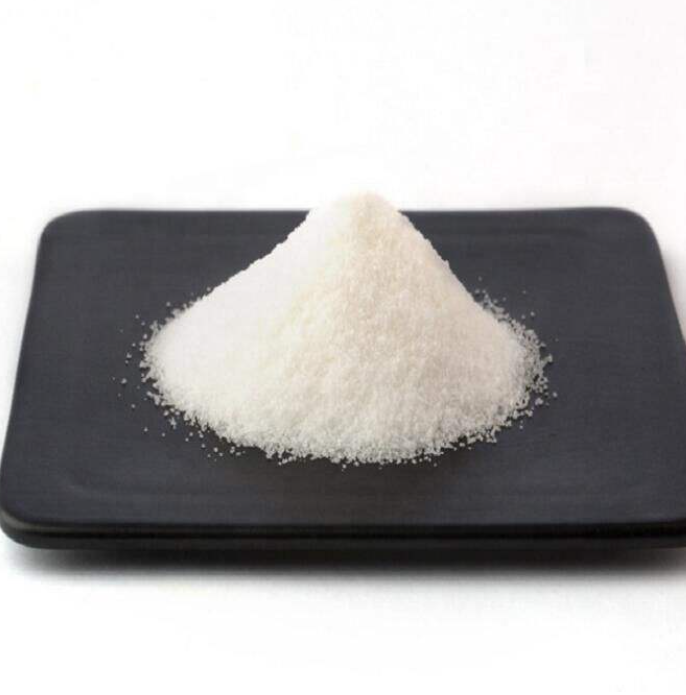
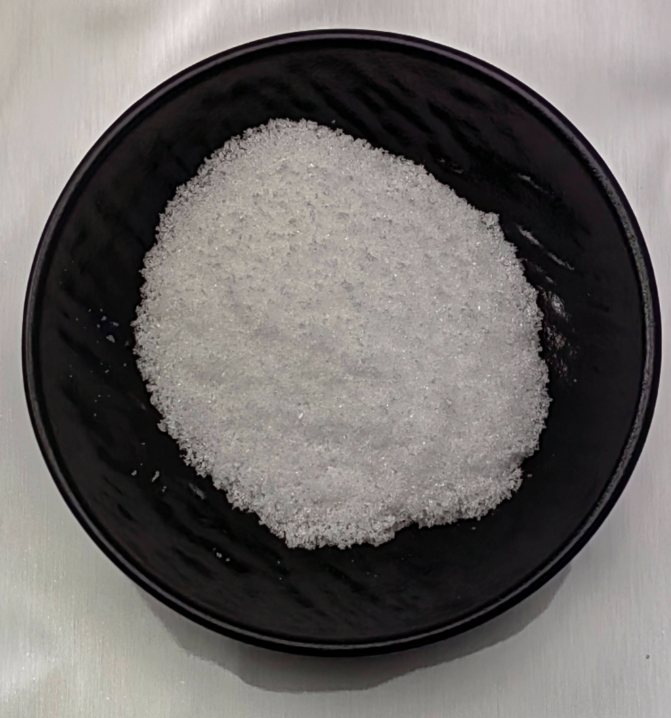
Betaine Anhydrous (CAS 107-43-7), chemically identified as trimethylglycine, is a quaternary ammonium compound functioning as a highly efficient methyl donor and osmolyte in animal feed formulation and nutritional compounding. This crystalline powder, also technically referred to as glycine betaine or TMG, is utilized to regulate osmotic pressure in cells and improve nutrient metabolism in livestock and poultry production. We provide bulk supply of this industrial grade ingredient with competitive factory pricing to optimize production costs for feed manufacturers. Our distribution capabilities ensure consistent inventory levels, making MSDS, TDS, COA available alongside customized specifications to meet specific particle size or purity requirements.
Betaine Anhydrous CAS 107-43-7
- CAS: 107-43-7
- Synonyms: trimethylglycine, glycine betaine, TMG, trimethylammonioacetate, oxyneurine
- Einecs: 203-490-6
- Molecular Formula: C₅H₁₁NO₂
- Grade: ≥98% Betaine anhydrous, food / feed / pharma-supporting grade
- Package: Standard: 25 kg fiber drum or 25 kg laminated bag with inner PE liner
Product Description
Betaine (also known as Trimethylglycine) is a zwitterionic quaternary ammonium compound widely used in food, feed, pharmaceutical and cosmetic formulations for its osmoprotective, nutritional and humectant functions. It is supplied as a high-purity, free-flowing crystalline powder suitable for industrial and formulation use.
📧 Email: info@industrochem.com (for quotations, COA and technical data sheet)
Physicochemical Properties
| Property | Specification / Typical Value |
|---|---|
| Chemical Name | Betaine; Trimethylglycine |
| CAS | 107-43-7 |
| Einecs | 203-490-6 |
| Molecular Formula | C₅H₁₁NO₂ |
| Molecular Weight | 117.15 g/mol |
| Appearance | White or colorless crystalline powder |
| Odor / Taste | Odorless or bland; slightly sweet taste |
| Assay (on dry basis) | ≥98.0% (typical commercial spec) |
| Density | ~1.0 g/cm³ at 20–25 °C |
| Melting Point | ~300–310 °C (decomposes) |
| Solubility in Water | Very soluble; approx. 160 g/100 mL at room temperature |
| Solubility in Organic Solvents | Soluble in ethanol / methanol; slightly soluble in ether |
| pKa (carboxyl group, 0 °C) | ~1.8 (zwitterionic compound) |
| LogP (20 °C) | Approx. −3 to 0.5 (highly hydrophilic) |
| Hygroscopicity | Hygroscopic; absorbs moisture from air |
| Stability | Stable under normal conditions; avoid strong oxidizers |
Applications
- Animal Nutrition & Feed Additives
- Used as a methyl donor to improve amino acid utilization and support growth performance in poultry, swine, aquatic animals and ruminants.
- Helps regulate osmotic pressure and supports stress resistance during heat, transport or high salinity conditions.
- Food & Beverage Industry
- Functional ingredient in health foods, nutraceutical powders and beverages.
- Supports homocysteine metabolism and is often combined with vitamins (e.g., B-complex) in dietary formulations.
- Pharmaceutical & Healthcare
- Used as an active substance or excipient in formulations related to homocystinuria and cardiovascular support, subject to local regulatory approvals.
- Serves as a biochemical reagent in research on osmoprotection and cell metabolism.
- Personal Care & Cosmetics
- Functions as a mild humectant, skin-conditioning agent and anti-irritant in shampoos, facial cleansers, body wash and leave-on skincare.
- Enhances moisture retention and improves skin feel without stickiness.
- Other Industrial Uses
- Osmoprotectant and stabilizer in fermentation processes and enzyme preparations.
- Intermediate or additive in various specialty chemicals where a zwitterionic structure is beneficial.
Storage Conditions
- Store in original, tightly closed packaging in a cool, dry and well-ventilated warehouse.
- Recommended long-term storage temperature: below 25 °C, away from direct sunlight and heat sources.
- Protect from moisture – betaine is hygroscopic and may cake or liquefy if exposed to humid air.
- Keep away from strong oxidizing agents and materials that may generate dust ignition sources.
- Follow standard FIFO (First-In, First-Out) inventory practice and check packaging integrity regularly.
Safety Precautions
Handling
- Avoid formation and inhalation of dust; use local exhaust ventilation in powder handling areas.
- Avoid contact with eyes and prolonged contact with skin.
- Do not eat, drink or smoke while handling the product; wash hands thoroughly after use.
Personal Protective Equipment (PPE)
- Safety goggles or face shield to protect eyes from dust.
- Dust mask or suitable particulate respirator if airborne dust cannot be controlled.
- Protective gloves and work clothing.
Fire & Explosion
- The delivered product is generally not dust-explosion capable as supplied, but accumulated fine dust can form an explosive mixture with air; avoid ignition sources and reduce dust deposits.
- Use water spray, foam or dry chemical extinguishing media for surrounding fire.
First Aid Measures
- Inhalation: Move to fresh air; seek medical attention if discomfort persists.
- Skin contact: Brush off loose particles and wash with soap and water.
- Eye contact: Rinse immediately with plenty of water for at least 10 minutes; obtain medical attention if irritation persists.
- Ingestion: Rinse mouth; do not induce vomiting; seek medical advice if large amounts are swallowed.
FAQ - Technical & Supply Chain
-
Q:
How is Betaine Anhydrous (CAS 107-43-7) chemically distinguished from Betaine Hydrochloride?
A: Betaine Anhydrous is the pure, neutral form of trimethylglycine with a bipolar structure, whereas Betaine Hydrochloride is the acidic salt form; the anhydrous form is typically preferred for applications requiring higher solubility and pH neutrality. -
Q:
What is the primary functional role of Betaine Anhydrous in industrial feed applications?
A: In animal feed processing, Betaine Anhydrous is intended for use as a methyl group donor to spare methionine and as an osmoprotectant to help animals maintain cellular hydration under stress conditions.
Documents and Product Support
For product review and sourcing evaluation, supporting documents can be coordinated according to the product type, inquiry stage, and order requirements.
- COA for batch-based quality reference
- TDS for key physical and chemical information
- SDS / MSDS for handling, storage, and safety reference
- Packing information for sample, trial, and bulk orders
- Technical communication based on application and specification requirements
Information to Confirm Before Quotation
Clear sourcing information helps reduce specification mismatch and allows a more accurate quotation before sample or bulk order discussion.
- Product name and CAS number
- Application or intended end use
- Required purity, grade, or specification
- Sample quantity, trial order, or bulk demand
- Preferred packing form or net weight
- Destination country or port
- Required documents or compliance expectations
Packaging, Storage, and Handling Notes
Packaging form, storage conditions, shelf life, and shipment arrangements should be confirmed according to the product characteristics, package size, and destination requirements.
Before order confirmation, buyers are advised to review the corresponding product documents and confirm whether any special storage, labeling, or handling requirements apply.
Sample, Bulk Order and Repeat Supply Support
Support can be arranged for sample discussion, bulk supply planning, packaging confirmation, and routine sourcing communication based on the actual product and order requirements.
For repeat-use formulations or long-term procurement plans, buyers may discuss specification consistency, packaging preferences, delivery expectations, and document coordination in advance.


