









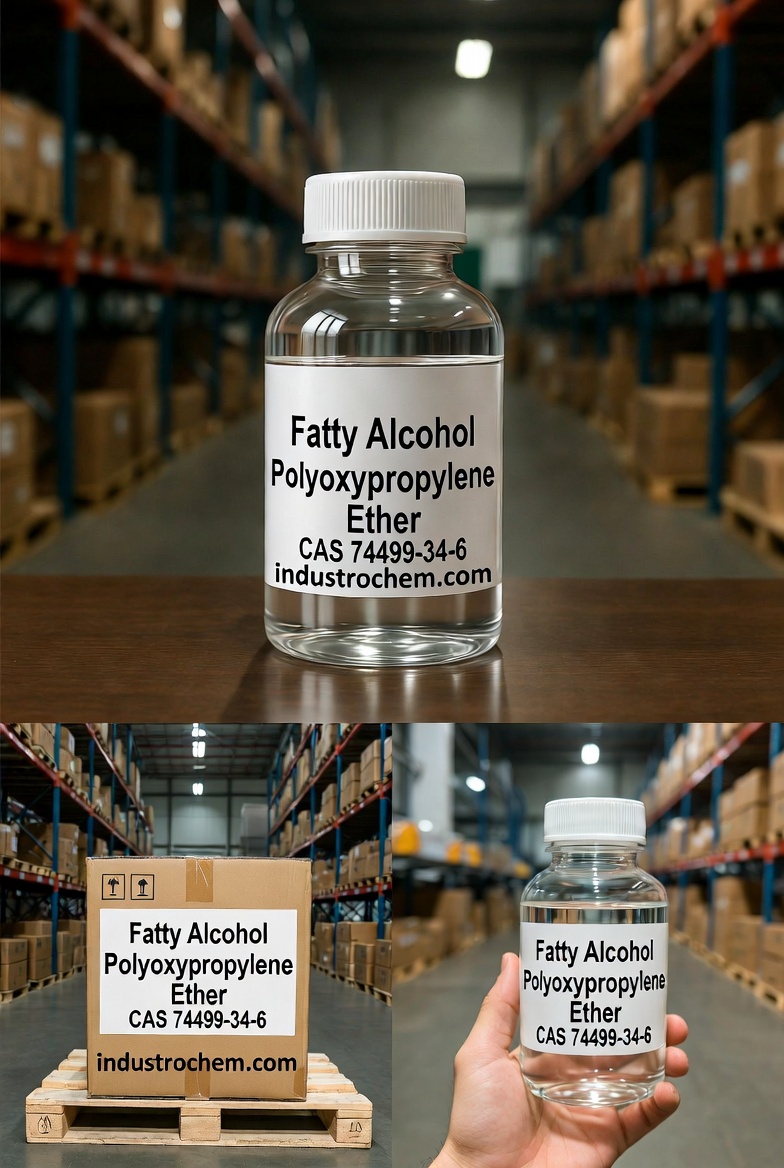
Fatty Alcohol Polyoxypropylene Ether, commercially specified as grade SPO-30 and registered under CAS 74499-34-6, is a specialized nonionic surfactant synthesized via the alkoxylation (typically ethoxylation and propoxylation) of fatty alcohols. This substance functions as a high-performance penetrating agent and defoamer, characterized by its excellent low-foaming properties and stability in industrial low-foaming cleaning formulations. It is typically applied in the production of industrial dishwasher detergents, metal cleaning agents, and textile refining auxiliaries where foam control is critical. We ensure bulk supply with competitive factory pricing for industrial clients. Our inventory is managed to support customized specifications, and every shipment is accompanied by complete MSDS, TDS, COA documentation.
Fatty Alcohol Polyoxypropylene Ether CAS 74499-34-6
- CAS: 74499-34-6
- Synonyms: Alcohol Alkoxylate
- Einecs: 614-449-0
- Molecular Formula: C₁₅H₃₂O
- Grade: Industrial grade 99%
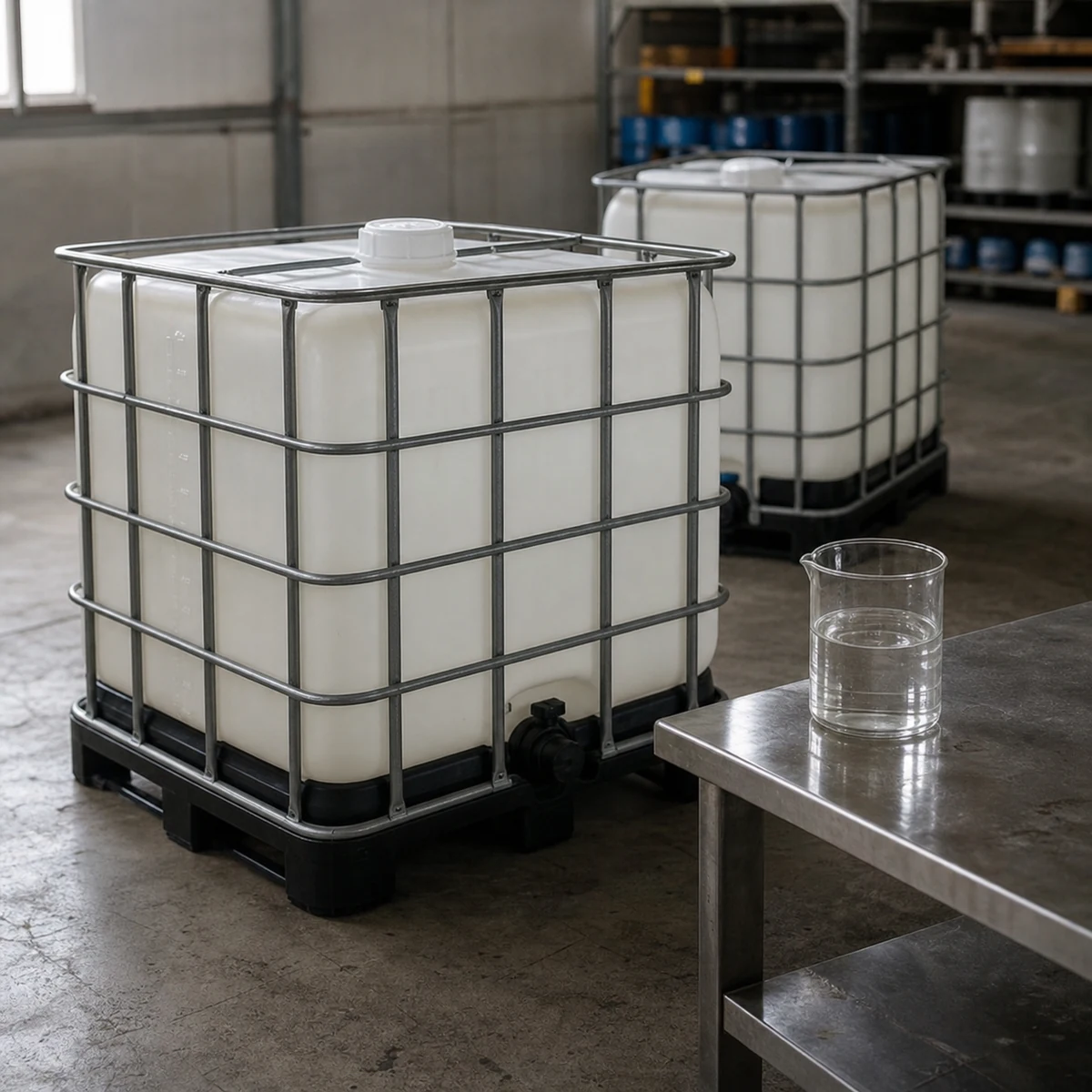
- Package: 200kg iron drum or 50kg plastic drum packaging
Product Description
Physicochemical properties
| Property | Description |
|---|---|
| CAS Number | 74499-34-6 |
| EINECS Number | 614-449-0 |
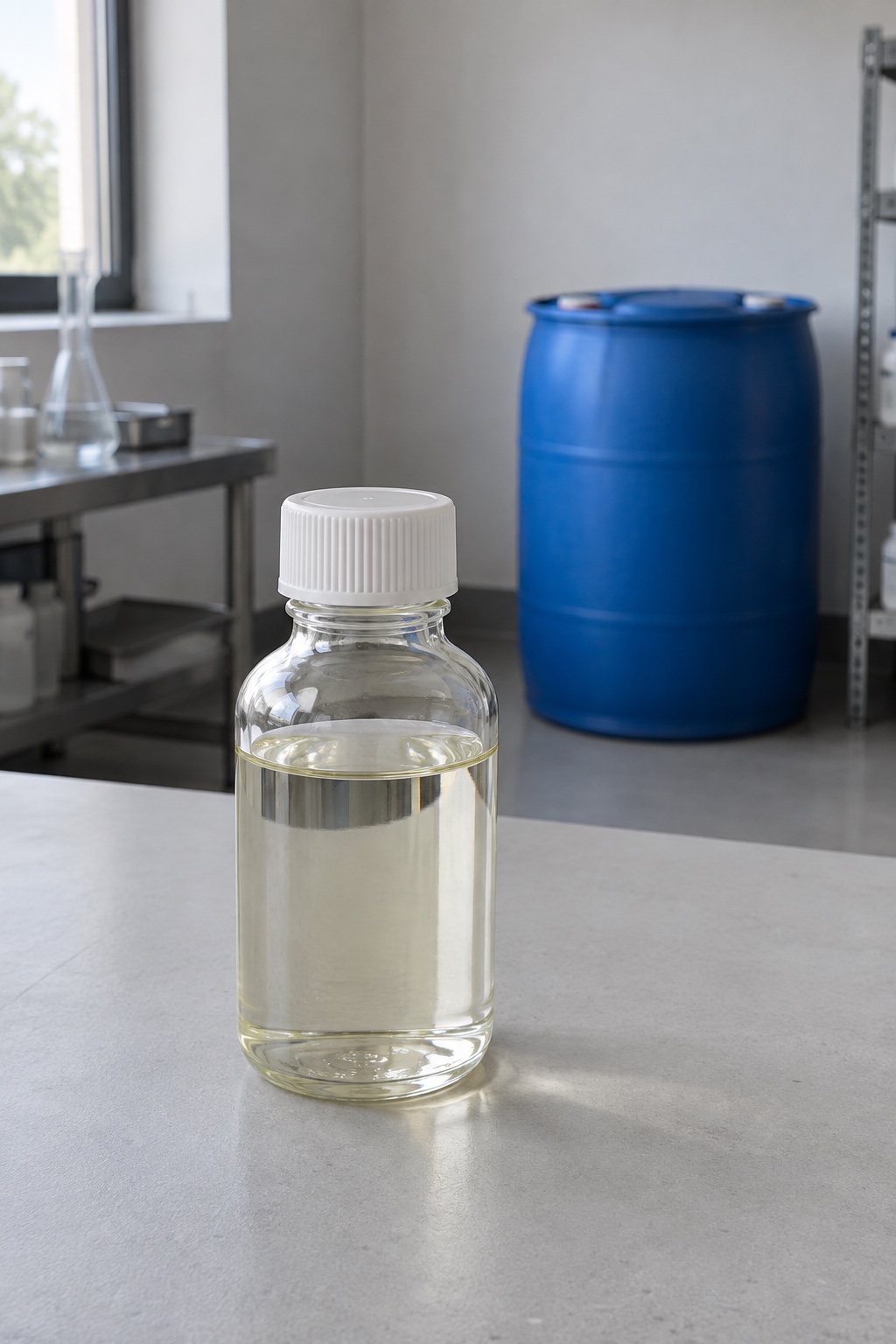
| Appearance | Colorless to pale yellow transparent liquid |
| Solubility | Insoluble in water; soluble in ethanol, acetone, white mineral oil, and molten white petrolatum |
| Molecular Structure | Polymer of fatty alcohol and propylene oxide |
| Molecular Weight | Varies with degree of polymerization (not specified) |
| Density | 0.7827 g/cm³ (estimated) |
| Boiling Point | 270.24°C (estimated) |
| Refractive Index | 1.4222 (estimated) |
| pH | 5-7 (in 1% aqueous solution, measured with isopropanol-water mixture) |
| Hydroxyl Value | 28 ± 3 mgKOH/g (for SPO-30) |
| Acid Value | ≤ 1.0 mgKOH/g |
| Stability | Stable under normal conditions; insensitive to temperature and electrolyte variations |
| Compatibility | Compatible with alcohols, ketones, fatty acids, and esters |
| Hazard Class | 9 (Packing Group III) |
| Shelf Life | 2 years (when stored properly) |
Application Areas
Daily chemical industry:
Hair care products: Replace white mineral oil, imparting luster to hair and also serving as a styling agent; used as a plasticizer and thickener for hair gel resins.
Bathing supplies: Prepare low-temperature transparent bath oil and hand sanitizer.
Beauty cosmetics: As a pigment carrier, it produces a non-greasy and non-sticky film; used as a pigment dispersant and coupling agent, it couples aromatic oils to mineral oils.
Industrial field:
Aerosol: used as an anti-adhesive and valve lubricant.
Chemical industry: Intermediates for synthesizing surfactants with special properties.
Storage conditions
Environmental requirements
Store in a dry and well-ventilated warehouse or covered shed, keeping away from sources of fire and heat.
Avoid direct sunlight to prevent product deterioration or volatilization caused by high temperatures.
Container requirements: Store in a sealed container to prevent air and moisture from entering and causing product performance degradation.
Storage duration: The shelf life is typically 2 years
Safety precautions
Operational precautions: Wear protective gloves, goggles, and protective clothing during operation to avoid skin and eye contact. If contact occurs, immediately flush with plenty of water and seek medical attention.
Waste disposal: Waste should be disposed of in accordance with local environmental regulations to avoid polluting the environment.
Emergency Management
Leakage handling: Quickly evacuate the contaminated area and restrict access. Use sand, vermiculite, or other inert materials to absorb the leakage and transfer it to a safe location.
Fire handling: In case of a fire, use carbon dioxide, ABC dry chemical powder, water spray, or water mist to extinguish the fire. Firefighters need to wear self-contained breathing apparatus and prevent contaminated firefighting water from being discharged into the environment.
FAQ - Technical & Supply Chain
-
Q:
What does the "SPO-30" designation indicate within CAS 74499-34-6?
A: CAS 74499-34-6 covers a range of alkoxylated fatty alcohols. "SPO-30" specifically identifies a grade with a defined molecular weight and cloud point, tailored to provide specific solubility and low-foaming characteristics required for certain industrial applications. -
Q:
Is this product suitable for high-turbulence cleaning systems?
A: Yes, this material is widely used in high-shear processes such as spray cleaning and industrial bottle washing because its polyoxypropylene chain segments significantly reduce foam generation compared to standard ethoxylates.
Documents and Product Support
For product review and sourcing evaluation, supporting documents can be coordinated according to the product type, inquiry stage, and order requirements.
- COA for batch-based quality reference
- TDS for key physical and chemical information
- SDS / MSDS for handling, storage, and safety reference
- Packing information for sample, trial, and bulk orders
- Technical communication based on application and specification requirements
Information to Confirm Before Quotation
Clear sourcing information helps reduce specification mismatch and allows a more accurate quotation before sample or bulk order discussion.
- Product name and CAS number
- Application or intended end use
- Required purity, grade, or specification
- Sample quantity, trial order, or bulk demand
- Preferred packing form or net weight
- Destination country or port
- Required documents or compliance expectations
Packaging, Storage, and Handling Notes
Packaging form, storage conditions, shelf life, and shipment arrangements should be confirmed according to the product characteristics, package size, and destination requirements.
Before order confirmation, buyers are advised to review the corresponding product documents and confirm whether any special storage, labeling, or handling requirements apply.
Sample, Bulk Order and Repeat Supply Support
Support can be arranged for sample discussion, bulk supply planning, packaging confirmation, and routine sourcing communication based on the actual product and order requirements.
For repeat-use formulations or long-term procurement plans, buyers may discuss specification consistency, packaging preferences, delivery expectations, and document coordination in advance.