









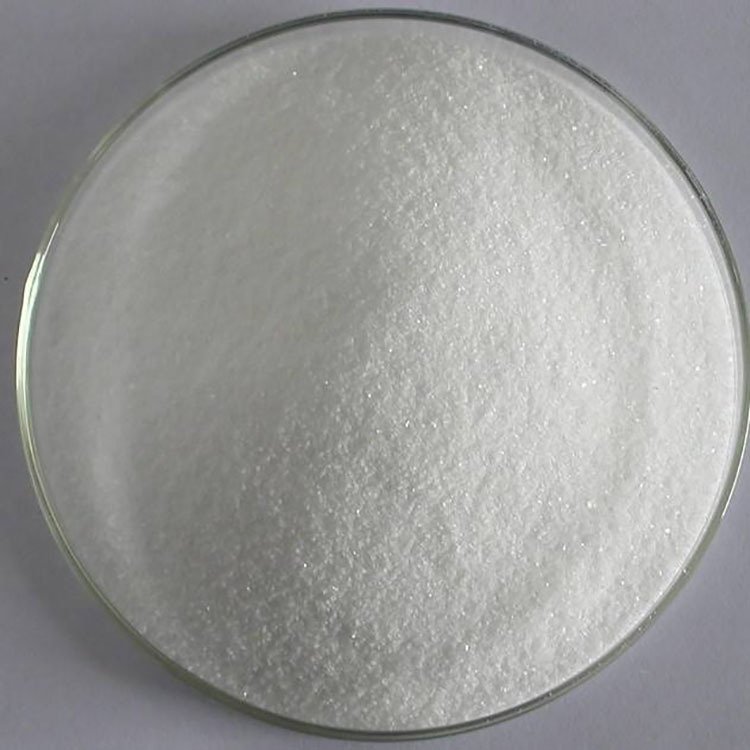
• 1-Hexadecanol CAS 36653-82-4
  • 1-Hexadecanol CAS 36653-82-4
  • 1-Hexadecanol CAS 36653-82-4

1-Hexadecanol CAS 36653-82-4

1-Hexadecanol, also known as Cetyl Alcohol, is a long-chain fatty alcohol used as an organic industrial ingredient in formulated and process-based chemical systems. It is characterized by a linear C16 alkyl chain with a terminal hydroxyl group, enabling functionality in emulsification, structuring, and controlled phase behavior. 1-Hexadecanol (CAS 36653-82-4) is typically applied in industrial formulation and process applications, where it serves as a functional component within defined manufacturing systems rather than as a reactive intermediate.
For industrial operations, this material is supplied with competitive factory pricing, customized specifications, complete technical documentation including MSDS, TDS, COA, and support for bulk supply environments.

  • CAS: 36653-82-4
  • Synonyms: 1-Hexadecanol, Cetyl alcohol, Hexadecan-1-ol, Palmityl alcohol
  • Einecs: 253-149-0
  • Molecular Formula: C₁₆H₃₄O
  • Grade: Industrial grade 99%
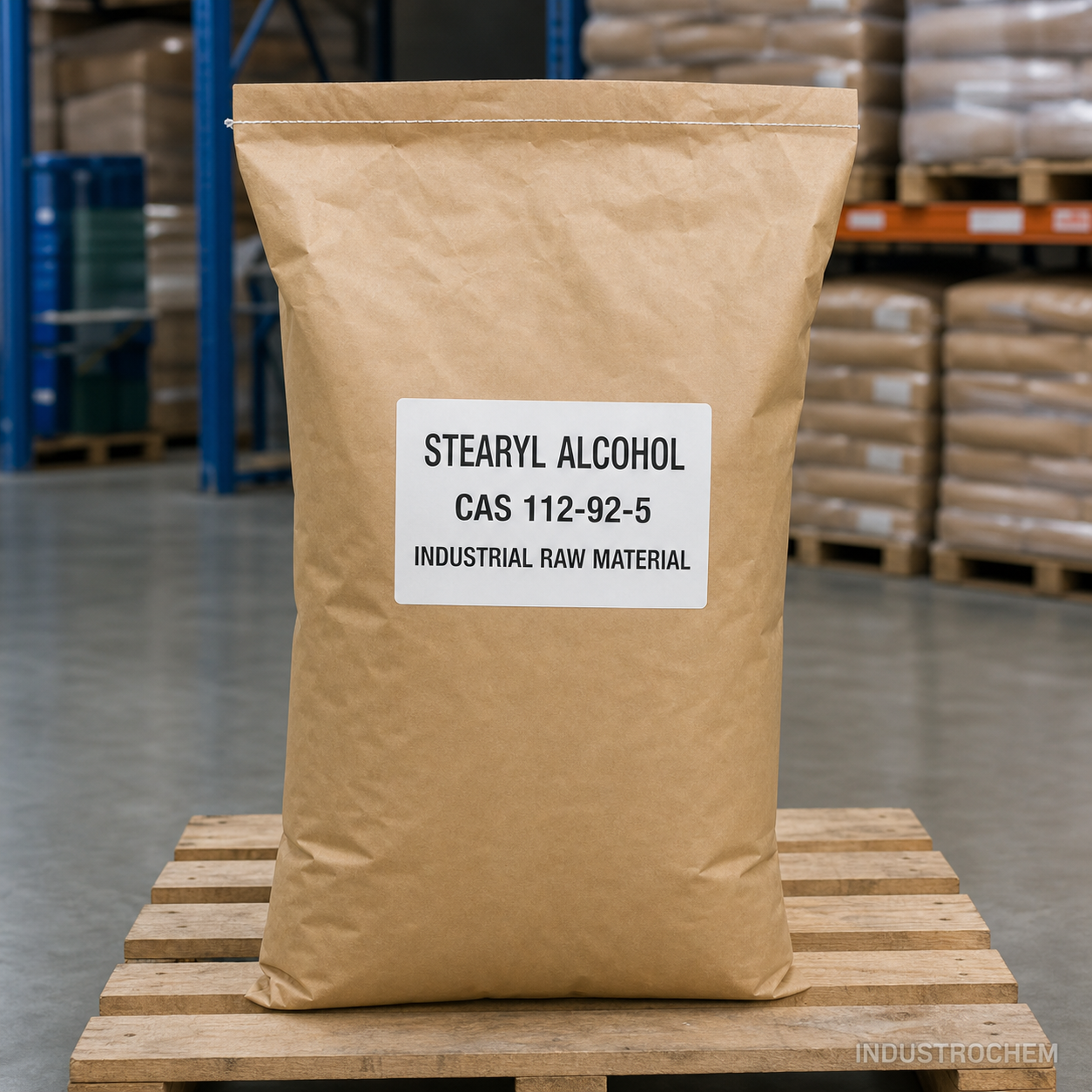
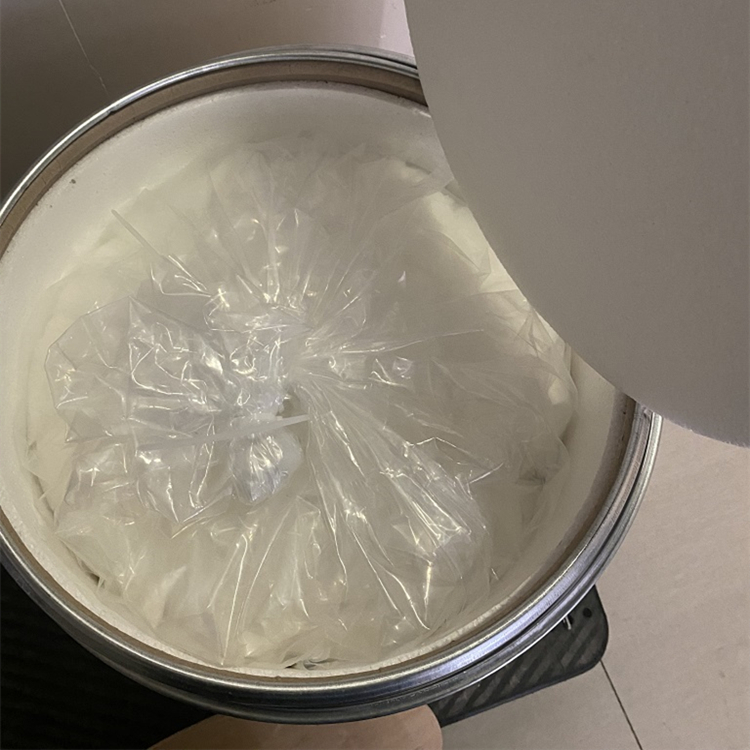
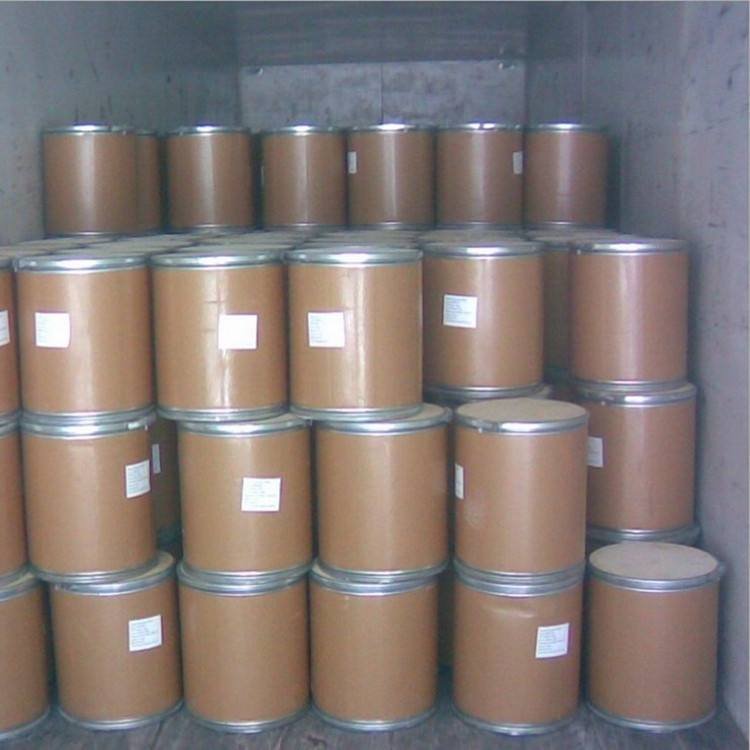
  • Package: 200kg iron drum or 50kg plastic drum packaging
Request a quote
Share:

Product Description

Physicochemical properties

PropertyValue
CAS Number36653-82-4
EINECS Number253-149-0
Molecular FormulaC₁₆H₃₄O
Molecular Weight242.44 g/mol
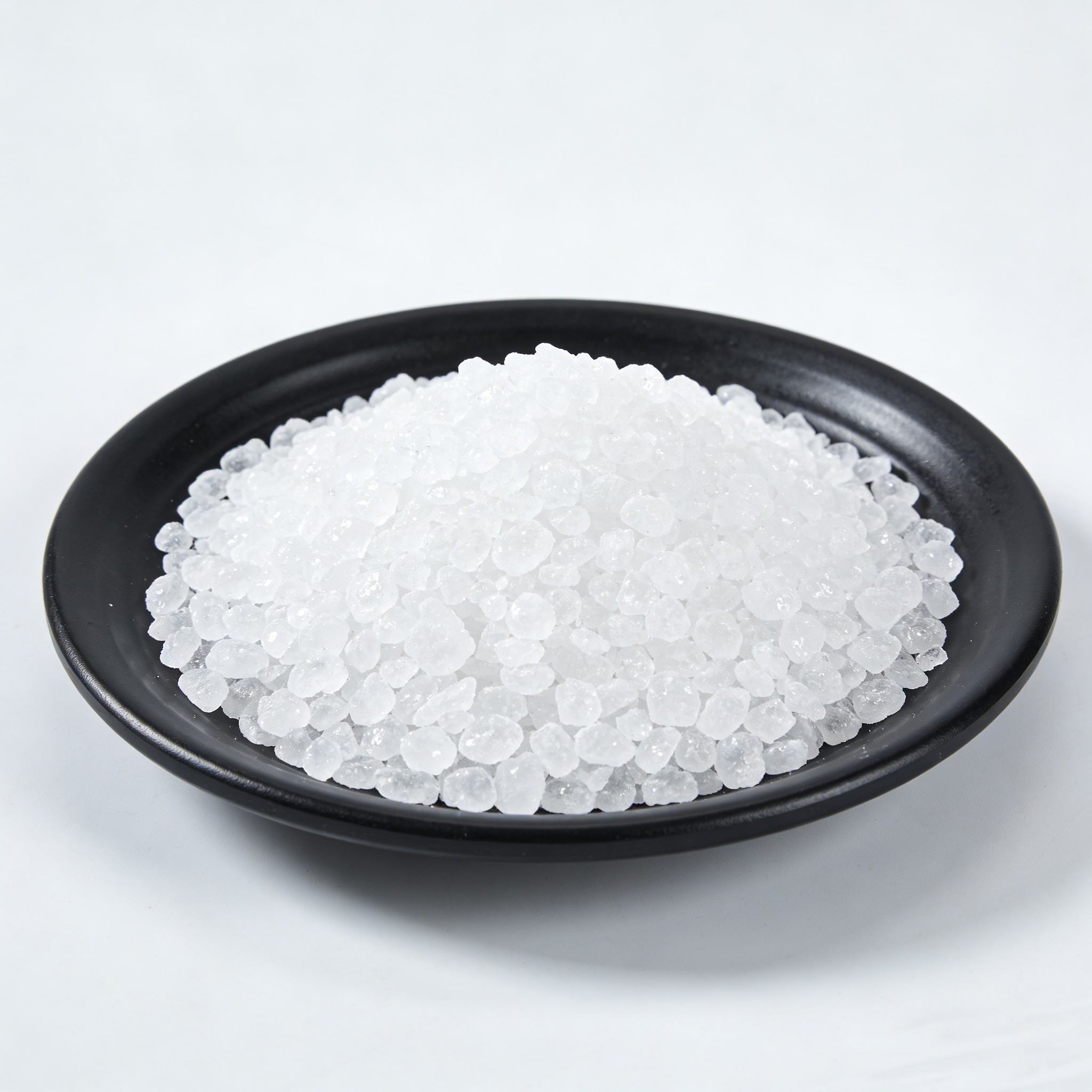
AppearanceWhite, waxy solid (crystals, flakes, or granules)
OdorSlightly fatty or waxy
Melting Point48–51 °C
Boiling Point310.9 ± 5.0 °C at 760 mmHg (or 179–181 °C at 10 mmHg)
Density0.818 g/cm³ at 25 °C
Refractive Index1.4283 (n²⁰/D)
SolubilityInsoluble in water; soluble in ethanol, ether, chloroform, and DMSO
Viscosity13.4 mPa·s at 50 °C
Flash Point135.0 ± 0.0 °C (closed cup)
Autoignition Temperature250.6 °C
Explosive LimitsLower: 1% (V/V); Upper: 8% (V/V)
Vapor Pressure0.0 ± 1.5 mmHg at 25 °C
StabilityStable under normal conditions; incompatible with strong oxidizers and acids
Chemical ReactivityReacts with inorganic and organic acids to form esters

Application Areas

Daily chemical and pharmaceutical:
Used for manufacturing spices, cosmetics, detergents, and plasticizers, it is a raw material for flat additives.
Used as an emulsifier and nonionic surfactant in pharmaceutical formulations.
Industrial and Materials Science:
As a gas chromatography stationary phase.
Used for synthesizing self-assembled meta styrene macrocycles, water-soluble aromatic hydrocarbons, and polyethylene glycol based polymers.
Its high chain fatty acid esters can be used as phase change materials (PCM) for thermal energy storage

Storage conditions

Environment and packaging: Store in a cool, dry, and ventilated warehouse, seal and store to avoid moisture absorption. It is recommended to use glass bottles (25kg or 50kg) and protect them with wooden or cardboard boxes for external use.
Temperature control: It is recommended to store the temperature below+30 ℃

Safety precautions

Irritation: May cause slight irritation to the skin and eyes, protective gloves and goggles should be worn during operation.
Inhalation/ingestion risk: Avoid inhaling dust or contact with mouth and nose. If ingested, seek medical attention promptly.
Leakage treatment: A small amount of leakage can be adsorbed by inert materials, while a large amount of leakage needs to be disposed of according to hazardous chemical regulations.
Stability: Stable under normal conditions, but avoid contact with strong acids and bases

FAQ - Technical & Supply Chain

  • Q:

    Do 1-Hexadecanol and Cetyl Alcohol refer to the same chemical substance?

    A: Yes. These names are commonly used interchangeably in academic and industrial contexts to describe the same chemical structure.
  • Q:

    Is 1-Hexadecanol mainly used as a functional industrial ingredient rather than a reactive intermediate?

    A: It is typically used as a functional component in industrial formulations and processes, where its physical and chemical properties contribute to system performance.
Documents

Documents and Product Support

For product review and sourcing evaluation, supporting documents can be coordinated according to the product type, inquiry stage, and order requirements.

  • COA for batch-based quality reference
  • TDS for key physical and chemical information
  • SDS / MSDS for handling, storage, and safety reference
  • Packing information for sample, trial, and bulk orders
  • Technical communication based on application and specification requirements
Quotation

Information to Confirm Before Quotation

Clear sourcing information helps reduce specification mismatch and allows a more accurate quotation before sample or bulk order discussion.

  • Product name and CAS number
  • Application or intended end use
  • Required purity, grade, or specification
  • Sample quantity, trial order, or bulk demand
  • Preferred packing form or net weight
  • Destination country or port
  • Required documents or compliance expectations
Storage & Handling

Packaging, Storage, and Handling Notes

Packaging form, storage conditions, shelf life, and shipment arrangements should be confirmed according to the product characteristics, package size, and destination requirements.

Before order confirmation, buyers are advised to review the corresponding product documents and confirm whether any special storage, labeling, or handling requirements apply.

Supply Support

Sample, Bulk Order and Repeat Supply Support

Support can be arranged for sample discussion, bulk supply planning, packaging confirmation, and routine sourcing communication based on the actual product and order requirements.

For repeat-use formulations or long-term procurement plans, buyers may discuss specification consistency, packaging preferences, delivery expectations, and document coordination in advance.

Contact Form

Use our contact form to send us your questions, suggestions or comments. We will respond as soon as possible.