Chemical products
  • Glyceryl Monooleate (GMO) CAS 111-03-5

Glyceryl Monooleate (GMO) CAS 111-03-5

Glyceryl Monooleate (GMO, CAS 111-03-5) is a nonionic, lipophilic emulsifier used in emulsion formulations and, in suitable industrial grades, as a lubricant and friction modifier. Monoester content and the mono-, di- and triglyceride distribution distinguish commercial grades. The reference 1-monoolein component has the formula C₂₁H₄₀O₄; commercial GMO may also contain other glycerides, positional isomers, free glycerol and free fatty acids. Glycerol Trioleate (Triolein) is the corresponding glycerol triester, a different oleate ester. Grade selection is based on the application, composition and quality requirements.

  • CAS: 111-03-5
  • Synonyms: Glycerol monooleate; Glyceryl oleate (commercial name). Reference component aliases: 1-Monoolein; Glycerol 1-monooleate; 1-Oleoyl-rac-glycerol
  • Einecs: 203-827-7
  • Molecular Formula: C₂₁H₄₀O₄ for 1-monoolein; commercial grade composition varies
  • Grade: Monoester content and mono-/di-/triglyceride distribution specified for the selected emulsifier or lubricant grade
  • Package: Packaging and net weight quoted for the selected grade and order quantity

Request a quote
Share:

Product Description

Product overview

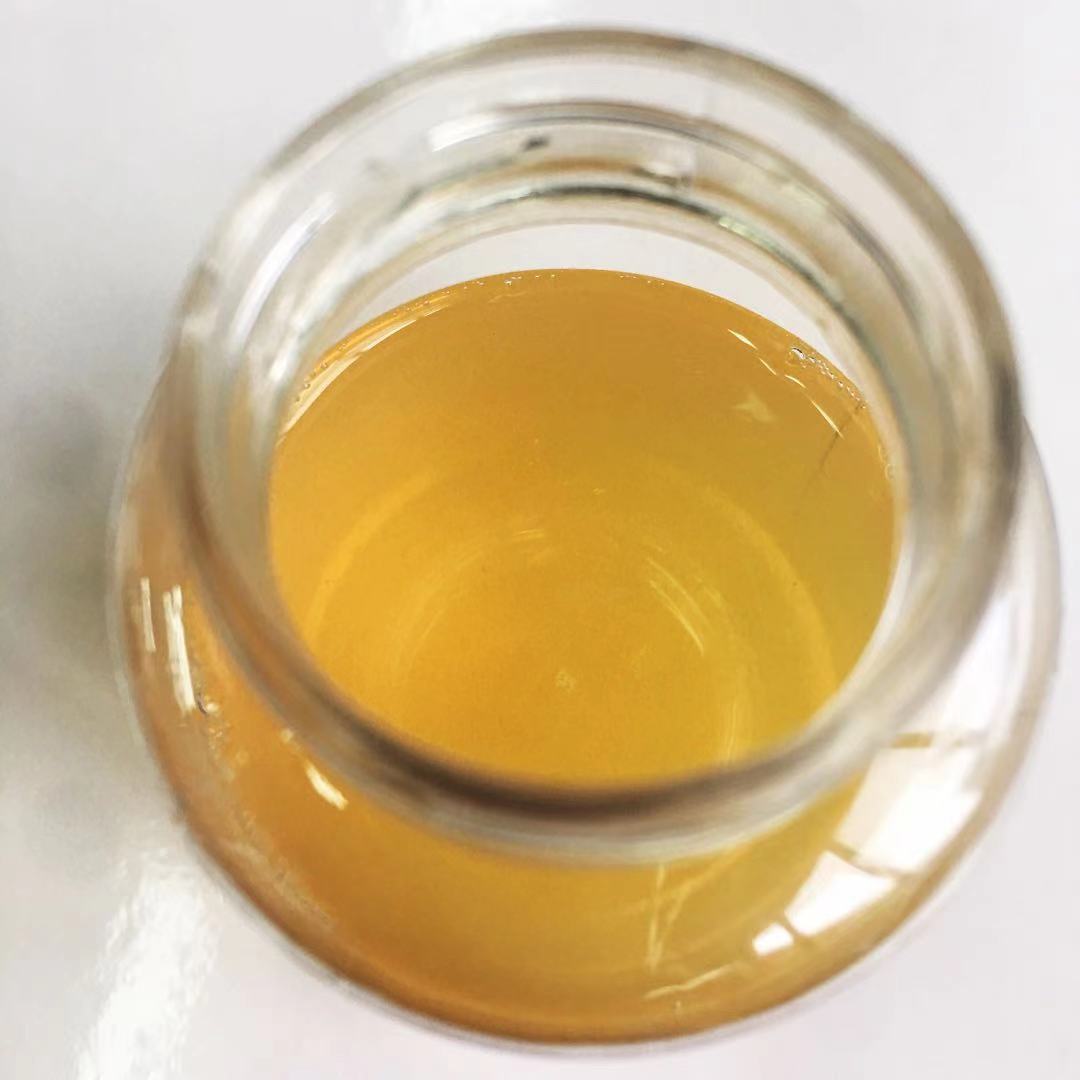
Glyceryl Monooleate is an oleic-acid ester of glycerol. CAS 111-03-5 and EC 203-827-7 identify the reference 1-monoolein component, while commercial GMO grades are specified by monoester content and glyceride composition. Mixed glyceride grades, commercial grades with high monoester content and high-assay monoolein reference materials serve different requirements. The name and CAS number alone do not define monoester purity. Depending on composition and temperature, GMO can be a viscous liquid, paste, semisolid or solid.

Technical information

ProductGlyceryl Monooleate (GMO) CAS 111-03-5
CAS number111-03-5
EC / list number203-827-7
Molecular formula / identityC₂₁H₄₀O₄ for 1-monoolein; commercial grade composition varies
SynonymsGlycerol monooleate; Glyceryl oleate (commercial name). Reference component aliases: 1-Monoolein; Glycerol 1-monooleate; 1-Oleoyl-rac-glycerol
GradeMonoester content and mono-/di-/triglyceride distribution specified for the selected emulsifier or lubricant grade
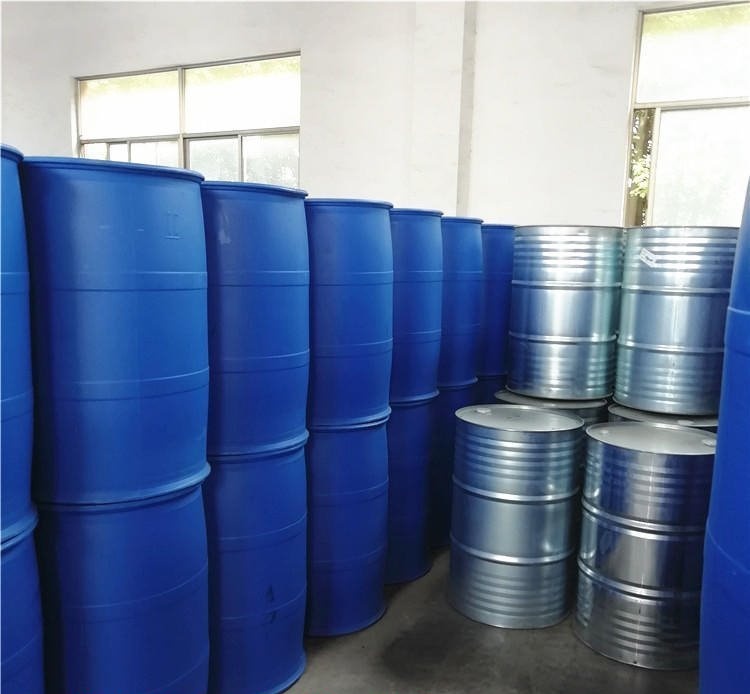
PackagingPackaging and net weight quoted for the selected grade and order quantity
Applications and grade selection

GMO acts as a water-in-oil (W/O) emulsifier and can serve as a co-emulsifier in suitable oil-in-water (O/W) systems. Sorbitan Monooleate (Span 80) is another lipophilic emulsifier for comparison in oil-rich formulations. For industrial emulsions, PEG 400 Dioleate provides a PEG-based oleate ester to compare with glycerol-based GMO. The selected grades differ in hydrophilic character and composition; formulation performance depends on the oil phase, the complete emulsifier system and processing conditions.

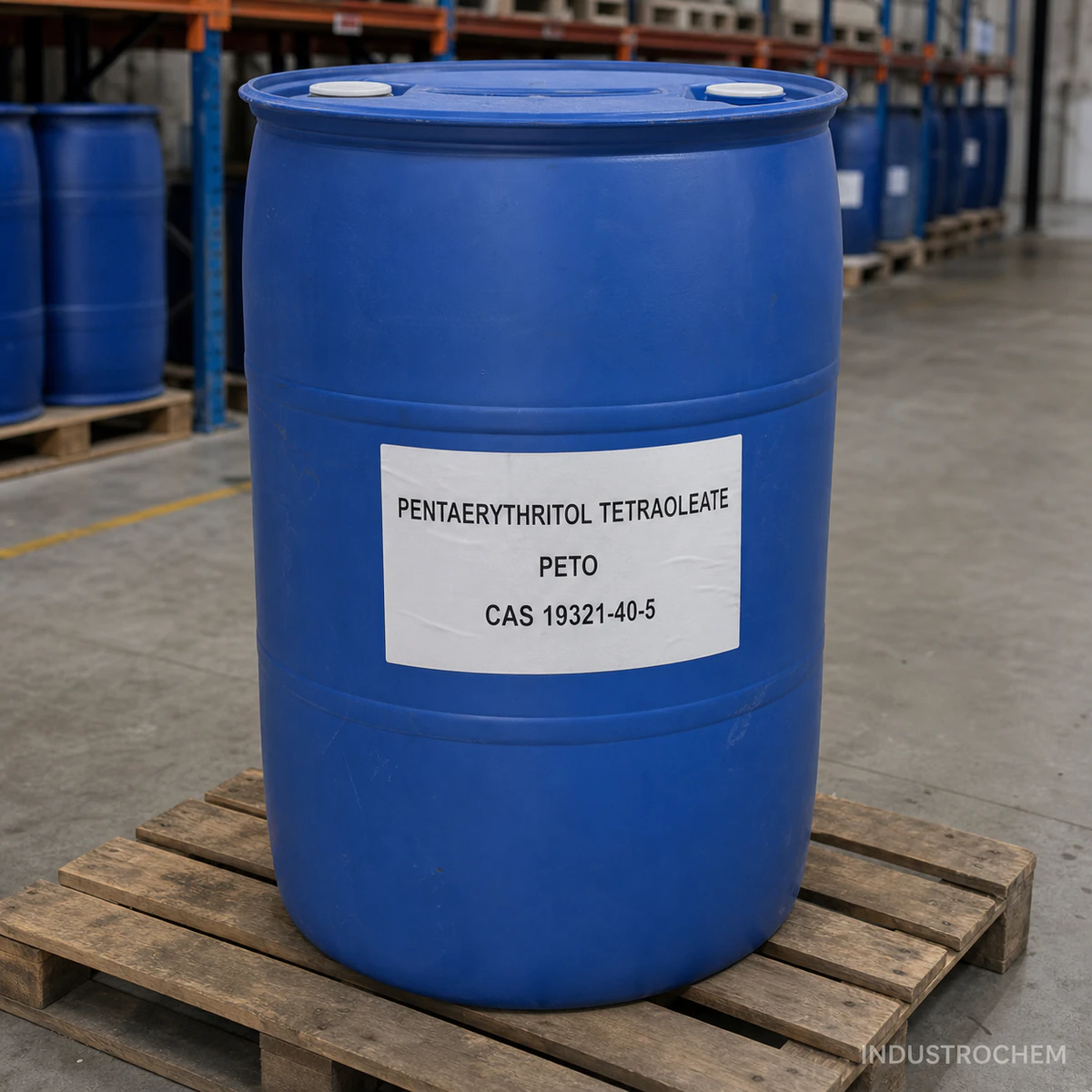
Suitable industrial GMO grades are used for lubrication and friction modification in metalworking fluids and lubricant formulations. Pentaerythritol Tetraoleate (PETO) is a related ester lubricant for comparison when selecting an ester oil or lubrication component. It has a different polyol structure and specification. Any replacement or blending requires evaluation in the intended formulation. Food, personal-care and pharmaceutical applications require the corresponding grade and application specification.

Quality data and analytical methods

Monoester content, mono-/di-/triglyceride distribution and free glycerol help define GMO composition. Acid value expresses the amount of potassium hydroxide needed to neutralize free acids and is reported in mg KOH/g; water and color are also relevant to grade selection. Saponification, iodine and hydroxyl values are included where the selected grade specification calls for them. A composition result needs its test method and reporting basis: alpha-monoglyceride content, total monoester content and a normalized chromatography area percentage are different results.

Size-exclusion or gel-permeation chromatography with refractive-index detection (SEC/GPC-RI) can separate the mono-, di- and triglyceride fractions. Calibrated GC after suitable derivatization is another method option for mono- and diglyceride composition. Method selection and calibration must suit the grade, sample matrix and required result. A fatty-acid profile describes the fatty-acid distribution; it is not a measurement of whole-product monoester purity.

Documentation and quotation

We can provide a Certificate of Analysis (COA), Technical Data Sheet (TDS) and Safety Data Sheet (SDS), together with an appropriate composition report and chromatogram for the selected grade and analytical requirement. For a quotation, send the intended application and quantity; a monoester-content target or an existing specification is useful if available. Physical form, packaging and net weight are stated for the selected grade. Storage and handling follow the grade-specific SDS.

FAQ - Technical & Supply Chain

  • Q:

    How is a Glyceryl Monooleate grade specified for purchase?

    A: A GMO grade is specified by monoester content, mono-/di-/triglyceride distribution and the relevant test method, together with the application and required physical form. High-assay 1-monoolein materials and technical glyceride grades are both listed under CAS 111-03-5, so the CAS number alone does not define monoester purity.
  • Q:

    Which quality data help select a Glyceryl Monooleate grade?

    A: Monoester content and glyceride distribution are the starting points, alongside free glycerol, acid value, water, color and physical form. Saponification, iodine and hydroxyl values apply when included in the selected grade specification. The result basis matters: alpha-monoglyceride content is not automatically the same as total monoester content or chromatography area percentage.
  • Q:

    What can a GMO chromatography report show?

    A: SEC/GPC with refractive-index detection can resolve mono-, di- and triglyceride fractions. Suitable derivatization and calibrated GC can also support mono- and diglyceride composition analysis. The report states the analytes, method and reporting basis for the selected grade. A fatty-acid profile alone does not establish monoester purity.

Ordering & Documentation

Key information for document requests, quotations, and supply planning.

Documents

Tell us which documents your procurement team needs. Before an order, we will check whether the quoted source can provide them for the offered lot.

Quotation

Send the CAS number, grade, quantity, packing preference and destination.

Sample & Supply

Ask whether samples, trial quantities or repeat orders are possible. We will check each request against the sourced product and current offer.

Storage & Shipping

Product-specific conditions are confirmed before order.

Contact Form

Use our contact form to send us your questions, suggestions or comments. We will respond as soon as possible.
For a quotation, please include the product name or CAS number, quantity, grade or application, and destination country or port. Tell us if you need a sample, COA, TDS or SDS.