









• Glycerol Trioleate CAS 122‑32‑7

Glycerol Trioleate CAS 122‑32‑7

Glycerol Trioleate, also known as Triolein, is a triglyceride formed by esterification of glycerol with three oleic acid molecules. Identified by CAS No. 122‑32‑7, it is used as an industrial emulsifier ingredient and functional lipid in formulated systems where lubricity, emulsification aid, and compatibility with nonpolar phases are required. As a naturally derived glyceride, Glycerol Trioleate is commonly incorporated into emulsifier blends and specialty chemical formulations at the industrial processing level. The material is supplied with standard documentation including MSDS, TDS, and COA for bulk handling and formulation use.

  • CAS: 122-32-7
  • Synonyms: Glycerol Trioleate, Triolein, Glyceryl Trioleate, Trioleate Emulsifier
  • Einecs: 204-534-7
  • Molecular Formula: C₅₇H₁₀₄O₆
  • Grade: 99%
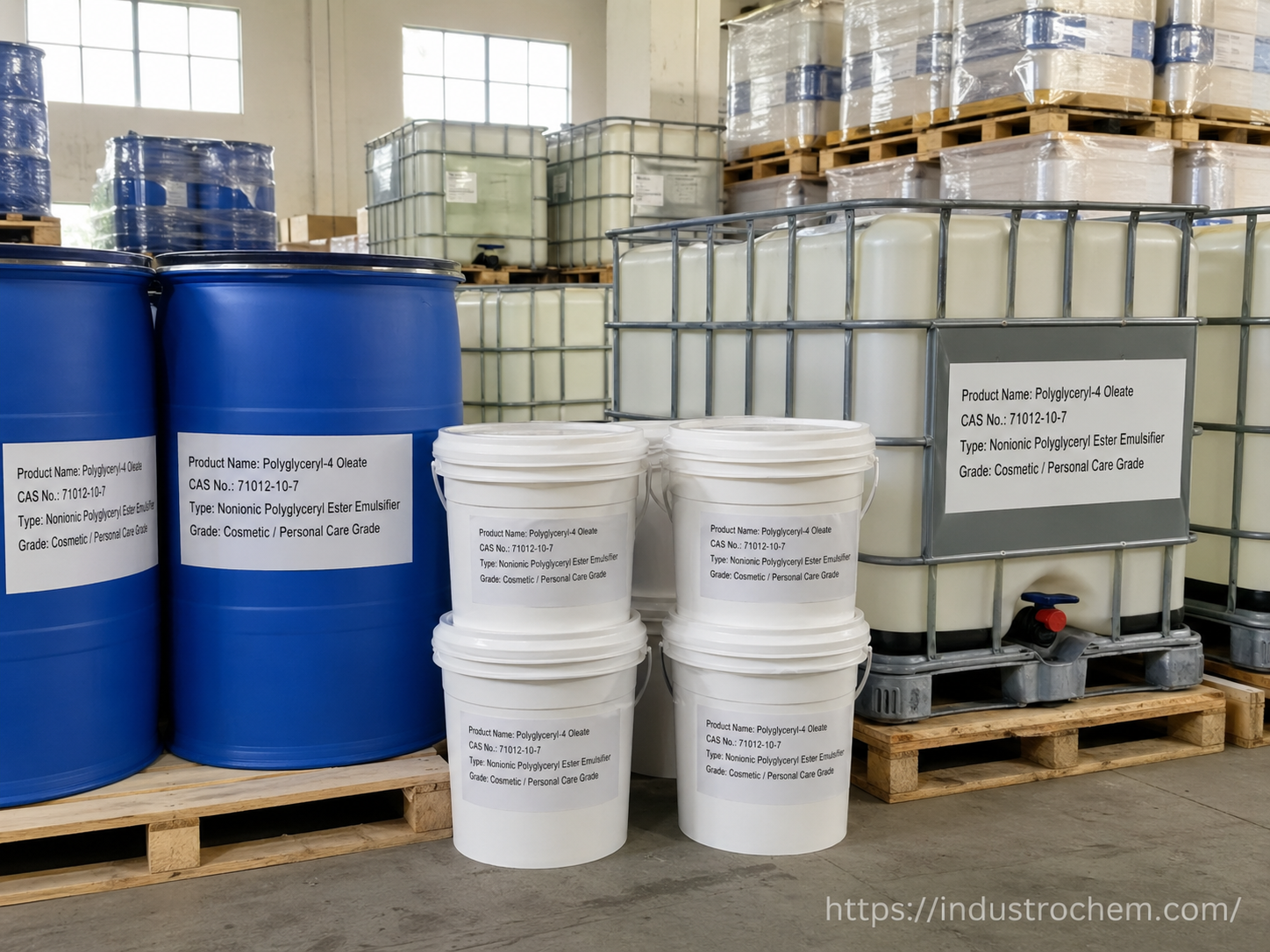
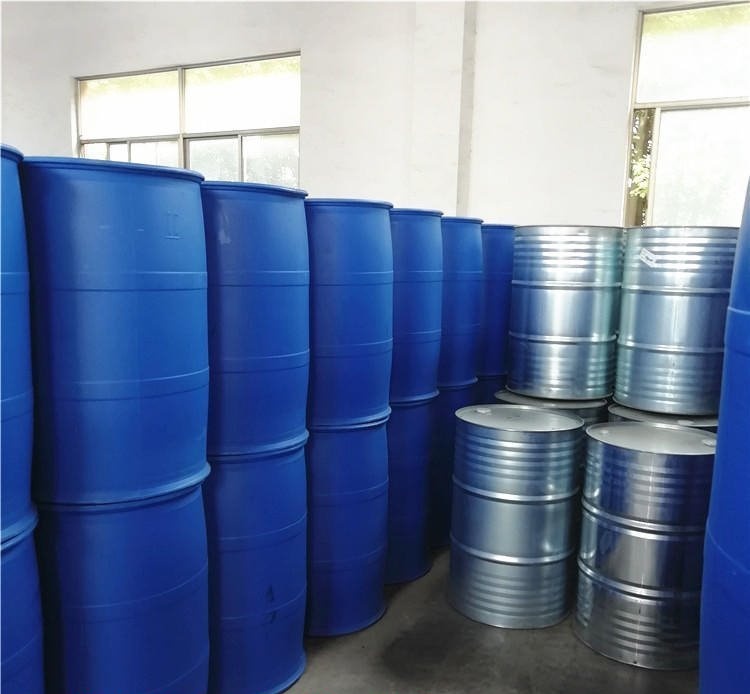
  • Package: 200kg iron drum or 50kg plastic drum packaging
Request a quote
Share:

Product Description

Product Overview

Glycerol Trioleate, also known as Triolein, is supplied as a triglyceride ester based on glycerol and oleic acid. It is more suitable to position this product as an oil-soluble ester raw material rather than as a standalone emulsifier product, because its main value lies in oil-phase compatibility, lubricity, emollient performance, and ester functionality in formulated systems.

This material is commonly applied in personal care oil systems, lubricant and metalworking formulations, specialty ester processing, and research-related lipid applications. Technical documents such as COA, TDS, and SDS may be provided according to the supplied grade.

Product Information / Specifications
Product Name Glycerol Trioleate
Synonym Triolein
CAS Number 122-32-7
EINECS 204-534-7
Molecular Formula C57H104O6
Product Identity Triglyceride ester / oleic acid glyceride
Primary Functions Emollient, lubricant base, oil-phase raw material, specialty ester ingredient
Documentation COA, TDS, and SDS may be provided according to the supplied grade
Physical & Chemical Properties
Appearance Colorless to pale yellow transparent oily liquid
Melting Point Approximately -4°C to -5°C
Density Approximately 0.915 g/mL at 15°C
Solubility Soluble in ether, chloroform, and similar organic solvents; insoluble in water
Chemical Stability Stable under normal handling and storage conditions when protected from strong oxidizers and excess heat
Applications
  • Suitable for personal care and cosmetic oil-phase systems where emollient character and spreading performance are required.
  • Used in lubricant, metalworking, and specialty ester systems requiring biodegradable oily raw materials and lubricity support.
  • Applied in formulation development as an oil-soluble glyceride component for hydrophobic compatibility.
  • Suitable for lipid-related research and biotechnology work where triolein is used as a reference or model triglyceride material.
  • Used in specialty chemical processing where triglyceride ester structure is required as a raw material or functional oil component.
Packaging

Standard packaging may be supplied in 200 kg iron drums, 50 kg plastic drums, or other industrial packaging formats according to grade and shipment arrangement.

Packaging type and net weight may vary depending on export handling, storage requirements, and order specification.

Storage Conditions
  • Store sealed in a cool, dry, and well-ventilated place.
  • Protect from direct sunlight, fire sources, and excessive heat.
  • Keep away from strong oxidizing materials.
  • Shelf life may vary by packaging and storage condition; sealed storage under suitable conditions is recommended.
Safety Precautions
  • Handle in a well-ventilated area.
  • Avoid unnecessary contact with eyes, skin, and clothing.
  • Use appropriate protective gloves, eye protection, and standard industrial handling measures.
  • Refer to the current SDS before storage, transport, handling, or formulation use.
FAQ
1. What is Glycerol Trioleate used for?
It is used as an oil-phase triglyceride ester in personal care, lubricant, specialty chemical, and research-related applications.
2. Is Triolein the same as Glycerol Trioleate?
Yes. Triolein is a commonly used synonym for Glycerol Trioleate.
3. Is CAS 122-32-7 correct for this product?
Yes. CAS 122-32-7 is associated with Glycerol Trioleate / Triolein.
4. Is this product better described as an emulsifier or as an ester raw material?
It is generally more accurate to position it as a triglyceride ester raw material or oil-phase ingredient rather than as a standalone emulsifier product.
5. In which industries can this product be applied?
It can be applied in personal care, specialty lubricants, lipid research, and related specialty chemical formulations.
6. What packaging is usually available?
It is commonly supplied in industrial drum packaging, with exact packaging depending on grade and shipment arrangement.
7. What technical documents may be provided?
COA, TDS, and SDS may be provided according to the supplied grade and order requirements.
8. What should be considered during storage and handling?
The product should be kept sealed, stored away from heat and oxidizers, and handled according to the applicable SDS and plant safety procedures.

FAQ - Technical & Supply Chain

Documents

Documents and Product Support

For product review and sourcing evaluation, supporting documents can be coordinated according to the product type, inquiry stage, and order requirements.

  • COA for batch-based quality reference
  • TDS for key physical and chemical information
  • SDS / MSDS for handling, storage, and safety reference
  • Packing information for sample, trial, and bulk orders
  • Technical communication based on application and specification requirements
Quotation

Information to Confirm Before Quotation

Clear sourcing information helps reduce specification mismatch and allows a more accurate quotation before sample or bulk order discussion.

  • Product name and CAS number
  • Application or intended end use
  • Required purity, grade, or specification
  • Sample quantity, trial order, or bulk demand
  • Preferred packing form or net weight
  • Destination country or port
  • Required documents or compliance expectations
Storage & Handling

Packaging, Storage, and Handling Notes

Packaging form, storage conditions, shelf life, and shipment arrangements should be confirmed according to the product characteristics, package size, and destination requirements.

Before order confirmation, buyers are advised to review the corresponding product documents and confirm whether any special storage, labeling, or handling requirements apply.

Supply Support

Sample, Bulk Order and Repeat Supply Support

Support can be arranged for sample discussion, bulk supply planning, packaging confirmation, and routine sourcing communication based on the actual product and order requirements.

For repeat-use formulations or long-term procurement plans, buyers may discuss specification consistency, packaging preferences, delivery expectations, and document coordination in advance.

Contact Form

Use our contact form to send us your questions, suggestions or comments. We will respond as soon as possible.