Chemical products
  • PEG 600 Dioleate (Polyethylene Glycol Dioleate) CAS 9005-07-6
  • PEG 600 Dioleate (Polyethylene Glycol Dioleate) CAS 9005-07-6
  • PEG 600 Dioleate (Polyethylene Glycol Dioleate) CAS 9005-07-6

PEG 600 Dioleate (Polyethylene Glycol Dioleate) CAS 9005-07-6

PEG 600 Dioleate (CAS 9005-07-6), also called polyethylene glycol 600 dioleate, is a nonionic oleic-acid ester product made from nominal PEG 600. It is used as an emulsifier and lubricity additive in metalworking fluids, industrial emulsions and coatings, and as a component in compatible foam-control formulations. Commercial grades differ in PEG-chain and ester-composition distributions. COA (Certificate of Analysis), TDS (Technical Data Sheet) and SDS (Safety Data Sheet) are available for specification and handling information.

  • CAS: 9005-07-6
  • Synonyms: PEG 600 Dioleate; PEG600DO; Polyethylene glycol 600 dioleate; Polyoxyethylene dioleate (nominal PEG 600 grade); O,O'-Dioleoyl polyethylene glycol (nominal PEG 600 grade)
  • Molecular Formula: Commercial PEG-chain and ester-composition distribution; no single molecular formula. The ideal dioleate homologue has the formula C36H66O3(C2H4O)n, where n denotes the number of oxyethylene repeat units; this does not describe every component of the commercial product.
  • Grade: Industrial PEG 600 dioleate; acid, saponification and hydroxyl values, water, appearance and application-specific requirements are specified for the quoted grade.
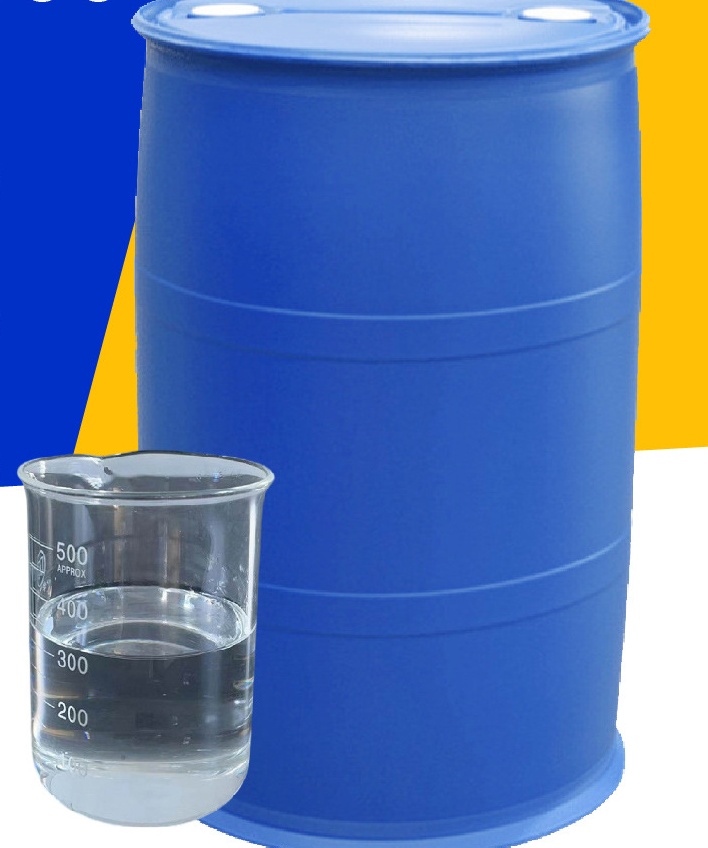
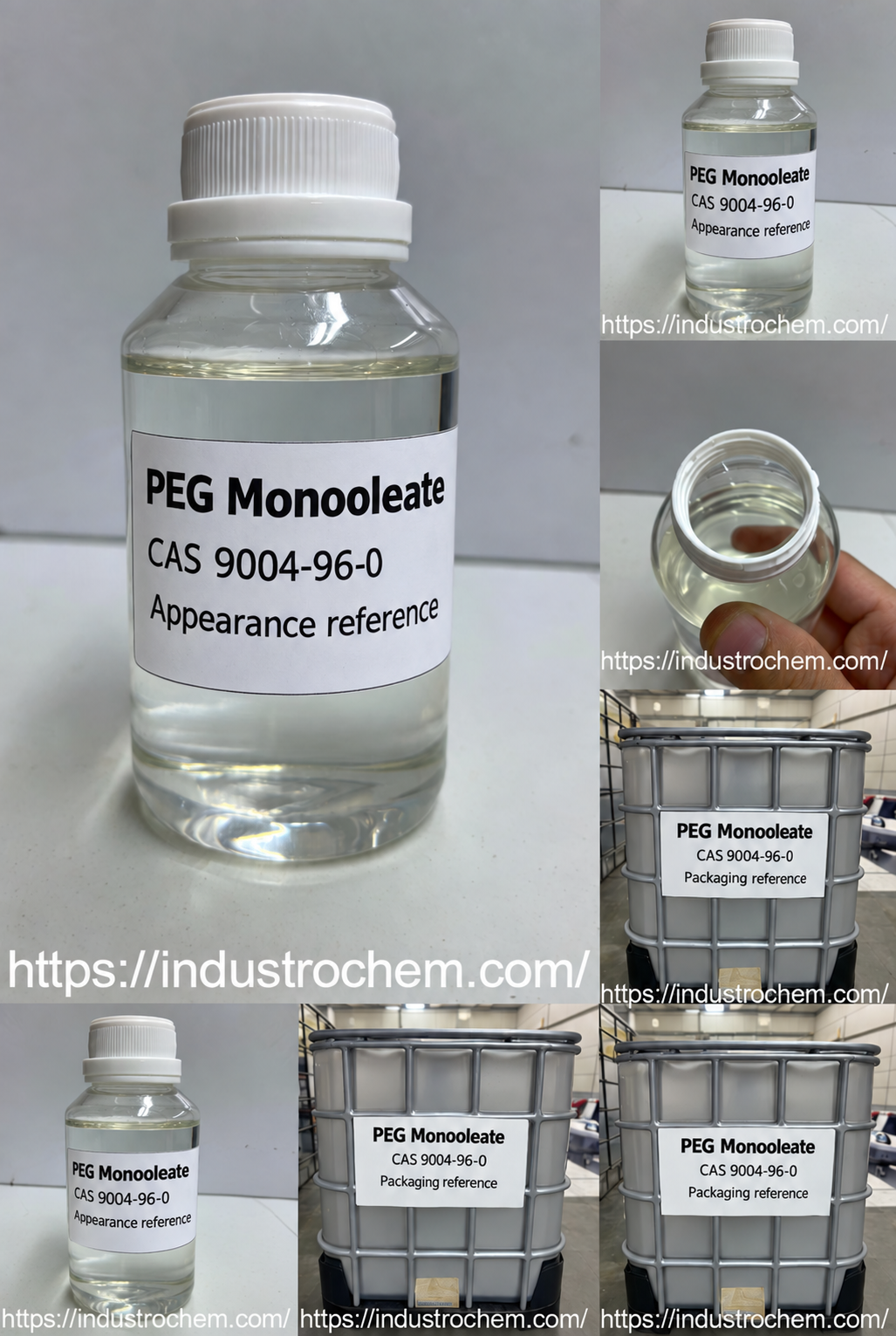
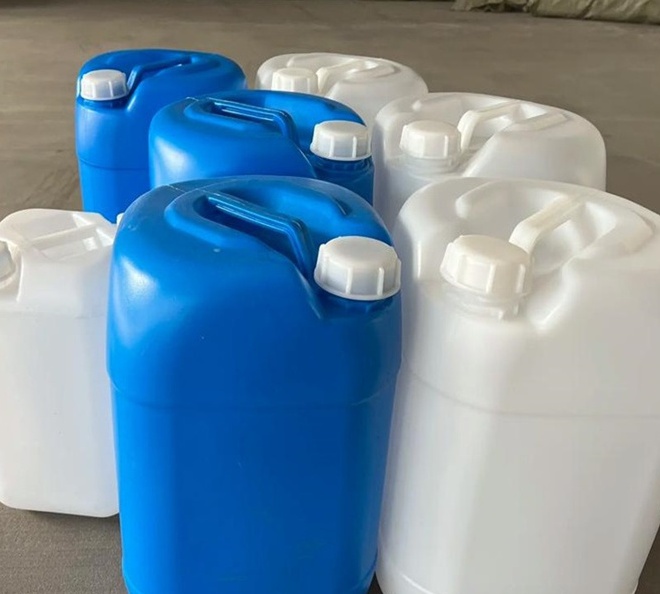
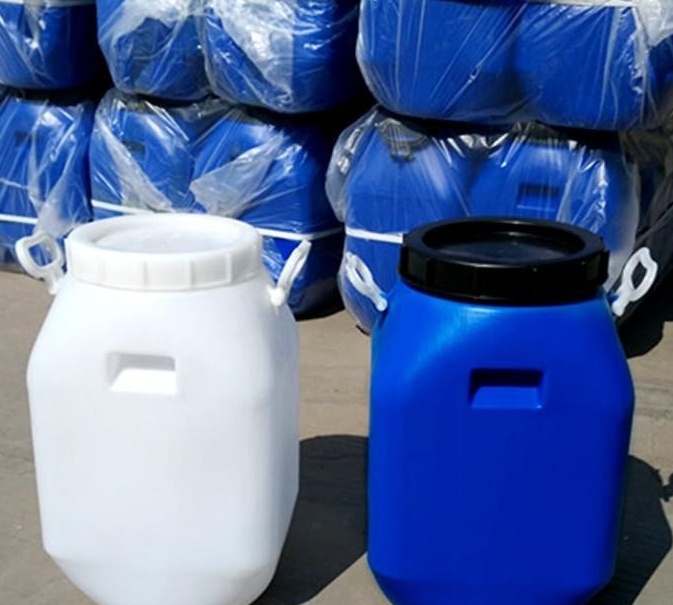
  • Package: Drum or bulk packaging; net weight and container requirements are specified with the quotation.
  • ECHA List No.: 618-407-2
Request a quote
Share:

Product Description

Technical Specifications

Property Specification Basis
Product Identity Nonionic polyethylene glycol oleic-acid diester product based on nominal PEG 600; CAS 9005-07-6.
Composition Commercial PEG-chain and ester-composition distribution; a product name or CAS number does not specify the monoester, diester or free-PEG proportions.
Meaning of PEG 600 The PEG starting material has a nominal average molar mass of about 600 g/mol. This is not 600 ethylene oxide units or the fixed molar mass of the finished ester.
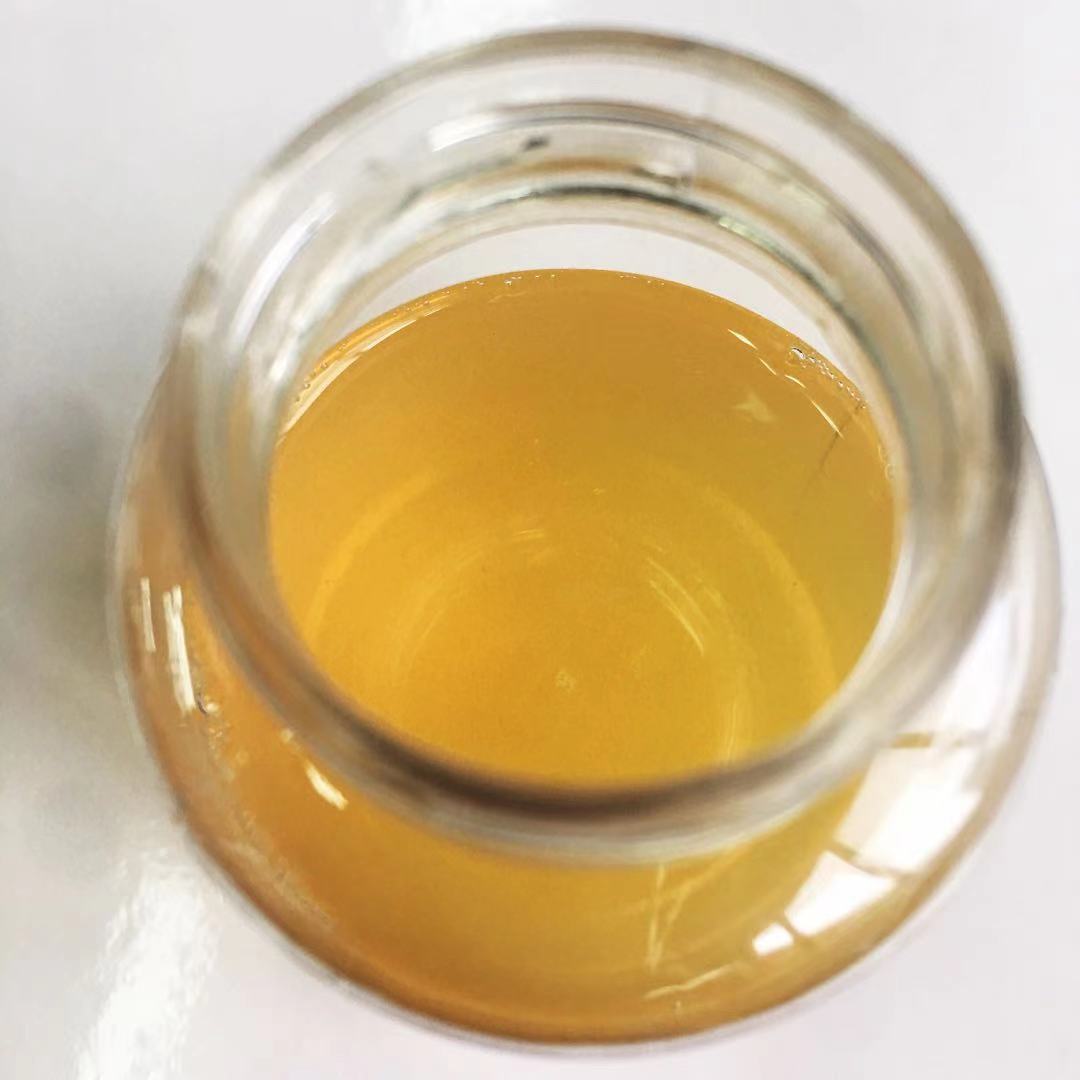
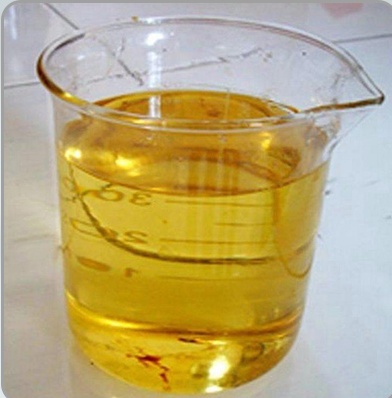
Physical Form Typically liquid at ambient handling temperatures; colour, viscosity and low-temperature flow depend on grade and test conditions.
Quality Controls Acid, saponification and hydroxyl values in mg KOH/g; Karl Fischer water in % w/w; iodine value in g I2/100 g where specified. Methods, sample basis and limits are stated for the quoted grade.
Dispersion and Compatibility Water dispersibility depends on PEG-chain distribution, ester profile, temperature and formulation; it does not mean unrestricted water solubility.
HLB and Formulation Selection Use the grade-specific HLB and dispersion behaviour as selection references. Emulsion type, dosage and performance depend on the full formulation and operating conditions.

Applications and Grade Selection

PEG 600 dioleate is used as an emulsifier and lubricity additive in metalworking and industrial emulsion formulations. It can also serve as an emulsifying component in coatings and foam-control blends. Agrochemical emulsification or dispersion requires a suitable grade and compatibility testing in the complete formulation.

PEG 400 dioleate uses a shorter nominal PEG starting chain. PEG 400 monooleate differs in both PEG-chain size and esterification class, while PEG monooleate covers grades with different PEG-chain and monoester/diester profiles. These are formulation comparisons, not automatic one-to-one replacements.

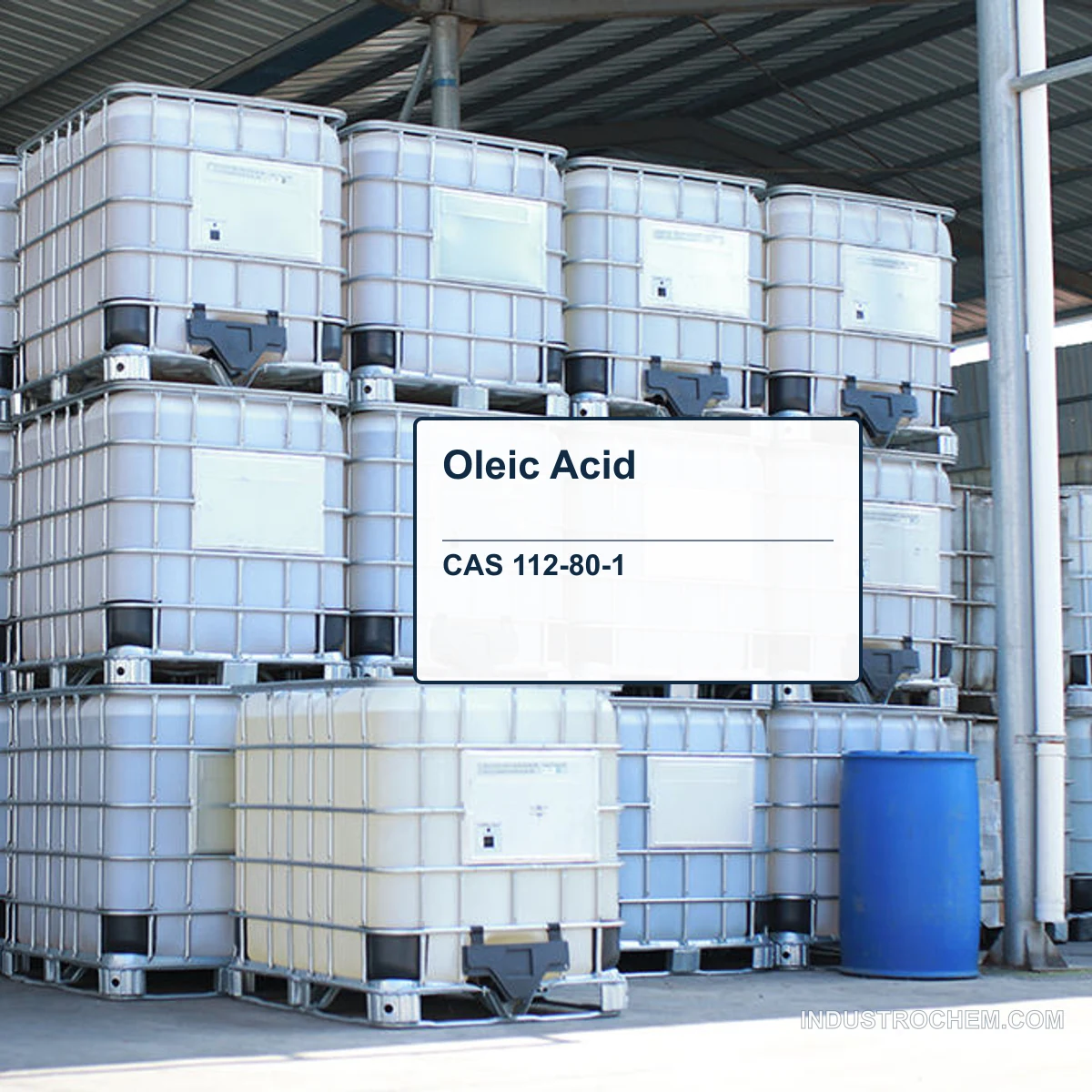
Oleic acid is the fatty-acid feedstock for this ester family. Its fatty-acid profile influences the resulting ester composition; free oleic acid is not a replacement for the PEG ester product.

Quality Data and Composition Analysis

Acid, saponification and hydroxyl values are bulk chemical indices determined by suitable titration methods. They help compare grades but do not individually measure the mass fractions of diester, monoester or free PEG. Karl Fischer analysis determines water content; iodine value can be included where unsaturation is relevant to the specification.

LC/HPLC composition profiles can be provided for comparisons of ester components. Quantitative composition results need a method validated for the offered grade, with the detector, calibration and reporting basis stated; normalized peak area is not automatically the mass percentage of dioleate.

Storage and Handling

Keep the product tightly closed in a compatible container in a cool, dry, ventilated place. Protect it from moisture, contamination, excessive heat and strong oxidants. The supplied TDS and SDS specify grade-specific storage and handling conditions; the shelf-life and any warming instructions apply to the delivered grade.

Safety / Regulatory

Use suitable gloves and eye protection, control spills and follow the supplied SDS and local transport, wastewater and disposal requirements. Cosmetic, food-contact or other regulated uses require the appropriate grade and supporting documentation.

FAQ - Technical & Supply Chain

  • Q:

    Does PEG 600 Dioleate have one fixed molecular formula or a single purity value?

    A: No single molecular formula describes the whole commercial product. PEG 600 dioleate contains a distribution of PEG chains and ester components. A purity or composition result is meaningful only when the measured component, method and reporting basis are defined; acid, saponification and hydroxyl values do not by themselves give the diester mass percentage.
  • Q:

    Can PEG 600 Dioleate be replaced directly with PEG 400 Dioleate?

    A: Not automatically. The grades use different nominal PEG starting chains and may differ in ester composition, HLB and water-dispersion behaviour. Compare the agreed quality specification and performance in the full formulation. A shared CAS number does not establish direct interchangeability.
  • Q:

    What does the number 600 mean in PEG 600 Dioleate?

    A: It identifies the nominal average molar mass of the PEG starting material, about 600 g/mol. It does not mean 600 ethylene oxide units, and it is not the fixed molar mass of the finished dioleate. PEG 600 itself and PEG 600 dioleate are different products.

Ordering & Documentation

Key information for document requests, quotations, and supply planning.

Documents

Tell us which documents your procurement team needs. Before an order, we will check whether the quoted source can provide them for the offered lot.

Quotation

Send the CAS number, grade, quantity, packing preference and destination.

Sample & Supply

Ask whether samples, trial quantities or repeat orders are possible. We will check each request against the sourced product and current offer.

Storage & Shipping

Product-specific conditions are confirmed before order.

Contact Form

Use our contact form to send us your questions, suggestions or comments. We will respond as soon as possible.
For a quotation, please include the product name or CAS number, quantity, grade or application, and destination country or port. Tell us if you need a sample, COA, TDS or SDS.