









Polyethylene Glycol 400 Monooleate is a nonionic surfactant classified as an industrial ingredient used in nonionic surfactant formulations. It is formed by esterification of polyethylene glycol with an oleic acid moiety, resulting in a polymeric amphiphilic structure that provides surface activity through interfacial tension reduction and phase stabilization, with the CAS number 9004-96-0 identifying this substance group. This material is typically applied in industrial chemical formulations where emulsification or solubilization is required during formulation or processing stages. Regarding supply and documentation support, it is available with competitive factory pricing, customized specifications, complete documentation including MSDS, TDS, COA, and supports bulk supply for industrial use.
Polyethylene Glycol 400 Monooleate CAS 9004-96-0
- CAS: 9004-96-0
- Synonyms: PEG 400 monooleate, Polyoxyethylene oleate, Polyethylene glycol oleate, PEG oleate
- Einecs: 500-016-2
- Molecular Formula: C₂₈H₅₄O₇
- Grade: 99%
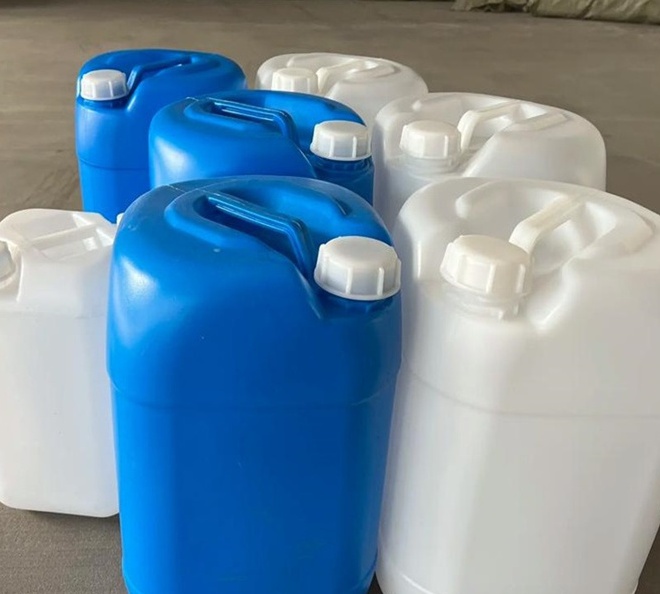
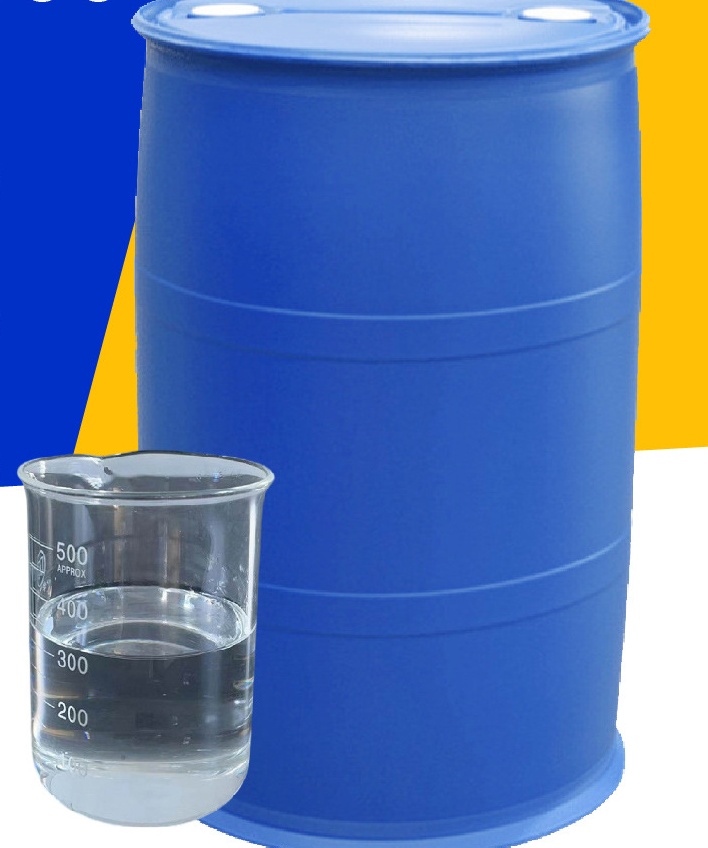
- Package: 200kg iron drum or 50kg plastic drum packaging
Product Description
Physicochemical properties
| Property | Description |
|---|---|
| Molecular Weight | Approximately 400-600 (depending on n) |
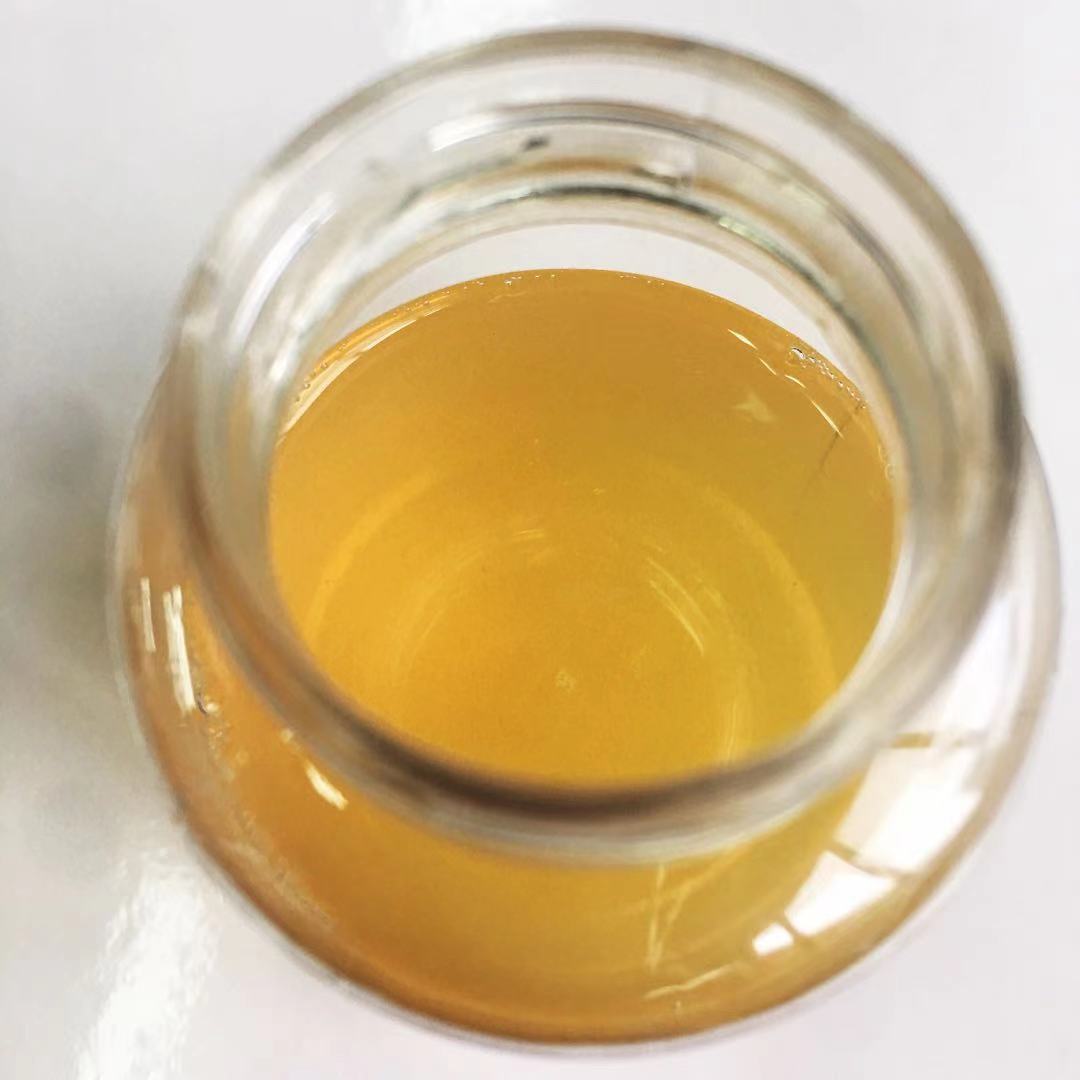
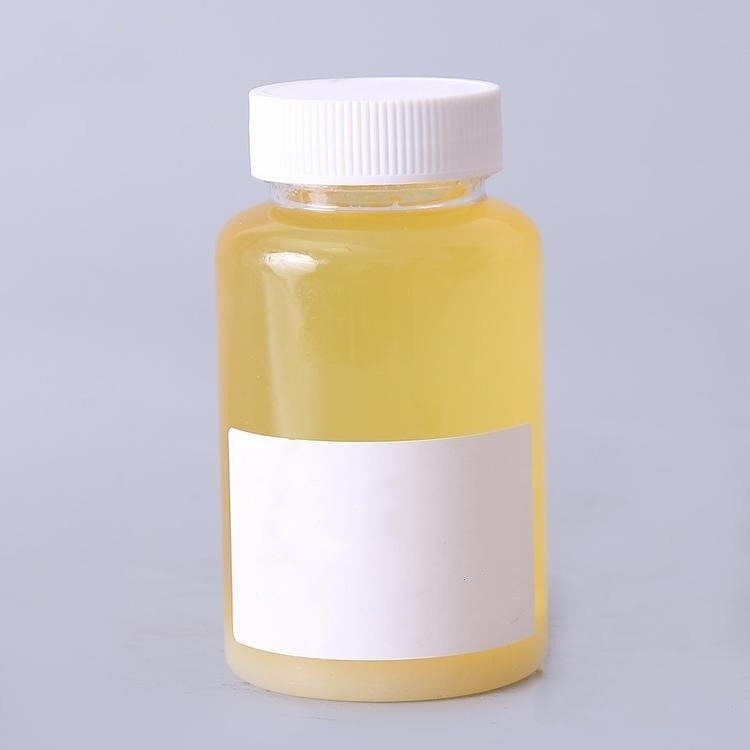
| Appearance | Light yellow to brown viscous liquid |
| Density | 0.924-1.034 g/cm³ (at 25℃) |
| Boiling Point | >260℃ (lit.) |
| Flash Point | 113-165℃ |
| Solubility | Soluble in toluene, ethanol, and acetone; dispersible in water |
| Viscosity | Not specified (varies with temperature and concentration) |
| Hydrophilic-Lipophilic Balance (HLB) Value | 11-15.1 (indicating good emulsifying properties for O/W emulsions) |
| Stability | Stable under normal conditions; avoid contact with strong oxidizing agents |
| Refractive Index | 1.468 (at 20℃) |
| pH (50 g/L aqueous solution, 25℃) | Not specified (but typically neutral to slightly acidic) |
Application Areas
Industrial lubricants, degreasing agents, and plastic sol viscosity stabilizers.
Preparation of textile softener, antistatic agent, and dry cleaning agent.
Oil based cutting fluid balance emulsifier, metal processing lubricant additive.
Storage conditions
Temperature: The temperature of the storage tank should be controlled between 30-80 ℃ (if it is in barrels, it is recommended to store it in a cool, dry, and low-temperature warehouse to avoid decomposition caused by high temperatures).
Packaging: Iron drums (20kg, 200kg) or specialized tank trucks, sealed and stored to prevent air and moisture from entering.
Environment: Well ventilated, away from sources of fire, heat, and oxidants (such as strong acids and alkalis).
Light exposure: Avoid direct sunlight, it is recommended to use brown bottles or opaque materials for packaging.
Safety precautions
Personal protection: Wear safety goggles, anti-static work clothes, and rubber gloves during operation.
Operation standard: Handle with care to prevent collision or leakage.
Fire fighting measures: extinguishing medium: dry powder, carbon dioxide, foam extinguisher.
Disposal: Refer to local regulations and entrust to professional institutions for disposal to avoid arbitrary disposal.
FAQ - Technical & Supply Chain
-
Q:
Do PEG 400 monooleate and polyethylene glycol oleate correspond to the same CAS number?
A: Yes. These names are commonly used for the same polyethylene glycol monooleate substance category and correspond to CAS 9004-96-0. -
Q:
Is Polyethylene Glycol 400 Monooleate intended for industrial formulation use rather than laboratory research?
A: This material is typically used as an industrial ingredient within formulated systems, where it functions as a nonionic surfactant during production or processing operations.
Documents and Product Support
For product review and sourcing evaluation, supporting documents can be coordinated according to the product type, inquiry stage, and order requirements.
- COA for batch-based quality reference
- TDS for key physical and chemical information
- SDS / MSDS for handling, storage, and safety reference
- Packing information for sample, trial, and bulk orders
- Technical communication based on application and specification requirements
Information to Confirm Before Quotation
Clear sourcing information helps reduce specification mismatch and allows a more accurate quotation before sample or bulk order discussion.
- Product name and CAS number
- Application or intended end use
- Required purity, grade, or specification
- Sample quantity, trial order, or bulk demand
- Preferred packing form or net weight
- Destination country or port
- Required documents or compliance expectations
Packaging, Storage, and Handling Notes
Packaging form, storage conditions, shelf life, and shipment arrangements should be confirmed according to the product characteristics, package size, and destination requirements.
Before order confirmation, buyers are advised to review the corresponding product documents and confirm whether any special storage, labeling, or handling requirements apply.
Sample, Bulk Order and Repeat Supply Support
Support can be arranged for sample discussion, bulk supply planning, packaging confirmation, and routine sourcing communication based on the actual product and order requirements.
For repeat-use formulations or long-term procurement plans, buyers may discuss specification consistency, packaging preferences, delivery expectations, and document coordination in advance.