• Octylphenol Ethoxylate CAS 9036‑19‑5
  • Octylphenol Ethoxylate CAS 9036‑19‑5

Octylphenol Ethoxylate CAS 9036‑19‑5

Octylphenol Ethoxylate (OP-15) (CAS 9036-19-5) is a nonionic surfactant produced by ethoxylation of octylphenol with approximately 15 moles of ethylene oxide (EO). It has an HLB value of approximately 15, indicating strong hydrophilicity and suitability for oil-in-water (O/W) emulsions.

The product appears as a milky white to light yellow paste or solid at 25°C. It is easily soluble in water and miscible with various organic solvents including benzene, toluene, and xylene. Its cloud point is 94-99°C, reflecting good thermal stability in aqueous systems.

OP-15 is widely used as an emulsifier and dispersant in pesticides and coatings, as a wetting agent and solubilizer in oilfield chemistry, as a detergent base in household and industrial cleaning products, and as a scouring and leveling agent in textile processing.

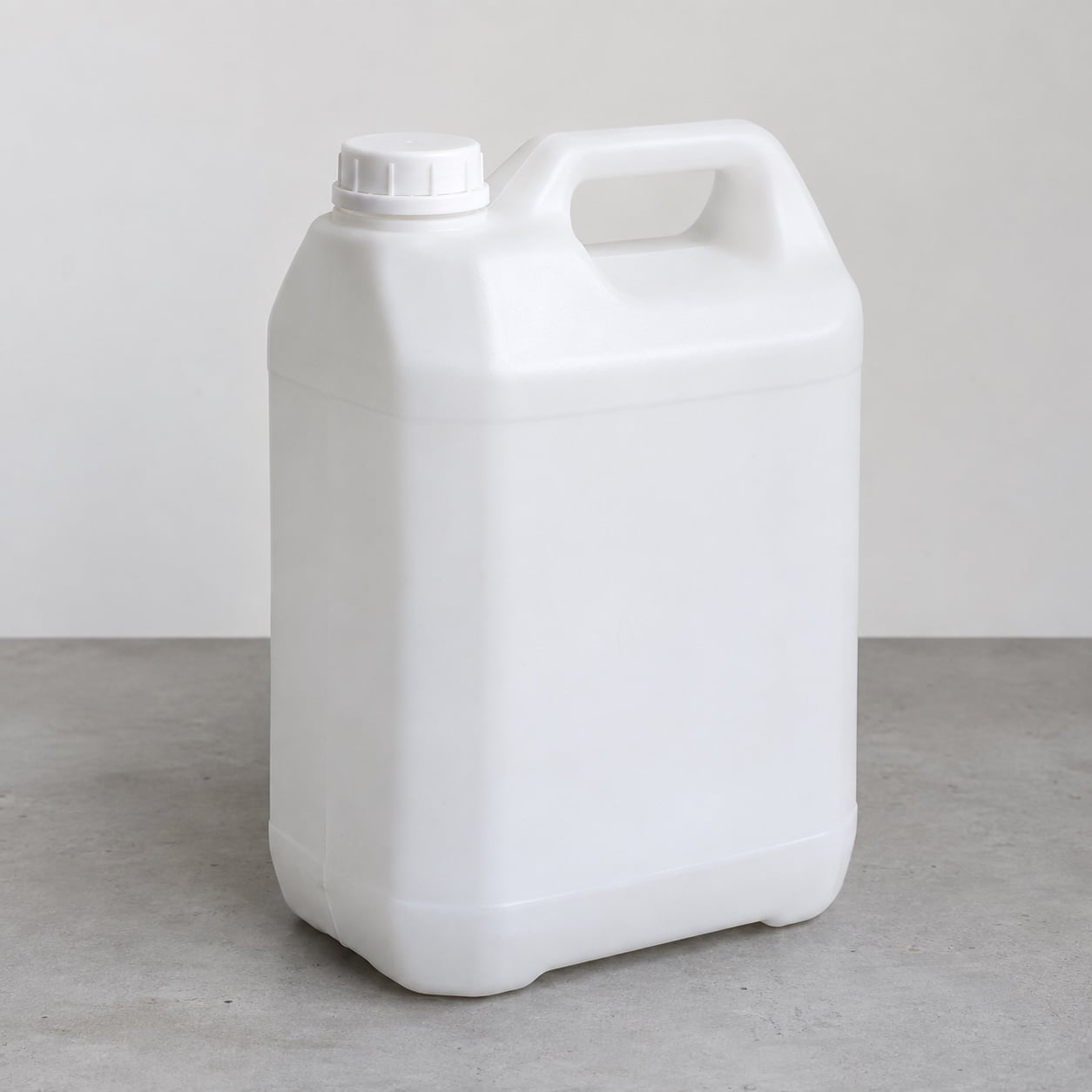
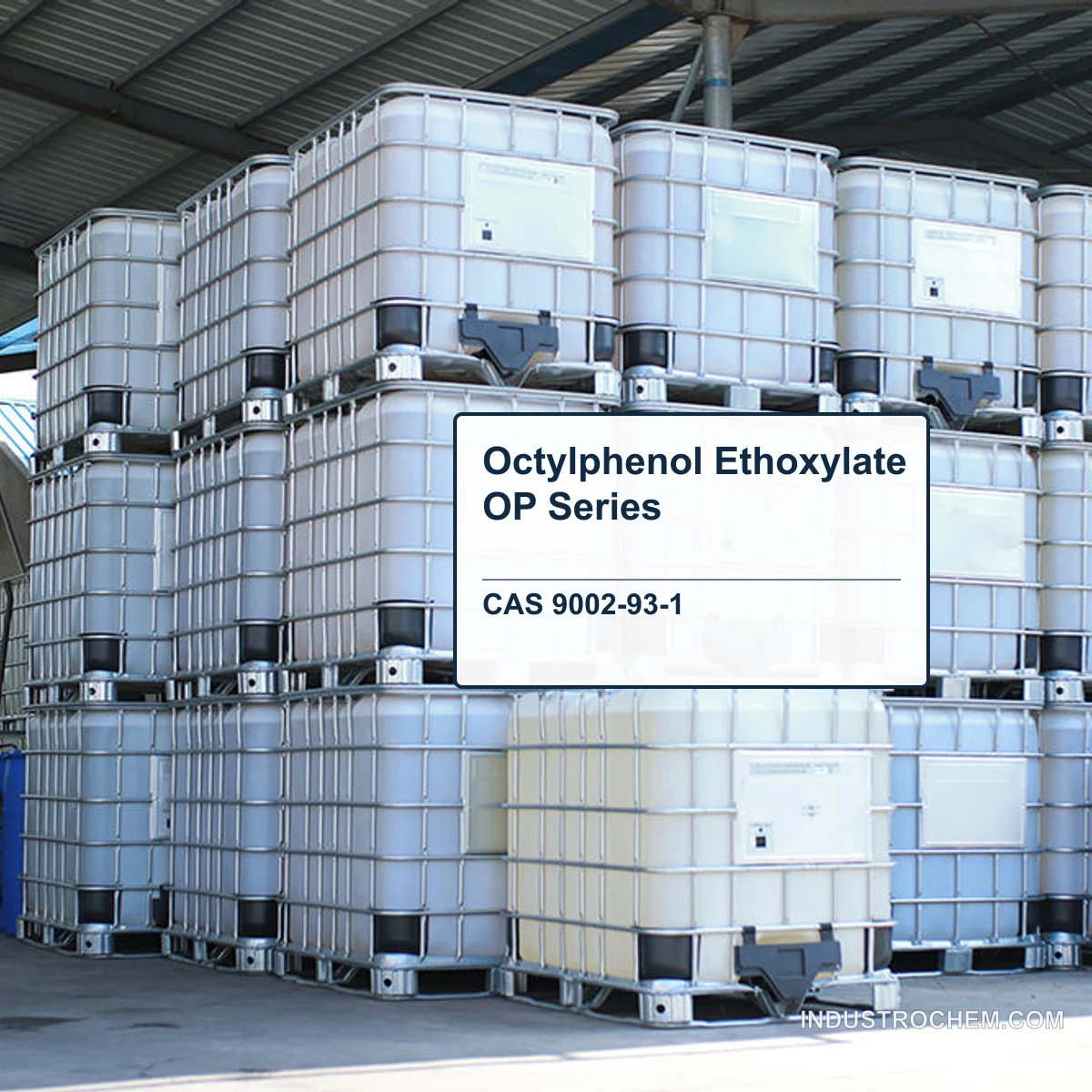
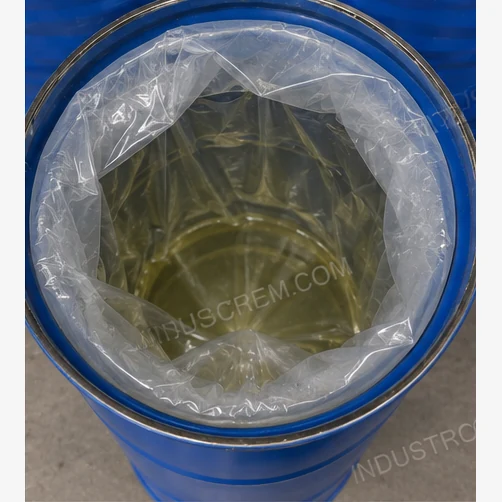
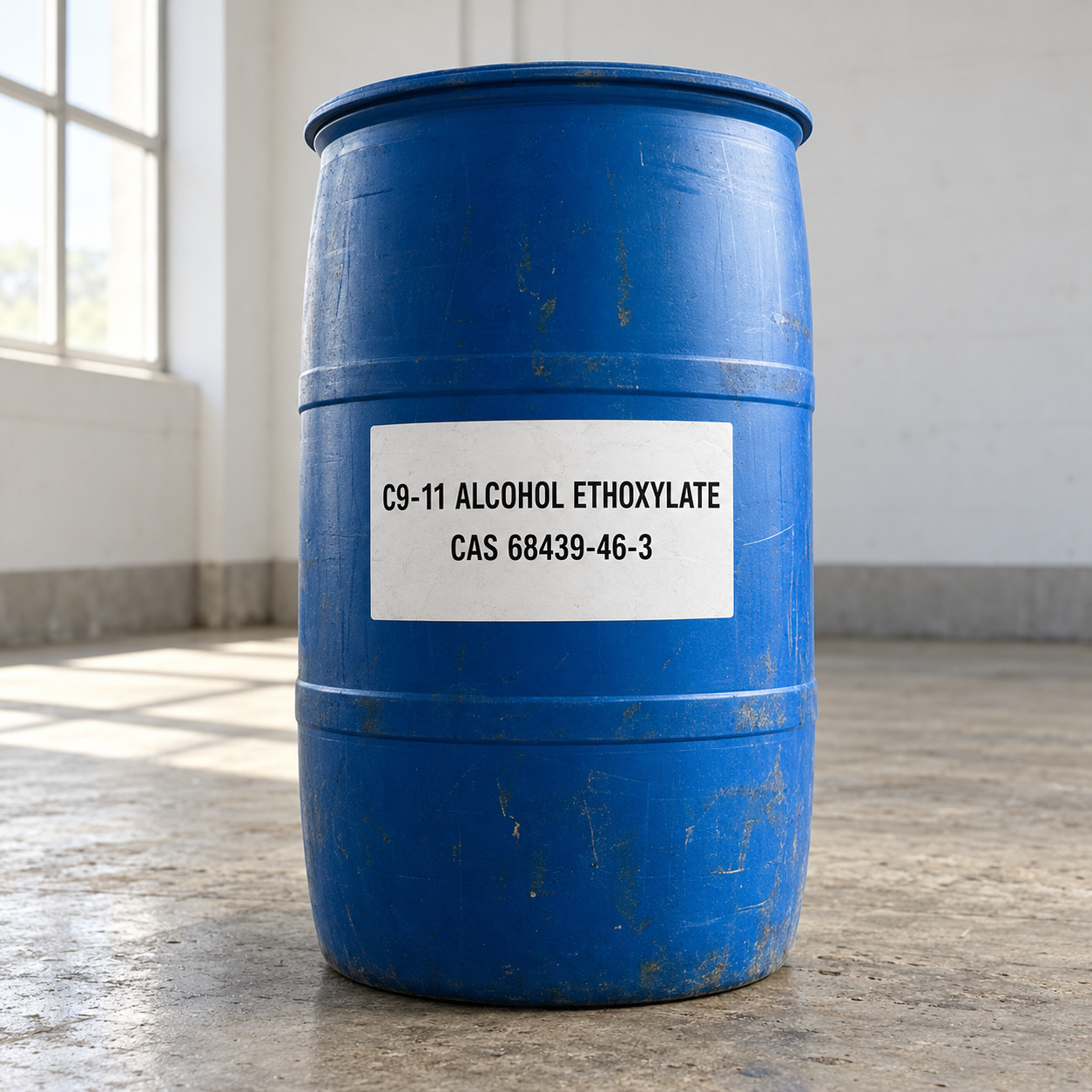
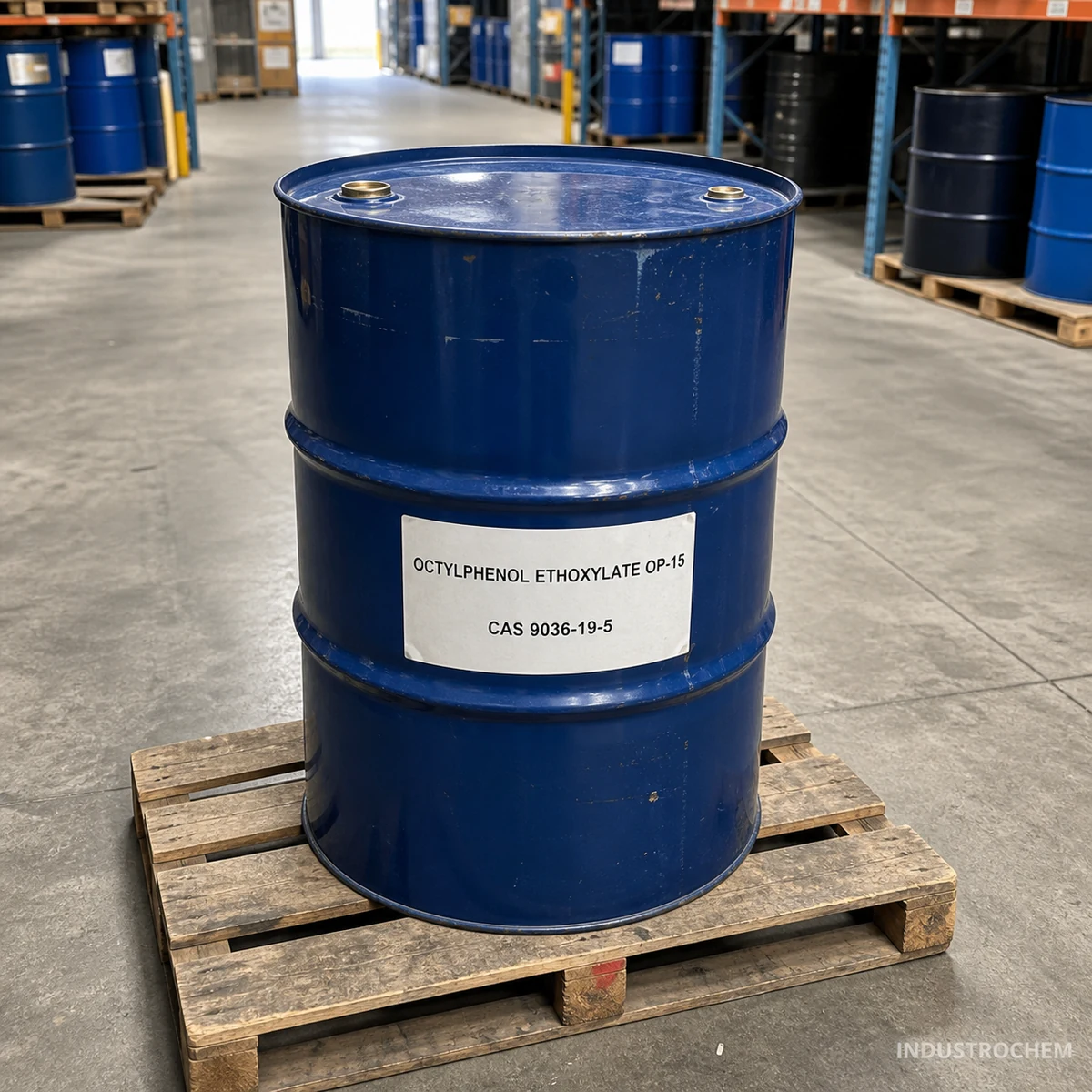
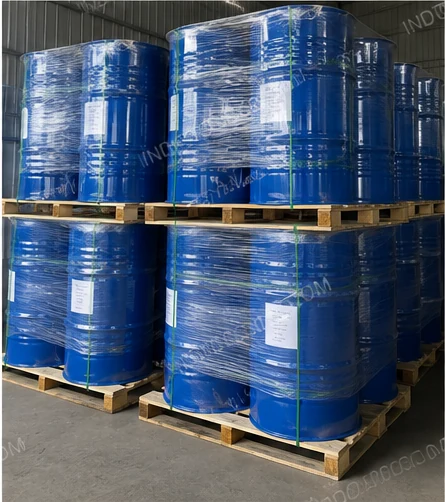
Complete technical documentation including COA, TDS, and SDS is available upon request. Packed in 200kg iron drums or 50kg plastic drums, stored in a cool, dry place away from strong oxidants.

  • CAS: 9036-19-5
  • Synonyms: Octylphenol Ethoxylate, OP-15, Alkylphenol Ethoxylate, Nonionic Surfactant
  • Einecs: 500-016-5
  • Molecular Formula: C28H50O8
  • Grade: 99%
  • Package: 200kg iron drum or 50kg plastic drum packaging
Request a quote
Share:

Product Description

Physicochemical properties

PropertyDescription
AppearanceMilky white to light yellow paste or solid (at 25℃)
SolubilityEasily soluble in water; miscible with various organic solvents (e.g., benzene, toluene, xylene)
pH Value (1% aqueous solution)5.0-7.0
HLB ValueApproximately 15 (indicating strong hydrophilicity, suitable for O/W emulsions)
Cloud Point (1% solution)94-99℃ (reflecting stability at elevated temperatures)
Hydroxyl Value65±3 mgKOH/g (indicating the hydroxyl group content, affecting emulsification performance)
Moisture Content≤1.0%
StabilityStable to acids, alkalis, salts, and hard water; sensitive to strong oxidants
Surface Tension (0.1% solution)Approximately 35-45 mN/m (reflecting its ability to reduce surface tension)

Application Areas

Pesticides and Coatings: Used as emulsifiers and dispersants to enhance drug efficacy or coating stability.
Oilfield chemistry: used as emulsifiers, solubilizers, and wetting agents to improve drilling fluid performance
Detergent: As the main active ingredient in liquid detergents and laundry detergents, it provides stain removal and emulsification functions.
Textile industry: used as a wool degreaser, fabric cleaner, and leveler to improve dyeing uniformity.
Industrial cleaning: used for cleaning metal processing fluids, electroplating fluids, and electronic components to remove oil stains and impurities.

Storage conditions

Environment
Temperature: Store at room temperature (usually 10-30 ℃), avoid high temperature environments (such as outdoor storage in summer or near heat sources), and prevent product deterioration.
Humidity: Store in a dry and ventilated place, with humidity controlled at ≤ 60% to prevent moisture absorption, clumping, or degradation.
Light exposure: Avoid direct sunlight, it is recommended to use a light shielded container or store in a cool warehouse.
Packaging requirements
Sealing: Packaged in 200kg iron drums or 50kg plastic drums to prevent air, moisture, or impurities from entering.
Clear labeling: The packaging should indicate the product name, specifications, production date, shelf life, and safety warning information.

‌‌Safety precautions

Non flammable: Emulsifier OP-15 is not flammable, but it should still be kept away from sources of fire, high-temperature surfaces, and open flames to prevent the combustion of other combustibles.
Electrostatic protection: During handling or dumping, it is recommended to use anti-static equipment or grounding devices to avoid generating static sparks.
Protective equipment: In poorly ventilated environments, it is recommended to wear dust masks or half face respirators.

FAQ - Technical & Supply Chain

  • Q:

    What is Octylphenol Ethoxylate (OP-15) and what are its key properties?

    A: Octylphenol Ethoxylate (OP-15) CAS 9036-19-5 is a nonionic surfactant with 15 moles of ethylene oxide (EO). It has an HLB value of approximately 15, indicating strong hydrophilicity and suitability for O/W (oil-in-water) emulsions. It appears as a milky white to light yellow paste or solid at 25°C and is easily soluble in water and miscible with various organic solvents.
  • Q:

    What is the HLB value of OP-15 and why does it matter?

    A: OP-15 has an HLB value of approximately 15, which classifies it as a strongly hydrophilic surfactant suitable for oil-in-water (O/W) emulsification systems. Its cloud point is 94-99°C, reflecting good thermal stability. The high HLB makes OP-15 effective as an emulsifier, dispersant, and wetting agent in aqueous formulations.
  • Q:

    How does OP-15 differ from other Octylphenol Ethoxylates like OP-10 or OP-40?

    A: OP-15 (15 moles EO) has a longer hydrophilic chain than OP-10/TX-100 (9-10 EO), giving it higher water solubility and cloud point. OP-40 (40 moles EO) has the longest EO chain, offering the highest water solubility and different emulsification performance. The choice depends on the required HLB value for your specific formulation system.
  • Q:

    What are the main applications of OP-15 in industrial formulations?

    A: OP-15 is widely used as an emulsifier and dispersant in pesticides and coatings, as a wetting agent and solubilizer in oilfield chemistry, as a detergent base in household and industrial cleaning products, and as a scouring and leveling agent in textile processing. Its balanced detergency and emulsification make it versatile across multiple industries.
  • Q:

    Is OP-15 compatible with other surfactants and formulation systems?

    A: As a nonionic surfactant, OP-15 is generally compatible with anionic, cationic, and other nonionic surfactants. It is stable to acids, alkalis, salts, and hard water, but sensitive to strong oxidants. Compatibility testing is recommended for specific formulations to optimize performance.
  • Q:

    How should OP-15 be stored and handled?

    A: Store OP-15 in a cool, dry, and well-ventilated area away from direct sunlight and strong oxidants. Keep containers tightly sealed to prevent moisture absorption. At room temperature, OP-15 is a paste or solid; gentle warming may be needed for handling. Standard PPE (gloves, safety goggles) is recommended during handling.
Documents

Documents and Product Support

For product review and sourcing evaluation, supporting documents can be coordinated according to the product type, inquiry stage, and order requirements.

  • COA for batch-based quality reference
  • TDS for key physical and chemical information
  • SDS / MSDS for handling, storage, and safety reference
  • Packing information for sample, trial, and bulk orders
  • Technical communication based on application and specification requirements
Quotation

Information to Confirm Before Quotation

Clear sourcing information helps reduce specification mismatch and allows a more accurate quotation before sample or bulk order discussion.

  • Product name and CAS number
  • Application or intended end use
  • Required purity, grade, or specification
  • Sample quantity, trial order, or bulk demand
  • Preferred packing form or net weight
  • Destination country or port
  • Required documents or compliance expectations
Storage & Handling

Packaging, Storage, and Handling Notes

Packaging form, storage conditions, shelf life, and shipment arrangements should be confirmed according to the product characteristics, package size, and destination requirements.

Before order confirmation, buyers are advised to review the corresponding product documents and confirm whether any special storage, labeling, or handling requirements apply.

Supply Support

Sample, Bulk Order and Repeat Supply Support

Support can be arranged for sample discussion, bulk supply planning, packaging confirmation, and routine sourcing communication based on the actual product and order requirements.

For repeat-use formulations or long-term procurement plans, buyers may discuss specification consistency, packaging preferences, delivery expectations, and document coordination in advance.

Contact Form

Use our contact form to send us your questions, suggestions or comments. We will respond as soon as possible.