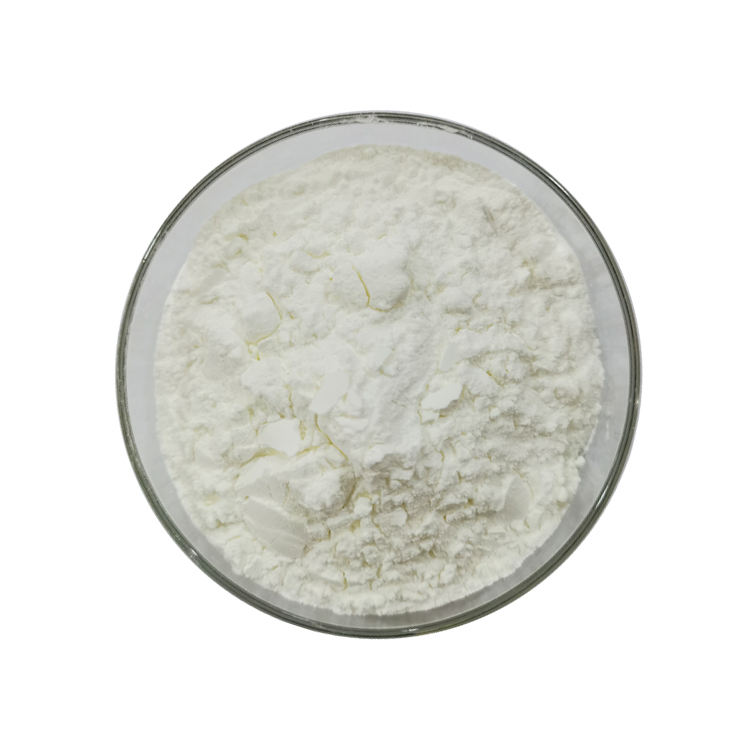










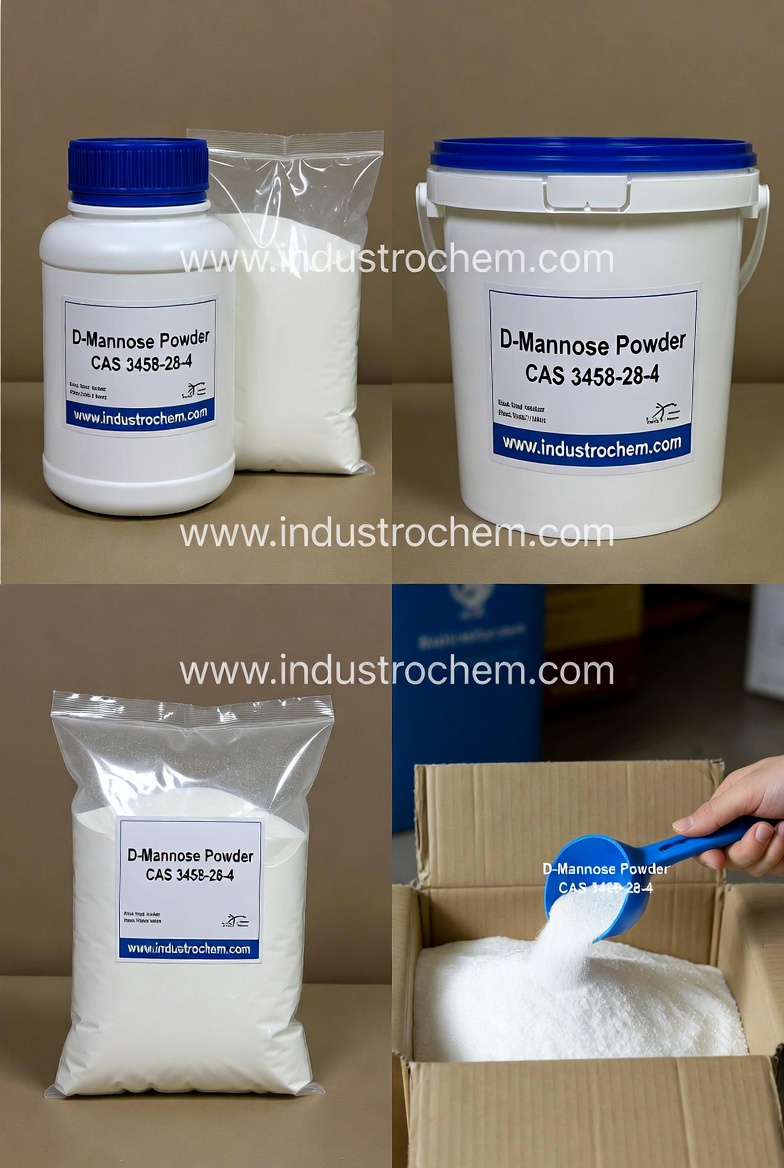
D-Mannose CAS 3458-28-4 is a naturally occurring simple sugar chemically defined as the C-2 epimer of D-glucose , functioning primarily as a bioactive ingredient in dietary supplement formulations and a texturizing sweetener in functional food processing. Also known as Carubinose or Seminose, this monosaccharide is utilized to inhibit bacterial adhesion in urinary tract health products and serves as a precursor in the biochemical synthesis of complex glycoproteins. We provide professional access to this material with competitive factory pricing and the ability to meet customized specifications for various manufacturing requirements. Our commitment to technical transparency ensures that every shipment is accompanied by comprehensive MSDS, TDS, COA documentation to support your quality assurance protocols, and we maintain capacity for consistent bulk supply to facilitate large-scale industrial operations.
D-Mannose CAS 3458-28-4
- CAS: 3458-28-4
- Synonyms: Carubinose, Seminose, D-Mannopyranose, (3S,4S,5S,6R)-6-(Hydroxymethyl)oxane-2,3,4,5-tetrol, D-Man
- Einecs: 222-392-4
- Molecular Formula: C6H12O6
- Grade: Food/Pharma Grade
- Package: 25kg/bag (Plastic woven bag with PE liner) or 500kg/1000kg Jumbo Bag.
Product Description
Physical & Chemical Properties
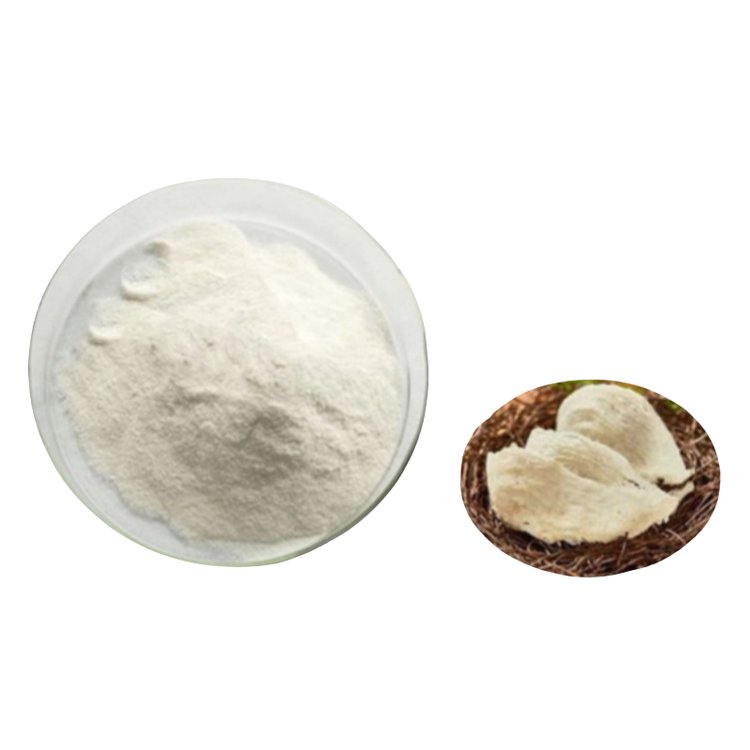
D-Mannose is a white, crystalline powder. It is sweet, roughly 0.6 times as sweet as sucrose (table sugar), but with a slightly bitter aftertaste if used in high concentrations.
| Property | Specification / Description |
|---|---|
| Product Name | D-Mannose |
| CAS Number | 3458-28-4 |
| Molecular Formula | C6H12O6 |
| Molecular Weight | 180.16 g/mol |
| Appearance | White crystalline powder |
| Assay (HPLC) | ≥ 98.0% – 100.0% |
| Solubility | Soluble in water; Slightly soluble in ethanol |
| Melting Point | 133°C – 140°C |
| Specific Rotation | +13.3° to +14.3° |
| Bulk Density | ~0.5 g/ml (varies by mesh size) |
Key Application Fields
1. Dietary Supplements (UTI Management)
This is the primary driver of demand. D-Mannose works mechanically rather than biologically. It binds to the E. coli bacteria, preventing them from adhering to the bladder walls (urothelium). The bacteria are then flushed out with urine.
- Formats: Capsules, tablets, and increasingly popular “stick packs” (powder sachets).
2. Functional Foods and Beverages
Because it is a naturally occurring sugar that does not significantly affect blood glucose levels (it is mostly excreted unmetabolized), it is popular in:
- Diabetic-friendly formulations.
- Prebiotic drinks (it acts as a mild prebiotic).
- Yogurts and meal replacement shakes.
3. Animal Feed and Pet Health
The mechanism that works in humans also works in pets. D-Mannose is widely used in supplements for cats and dogs to prevent urinary tract issues, often combined with cranberry extract.
Safety and Precautionary Measures
D-Mannose is generally recognized as safe (GRAS) and is a naturally occurring food substance. However, for factory workers and handlers:
- Dust Control: Like any fine organic powder, creating a dust cloud poses a theoretical risk of explosion in confined spaces. Use explosion-proof ventilation.
- Inhalation: Prolonged inhalation of high concentrations of dust may irritate the respiratory tract. Workers should use standard dust masks (N95 or equivalent).
- Ingestion: Safe for consumption. However, in an industrial setting, do not eat, drink, or smoke in the working area.
- Eye Contact: May cause mechanical irritation. Rinse with plenty of water if contact occurs.
Storage and Handling Conditions
One of the biggest challenges with D-Mannose is its hygroscopicity (ability to absorb moisture from the air). If not stored correctly, the powder will turn into a solid block, making it unusable for production.
- Moisture Control: The warehouse humidity must be strictly controlled. The packaging must be airtight.
- Temperature: Store in a cool, dry place, typically below 25°C. Avoid direct sunlight.
- Packaging:
- Standard: 25kg fiber drums with double PE liners inside. The inner liners must be tied or heat-sealed tightly to prevent moisture ingress.
- Retail/Small Batch: Aluminum foil bags are recommended for smaller quantities to provide a total moisture barrier.
- Shelf Life: typically 2 to 3 years if the seal remains unbroken. Once opened, it should be used quickly or resealed immediately.
FAQ - Technical & Supply Chain
-
Q:
Does D-Mannose (CAS 3458-28-4) exhibit the same Maillard reaction potential as D-Glucose in thermal processing?
A: Yes. As a reducing sugar with a free aldehyde group potential, D-Mannose (CAS 3458-28-4) undergoes non-enzymatic browning (Maillard reaction) when heated in the presence of amino acids. Industrial formulators must account for this browning sensitivity when designing thermal sterilization processes for liquid functional beverages containing this ingredient. -
Q:
Is this material chemically distinct from Mannitol?
A: Yes. D-Mannose (CAS 3458-28-4) is an aldose sugar, whereas Mannitol (CAS 69-65-8) is its corresponding sugar alcohol (polyol) obtained by reduction. While both are used in food and pharma, D-Mannose is specifically sourced for its biological activity in preventing lectin binding, a property not shared by the hydrogenated Mannitol form.
Documents and Product Support
For product review and sourcing evaluation, supporting documents can be coordinated according to the product type, inquiry stage, and order requirements.
- COA for batch-based quality reference
- TDS for key physical and chemical information
- SDS / MSDS for handling, storage, and safety reference
- Packing information for sample, trial, and bulk orders
- Technical communication based on application and specification requirements
Information to Confirm Before Quotation
Clear sourcing information helps reduce specification mismatch and allows a more accurate quotation before sample or bulk order discussion.
- Product name and CAS number
- Application or intended end use
- Required purity, grade, or specification
- Sample quantity, trial order, or bulk demand
- Preferred packing form or net weight
- Destination country or port
- Required documents or compliance expectations
Packaging, Storage, and Handling Notes
Packaging form, storage conditions, shelf life, and shipment arrangements should be confirmed according to the product characteristics, package size, and destination requirements.
Before order confirmation, buyers are advised to review the corresponding product documents and confirm whether any special storage, labeling, or handling requirements apply.
Sample, Bulk Order and Repeat Supply Support
Support can be arranged for sample discussion, bulk supply planning, packaging confirmation, and routine sourcing communication based on the actual product and order requirements.
For repeat-use formulations or long-term procurement plans, buyers may discuss specification consistency, packaging preferences, delivery expectations, and document coordination in advance.