


Triethyl Citrate (TEC), CAS 77-93-0, is a liquid citrate ester used as a plasticizer in selected polymer and coating systems, and as a solvent or fixative in fragrances. Assay, water content, acidity and colour are specified for the intended application.
Triethyl Citrate (TEC) CAS 77-93-0
- CAS: 77-93-0
- Synonyms: Triethyl citrate; Citric acid triethyl ester; Triethyl 2-hydroxypropane-1,2,3-tricarboxylate; TEC
- Einecs: 201-070-7
- Molecular Formula: C₁₂H₂₀O₇
- Grade: Technical or application-specific grade; required standard and assay agreed for the quotation
- Package: Compatible sealed packaging; pack size and net quantity agreed for the order
Product Description
Triethyl citrate is the triethyl ester of citric acid. Its formula is C₁₂H₂₀O₇, its EC number is 201-070-7 and its molar mass is approximately 276.29 g/mol. Citric acid is an upstream raw material, rather than an equivalent plasticizer. TEC has limited water solubility and is miscible with ethanol.
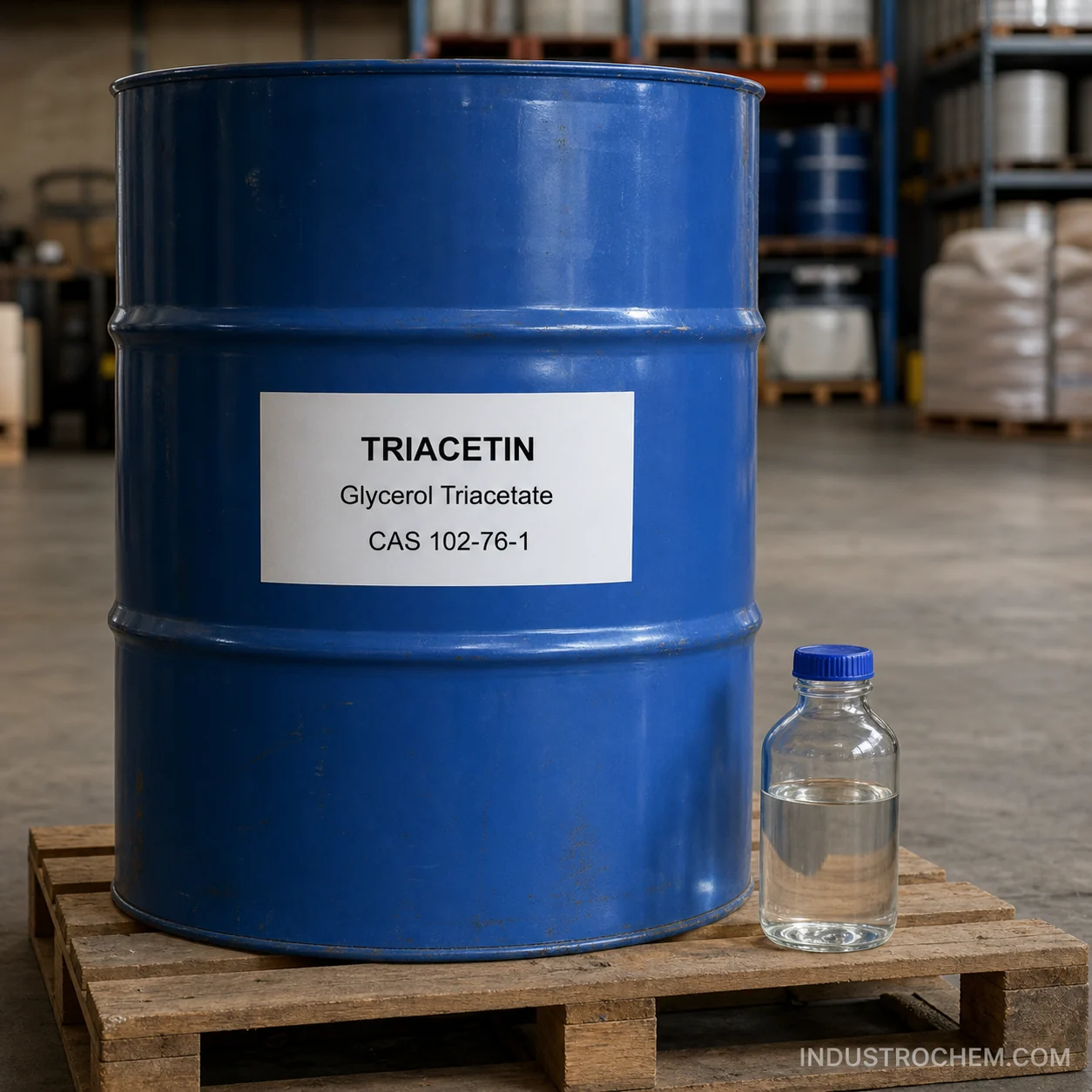
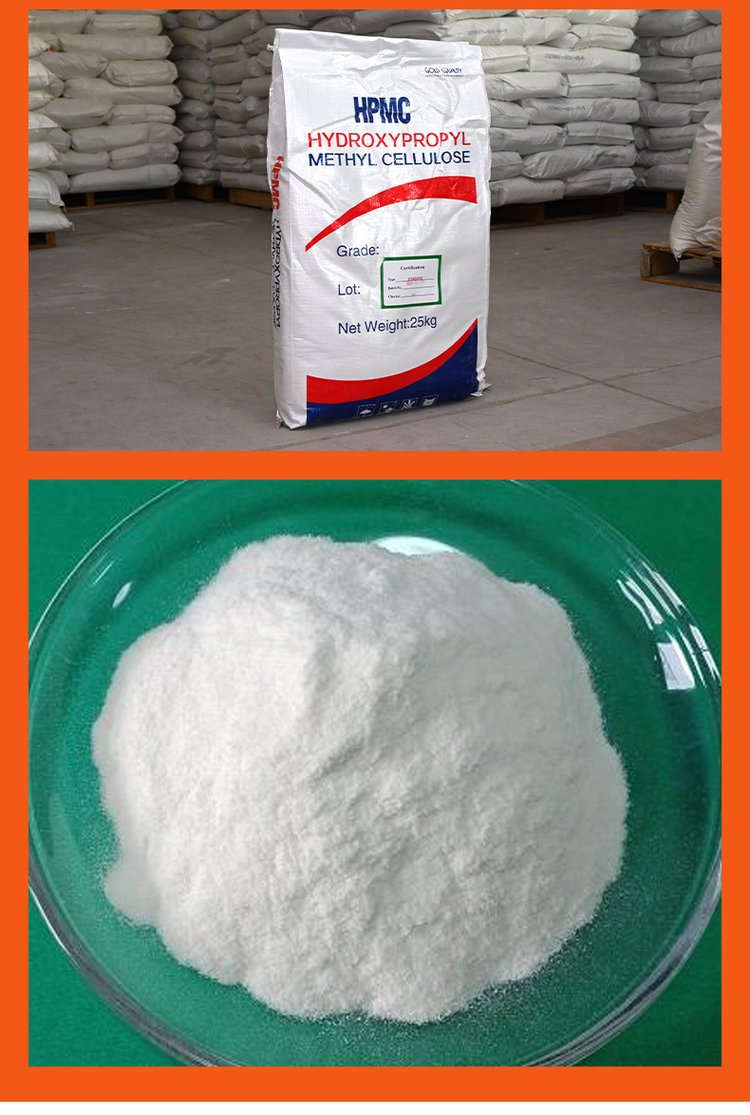
TEC can improve flexibility in selected hydroxypropyl methylcellulose (HPMC) film formulations. Polymer grade, plasticizer loading, moisture and drying conditions affect the final film. Triacetin is a different ester used for plasticizer and solvent applications; compatibility, migration and processing performance determine whether it is a suitable alternative.
In deodorant formulations, TEC is used to limit odor formation, while zinc ricinoleate absorbs odor-causing molecules. These ingredients perform different functions; solubilization and compatibility are evaluated for the intended formulation. TEC also serves as a solvent and fixative in fragrance systems.
Quality controls are matched to the quoted grade. TEC assay may use gas chromatography (GC) or an alkalimetric method, with the reporting basis, such as anhydrous substance, stated in the specification. GC can assess related substances such as triethyl aconitate; headspace GC (HS-GC) can determine specified residual solvents such as ethanol.
Water content can be measured by Karl Fischer titration. Acidity, colour, density and refractive index are further selection criteria, with the method and test conditions stated where applicable. A representative density is approximately 1.14 g/cm³ at 20 °C; this is a reference value, rather than a batch acceptance limit. Acidity tests and acid-value or free-citric-acid results require their own reporting basis.
We can provide a Certificate of Analysis (COA), Technical Data Sheet (TDS) and Safety Data Sheet (SDS), together with applicable assay, related-substance, residual-solvent and water-content information for the quoted grade. For a quotation, send the intended application, required specification or standard, quantity, packaging preference and destination.
Compatible, tightly closed packaging protects the liquid from contamination. Pack size and net quantity are agreed for the order. Storage and handling follow the applicable SDS, including protection from strong heating and incompatible oxidizing agents.


FAQ - Technical & Supply Chain
-
Q:
Are Triethyl Citrate and Ethyl Citrate the same ester?
A: Triethyl citrate and citric acid triethyl ester identify CAS 77-93-0. Ethyl citrate is also used as a catalogue synonym when tied to this CAS. Acetyl triethyl citrate and tributyl citrate are different esters with different formulation properties. -
Q:
What matters when using TEC in water-based formulations?
A: TEC has limited water solubility and is not freely miscible with water. The polymer, other solvents, solubilization system and TEC loading affect compatibility. Film flexibility, tack, migration and moisture sensitivity are assessed in the intended formulation. -
Q:
Which specifications matter when purchasing industrial Triethyl Citrate?
A: Assay, water, acidity, colour and relevant impurities are specified with their methods and reporting basis. GC can assess related substances, HS-GC can assess specified residual solvents, and Karl Fischer titration measures water. The applicable tests and limits depend on the quoted grade. -
Q:
How is the appropriate TEC grade selected?
A: The quoted grade is matched to the application and required standard. Industrial plasticizer specifications differ from food or pharmaceutical requirements. Cosmetic suitability is assessed against the formulation and applicable market requirements; it does not automatically require a pharmacopoeial grade. -
Q:
What information is needed for a bulk Triethyl Citrate quotation?
A: Send the application, required specification or standard, quantity and destination. Add packaging preferences and any particular assay, impurity or documentation requirements. Compatible sealed packaging and net quantity are agreed for the order.
Ordering & Documentation
Key information for document requests, quotations, and supply planning.
Documents
Tell us which documents your procurement team needs. Before an order, we will check whether the quoted source can provide them for the offered lot.
Quotation
Send the CAS number, grade, quantity, packing preference and destination.
Sample & Supply
Ask whether samples, trial quantities or repeat orders are possible. We will check each request against the sourced product and current offer.
Storage & Shipping
Product-specific conditions are confirmed before order.