









• Maltodextrin CAS 9050-36-6

Maltodextrin CAS 9050-36-6

Maltodextrin is a high-quality carbohydrate produced through the controlled enzymatic hydrolysis of starch. It serves as an essential processing aid and functional carrier, valued for its moderate sweetness, high solubility, and excellent binding properties. As a neutral-tasting powder, it is easily incorporated into a wide range of dry and liquid formulations without altering the sensory profile of the final product.

We offer Maltodextrin in various Dextrose Equivalent (DE) ranges to meet specific viscosity and hygroscopicity requirements. Our supply is optimized for B2B manufacturers seeking consistent particle size distribution and purity levels for large-scale production. We provide comprehensive documentation, including Batch COA, TDS, and SDS, to ensure seamless integration into your supply chain.

  • CAS: 9050-36-6
  • Synonyms: Dextrin, Maltrin, Starch Hydrolysate
  • Einecs: 232-940-4
  • Grade: Food Grade / Pharmaceutical Grade / Technical Grade
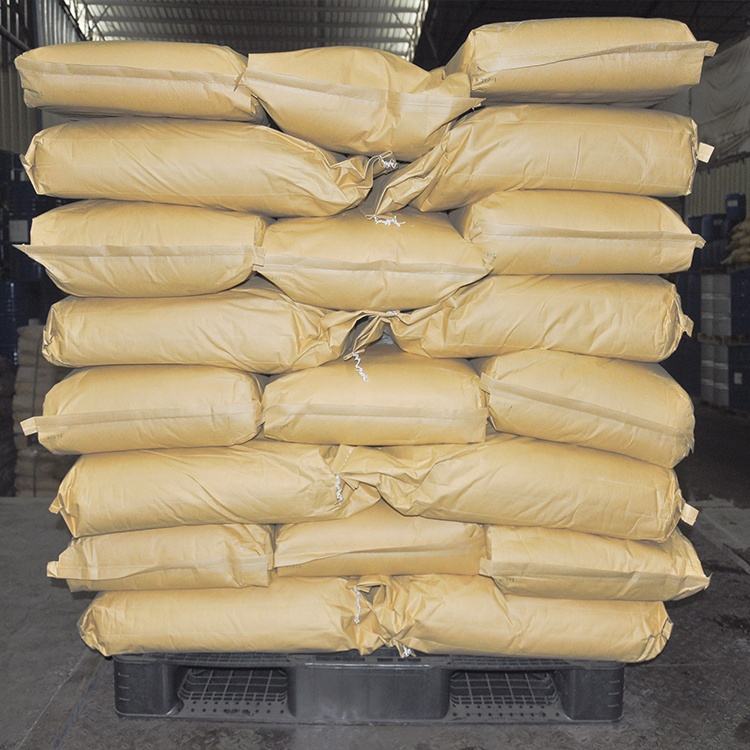
  • Package: Standard 25kg multi-wall paper bags with PE liner
Request a quote
Share:

Product Description

Physicochemical Properties

PropertyTypical Value
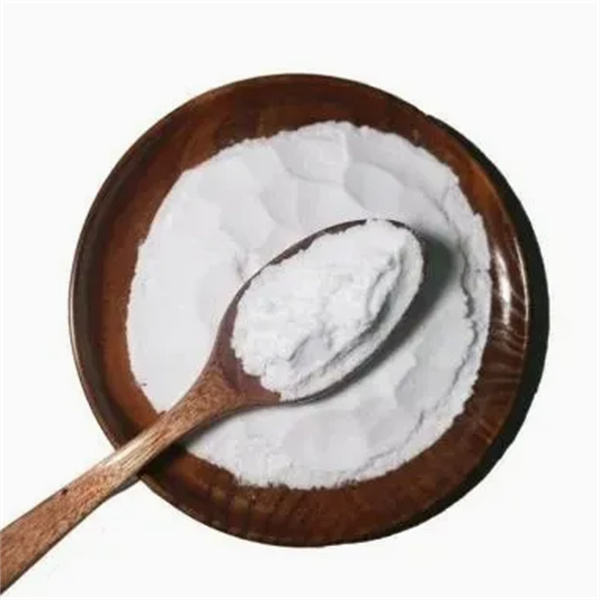
AppearanceWhite or light yellow amorphous powder
Dextrose Equivalent (DE)10 – 15 / 15 – 20 / 20 – 25 (Grade dependent)
Moisture Content≤ 6.0%
pH (5% Solution)4.0 – 6.0
SolubilityExcellent solubility in water
OdorOdourless; characteristic neutral taste
Bulk Density0.30 – 0.60 g/cm³

Typical Applications

Maltodextrin is utilized across diverse sectors due to its multifunctional properties as a bulking agent and stabilizer:

  • Food & Beverage: Functions as a carrier for spray-drying flavors and powders, a thickener for sauces, and a moisture-retaining agent in bakery products.
  • Pharmaceutical Excipients: Used as a diluent in tablet and capsule formulations and as a coating agent for granulated active ingredients.
  • Personal Care & Cosmetics: Acts as a film-forming agent and stabilizer in creams, lotions, and powders.
  • Industrial Applications: Employed as a binder in agricultural chemicals, coatings, and paper processing where a natural, water-soluble adhesive is required.

Packaging

Our Maltodextrin is packaged to maintain strict hygiene and physical integrity during transit:

  • Standard Bags: 25kg net weight multi-layer kraft paper bags with an inner heat-sealed PE moisture barrier.
  • Bulk Options: Large jumbo bags (500kg/1000kg) available for high-capacity industrial users.
  • Loading Support: Palletized and shrink-wrapped shipments (standard 1×20′ FCL loads approximately 12-14 MT without pallets, or as specified).

Storage

To ensure long-term stability and prevent clumping, please follow these storage standards:

  • Keep in a cool, dry, and dark environment, ideally below 25°C and 65% relative humidity.
  • Store away from strong odors and volatile substances, as the powder may absorb environmental scents.
  • Ensure the bags remain tightly sealed and are stacked on pallets to avoid contact with floors or damp walls.
  • Maintain a “First-In, First-Out” (FIFO) inventory system to ensure product freshness.

FAQ

Which DE (Dextrose Equivalent) grade should I choose for my formulation?

Lower DE grades (e.g., DE 10-12) provide higher viscosity and lower hygroscopicity, making them ideal for fat replacement. Higher DE grades (e.g., DE 18-20) are more soluble and provide more sweetness. We can provide technical specifications for each grade upon request.

Does your Maltodextrin meet specific botanical origin requirements?

Our standard supply is corn-based (Maize), which is the most common industrial source. If your application requires Maltodextrin derived from potato, wheat, or non-GMO sources, please specify this in your inquiry.

Can you provide documentation for pharmaceutical or food safety compliance?

Yes. For each batch, we provide a Certificate of Analysis (COA). Depending on the grade ordered, we also supply documentation related to food safety management systems (e.g., ISO, HACCP) and SDS for handling.

How do you manage moisture control during international shipping?

We utilize high-micron PE liners inside multi-wall bags and ensure containers are inspected for integrity. For humid climates, we can include desiccant packs in the container upon request to prevent caking.

Is your Maltodextrin suitable for instant drink mixes?

Absolutely. Due to its excellent solubility and neutral flavor, it is widely used as a carrier in instant beverage powders to improve mouthfeel and dispersion without clumping.

FAQ - Technical & Supply Chain

Documents

Documents and Product Support

For product review and sourcing evaluation, supporting documents can be coordinated according to the product type, inquiry stage, and order requirements.

  • COA for batch-based quality reference
  • TDS for key physical and chemical information
  • SDS / MSDS for handling, storage, and safety reference
  • Packing information for sample, trial, and bulk orders
  • Technical communication based on application and specification requirements
Quotation

Information to Confirm Before Quotation

Clear sourcing information helps reduce specification mismatch and allows a more accurate quotation before sample or bulk order discussion.

  • Product name and CAS number
  • Application or intended end use
  • Required purity, grade, or specification
  • Sample quantity, trial order, or bulk demand
  • Preferred packing form or net weight
  • Destination country or port
  • Required documents or compliance expectations
Storage & Handling

Packaging, Storage, and Handling Notes

Packaging form, storage conditions, shelf life, and shipment arrangements should be confirmed according to the product characteristics, package size, and destination requirements.

Before order confirmation, buyers are advised to review the corresponding product documents and confirm whether any special storage, labeling, or handling requirements apply.

Supply Support

Sample, Bulk Order and Repeat Supply Support

Support can be arranged for sample discussion, bulk supply planning, packaging confirmation, and routine sourcing communication based on the actual product and order requirements.

For repeat-use formulations or long-term procurement plans, buyers may discuss specification consistency, packaging preferences, delivery expectations, and document coordination in advance.

Contact Form

Use our contact form to send us your questions, suggestions or comments. We will respond as soon as possible.